Baking Soda Jewelry Cleaning: Safe Hacks & Gemstone Risks
Discover the truth about baking soda jewelry cleaning. Learn safe DIY paste recipes for silver and gold, plus which porous gems you must never touch.

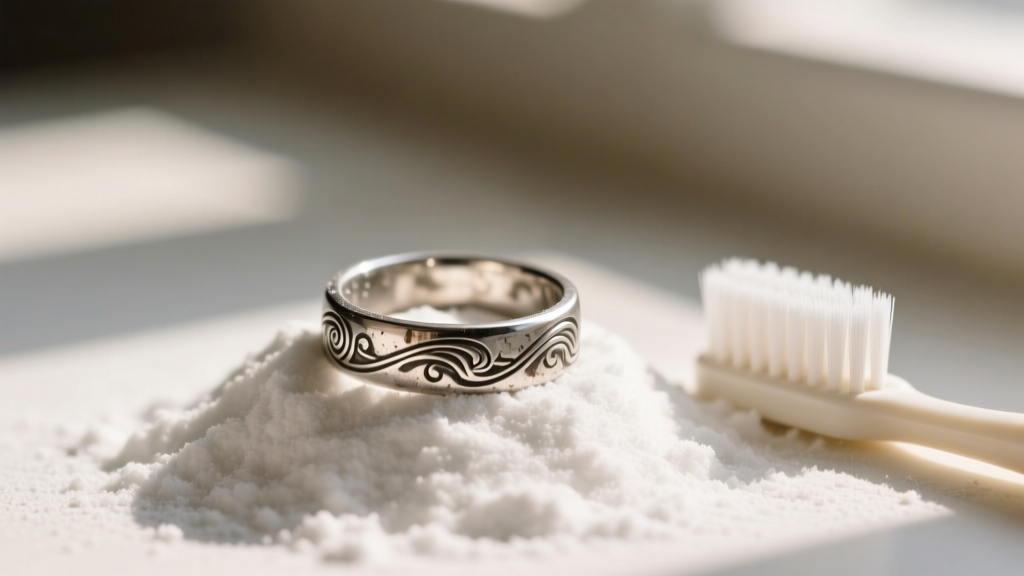
The Chemistry of Baking Soda Jewelry Cleaning
Walk into any kitchen, and you will find sodium bicarbonate—commonly known as baking soda. It is a legendary household cleaner, but its reputation in the jewelry world is deeply polarizing. While countless DIY blogs champion baking soda jewelry cleaning as a miracle cure for tarnished metals, gemologists and metallurgists view it with extreme caution. To understand why, we must look at the material science behind this pantry staple.
Baking soda is a mild alkali with a pH of roughly 8.3 when dissolved in water. More importantly, on the Mohs scale of mineral hardness, baking soda crystals rank at approximately 2.5. This is the exact same hardness as pure gold, pure silver, and copper. When you create a thick baking soda paste and scrub a sterling silver ring or an 18k gold band, you are essentially rubbing two equally hard materials together. The result? Micro-scratches that permanently dull the factory polish, creating a matte, cloudy finish that traps future dirt and oils.
The Silver Exception: Electrochemical Reduction
There is exactly one scenario where baking soda is a holy grail for jewelry care: removing heavy sulfide tarnish from sterling silver without physical abrasion. This is not achieved through scrubbing, but through a fascinating redox (reduction-oxidation) reaction.
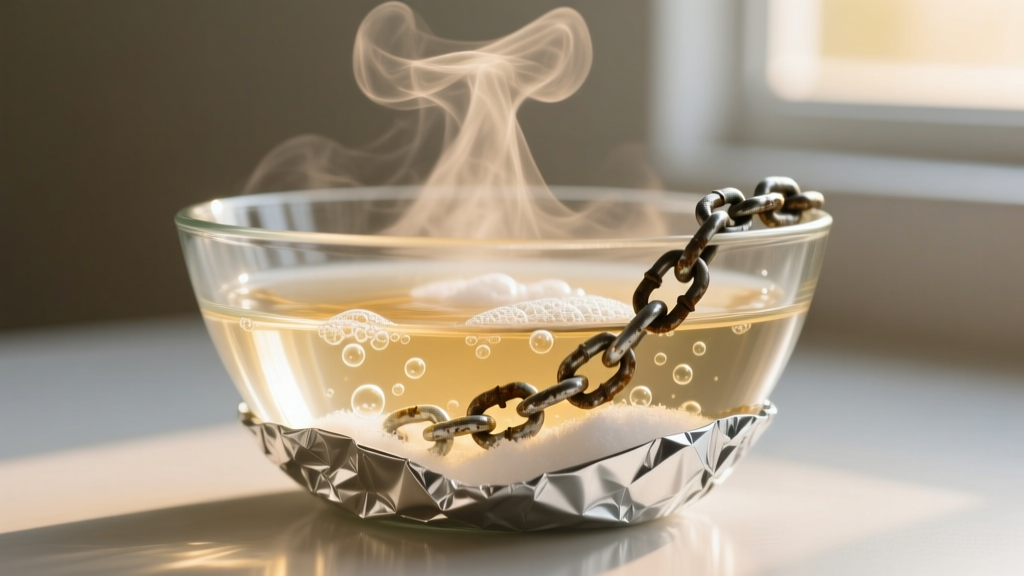
Silver tarnish is not dirt; it is silver sulfide (Ag2S), a chemical compound that forms when silver reacts with sulfur in the atmosphere. By introducing aluminum, an electrolyte (baking soda), and heat, you reverse the chemical reaction. The aluminum acts as an anode, sacrificing itself and pulling the sulfur away from the silver cathode.
The Safe Silver Bath Protocol
- Prep the Vessel: Line a heat-safe glass or ceramic bowl with aluminum foil, shiny side up. Ensure the foil touches the bottom and sides.
- Add the Electrolyte: Sprinkle 2 tablespoons of baking soda and 1 tablespoon of non-iodized salt over the foil.
- Introduce Heat: Pour 2 cups of near-boiling distilled water (approx. 195°F / 90°C) into the bowl. The water must be hot enough to activate the ion transfer.
- Submerge the Silver: Using wooden or plastic tongs (never metal, which disrupts the circuit), lower your sterling silver pieces into the solution. Ensure the silver physically touches the aluminum foil.
- Wait and Extract: Let the pieces sit for 3 to 5 minutes. You will notice a distinct rotten egg smell—this is hydrogen sulfide gas releasing from the silver. Remove, rinse thoroughly in cool distilled water, and pat dry with a microfiber cloth.
Expert Warning: Never use this electrochemical bath on oxidized or blackened silver jewelry (like vintage Navajo pieces or designer charms). The bath cannot tell the difference between accidental tarnish and intentional artistic oxidation, and it will strip the dark antique finish completely.
The Danger Zone: Gems Destroyed by Alkalinity
The most catastrophic failures in DIY jewelry care occur when baking soda solutions touch organic or porous gemstones. Because baking soda is alkaline and often used in hot water baths, it poses a dual threat: chemical etching and thermal shock.
| Gemstone | Mohs Hardness | Porosity | Baking Soda Verdict |
|---|---|---|---|
| Diamond | 10 | None | Safe (but unnecessary) |
| Sapphire / Ruby | 9 | None | Safe (but unnecessary) |
| Turquoise | 5 - 6 | High | LETHAL - Absorbs alkali, alters color |
| Opal | 5.5 - 6.5 | Moderate | LETHAL - Causes crazing and dehydration |
| Pearl | 2.5 | Organic | LETHAL - Dissolves nacre layers |
| Emerald | 7.5 - 8 | Fissured | AVOID - Strips cedar oil treatments |
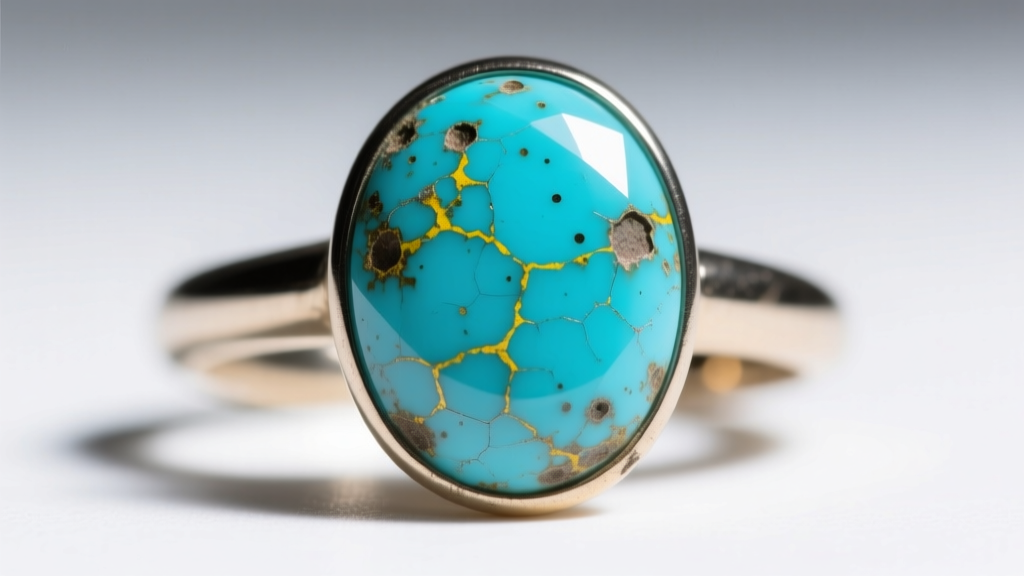
According to the Gemological Institute of America (GIA), turquoise is a highly porous aggregate that easily absorbs chemicals. A baking soda paste will seep into the microscopic pores of an untreated or stabilized turquoise cabochon, leaving permanent white, chalky spots that cannot be polished out.
Similarly, pearls are organic gems made of calcium carbonate. They are highly sensitive to both acids and alkalis. Exposing pearls to a baking soda solution will etch the delicate nacre, destroying the orient (the iridescent glow) and leaving the surface permanently pitted and dull. Opals are equally vulnerable; as noted in the GIA opal care guidelines, their high water content makes them susceptible to severe crazing when exposed to harsh alkalines and heat.
Gold and Platinum: Why You Should Skip the Paste
If you are searching for a way to clean your 14k or 18k gold jewelry, close the baking soda box immediately. As established, baking soda ranks at 2.5 on the Mohs scale. While alloyed gold (mixed with copper, zinc, or nickel) is slightly harder than pure 24k gold, the polished surface of a gold ring is easily marred by abrasive particles.
When you rub baking soda paste on gold, you are creating thousands of microscopic directional scratches. While the jewelry may appear cleaner because the top layer of grime is gone, the underlying metal has been scuffed. Over time, this micro-abrasion causes high-polish gold to look perpetually cloudy and worn. Platinum, while denser and more durable, develops a patina over time; harsh abrasives will accelerate this patina unevenly, ruining the mirror finish.
The Hidden Threat to White Gold
Most white gold on the market is actually yellow gold alloyed with nickel or palladium, and then electroplated with a microscopic layer of rhodium to achieve a bright, silvery-white finish. Rhodium is extremely hard and reflective, but it is incredibly thin—often just a few microns. Scrubbing white gold with a baking soda paste acts like sandpaper on this delicate plating. You will accelerate the wear of the rhodium, exposing the yellowish-gray alloy underneath much faster than normal wear and tear. If your white gold rings are looking yellow or dull, a baking soda scrub is the worst possible remedy; they require professional re-rhodium plating, not abrasive kitchen powders.
Ultrasonic Cleaners vs. The Baking Soda Bath
Many enthusiasts wonder if they can combine methods by adding baking soda to an ultrasonic cleaner tank. This is a critical error. Ultrasonic cleaners work via cavitation—creating millions of microscopic vacuum bubbles that implode against the jewelry, blasting away dirt. The cleaning solution in an ultrasonic tank must be specifically formulated to lower the surface tension of the water and suspend debris.
Adding baking soda to an ultrasonic tank alters the pH and can leave a gritty, insoluble residue in the tank's transducers, potentially damaging the machine. Furthermore, the intense microscopic agitation of an ultrasonic cleaner, combined with the alkalinity of baking soda, can severely degrade the adhesives used in tension-set or cluster-style gemstone rings. Stick to commercial ultrasonic solutions or a simple drop of mild dish soap in warm water for your machine.
Damage Control: Fixing Baking Soda Scratches
If you have already used a baking soda paste on your high-polish gold or platinum jewelry and are now staring at a cloudy, scratched surface, do not panic—but do not attempt to fix it with more DIY hacks. Toothpaste, another common internet myth, contains silica and will only compound the micro-scratching.
The only way to restore a factory mirror finish is through professional mechanical polishing. A jeweler will use a high-speed buffing wheel with a specialized rouge compound (like Tripoli or jeweler's rouge) to shave off a microscopic layer of the metal, leveling the scratches. Be aware that this process removes a tiny amount of metal; while perfectly safe for a solid gold band, it can be risky for very thin, lightweight chains or rings that are already worn down. Always consult a certified bench jeweler to assess the structural integrity of the piece before polishing.
The Professional Alternative: Surfactant-Based Cleaning
For 90% of your jewelry collection—including gold, platinum, diamonds, and sapphires—a mild, pH-neutral surfactant is vastly superior to baking soda. The goal of everyday jewelry cleaning is to break down sebum (skin oils), lotions, and environmental dust, not to strip metal via abrasion.
The Ultimate Safe Soak Recipe
- Base: 1 cup of warm distilled water (tap water contains chlorine and minerals that can leave spots).
- Surfactant: 3-4 drops of a mild, phosphate-free dish soap.
- Agitation: A baby toothbrush with ultra-soft bristles to gently dislodge debris from pavé settings and prongs.
- Drying: A lint-free microfiber cloth or a blast of compressed air to prevent water spots in hard-to-reach crevices.
By understanding the material science behind your jewelry, you can avoid the irreversible damage caused by well-meaning but flawed internet hacks. Reserve the baking soda strictly for the aluminum-foil silver bath, and rely on gentle surfactants for the rest of your precious collection.


