Choosing the Best Soft Cloth for Cleaning Jewelry Safely
Discover how to choose the best soft cloth for cleaning jewelry. Compare microfiber, treated, and flannel options for safe, scratch-free polishing.

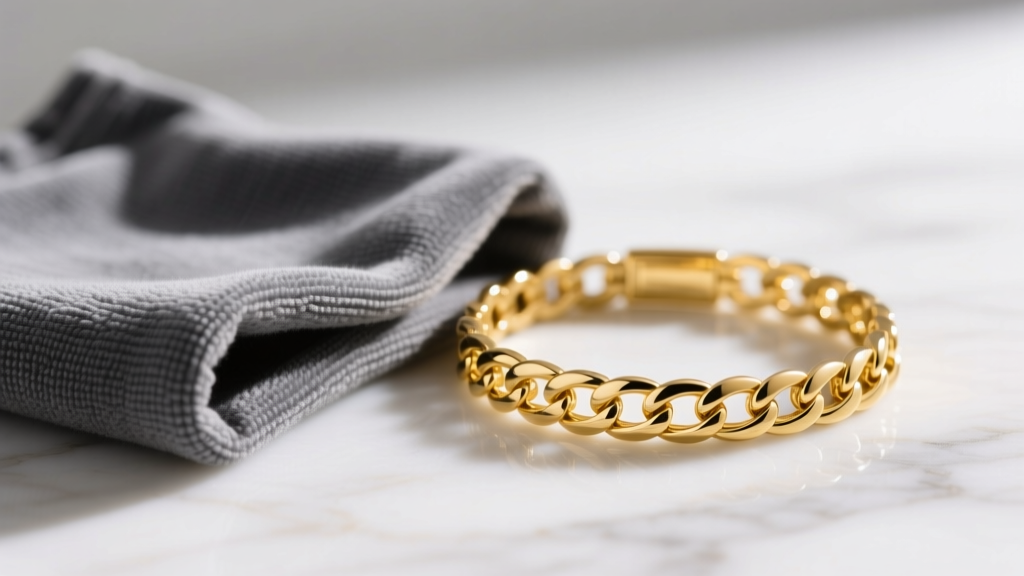
When it comes to maintaining the brilliance of your fine accessories, the tools you use are just as critical as the techniques you apply. While ultrasonic cleaners and chemical dips have their place, the most fundamental tool in any jewelry box is a high-quality soft cloth for cleaning jewelry. Yet, not all cloths are created equal. Using the wrong material can lead to micro-scratches, dulled finishes, and even irreversible damage to delicate gemstones.
In this comprehensive guide, we break down the material science behind jewelry polishing cloths, compare untreated versus treated options, and provide a definitive framework for matching the right cloth to your specific metals and gemstones.
The Science of Scratches: Why Cloth Choice Matters
To understand why a dedicated soft cloth for cleaning jewelry is non-negotiable, we must look at the Mohs scale of mineral hardness. Pure 24k gold sits at a mere 2.5 on the Mohs scale, while sterling silver is similarly soft at 2.5 to 3. Platinum is slightly harder at 4 to 4.5. For context, a copper penny is about a 3.5.
The real danger, however, is not the metal itself, but the environment. Household dust contains microscopic particles of quartz and silica, which rank at a 7 on the Mohs scale. If you wipe a dusty gold ring with a standard paper towel or an old cotton t-shirt, you are essentially dragging quartz crystals across a soft metal surface. Paper towels are made from wood pulp and often contain trace minerals that act like sandpaper on high-karat gold. A proper jewelry cloth is engineered with specific weaves and fiber structures to trap these abrasive particles rather than dragging them across the metal.
Untreated vs. Treated: Which Cloth Wins?
The market is generally divided into two main categories: untreated microfiber and chemically treated jeweler's cloths. Understanding the difference is vital for protecting your investment.
Untreated Microfiber: The Daily Workhorse
High-quality microfiber is the gold standard for daily maintenance. However, you must look for specific specifications. A premium soft cloth for cleaning jewelry should be an 80/20 blend of polyester and polyamide. During manufacturing, these fibers are split to create microscopic wedge-shaped channels. These wedges act like tiny shovels, lifting and trapping quartz dust, skin oils, and lotion residue deep within the fabric rather than pushing it around the surface.
For jewelry, aim for a cloth with a GSM (grams per square meter) between 200 and 300. Anything lower is too thin to trap debris effectively, while anything higher is generally overkill and can snag on delicate prongs. Furthermore, ensure the edges are laser-cut or bound with soft suede; traditional overlock stitching uses thick thread that can scratch soft metals.
Treated Jeweler's Rouge Cloths: The Heavy Duty Polishers
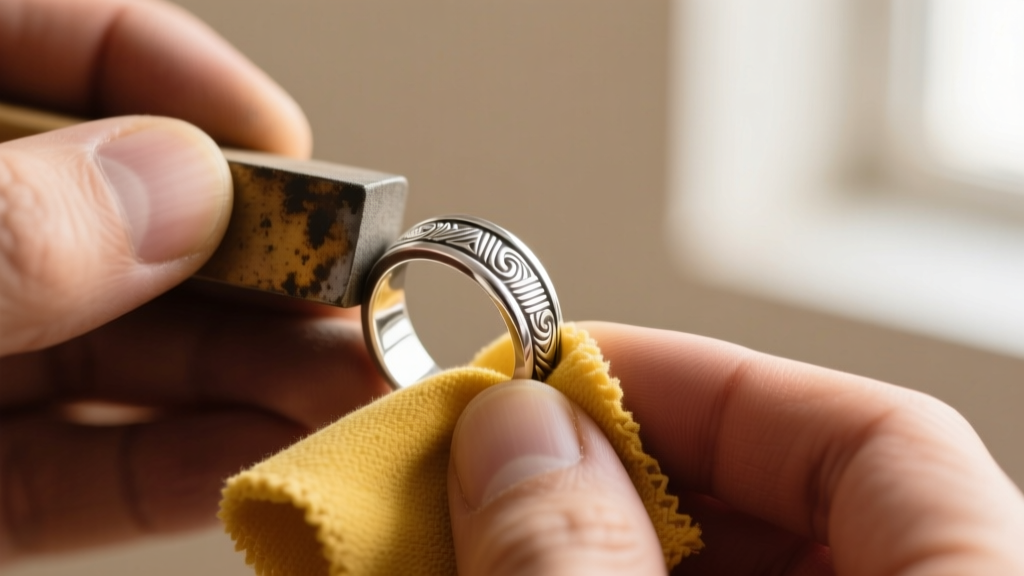
Treated cloths, such as the iconic yellow Sunshine cloths or brands like Connoisseurs and Hagerty, are impregnated with micro-abrasives (often jeweler's rouge or iron oxide) and chemical tarnish inhibitors. These are designed to remove heavy oxidation and light surface scratches from sterling silver and brass.
Warning: Treated cloths should never be used on porous gemstones (like pearls, opals, turquoise, or emeralds), as the chemicals can seep into the stone's matrix and cause discoloration. They should also be avoided on matte, brushed, or satin finishes, as the micro-abrasives will inadvertently polish the textured surface into a high shine, ruining the intended design.
Material Matchmaker: Pairing Cloths with Metals and Gemstones
Using a one-size-fits-all approach is a common mistake. According to the Gemological Institute of America (GIA), organic and porous gems require drastically different care than crystalline structures. Below is a quick-reference matrix to help you select the correct soft cloth for cleaning jewelry based on your specific pieces.
| Jewelry Type | Ideal Cloth Material | Cloth to Avoid |
|---|---|---|
| High-Karat Gold (18k-24k) | Untreated 80/20 Microfiber (Laser-cut edges) | Treated rouge cloths, paper towels |
| Sterling Silver | Treated anti-tarnish cloth (for polishing), Microfiber (for daily dusting) | Standard cotton (traps moisture) |
| Diamonds & Sapphires | Untreated Microfiber or 100% Cotton Flannel | Loose-weave terry cloth (snags prongs) |
| Pearls & Organics | 100% Untreated Bamboo or Silk blends | Any chemically treated cloth |
| Matte/Brushed Finishes | Soft, untreated flannel (wipe in direction of grain) | Treated micro-abrasive cloths |
How to Wash and Maintain Your Jewelry Cleaning Cloths
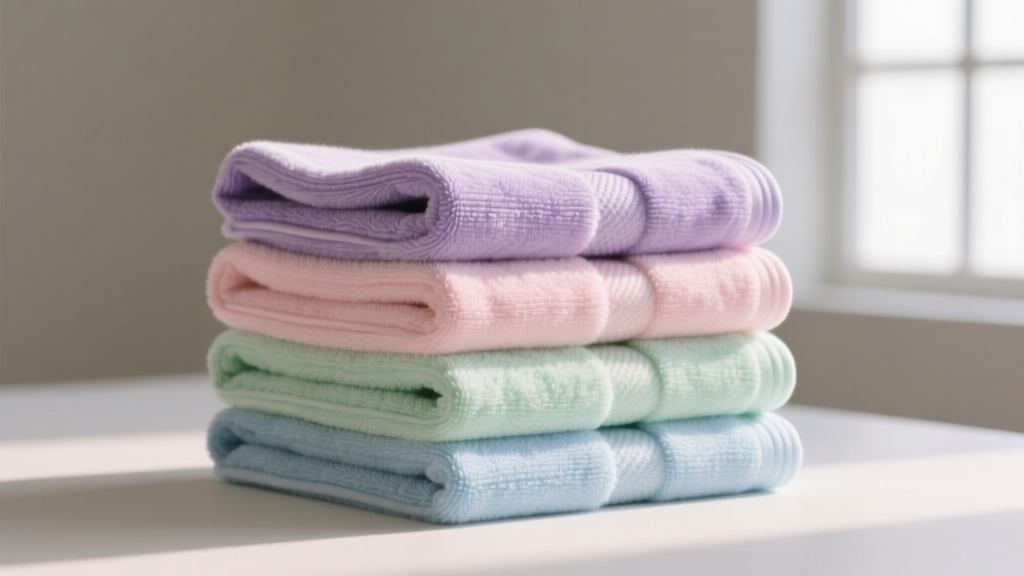
A dirty cloth is a dangerous cloth. Once the microscopic wedges in your microfiber are full of trapped silica and skin oils, the cloth loses its effectiveness and becomes an abrasive pad. Proper maintenance ensures your soft cloth for cleaning jewelry remains safe for years.
Washing Untreated Microfiber
- Temperature: Wash in warm water (around 105°F or 40°C). Hot water can melt the delicate polyamide fibers.
- Detergent: Use a mild, liquid detergent free of dyes and fragrances.
- The Golden Rule: Never use fabric softener or dryer sheets. Softeners coat the fibers in a waxy residue, completely neutralizing their ability to trap dust and oils.
- Drying: Air dry or tumble dry on the lowest heat setting.
Knowing When to Retire Treated Cloths
Treated cloths should never be washed, as laundering will strip away the active polishing compounds and tarnish inhibitors. It is normal for these cloths to turn black after use; this is the chemical reaction of the tarnish being lifted from the silver. However, once the cloth is entirely black, stiff, and no longer produces a shine, it is depleted and must be thrown away.
Common Mistakes to Avoid When Wiping Down Fine Jewelry
Even with the right materials, poor technique can lead to damage. The GIA's diamond care guidelines emphasize gentle handling to protect both the stone and the setting. Avoid these common pitfalls:
- Cross-Contamination: Never use the same cloth for silver and gold. Silver tarnish (silver sulfide) and the chemicals used to remove it can transfer to your gold jewelry, causing dulling or surface reactions. Keep a dedicated cloth for silver, and separate ones for gold and platinum.
- Aggressive Rubbing: When using a soft cloth for cleaning jewelry, use gentle, sweeping motions. Pressing down hard does not clean faster; it simply forces trapped debris deeper into the metal's pores or risks bending delicate prongs holding your gemstones.
- Ignoring the Settings: Microfiber can occasionally catch on microscopic burrs or loose prongs. If you feel a "snag," stop immediately. Do not pull the cloth free, as this can lift the prong and release the gemstone. Instead, gently back the cloth out or use a soft-bristled baby toothbrush to clean that specific area.
- Storing Cloths Improperly: Leaving your cleaning cloths exposed on a vanity allows them to collect ambient household dust. Always store your microfiber and flannel cloths in a sealed Ziploc bag or a dedicated jewelry box drawer to keep them pristine between uses.
Final Thoughts on Jewelry Care
Investing in the proper soft cloth for cleaning jewelry is one of the most cost-effective ways to preserve the longevity and brilliance of your collection. By understanding the Mohs hardness of your metals, respecting the porosity of your gemstones, and maintaining your cleaning tools with the same care you give your jewelry, you ensure that every piece remains as radiant as the day you acquired it. Ditch the paper towels, upgrade your microfiber, and polish with confidence.

