Can Toothpaste Clean Jewelry? Material Hardness Risks
Can toothpaste clean jewelry safely? We compare toothpaste abrasives against metal and gemstone Mohs hardness to reveal hidden micro-scratch risks.

The Short Answer: Why Toothpaste and Jewelry Don't Mix
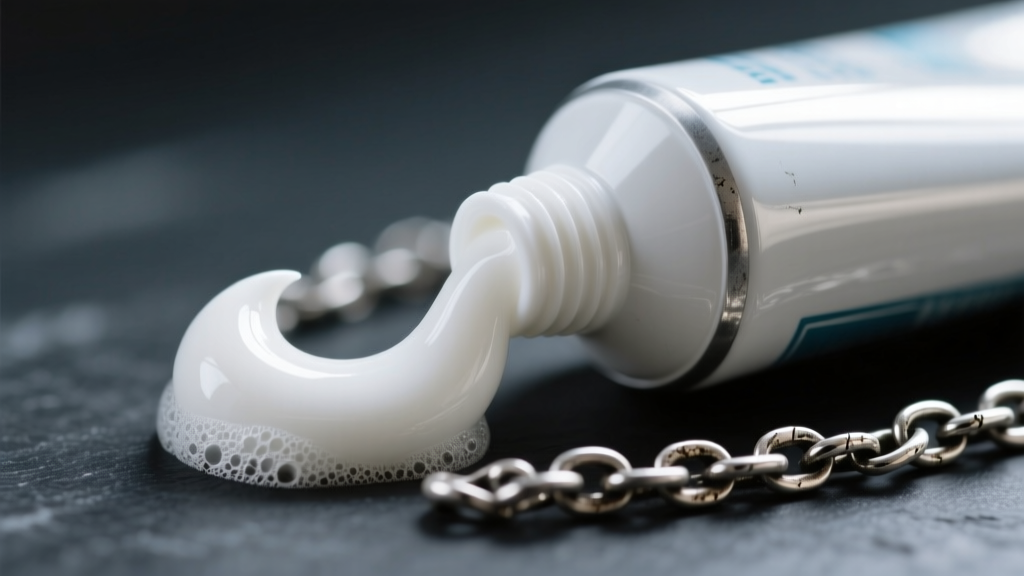
If you have ever scrolled through social media life hacks, you have likely encountered the viral suggestion to use toothpaste to polish tarnished silver or dull gold. But as a fundamental rule of material science and gemology, the answer to "can toothpaste clean jewelry safely?" is a resounding no. While it may appear to remove surface oxidation temporarily, toothpaste is fundamentally an abrasive compound designed to strip plaque and stains from dental enamel. When applied to precious metals and gemstones, it acts like microscopic sandpaper, causing irreversible structural and cosmetic damage.
At Jewel Style Radar, we evaluate cleaning methods through the lens of material properties. To understand why this common household item is detrimental to your fine jewelry, we must compare the abrasive hardness of modern toothpaste against the Mohs Hardness Scale of precious metals and gemstones.
The Science of Scratches: RDA vs. Mohs Hardness
Toothpaste contains abrasive particles—most commonly hydrated silica, calcium carbonate, or baking soda. In dentistry, these are measured on the Relative Dentin Abrasivity (RDA) scale. Whitening toothpastes, which are the most frequently recommended in DIY jewelry hacks, often boast an RDA value between 100 and 150. This means they are engineered to physically sand away surface stains.
To understand how this affects jewelry, we must look at the Gemological Institute of America (GIA) Mohs Hardness Scale, which measures a material's resistance to scratching. Hydrated silica, the primary abrasive in most toothpastes, has a Mohs hardness of roughly 6.0 to 7.0. By comparison, pure gold sits at a mere 2.5 to 3.0 on the Mohs scale. Because the abrasive particles in the toothpaste are significantly harder than the metals used in jewelry, brushing the paste onto a ring or necklace guarantees severe micro-abrasions.
| Material | Mohs Hardness | Vulnerability to Toothpaste |
|---|---|---|
| Hydrated Silica (Toothpaste) | 6.0 - 7.0 | N/A (The Abrasive Agent) |
| 24k Pure Gold | 2.5 - 3.0 | Extreme (Deep Scratches) |
| 14k Gold Alloy | 3.5 - 4.0 | High (Surface Dulling) |
| 925 Sterling Silver | 2.5 - 3.0 | Extreme (Severe Micro-Scratches) |
| Platinum (950) | 4.0 - 4.5 | Moderate to High (Patina Disruption) |
| Pearl (Nacre) | 2.5 - 4.5 | Catastrophic (Strips Luster) |
| Diamond | 10.0 | None (But metal prongs are at risk) |
Material Breakdown: How Toothpaste Affects Specific Metals
Sterling Silver and Gold Alloys
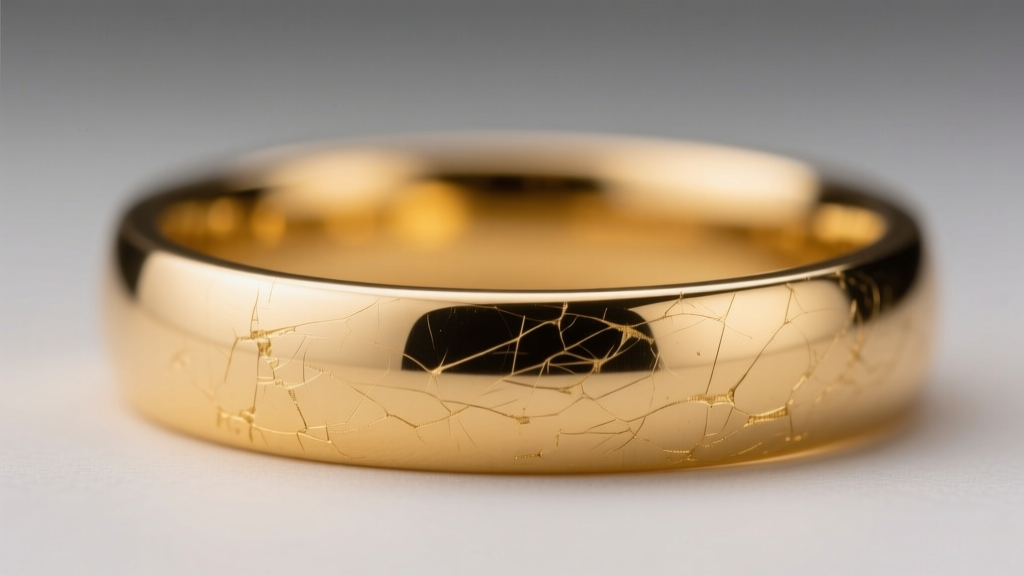
Sterling silver (92.5% silver, 7.5% copper) is notoriously soft. When you scrub tarnished silver with a toothbrush and toothpaste, the hydrated silica gouges microscopic trenches into the metal. Initially, the friction might remove the black silver sulfide tarnish, making the piece look brighter. However, those newly created micro-scratches create a matte, porous surface. This roughened texture actually traps skin oils, lotions, and environmental sulfur much faster than a smooth, factory-polished surface, causing the silver to tarnish again at an accelerated rate.
White Gold and Rhodium Plating
White gold is an alloy of yellow gold and white metals like nickel or palladium, but it relies on a microscopic layer of rhodium plating to achieve its brilliant, mirror-like white finish. Rhodium is hard (Mohs 6.0), but the plating is incredibly thin—usually between 0.75 and 1.0 microns. Aggressive brushing with toothpaste will strip this rhodium layer prematurely, exposing the dull, yellowish-gray alloy beneath and forcing you to pay for professional re-plating months ahead of schedule.
Platinum and Palladium
Platinum is denser and slightly harder than gold, but it is still susceptible to abrasive wear. Unlike gold, which loses metal when scratched, platinum displaces, developing a soft, satiny "patina" over time. Toothpaste disrupts this natural patina unevenly, leaving the jewelry looking cloudy and poorly maintained rather than professionally polished.
Gemstone Vulnerability: What Survives the Brush?
The risks extend beyond the metal settings. According to Jewelers of America, porous and soft gemstones require highly specific, non-abrasive care. Toothpaste can ruin a gemstone's optical properties and structural integrity in seconds.
- Pearls and Coral (Organic Gems): With a Mohs hardness of 2.5 to 4.0 and a porous structure, toothpaste will permanently etch the nacre of a pearl, destroying its orient and luster. The alkaline nature of some toothpastes can also cause chemical degradation.
- Opals and Turquoise: These stones are highly porous and relatively soft (Mohs 5.5-6.5). The abrasives will scuff the surface polish, while the water and chemical flavorings in the paste can seep into the stone's matrix, causing discoloration or crazing (internal cracking).
- Diamonds, Sapphires, and Rubies: While these hard stones (Mohs 9-10) will not scratch from toothpaste, the thick, chalky residue packs tightly under the pavilion (the bottom cone of the stone). This blocks light return, making the diamond look cloudy, and is notoriously difficult to flush out without professional ultrasonic equipment.
The Long-Term Damage: Micro-Abrasions and Tarnish Traps
"A high-polish finish on precious metal is not just for aesthetics; it is a protective barrier. Introducing harsh, uncalibrated abrasives like toothpaste compromises the metal's surface tension, creating microscopic valleys where dirt and corrosive compounds anchor themselves."
When you ask, "can toothpaste clean jewelry?" you must consider the long-term lifecycle of the piece. Jewelry polishing is a subtractive process. Professional jewelers use calibrated rouge compounds and high-speed buffing wheels designed to remove a microscopic layer of metal evenly, restoring a flat, reflective surface. Toothpaste and a manual toothbrush apply uneven, erratic pressure, resulting in a wavy, distorted surface that can ruin the precise geometry of faceted metal edges or engraved milgrain details.
Superior Alternatives for 2026 Jewelry Maintenance
Abandon the toothpaste and rely on material-safe cleaning protocols that lift dirt and oxidation without compromising the metal's surface integrity.
The Dish Soap Soak (Safe for Most Metals and Hard Gems)
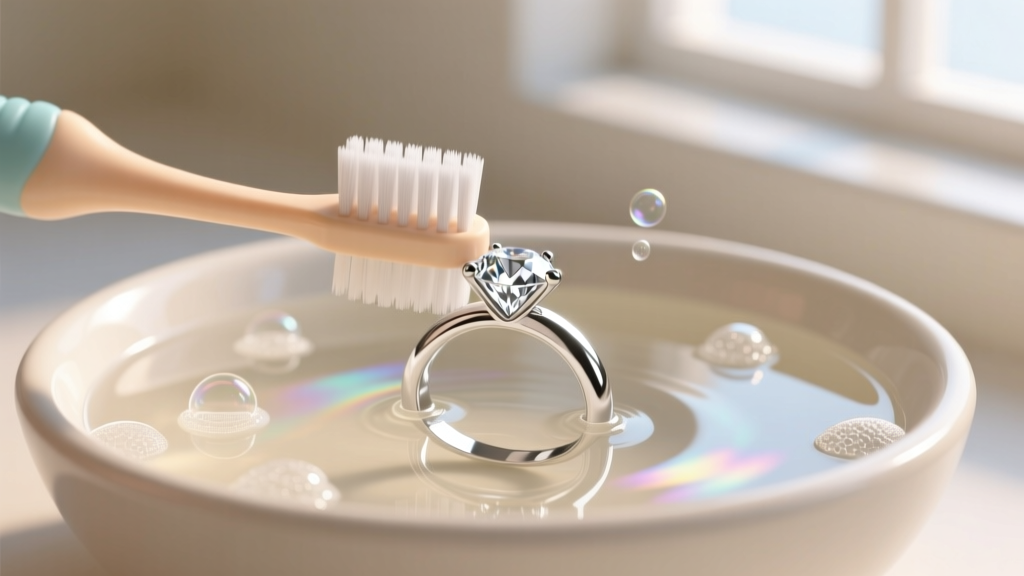
For routine degreasing, mix a few drops of mild, phosphate-free dish soap (like Dawn Platinum) into a bowl of lukewarm water. Let the jewelry soak for 15 minutes to break down sebum and lotions. Use a brand new, ultra-soft baby toothbrush to gently sweep the underside of the stones. Rinse under warm running water and pat dry with a lint-free microfiber cloth.
Specialized Polishing Cloths (For Tarnished Silver and Gold)
For oxidized sterling silver or dull gold, use a treated polishing cloth, such as a Sunshine Cloth or Connoisseurs Silver Polishing Cloth. These cloths are impregnated with microscopic jeweler's rouge and anti-tarnish agents that chemically and mechanically lift oxidation at a nanometer level, preserving the metal's mirror finish without the deep gouging caused by hydrated silica.
Ultrasonic Cleaners (With Strict Caveats)
Ultrasonic cleaners use high-frequency sound waves to create cavitation bubbles that blast dirt from crevices. They are excellent for diamond and platinum jewelry but must never be used on emeralds, opals, pearls, or fracture-filled stones, as the acoustic shockwaves can shatter them or strip their oil treatments.
Final Verdict
While the internet may champion toothpaste as a free, quick-fix jewelry cleaner, the material science dictates otherwise. The abrasive hardness of toothpaste vastly exceeds the Mohs rating of precious metals and many popular gemstones. To protect your investment, preserve your rhodium plating, and maintain the optical brilliance of your stones, stick to pH-neutral surfactants and calibrated jeweler's cloths. Your jewelry will retain its structural integrity and its shine for generations to come.

