Are Ultrasonic Jewelry Cleaners Safe? A Step-by-Step Usage Guide
Discover if ultrasonic jewelry cleaners are safe for your gems and metals. Follow our step-by-step guide to avoid damage and restore brilliance.

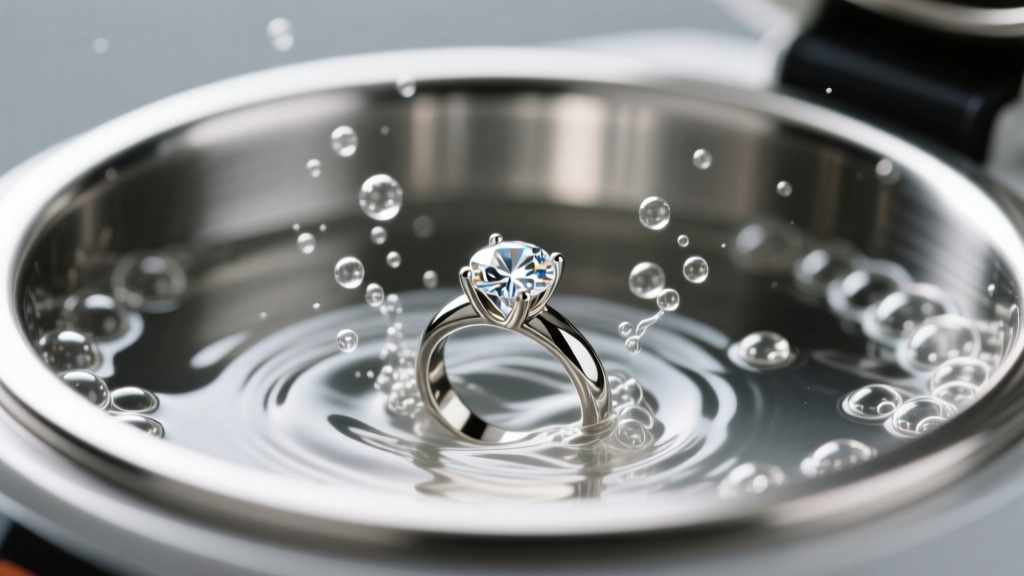
The Short Answer: Are Ultrasonic Jewelry Cleaners Safe?
When evaluating whether are ultrasonic jewelry cleaners safe for your collection, the answer is highly conditional. For durable metals and hard, unfractured gemstones, ultrasonic cleaners are incredibly safe and effective. However, for porous organics, fracture-filled stones, and soft metals, these machines can cause catastrophic, irreversible damage in a matter of seconds.
Ultrasonic cleaners operate using a process called cavitation. A transducer emits high-frequency sound waves (typically 42,000 Hz or 42kHz for jewelry) into a liquid solution. These waves create millions of microscopic vacuum bubbles that violently collapse against the jewelry's surface, blasting away dirt, oils, and lotion from microscopic crevices and under gemstone girdles. While this mechanical action is a miracle for diamond pavé, it is a wrecking ball for delicate inclusions.
The Danger Zone: Gemstones That Will Shatter
The Gemological Institute of America (GIA) strictly warns against using ultrasonic cleaners on any gemstone with a Mohs hardness below 7, or any stone that has been treated with oils, resins, or glass fillers. The high-frequency vibrations will shake fillers loose, causing the stone to cloud, crack, or completely shatter.
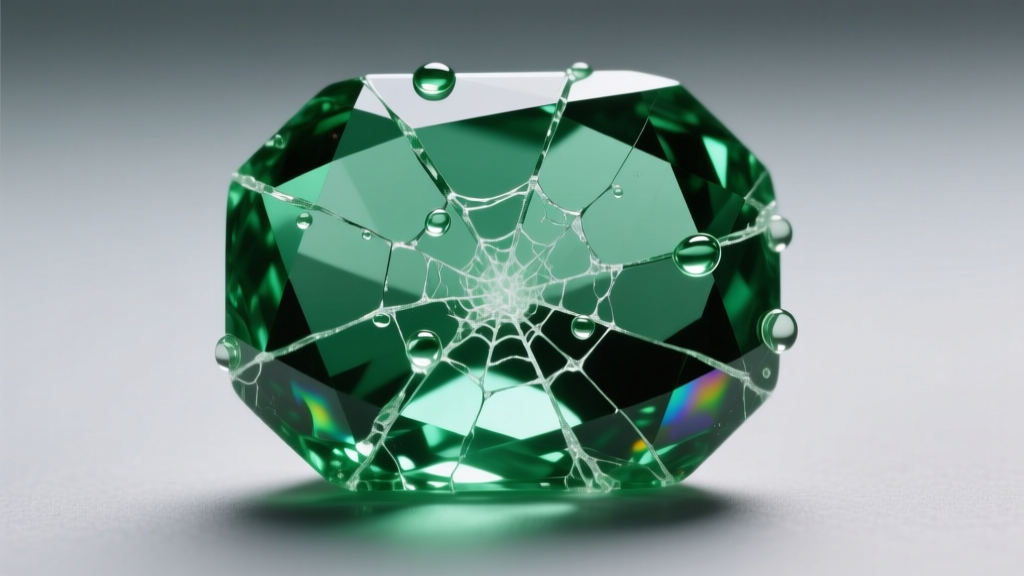
Ultrasonic Safety Chart by Gemstone
| Gemstone | Mohs Hardness | Ultrasonic Safe? | Failure Mode / Risk |
|---|---|---|---|
| Diamond | 10 | Yes | Safe, unless heavily included or fracture-filled. |
| Ruby / Sapphire | 9 | Yes (with caution) | Safe if untreated. Glass-filled or oiled stones will crack. |
| Emerald | 7.5 - 8 | NO | Almost all emeralds are cedar-oil treated. Ultrasonics strip the oil, revealing white fractures. |
| Opal | 5.5 - 6.5 | NO | Contains 3-10% water. Vibrations and heat cause 'crazing' (internal spiderweb cracking). |
| Pearl | 2.5 - 4.5 | NO | Organic material. The nacre will dissolve, pit, and lose its luster permanently. |
| Tanzanite | 6.5 - 7 | NO | Has perfect cleavage; vibrations can cause the stone to split along natural fault lines. |
| Turquoise | 5 - 6 | NO | Highly porous. Will absorb the cleaning solution and permanently discolor. |
What About Metals? Platinum, Gold, and Silver
Metals generally fare much better than gemstones, but the karat weight and plating thickness dictate safety. According to the American Gem Society, solid 14k and 18k gold, platinum, and 925 sterling silver are perfectly safe for ultrasonic cleaning. However, 24k gold is too soft and may scratch or warp under cavitation pressure.
The Rhodium Plating Warning: White gold is routinely plated with rhodium to achieve its bright white finish. While a quick 2-minute ultrasonic bath is fine, prolonged exposure (over 5 minutes) or frequent ultrasonic cleaning can cause micro-blistering and strip the rhodium plating prematurely, exposing the yellowish alloy beneath. Similarly, gold vermeil (a thick layer of gold over sterling silver) and gold-filled pieces should only be cleaned in very short bursts, as the acoustic waves can separate the bonded layers if the adhesion is already compromised.
Step-by-Step: How to Safely Clean Your Jewelry
If you have confirmed your pieces are safe for cavitation, follow this exact protocol to ensure optimal results without risking structural damage.
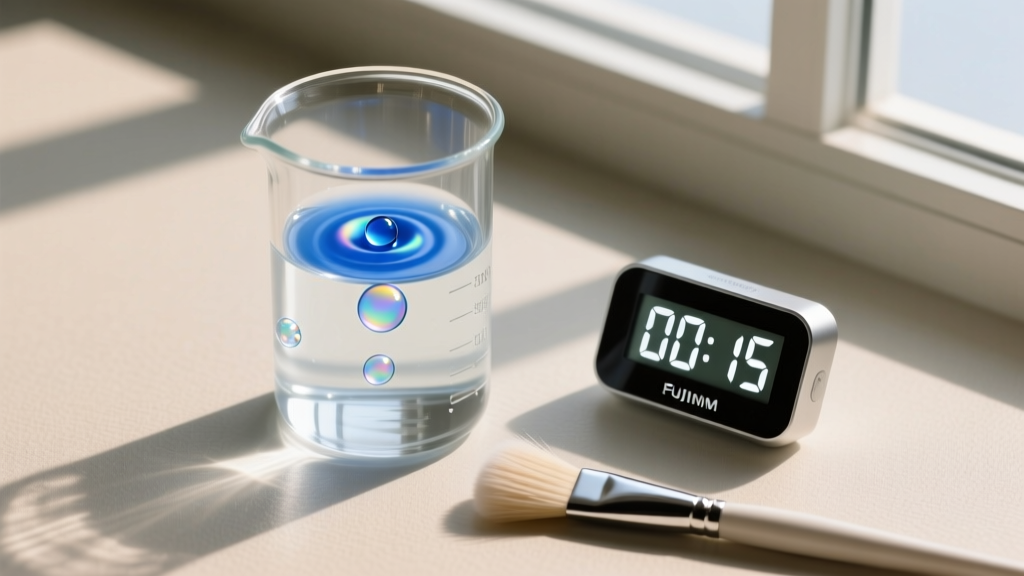
The 5-Minute Ultrasonic Cleaning Protocol
- Pre-Inspection (Crucial): Use a 10x jeweler's loupe to inspect the prongs and gemstone girdles. If a prong is lifted or a stone is loose, the ultrasonic vibrations will shake the stone out of its setting and into the bottom of the tank. Secure loose stones with a professional first.
- Prepare the Solution: Never use tap water, as the calcium and magnesium will leave hard water spots on your metals. Fill the tank with distilled water heated to about 100°F (38°C). Add exactly one drop of mild, ammonia-free dish soap (like Dawn) to break the water's surface tension.
- Load the Basket: Never drop jewelry directly onto the stainless steel floor of the tank; this can scratch the metal and damage the transducer. Always use the suspended plastic or wire basket provided with the machine. Do not overcrowd the basket—pieces should not touch each other.
- Set the Timer: Set the machine to a standard 42kHz frequency. Run the timer for exactly 2 to 3 minutes. Never exceed 5 minutes for standard maintenance cleaning.
- Rinse and Dry: Remove the basket. Rinse the jewelry under a gentle stream of lukewarm distilled water to remove dislodged grime and soap residue. Pat dry with a lint-free microfiber cloth. Use a hair dryer on the 'cool' setting to blow water out from under the gemstone settings.
Troubleshooting Common Ultrasonic Mistakes
Even experienced jewelry owners make critical errors when using these machines. Here are the most common failure modes and how to avoid them:
- The Galvanic Tarnish Transfer: Never clean sterling silver and gold in the same batch. When dissimilar metals are submerged in a conductive liquid (like soapy water) and subjected to an electrical field from the transducer, a mild galvanic reaction can occur. This can cause silver sulfide (tarnish) to transfer onto your gold pieces. Always clean one metal type at a time.
- Using Chemical Solvents: Never add bleach, ammonia, or commercial silver dip to an ultrasonic tank. The heat and cavitation will accelerate the chemical reactions, potentially pitting your metals, destroying pearl lusters, and releasing toxic fumes into the air.
- Ignoring the Tank Temperature: Most consumer ultrasonic cleaners generate ambient heat as the transducer runs. If you are doing multiple back-to-back batches, the water temperature can exceed 130°F. This extreme heat can damage temperature-sensitive stones like opals or cause thermal shock in included diamonds. Let the machine cool down between batches or swap the water.
When to Skip the Machine and See a Pro
Ultrasonic cleaners are exceptional for maintenance, but they cannot fix structural issues or remove heavy, oxidized tarnish from deep silver engravings. If your jewelry features intricate filigree that has accumulated decades of hardened polish and skin cells, or if your diamond rings have not been professionally inspected in over a year, skip the home machine. A professional jeweler will use a high-pressure steam cleaner and a microscope to ensure the integrity of your settings before performing a deep clean.
Expert Insight: "The biggest misconception is that ultrasonic cleaners sanitize jewelry. While they remove physical debris, they do not kill bacteria. For body jewelry or newly pierced earrings, always follow an ultrasonic clean with a proper chemical sterilization process or an autoclave cycle."
By understanding the specific material limits and adhering to a strict time-and-temperature protocol, you can safely harness the power of cavitation to keep your durable gems and precious metals looking showroom-new.


