Cleaning Cloth Jewelry Care: Budget vs Premium Value
Discover if premium cleaning cloth jewelry care is worth the cost. We compare microfiber vs. treated fabrics with a 2-year cost-per-use analysis.

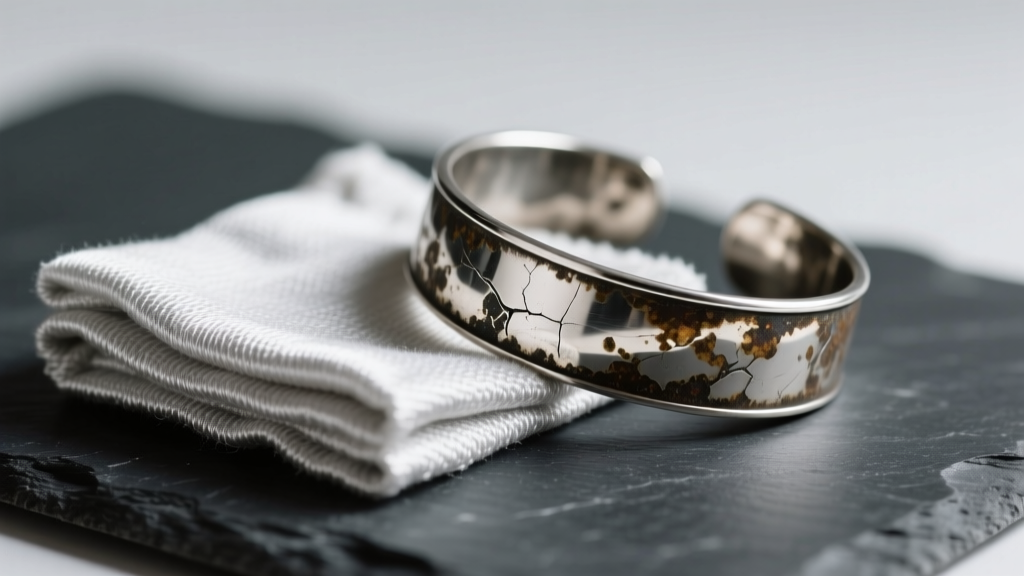
The True Cost of Polishing: Pennies vs. Premium
When building a comprehensive jewelry maintenance kit, the humble polishing cloth is often the most overlooked component. Consumers frequently assume that all fabrics perform identically, leading them to either overspend on heavily marketed luxury brands or underspend on abrasive materials that degrade precious finishes over time. Evaluating cleaning cloth jewelry care options requires looking past the packaging and examining the material science, cost-per-use metrics, and long-term impact on metal integrity.
In this budget and value assessment, we dissect the engineering behind standard microfiber, chemically treated silver cloths, and premium impregnated gold buffers. By analyzing failure modes and establishing a 2-year cost projection, we will determine exactly where your money is best spent—and where budget alternatives silently destroy your most valuable assets.
Material Breakdown: What Are You Actually Paying For?
The market is saturated with hundreds of cloth variations, but from a metallurgical and textile engineering standpoint, they fall into three distinct categories. Understanding the manufacturing process of each is critical to assessing their true value.
1. Standard Microfiber (The Budget Baseline)
True microfiber is a blend of polyester and polyamide (nylon), extruded through a split-fiber process that creates microscopic wedges. These wedges act like tiny shovels, lifting and trapping dust, oils, and particulate matter rather than pushing them across the metal surface.
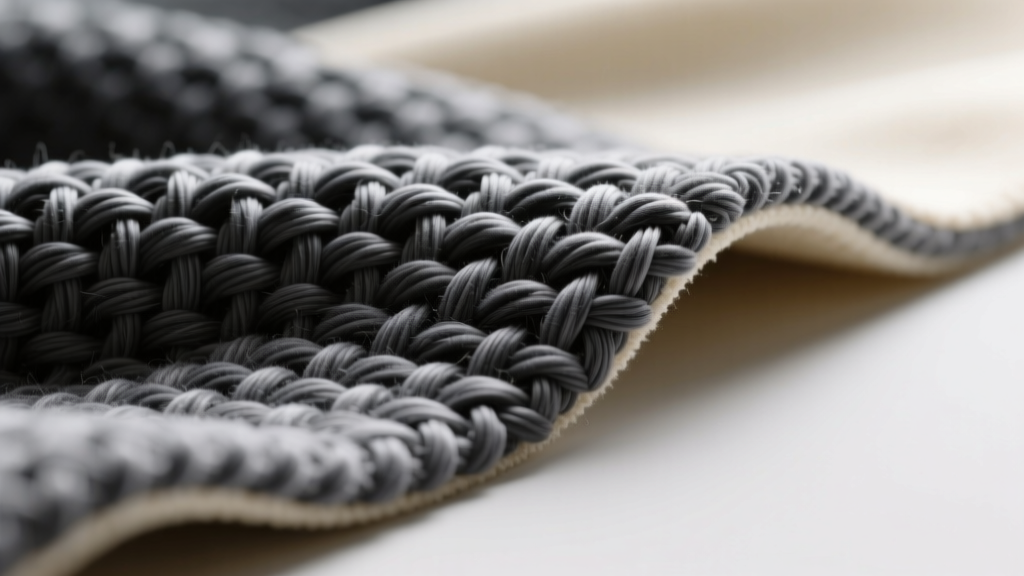
However, not all microfiber is created equal. Budget packs (often sold at $8 for a 10-pack) typically feature a 300 GSM (grams per square meter) density with serged, stitched edges. The low pile depth means trapped silica dust sits close to the surface, increasing the risk of micro-scratching. Premium microfiber cloths (like those from MagicFiber or high-end automotive detailing brands) boast an 800 GSM density and feature laser-cut, edgeless borders. The deeper pile safely suspends abrasive particles away from the metal, while the lack of stitching eliminates the primary cause of edge-scratching on high-polish gold and platinum.
2. Chemically Treated Polishing Cloths (The Tarnish Removers)
Brands like Connoisseurs and Hagerty dominate this space, charging between $8 and $15 for a single, dual-layer cloth. The inner layer is impregnated with specialized cleaning agents—often a mild jeweler's rouge (iron oxide) or proprietary anti-tarnish surfactants designed to break down silver sulfide (the black compound that forms when silver reacts with sulfur in the air). The outer layer is a soft flannel meant to buff the metal to a high shine.
Value Note: The black residue that appears on these cloths is not the cloth 'burning' or degrading; it is the oxidized tarnish being successfully removed. These cloths offer immense value for sterling silver but are entirely unnecessary—and potentially harmful—for platinum, titanium, or tungsten carbide, which do not oxidize in normal atmospheric conditions.
3. Impregnated Gold & Platinum Cloths (The Niche Premium)
Often priced upwards of $20, these specialized cloths contain extremely fine, non-abrasive polishing compounds formulated specifically for the Mohs hardness of gold (2.5–3) and platinum (4–4.5). They are designed to remove microscopic surface scratches without stripping the metal or damaging delicate rhodium plating on white gold.
Expert Warning: Never wash a chemically treated or impregnated polishing cloth. Water and detergent will strip the active polishing compounds and anti-tarnish agents, rendering the cloth useless. Only standard, untreated microfiber should be laundered (and never with fabric softener, which clogs the split-fiber wedges).
Cost-Per-Use Analysis: The 2-Year Projection
To accurately assess value, we must move beyond the initial purchase price and calculate the cost-per-use over a standard 24-month period, assuming a moderate cleaning routine of twice a month for a standard jewelry collection.
| Cloth Category | Initial Cost (Avg) | Lifespan & Maintenance | 2-Year Cost-Per-Use |
|---|---|---|---|
| Budget Microfiber (300 GSM, 10-pack) | $8.00 | 6 months (requires frequent washing due to low particle capacity) | $0.33 per use |
| Premium Edgeless Microfiber (800 GSM) | $15.00 (for 3-pack) | 2+ years (high particle capacity, machine washable) | $0.05 per use |
| Treated Silver Cloth (Dual-Layer) | $12.00 (Single) | 12-18 months (cannot be washed, replaced when saturated) | $0.25 per use |
| Premium Gold/Platinum Impregnated | $22.00 (Single) | 18-24 months (highly concentrated compounds) | $0.45 per use |
The Data Takeaway: While premium edgeless microfiber has a higher upfront cost than budget alternatives, its superior particle retention and washability make it the undisputed champion of long-term value for daily dust and oil removal. Treated cloths are a justifiable expense strictly for oxidized silver, but represent poor value if used as a general-purpose duster.
Failure Modes: When Cheap Cloths Ruin Expensive Metals
The most critical factor in budget assessment is risk mitigation. A $5 saving on a polishing cloth is entirely negated if the cloth inflicts $500 worth of damage to a luxury timepiece or heirloom ring. The primary failure mode of budget cleaning routines is silica-induced micro-abrasion.
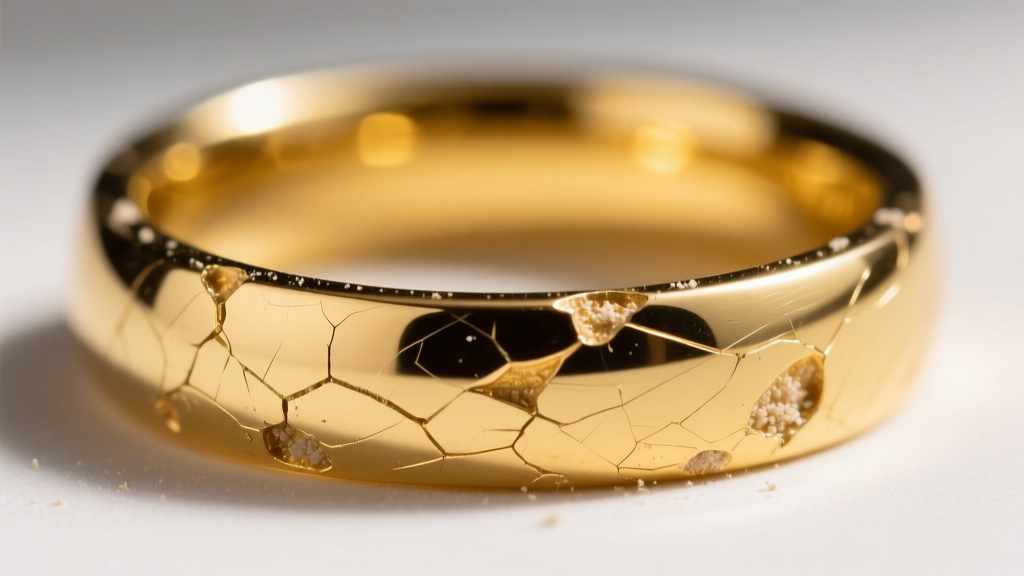
Household dust is heavily composed of quartz and silica particles, which rank at a Mohs hardness of 7. Sterling silver, 18k gold, and pure platinum all rank below 4.5 on the Mohs scale. When you use a thin, low-GSM budget cloth, the fabric lacks the depth to trap these silica particles. Instead, the cloth presses the hard dust directly into the soft metal, effectively sanding the jewelry with microscopic glass.
According to gemological care guidelines from the Gemological Institute of America (GIA), improper cleaning techniques are a leading cause of degraded metal finishes and loosened gemstone settings. Furthermore, using a treated silver cloth on gem-set jewelry can result in chemical damage. The mild abrasives that safely polish silver can permanently etch softer, porous gemstones like opals, pearls, and turquoise. For comprehensive care protocols across different materials, the GIA's Pearl Care guidelines explicitly warn against using standard silver polishing cloths on organic gems, as the chemical treatments will strip the pearl's delicate nacre luster.
The Rhodium Stripping Problem
White gold is naturally a pale yellow alloy; it achieves its bright, mirror-like silver appearance through a microscopic plating of rhodium, a metal harder and more expensive than platinum. Budget cloths with aggressive, poorly milled fibers, or treated cloths designed for heavy silver tarnish, act as a mild abrasive that accelerates the wear of this rhodium layer. If your white gold rings are turning yellow prematurely, your choice of polishing cloth is likely the culprit.
The Verdict: How to Allocate Your Cleaning Budget
A strategic approach to cleaning cloth jewelry maintenance requires abandoning the 'one-size-fits-all' mentality. To maximize both your budget and the lifespan of your collection, implement this tiered allocation framework:
- For Daily Wear & Dusting (Gold, Platinum, Titanium, Diamonds): Invest in a 3-pack of premium, 800 GSM edgeless microfiber cloths. Keep one in your travel bag, one at your desk, and one in your bathroom. Wash them monthly in warm water without fabric softener. This offers the lowest cost-per-use and the highest safety profile for hard gems and precious metals.
- For Sterling Silver & Oxidized Pieces: Purchase exactly one high-quality, dual-layer treated silver cloth (e.g., Hagerty or Connoisseurs). Use it exclusively for silver, store it in its original airtight plastic sleeve to prevent the chemicals from drying out, and replace it only when it turns entirely black and stiff. Do not use it near gemstone settings.
- For High-End Watches & Heirloom Gold: If you own luxury timepieces with high-polish bezels or heirloom gold pieces with deep micro-scratches, allocate funds for a specialized impregnated gold cloth or, better yet, bypass cloths entirely and budget for an annual professional ultrasonic cleaning and hand-polishing by a certified bench jeweler.
Ultimately, the value of a jewelry polishing cloth is not measured by its price tag, but by its ability to preserve the metallurgical integrity of your pieces. By matching the textile engineering to the specific Mohs hardness and chemical properties of your jewelry, you transform a mundane chore into a precise, value-preserving science.


