Finding the Best Jewelry Cleaner at Home: 2026 Buyer Guide
Discover how to choose the best jewelry cleaner at home. Compare ultrasonic, steam, and chemical options with our expert 2026 buying framework.

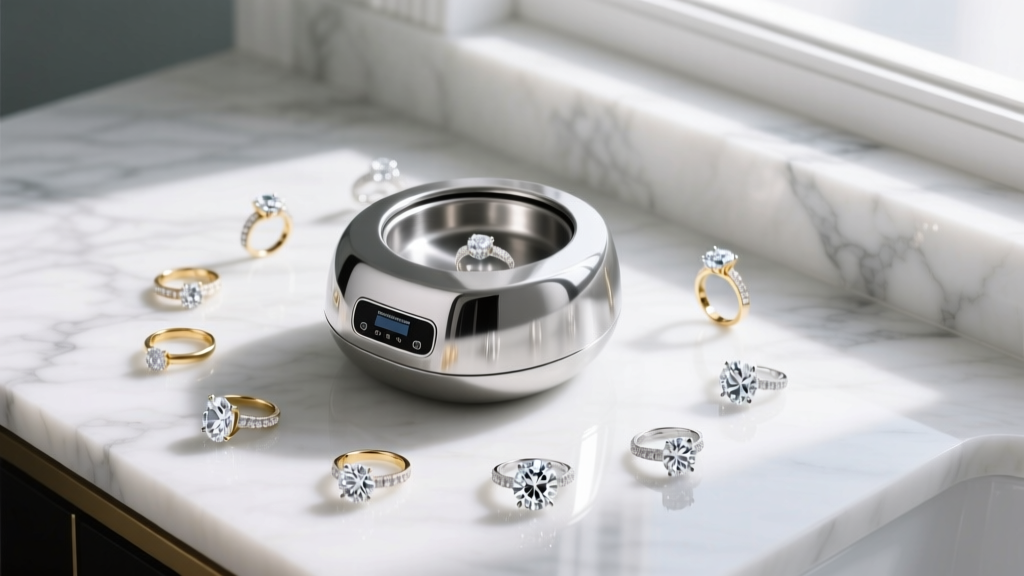
The Shift Toward Professional-Grade At-Home Care
The landscape of jewelry maintenance has evolved dramatically. Gone are the days when consumers relied on abrasive DIY hacks like baking soda pastes or toothpaste, which inevitably cause micro-scratches on precious metals. As we navigate 2026, the demand for a reliable jewelry cleaner at home has surged, driven by a desire for professional-grade results without the recurring costs of bench jeweler visits. With professional ultrasonic and steam cleaning services averaging $35 to $75 per visit at retail jewelers, the return on investment for a premium domestic setup is realized within just a few months.
However, the market is saturated with gimmicks. Finding the right tool requires a fundamental understanding of gemology, metallurgy, and the specific mechanics of cleaning technologies. Whether you are maintaining a daily-wear platinum engagement ring or a delicate vintage pearl necklace, selecting the proper equipment is critical. The wrong choice can loosen prongs, strip gemstone treatments, or pit soft gold alloys. This comprehensive buying guide breaks down the exact specifications, material compatibilities, and technological frameworks you need to evaluate before investing in an at-home cleaning system.
Ultrasonic vs. Steam vs. Chemical: The Core Technologies
To make an informed purchase, you must first understand the three primary cleaning modalities available for domestic use. Each operates on a different physical or chemical principle, making them suitable for distinct categories of jewelry.
| Technology | Mechanism of Action | Best For | Avoid Using On | Average Price Range |
|---|---|---|---|---|
| Ultrasonic | High-frequency sound waves create cavitation bubbles that implode, dislodging microscopic debris. | Diamonds, sapphires, rubies, and heavy platinum settings. | Emeralds, opals, pearls, and fracture-filled stones. | $45 - $150 |
| Steam | Pressurized, superheated water vapor blasts away oils and lotions from hard-to-reach pavilions. | Intricate pave settings, hard gemstones, and plain metal bands. | Any porous gem, heat-treated stones, or soft synthetics. | $80 - $250 |
| Chemical (Liquid) | Surfactants lower the surface tension of water, emulsifying oils and lifting dirt via gentle agitation. | Delicate gems, antique jewelry, and routine weekly maintenance. | None, if the pH is correctly matched to the gemstone. | $10 - $35 |
Material Compatibility: The Mohs Scale and Treatment Vulnerabilities
The most common mistake consumers make when buying a jewelry cleaner at home is assuming that all gemstones can withstand the same environmental stressors. According to the Gemological Institute of America (GIA), a stone's position on the Mohs hardness scale is only one factor; its toughness and any artificial treatments are equally vital.
Diamonds, Corundum, and Hard Stones
Diamonds (Mohs 10), rubies, and sapphires (Mohs 9) possess exceptional hardness and toughness, making them ideal candidates for ultrasonic cavitation and high-pressure steam. However, you must inspect the setting first. If a diamond has been fracture-filled with a glass-like substance to improve its clarity, ultrasonic waves can shatter the filler, leaving the stone cloudy and structurally compromised. For standard, untreated diamonds set in 14k or 18k gold, a 42 kHz ultrasonic cleaner is highly effective at removing the sebum and cosmetic buildup that dulls a stone's brilliance.
Porous and Fracture-Filled Gems
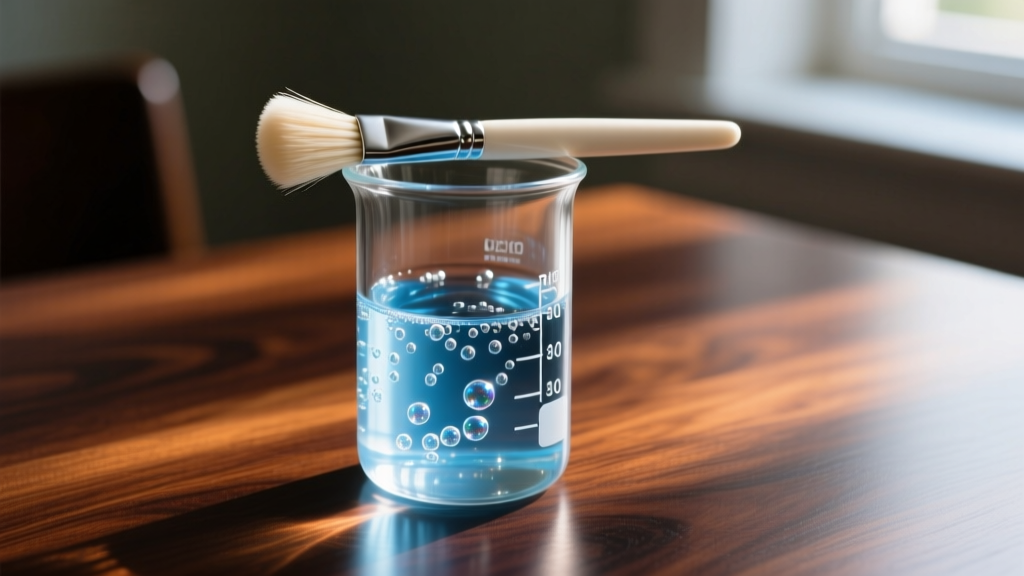
Organic gems like pearls (Mohs 2.5-4.5), coral, and amber, as well as highly included stones like emeralds, require an entirely different approach. Emeralds are almost universally treated with cedar oil or synthetic resins to mask surface-reaching fractures. The Federal Trade Commission (FTC) notes that harsh chemical solvents and ultrasonic heat can dissolve these oils, drastically reducing the stone's visual appeal and market value. For these materials, your at-home arsenal should strictly consist of pH-neutral, non-ionic liquid surfactants applied with a soft, natural-bristle brush.
Key Specifications to Evaluate Before Purchasing
When shopping for hardware, look past the marketing jargon and scrutinize the technical specifications. Here is the decision framework used by bench jewelers to evaluate at-home equipment:
- Ultrasonic Frequency (kHz): Opt for machines operating between 35 kHz and 42 kHz. Frequencies below 30 kHz produce larger cavitation bubbles that are too aggressive for jewelry and can cause pitting on soft metals like 22k gold or sterling silver. Higher frequencies (40+ kHz) generate smaller, gentler bubbles that safely penetrate intricate pave settings without damaging the metal.
- Tank Dimensions and Basket Depth: A common flaw in budget models is a shallow tank. Ensure the interior basket depth is at least 2.5 inches. If your jewelry touches the bottom of the stainless steel tank during operation, the direct vibration can scratch the metal and dampen the cavitation effect.
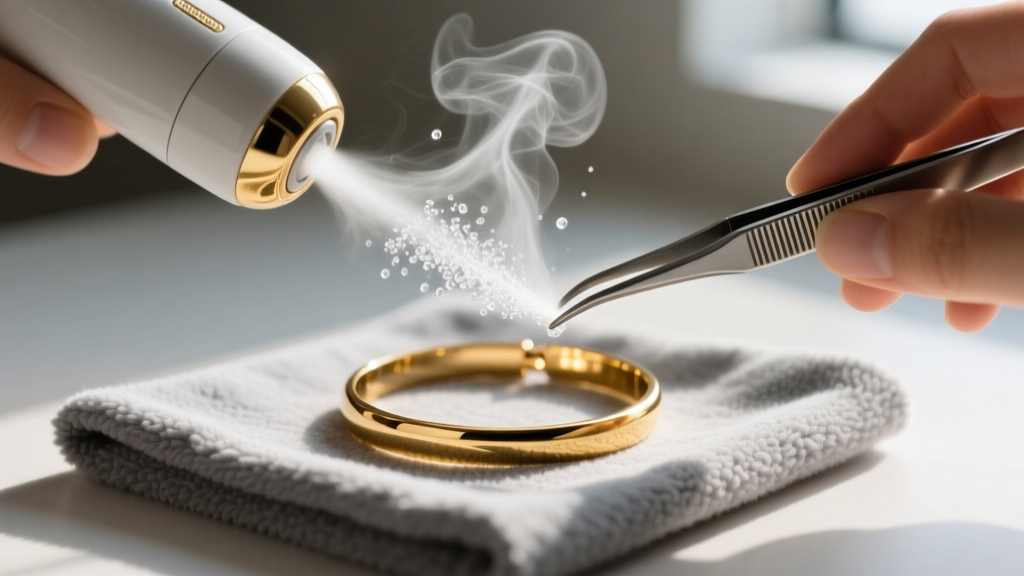
- Steam Pressure (PSI): For steam cleaners, look for a minimum operating pressure of 50 PSI (roughly 3.5 bar). Lower pressure units simply output hot, wet mist, which leaves water spots and fails to dislodge impacted grime from under the girdle of a gemstone. Premium domestic units operate at 65 PSI, mimicking commercial bench units.
- Heating Elements and Auto-Shutoff: Ultrasonic cleaners with integrated ceramic heating elements can warm the solution to roughly 104°F (40°C), which significantly accelerates the breakdown of body oils. Ensure the unit features an automatic thermal shutoff to prevent the solution from boiling and damaging heat-sensitive stones.
- Chemical Surfactant Profile: When purchasing liquid concentrates, scrutinize the ingredient list for non-ionic surfactants. Avoid products relying heavily on alkaline builders (pH above 9) or ammonia, which can oxidize the copper alloys in rose gold and degrade the nacre of cultured pearls over time.
Building Your Comprehensive Maintenance Arsenal
Ultimately, no single device serves as a panacea for every piece in your collection. The most effective approach to jewelry maintenance in 2026 is a tiered system. Invest in a high-quality 42 kHz ultrasonic cleaner for your durable, everyday pieces like diamond solitaires and sapphire tennis bracelets. Pair this with a specialized, ammonia-free liquid cleaning solution for your porous gems, antique filigree, and pearls.
By prioritizing technical specifications—such as correct kHz frequencies, adequate PSI, and pH-balanced chemistry—over flashy marketing claims, you can safely replicate professional bench results in your own bathroom. Consult the American Gem Society (AGS) guidelines whenever you acquire a new, unfamiliar gemstone, and your at-home cleaning routine will preserve both the structural integrity and the optical brilliance of your jewelry for decades to come.


