How to Clean Antique Jewelry Safely: Era-Specific Guide
Learn how to clean antique jewelry safely without damaging patina or fragile gems. Step-by-step methods for Victorian, Edwardian, and Art Deco pieces.

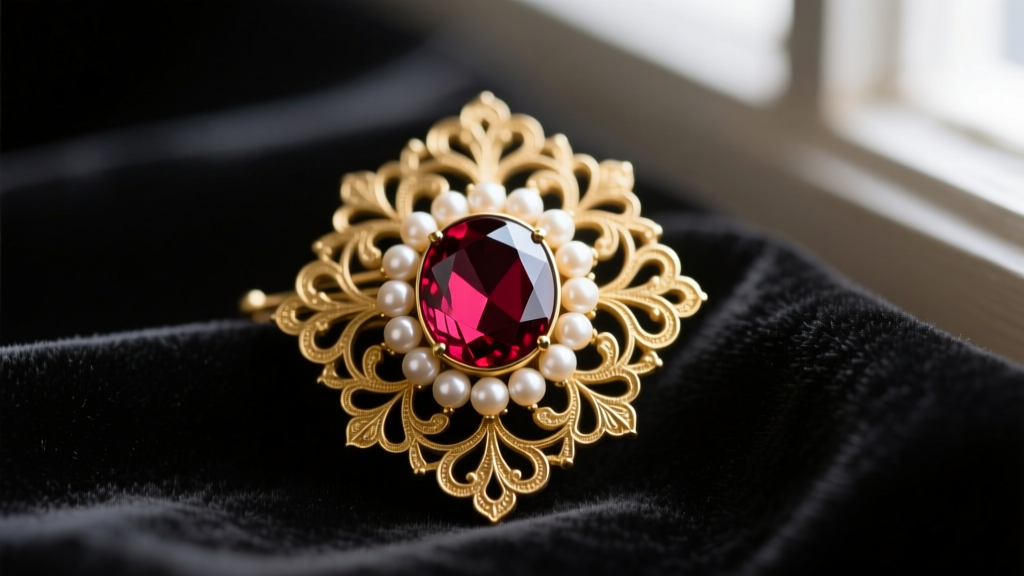
The Paradigm Shift: Why Antique Jewelry Requires a Different Approach
As of 2026, the antique jewelry market has seen a massive surge in collectors seeking unpolished, original-condition pieces. If you are researching how to clean antique jewelry, the first step is unlearning modern jewelry care habits. Antique jewelry—strictly defined as pieces over 100 years old—was crafted using historical metallurgical techniques, fragile closed-back settings, and organic gemstones that simply cannot withstand contemporary cleaning methods. According to conservation guidelines from the Victoria and Albert Museum (V&A), improper cleaning is the leading cause of irreversible damage to historical adornments.
The Golden Rule: Preserve the Patina
Patina is not dirt; it is a historical record. On antique silver and gold, the darkened oxidation (tarnish) that settles into the crevices of hand-engraved or repoussé designs provides crucial contrast. This contrast highlights the artisan's original craftsmanship. Stripping a Victorian silver locket or an Edwardian platinum brooch of its patina using commercial silver dips or aggressive polishing can reduce its historical and monetary value by 20% to 40%. When you clean antique jewelry, your goal is solely to remove surface oils, dead skin cells, and environmental dust—not to reset the metal's oxidation clock.
Identify Your Era and Materials Before Cleaning
Before applying any cleaning method, you must identify the era and material composition of your piece. The Gemological Institute of America (GIA) emphasizes that gemstone porosity and setting styles dictate the cleaning protocol. Review the matrix below to understand the specific vulnerabilities of your antique piece.
| Era (Approx.) | Common Metals | Typical Gemstones | Primary Vulnerabilities |
|---|---|---|---|
| Georgian (1714-1837) | Silver, 18k Gold | Foil-backed garnets, topaz, paste glass | Water destroys foil backings; closed-back settings trap moisture causing internal rot. |
| Victorian (1837-1901) | Yellow Gold, Silver | Seed pearls, coral, jet, amethyst, turquoise | Porous gems absorb chemicals; seed pearls and jet dissolve or crack when exposed to acids. |
| Edwardian (1901-1915) | Platinum, Gold | Diamonds, sapphires, pearls | Platinum is highly durable, but delicate lace-like filigree bends easily under pressure. |
| Art Deco (1920-1935) | Platinum, White Gold | Calibré-cut onyx, emeralds, rubies | Onyx is highly brittle; emeralds are heavily oiled and fracture if exposed to heat or solvents. |
The Danger Zone: Foil-Backed and Porous Gemstones
The most catastrophic failure mode in antique jewelry cleaning involves Georgian and early Victorian foil-backed gemstones. Artisans placed thin leaves of silver or copper foil behind the gemstone to reflect light and enhance color. These stones are almost always set in closed-back bezels. If even a single drop of water or liquid cleaner breaches the setting, the foil will instantly oxidize, turning black and permanently ruining the stone's brilliance. Similarly, porous organic gems like turquoise, malachite, coral, and pearls act like microscopic sponges, absorbing soaps and oils that cause permanent discoloration and structural degradation.
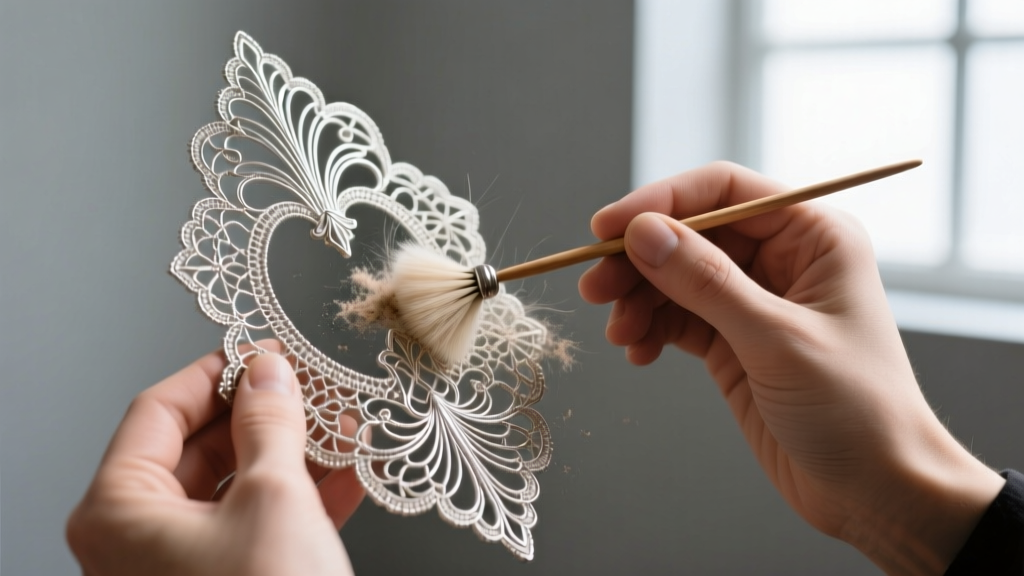
Step-by-Step: The Dry Cleaning Method (Safest for 90% of Antiques)
For the vast majority of antique jewelry—especially pieces with foil-backed stones, porous gems, or heavy patina—the dry cleaning method is the only safe option. This process removes abrasive dust and skin oils without risking chemical or moisture damage.
- Inspect with a 10x Loupe: Before touching the piece, examine it under magnification. Look for cracked gemstones, loose prongs, or weakened solder joints. If you see a stone rattling or a prong lifted, stop immediately and take it to a professional.
- Dust with a Baby Hairbrush: Use a brand-new, extra-soft baby hairbrush or a dedicated, clean makeup brush. Gently sweep the surface and the crevices to dislodge loose dust and dead skin cells. Never use a standard toothbrush, as the bristles are too stiff and can scratch high-karat gold or soft stones like opals.
- Clear Crevices with Wood: For impacted grime in intricate filigree or engraving, use a blunt wooden skewer or a wooden toothpick. Never use metal needles or safety pins. Metal tools will easily gouge 18k gold, silver, and platinum, leaving permanent, visible scratches.
- Buff with Untreated Microfiber: Using a clean, untreated microfiber cloth (free of any chemical polishing compounds), gently buff only the high points of the metal. Avoid pressing directly onto gemstone settings to prevent stressing antique prongs.
Step-by-Step: The Damp Cloth Method (For Stable Metals and Non-Porous Stones)
This method is strictly reserved for later antique periods (late Victorian to Art Deco) featuring stable, non-porous gemstones (diamonds, rubies, sapphires) set in platinum or solid gold with open-back settings.
- Mix a Gentle Solution: In a small glass bowl, mix lukewarm distilled water with a single drop of pH-neutral, fragrance-free dish soap. Avoid tap water, as chlorine and hard water minerals can leave microscopic deposits.
- Dampen, Do Not Soak: Dip a soft cotton swab or a lint-free microfiber pad into the solution and wring it out until it is barely damp. You want moisture on the cloth, not dripping water.
- Wipe the Gemstones: Gently wipe the crowns and facets of the diamonds or sapphires to remove facial oils and lotions that dull their refractive index.
- Dry Immediately: Use a dry, lint-free cloth to immediately absorb any residual moisture. Allow the piece to air-dry completely on a paper towel for an hour before storing it in an acid-free tissue-lined box.
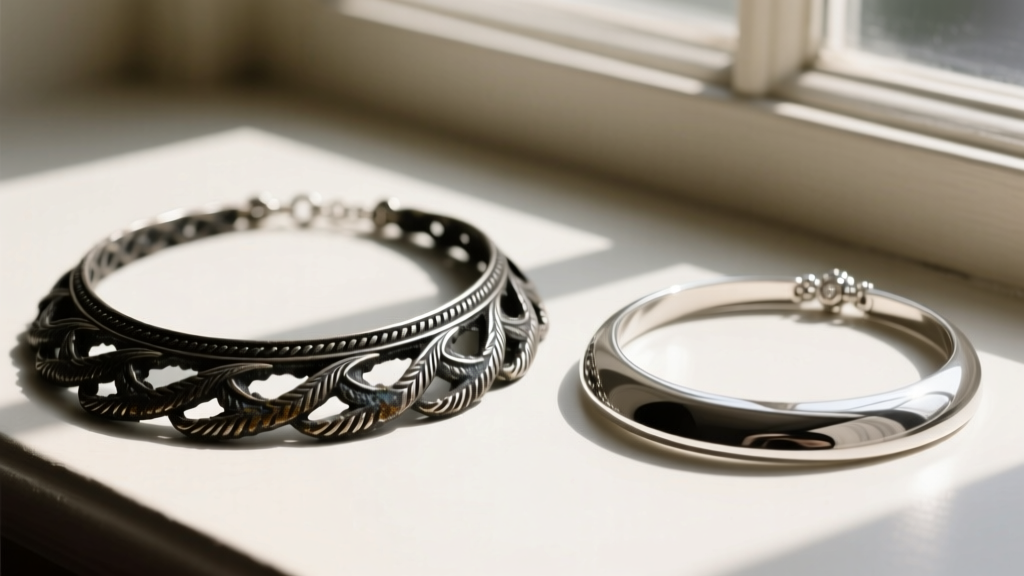
What NEVER to Do: Modern Cleaning Traps
To safely maintain antique jewelry, you must actively avoid modern cleaning conveniences. These methods are engineered for contemporary, mass-produced jewelry and are highly destructive to historical pieces.
- Ultrasonic Cleaners: These machines use 40kHz sound waves to create microscopic cavitation bubbles. In antique jewelry, these violent vibrations will shatter included diamonds, crack brittle calibré-cut onyx, and shake loose the fragile, historically significant solder joints holding the piece together.
- Baking Soda and Aluminum Foil Baths: This popular DIY internet hack relies on an ion-exchange chemical reaction that strips all oxidation. It will completely erase a century of patina in seconds and leave the metal looking harsh, flat, and artificially white.
- Commercial Silver Dips: Thiourea-based liquid dips are highly acidic. While they remove tarnish instantly, they leave behind microscopic crystalline salts deep within the metal's pores. Over the next few years, these salts will cause severe, irreversible corrosive pitting.
When to Seek a Professional Conservator
There is a distinct difference between a standard mall jeweler and an antique jewelry conservator. If your piece requires deep grime removal, prong tightening, or restringing (especially for Victorian seed pearl or jet necklaces), bypass the standard retail counter. Seek out a jeweler certified in historical conservation or a specialist affiliated with a recognized antique jewelry society. Professional conservation cleaning typically ranges from $85 to $150 per hour, depending on the complexity of the piece and the materials involved. This investment ensures that the historical integrity, structural stability, and market value of your heirloom are preserved for the next century.


