What Can You Clean Jewelry With? A 2026 Gift Guide
Discover what can you clean jewelry with in our 2026 gift guide. Match ultrasonic cleaners, polishing kits, and solutions to every special occasion.

The Art of Gifting Jewelry Care
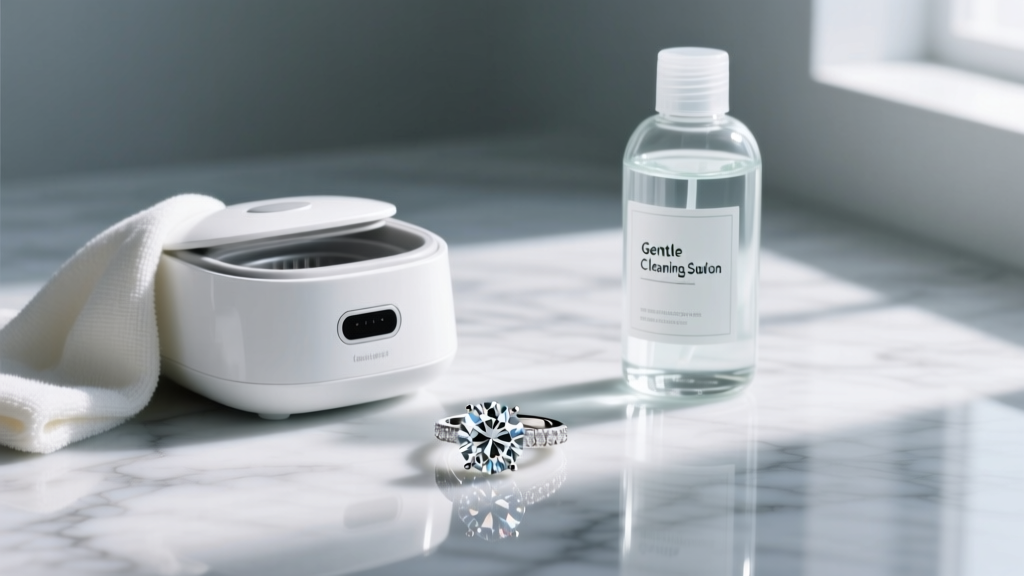
Gifting fine jewelry is a timeless tradition, but gifting the means to preserve it is a masterstroke of thoughtfulness. When friends and family ask, what can you clean jewelry with, the answer is rarely a one-size-fits-all solution. A diamond solitaire requires vastly different care than a porous turquoise cabochon or an oxidized silver signet ring. As we navigate the 2026 gifting season, the most coveted presents are those that combine luxury with practical longevity.
This guide transcends generic advice. We are breaking down the exact tools, chemical compositions, and technological devices you can gift, matched precisely to the recipient's lifestyle and the specific occasions that call for them.
The Ultimate Occasion-to-Cleaner Gift Matrix
Before selecting a specific brand or solution, use this matrix to align your gift with the recipient's jewelry habits and the occasion you are celebrating.
| Occasion | Recipient Profile | Ideal Cleaning Gift | Price Range | Key Feature to Look For |
|---|---|---|---|---|
| Engagement / Anniversary | Daily diamond or sapphire wearer | Professional-Grade Ultrasonic Cleaner | $80 - $150 | SUS304 Stainless Steel Tank |
| College Graduation | Young professional, frequent traveler | Portable Pen Cleaners & Travel Kits | $25 - $45 | Leak-proof, TSA-compliant sizing |
| Retirement / Milestone | Vintage collector, heirloom owner | Specialized Chemical Dips & Creams | $30 - $60 | Ammonia-free, anti-tarnish strips |
| Holiday / Stocking Stuffer | Minimalist, everyday silver wearer | Treated Polishing Cloths | $10 - $20 | Impregnated with micro-abrasives |
The Engagement & Anniversary: High-End Ultrasonic Cleaners
For the newly engaged or the partner celebrating a decade of marriage, an ultrasonic jewelry cleaner is the gold standard. But not all sonic waves are created equal. When researching what can you clean jewelry with safely at home, you must look at the frequency and tank construction.
Technical Specs That Matter
- Frequency: Look for 42,000 Hz to 45,000 Hz. Lower frequencies (like 20kHz) create larger cavitation bubbles that can actually fracture included diamonds or loosen pavé settings. Higher frequencies provide a gentler, more thorough clean for intricate milgrain details.
- Tank Material: The tank must be SUS304 stainless steel. Cheaper models use plastic liners or lower-grade steel that will pit and rust when exposed to slightly acidic jewelry cleaning solutions or hard water.
- Wattage: A 35W to 50W transducer is ideal for personal use. Anything higher risks damaging softer gemstones.
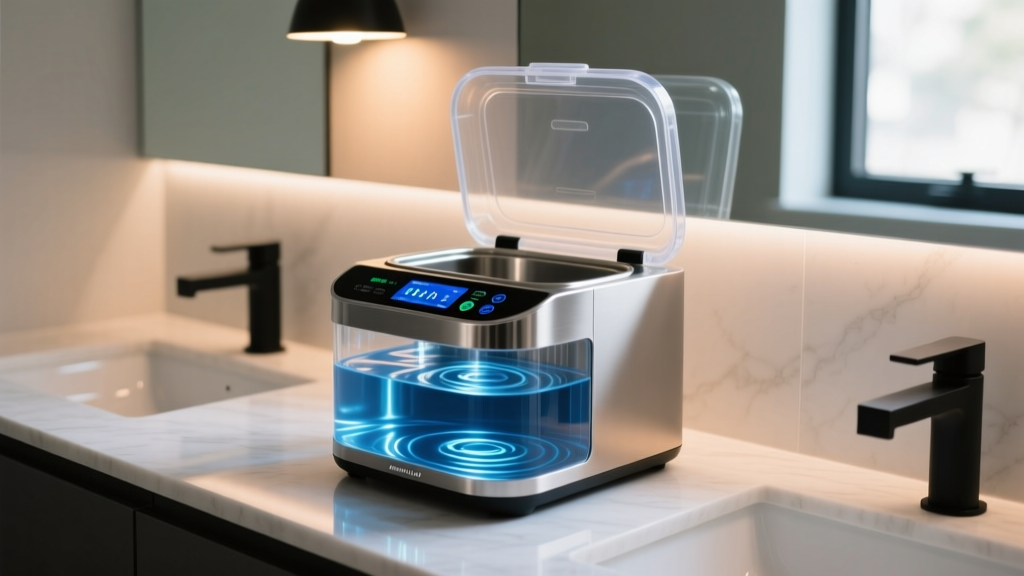
Top Gifting Pick: The iSonic P4820 or the Magnasonic Professional Ultrasonic Cleaner. Both feature digital timers (crucial for preventing over-cleaning) and include specialized watch bridges to keep timepiece crowns out of the water while the bracelet is submerged.
The Graduate & Young Professional: Portable & Travel Solutions
Recent graduates entering the corporate world often wear daily-driver pieces—think small diamond studs, simple gold hoops, or a signature signet ring. They need quick, on-the-go maintenance that fits into a busy schedule or a carry-on bag.
Dazzle Drops and Pen Cleaners
Traditional liquid dips are messy and prone to spilling. Instead, gift a concentrated solution system like Connoisseurs Dazzle Drops. These are concentrated pods that you drop into a provided mixing bowl with warm water. They are ammonia-free and safe for almost all precious metals and hard gemstones.
For the ultimate stocking stuffer or desk accessory, consider a jewelry cleaning pen. These feature a brush tip and a twist-dispense mechanism filled with a mild, non-toxic surfactant. They allow the wearer to quickly scrub away hand lotion and sebum buildup from the pavilion (underside) of a gemstone right before a big presentation or date night.
The Vintage Collector: Specialized Chemical & DIY Solutions
Collectors of estate jewelry, antique silver, and oxidized pieces require a highly curated approach. Gifting them a generic 'all-purpose' cleaner is a cardinal sin; it can strip the highly prized patina from a Victorian mourning ring or ruin the intentional oxidation on a modern artisan piece.
"When dealing with antique silver, the goal is to remove sulfur-induced tarnish without stripping the microscopic layer of oxidized silver that gives the piece its historical depth and contrast." — Master Silversmith Guild Guidelines
Curating a Chemical Care Package
Build a bespoke kit for the collector. According to the American Gem Society, matching the chemical to the metal is paramount.
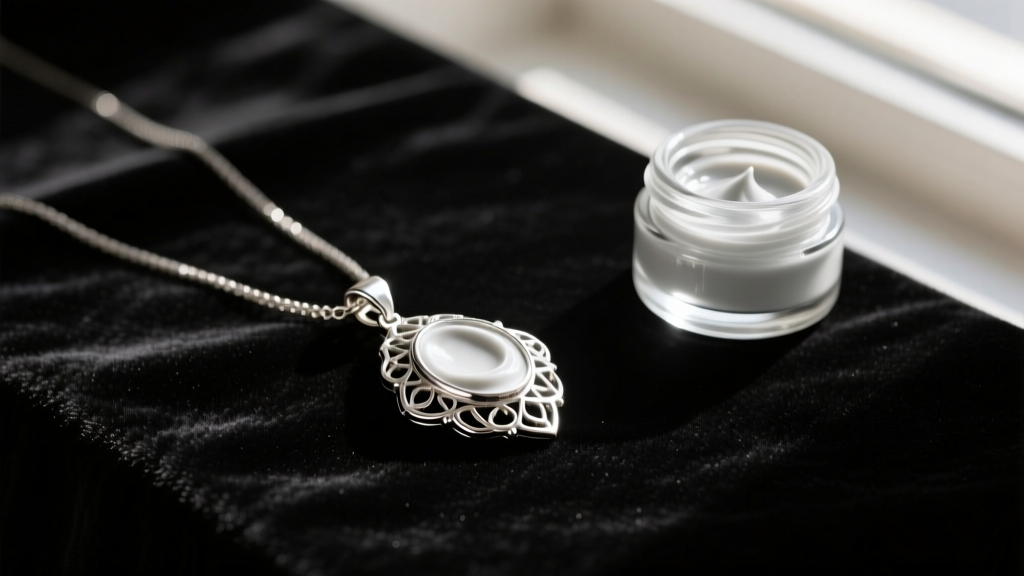
- Wright's Silver Cream: A mild, non-scratching abrasive that requires manual application. Perfect for heavy tarnish on solid silver flatware or chunky cuff bracelets.
- Hagerty Silversmiths' Pump Polish: A liquid spray that leaves a micro-thin anti-tarnish barrier, slowing down future oxidation.
- 3M Anti-Tarnish Strips: The ultimate accessory gift. These absorb airborne sulfur and hydrogen sulfide inside a jewelry box, preventing tarnish before it starts.
Expert Troubleshooting: Gemstone-Specific Cleaning Rules
When a recipient asks what can you clean jewelry with, the metal is only half the equation. The gemstone dictates the chemical and mechanical limits. Gifting a cleaning kit without considering the Mohs hardness and chemical tolerance of the stones is a recipe for disaster.
The 'Never Ultrasonic' List
Include a beautifully printed 'Care Card' with your gift that outlines these critical exceptions, referencing data from the Gemological Institute of America (GIA):
- Emeralds (Mohs 7.5-8): Almost all commercial emeralds are fracture-filled with cedar oil or Opticon. Ultrasonic waves and ammonia-based cleaners will dissolve the filler, leaving the stone looking cloudy and heavily fractured.
- Opals (Mohs 5.5-6.5): Opals contain up to 20% water. The heat generated by ultrasonic transducers or harsh chemical dips can cause 'crazing' (internal cracking) and destroy the play-of-color.
- Tanzanite (Mohs 6.5-7): Perfect cleavage in one direction makes tanzanite highly susceptible to shattering under the microscopic shockwaves of an ultrasonic tank.
- Pearls & Coral (Mohs 2.5-4): Organic gemstones are highly porous and easily dissolved by the mild acids found in many commercial jewelry dips. They should only be wiped with a damp, soft cloth.
The Minimalist: Professional Cleaning Vouchers
Sometimes, the best answer to 'what can you clean jewelry with' is 'a professional's expertise.' For the minimalist who despises clutter and DIY maintenance, a physical cleaning kit is an unwanted chore.
Instead, gift a premium voucher for a local, reputable bench jeweler. Look for a shop that offers a 'Spa Day' package, which typically includes:
- Ultrasonic and steam cleaning.
- Prong tightening and rhodium re-plating (for white gold).
- Microscopic inspection of the setting integrity.
Present the voucher in a heavy-stock envelope alongside a single, high-quality Sunshine Polishing Cloth for interim maintenance. This cloth uses a proprietary embedded micro-abrasive that safely removes tarnish from gold, silver, and platinum without the need for any liquids.
Final Gifting Thoughts for 2026
Answering the question of what can you clean jewelry with requires a nuanced understanding of materials science and the recipient's daily habits. By moving away from generic, one-bottle-fits-all solutions and instead gifting targeted, high-quality care systems—from 45kHz ultrasonic tanks to specialized anti-tarnish environments—you are giving the gift of permanence. You are ensuring that the pieces they love continue to catch the light, and hold their memories, for generations to come.


