Professional Ultrasonic Jewelry Cleaner: 2026 Value Guide
Is a professional ultrasonic jewelry cleaner worth the investment? We break down costs, frequencies, and ROI for home versus commercial use.

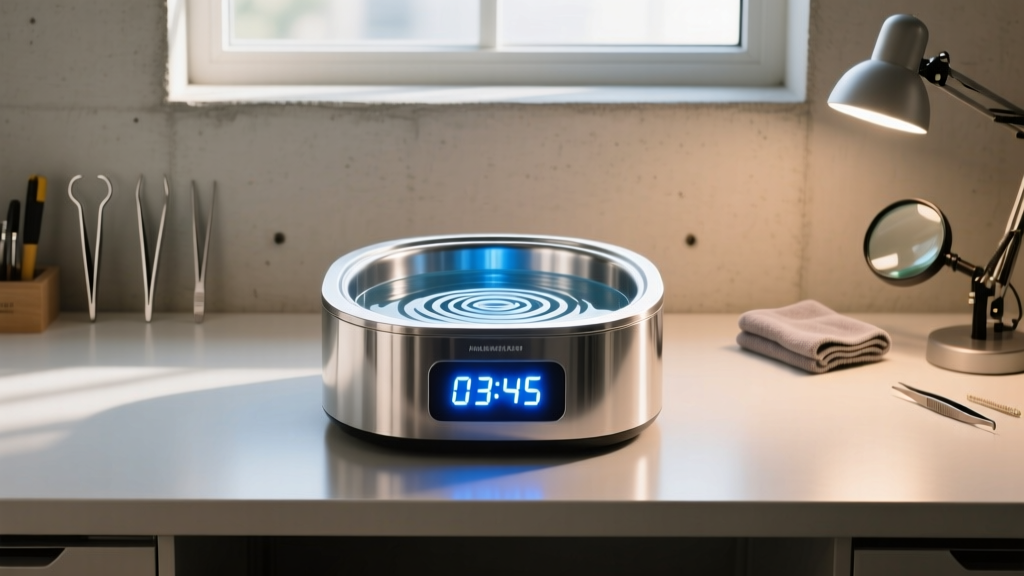
The Transducer Divide: Why Budget Models Fail
When evaluating a professional ultrasonic jewelry cleaner in 2026, the market is heavily saturated with sub-$50 consumer gadgets that promise bench-jeweler results. However, the true value of an ultrasonic cleaner lies beneath the stainless steel tank. The core component is the transducer, which converts high-frequency electrical energy into mechanical acoustic waves. Budget models typically use cheap piezoelectric ceramics bonded with low-grade epoxy. When the built-in heating element pushes the water bath past 50°C (122°F)—the optimal temperature for activating jewelry cleaning surfactants—this epoxy softens and delaminates. The result is an acoustic impedance mismatch, rendering the tank effectively dead within a few months.
In contrast, a genuine professional ultrasonic jewelry cleaner utilizes industrial-grade Lead Zirconate Titanate (PZT) transducers. These are silver-soldered directly to the underside of the SUS304 or SUS316L stainless steel tank. This metallurgical bond ensures consistent acoustic transmission even at sustained 80°C (176°F) operating temperatures. While a consumer unit might cost $40, a prosumer or commercial unit from brands like Sharpertek, Omtech, or iSonic ranges from $180 to $850. Understanding this hardware divide is the first step in assessing long-term value.
Frequency Matrix: Matching kHz to Your Metals
Ultrasonic frequency, measured in kilohertz (kHz), dictates the size and aggressiveness of the cavitation bubbles. Lower frequencies produce larger, more energetic bubbles that blast away heavy tarnish and polishing compound residue. Higher frequencies generate microscopic bubbles that penetrate intricate pavé settings and filigree without risking structural damage to delicate micro-prongs.
| Frequency | Bubble Size | Best Applications | Risk Level | Price Tier |
|---|---|---|---|---|
| 40 kHz | Large | Platinum, 14k/18k Gold, Stainless Steel, Heavy Tarnish | Moderate | $ |
| 80 kHz | Medium | Fine Jewelry, Pavé Diamonds, Intricate Filigree | Low | $$ |
| 120 kHz | Micro | Antique Foiled Stones, Optical Lenses, Ultra-Delicate | Very Low | $$$ |
For a comprehensive home collection, a dual-frequency unit (switching between 40 kHz and 80 kHz) offers the highest value, eliminating the need to purchase multiple single-frequency tanks.
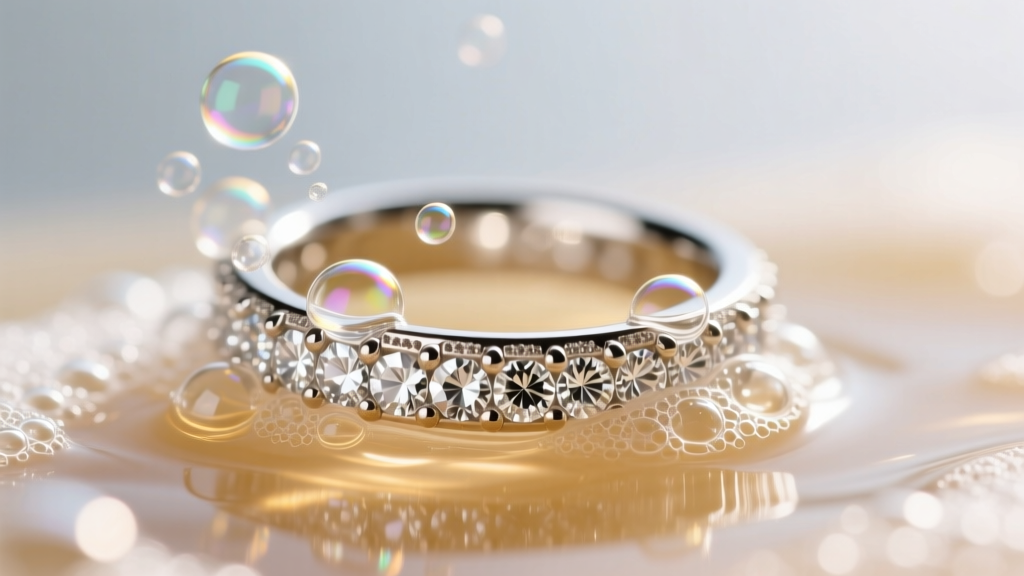
The Hidden Costs of Gemstone Destruction
The most expensive mistake a jewelry enthusiast can make is treating an ultrasonic cleaner as a universal solution. Cavitation—the rapid formation and violent collapse of microscopic vacuum bubbles in the liquid—generates localized shockwaves. According to the GIA Gem Encyclopedia, the implosion of these bubbles creates momentary hot spots exceeding 5,000 Kelvin and pressures of 1,000 atmospheres. This extreme localized energy is catastrophic for certain gemstones.
- Emeralds: Over 90% of commercial emeralds are fracture-filled with cedar oil or Opticon resin to mask internal fissures. Ultrasonic cavitation literally boils these fillers out, leaving the stone looking cloudy and heavily included.
- Opals: Opals contain up to 20% water. The micro-vibrations and heat from an ultrasonic bath can cause rapid dehydration, leading to 'crazing'—a network of permanent internal cracks that destroys the stone's structural integrity and play-of-color.
- Tanzanite and Topaz: These stones possess perfect cleavage planes. The shockwaves from 40 kHz cavitation can propagate existing microscopic fissures, causing the gem to cleave or shatter entirely.
- Pearls and Coral: As organic materials, pearls are highly porous and sensitive to both heat and mild acids. Ultrasonic waves will delaminate the nacre layers, permanently ruining the pearl's luster.
Expert Rule of Thumb: If a gemstone ranks below a 7 on the Mohs hardness scale, or if it has undergone any fracture-filling, oiling, or dyeing treatments, it must never enter an ultrasonic tank. Stick to diamonds, rubies, and sapphires (provided they are not fracture-filled).
Advanced Features That Justify the Premium
When moving from a $50 consumer model to a $300 professional ultrasonic jewelry cleaner, you are paying for waveform control. Two critical features define the upper echelon of ultrasonic value:
1. The Degas Function
Freshly poured tap or distilled water contains dissolved gases (primarily oxygen and nitrogen). These dissolved gases act as a cushion during cavitation, absorbing the energy of the collapsing bubbles and drastically reducing cleaning efficiency. Professional units feature a 'Degas' mode, which pulses the ultrasonic waves to rapidly drive these gases out of the solution. Skipping this step can reduce your cleaner's effectiveness by up to 40%.
2. Sweep Mode Technology
Standard ultrasonic cleaners emit sound waves at a fixed frequency, creating 'standing waves' inside the tank. This results in hot spots (areas of intense, potentially damaging cavitation) and dead zones (areas with zero cleaning action). Sweep mode slightly modulates the frequency (e.g., oscillating between 40 kHz and 41 kHz) to distribute the acoustic energy evenly across the tank. This is critical when cleaning soft, high-karat gold alloys that can suffer from microscopic surface pitting if left in a standing wave hot spot.
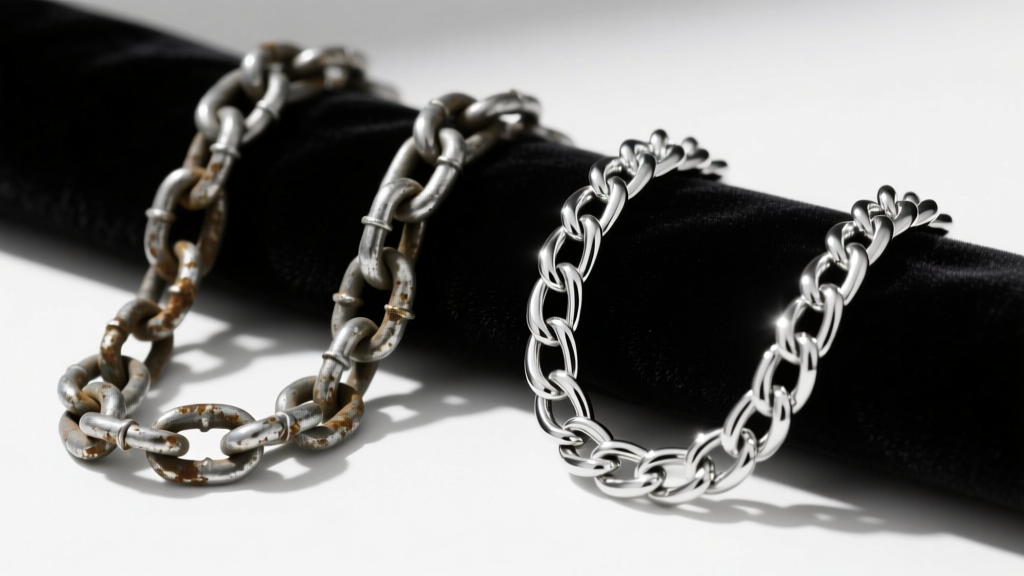
ROI Breakdown: Home Enthusiast vs. Small Studio
To determine if a professional ultrasonic jewelry cleaner is a sound financial investment, we must calculate the Return on Investment (ROI) based on current 2026 service pricing. The average bench jeweler charges between $15 and $35 for a professional ultrasonic clean, steam polish, and inspection.
The 3-Year Amortization Model:
- Scenario A (The Collector): You clean 4 pieces of jewelry per month. At $20 per professional cleaning, your annual spend is $960. Over three years, you spend $2,880. Purchasing a $250 prosumer dual-frequency unit with a 3-year warranty pays for itself in exactly 3.1 months.
- Scenario B (The Small Studio/Etsy Seller): You need to prep 50 pieces for a weekend craft fair. Professional cleaning would cost $1,000. A commercial-grade 2-liter Sharpertek unit ($450) pays for itself on the very first prep run, while ensuring your inventory maintains a brilliant, retail-ready sparkle.
As noted by the Jewelers Mutual Care Guide, regular at-home maintenance prevents the heavy buildup of lotions, dead skin, and environmental grime that eventually requires aggressive mechanical polishing—which wears away precious metal over time.
Maintenance and Operational Costs
The initial purchase price is only part of the value equation. Operating a professional unit requires specific consumables to prevent tank corrosion and ensure optimal acoustic transmission.
Water Quality: Never use tap water. The minerals in hard water will precipitate out during the heating cycle, forming a hard scale on the transducer plates, dampening the acoustic waves and eventually burning out the generator. Always use distilled or deionized water.
Surfactants: Plain water lacks the surface tension required to penetrate microscopic crevices. You must add a specialized ultrasonic jewelry cleaning solution (such as Blitz or iSonic concentrate). These contain non-ionic surfactants and mild ammonia derivatives that break the bond between sebum and metal. Budget approximately $25 per year for high-grade surfactant concentrates.
Basket Degradation: Never drop jewelry directly onto the stainless steel floor of the tank; this creates an acoustic short circuit and scratches the metal. Use the provided stainless steel wire baskets, but line them with soft microfiber cloths or use specialized silicone basket inserts to protect high-polish finishes from micro-abrasions.
Final Verdict: Which Tier Should You Buy?
The value of a professional ultrasonic jewelry cleaner depends entirely on your collection and technical discipline. If you primarily wear solid 14k gold and untreated diamonds, and you are willing to use distilled water and surfactants, a $180–$300 prosumer unit with 80 kHz capability, sweep mode, and a digital heater is the undisputed sweet spot for value in 2026. Avoid the $40 plastic-tank consumer traps, and never put your emeralds, opals, or pearls in the bath, regardless of the machine's price tag.


