How Do You Clean Your Jewelry at Home? 2026 Buyer's Guide
Discover the best tools to safely clean jewelry at home. Compare ultrasonic cleaners, steamers, and polishing cloths in our 2026 expert buying guide.

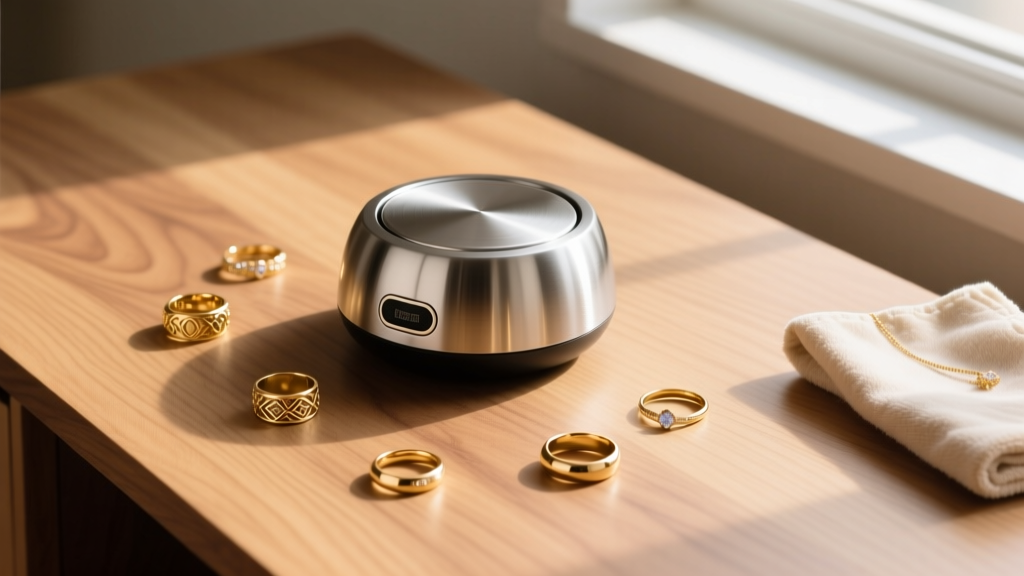
The Core Question: How Do You Clean Your Jewelry at Home Safely?
When building a jewelry care routine, the most common question we hear is, how do you clean your jewelry at home without risking damage to precious metals or delicate gemstones? The answer requires moving beyond generic internet hacks and investing in the right tools for your specific collection. In 2026, the market is flooded with ultrasonic machines, chemical dips, and steamers, but using the wrong tool on the wrong material is the fastest way to ruin a family heirloom. This buyer's guide breaks down exactly what to look for when purchasing at-home jewelry cleaning equipment, focusing on material compatibility, technical specifications, and real-world failure modes.
Ultrasonic Cleaners: Are They Worth the Investment?
Ultrasonic cleaners use high-frequency sound waves to create microscopic cavitation bubbles in a liquid solution. When these bubbles collapse against your jewelry, they blast away sebum, lotion, and dirt from under prongs and inside gallery wires. However, not all ultrasonics are created equal, and not all jewelry can survive the process.
Frequency and Tank Size Specs
When shopping for an ultrasonic cleaner, look for a frequency between 42kHz and 45kHz. A 42kHz frequency (found in popular models like the Magnasonic Professional) generates slightly larger cavitation bubbles, providing aggressive cleaning for heavy grime on durable metals like platinum and tungsten. A 45kHz frequency offers a gentler, more rapid bubble collapse, which is safer for intricate pavé diamond settings. Tank size matters too; a 350ml tank is sufficient for rings and earrings, but if you clean long chain necklaces, you need a 750ml to 1000ml tank to fully submerge the piece without bending the metal.
What NOT to Put Inside
According to the Gemological Institute of America (GIA), you must never place emeralds, opals, tanzanite, or pearls in an ultrasonic cleaner. Emeralds are almost universally treated with cedar oil to mask natural fissures; ultrasonic waves will vibrate the oil out, leaving the stone cloudy and heavily fractured. Furthermore, avoid putting 'clarity-enhanced' or fracture-filled diamonds in these machines, as the vibrations can shatter the glass-like resin used to fill the inclusions.
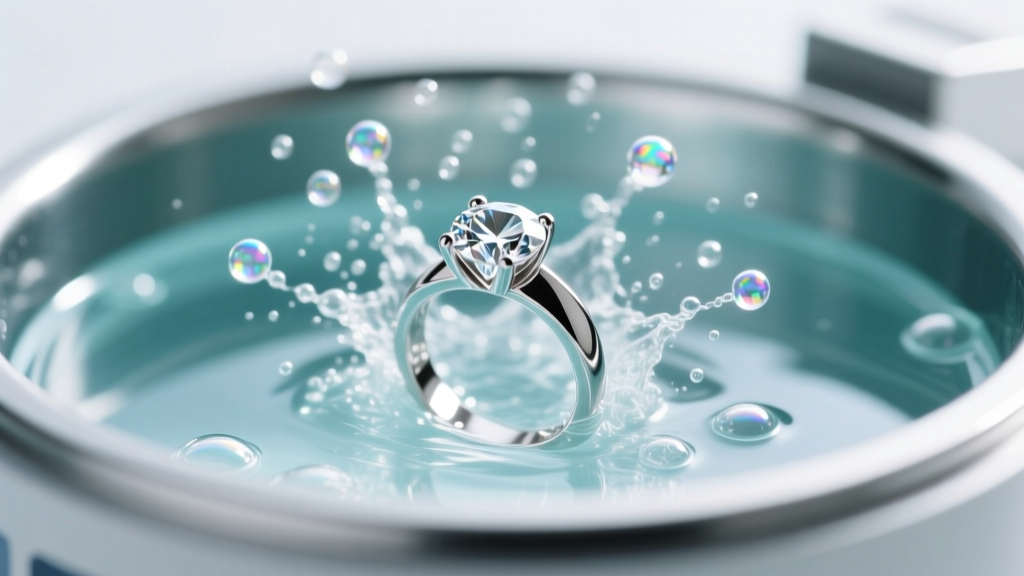
Polishing Cloths and Chemical Dips: Material-Specific Guide
If ultrasonics are the heavy artillery, polishing cloths and chemical dips are the tactical tools. But buying the wrong chemical dip can permanently ruin the surface of your silver.
| Tool Type | Best For | Avoid Using On | Price Range (2026) |
|---|---|---|---|
| Treated Polishing Cloths (e.g., Sunshine) | 14k/18k Gold, Sterling Silver, Platinum | Pearls, Matte/Satin finishes | $8 - $15 |
| Untreated Flannel Cloths | Pearls, Opals, Oxidized Silver | Heavy Tarnish | $5 - $10 |
| Chemical Silver Dips (Thiourea-based) | Severe Silver Tarnish (Black Sulfide) | Porous stones, Oxidized details | $10 - $20 |
| Mild Dish Soap (Dawn) & Baby Toothbrush | Diamonds, Sapphires, Rubies, Gold | Soft stones (Amber, Coral) | Under $5 |
The Danger of Chemical Dips
Many commercial silver dips rely on thiourea, a chemical that instantly strips silver sulfide (tarnish). While the visual result is immediate, thiourea is highly acidic. If left on for more than 10 seconds, or if not thoroughly neutralized and rinsed, it causes micro-pitting on the silver's surface. Over time, this pitting makes the silver porous, causing it to tarnish much faster in the future. For routine maintenance, a jeweler's rouge-impregnated cloth is vastly superior and recommended by Jewelers of America.
Steam Cleaners vs. UV Sanitizers: Clearing Up the Confusion
A major trend in 2026 is the rise of at-home steam cleaners and UV sanitizers. It is vital to understand the difference between cleaning (removing physical debris) and sanitizing (killing bacteria).
At-Home Steam Cleaners
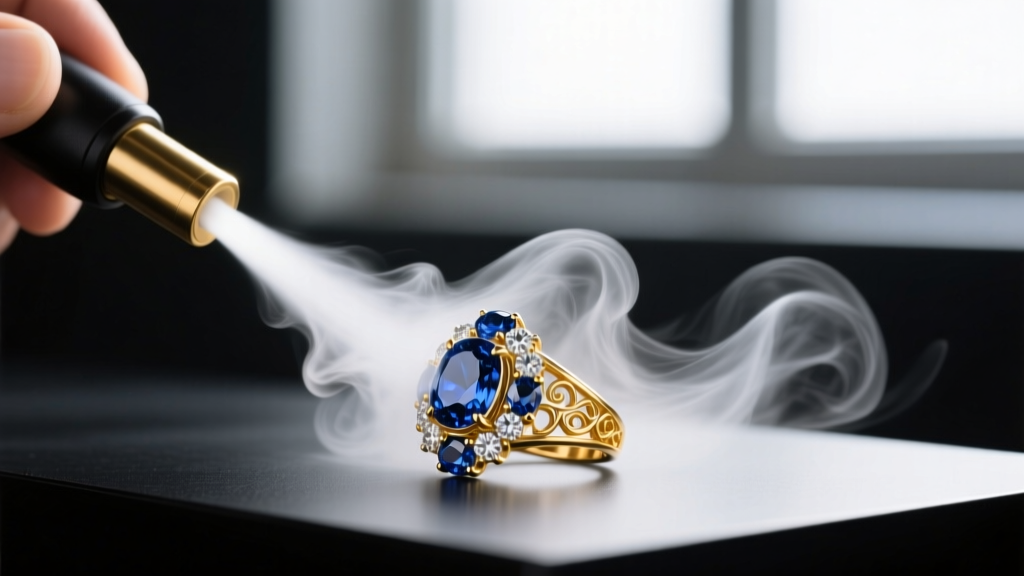
Handheld jewelry steamers (priced between $150 and $300) emit a focused 50 PSI jet of steam at roughly 212°F (100°C). This thermal shock and pressure are incredible for blowing out compacted hand lotion from under diamond prongs. However, steam is strictly for hard, non-porous stones (diamonds, sapphires, rubies). Never steam fracture-filled stones, emeralds, or any gemstone with a Mohs hardness below 7, as the thermal shock will cause immediate cracking.
UV Sanitizers
UV-C light boxes are excellent for killing bacteria on earrings and body jewelry, but they do absolutely nothing to remove tarnish, oils, or dirt. If your goal is to restore brilliance and shine, a UV sanitizer will not answer the question of how do you clean your jewelry at home effectively. Buy UV only for hygiene, not for visual restoration.
Building Your At-Home Jewelry Care Kit (Budget Breakdown)
To build a comprehensive, safe, and effective home cleaning station, allocate your budget based on the materials you wear most frequently. Here is a professional-grade starter kit for 2026:
- The Daily Driver ($5): A bottle of original blue Dawn dish soap and a pack of extra-soft baby toothbrushes (0.12mm bristles). This is the safest baseline for 90% of fine jewelry.
- The Weekly Polisher ($12): Authentic Sunshine polishing cloths. These contain micro-abrasives and jeweler's rouge that physically remove light tarnish without chemical reactions.
- The Deep Cleaner ($45 - $80): A 42kHz ultrasonic cleaner with a 350ml stainless steel tank. Use only with distilled water and a drop of mild soap.
- The Rinse Station ($10): A dedicated squeeze bottle of distilled water. Tap water contains calcium and magnesium, which leave cloudy hard-water spots on diamonds after ultrasonic cleaning.
Expert Troubleshooting: When Home Tools Fail
Even with the best tools, things can go wrong. Here is how to troubleshoot common at-home cleaning failures:
Cloudy Diamonds After Ultrasonic Cleaning
If your diamond looks milky or cloudy after an ultrasonic bath, it is likely coated in hard water minerals or dried soap film. Fix this by rinsing the stone in pure distilled water and immediately drying it with a lint-free microfiber cloth. Do not let it air dry.
Silver Turned Matte or Grey After a Chemical Dip
If a chemical dip stripped the high-polish finish off your silver, leaving it matte, the acid has etched the surface. You cannot wash this off. You must mechanically polish the piece with a treated jeweler's cloth or take it to a professional for a motorized buffing wheel treatment to restore the mirror finish.
Loose Stones After Steaming
If a diamond feels loose after using a steam cleaner, the high-pressure jet likely dislodged a bent or worn prong that was previously holding the stone in place. Stop wearing the ring immediately and place it in a soft pouch until a jeweler can re-tip the prongs.
Final Thoughts on Home Jewelry Maintenance
Understanding how do you clean your jewelry at home is about matching the tool to the material. Invest in a quality ultrasonic for your durable diamonds and gold, rely on gentle soap for your daily wear, and keep chemical dips as a last resort for neglected silver. By building a targeted cleaning kit, you will protect the structural integrity and brilliance of your collection for decades to come.


