How to Clean Antique Costume Jewelry Without Ruining Its Value
Learn how to clean antique costume jewelry safely while preserving its resale value. Compare DIY costs versus professional restoration for vintage pieces.

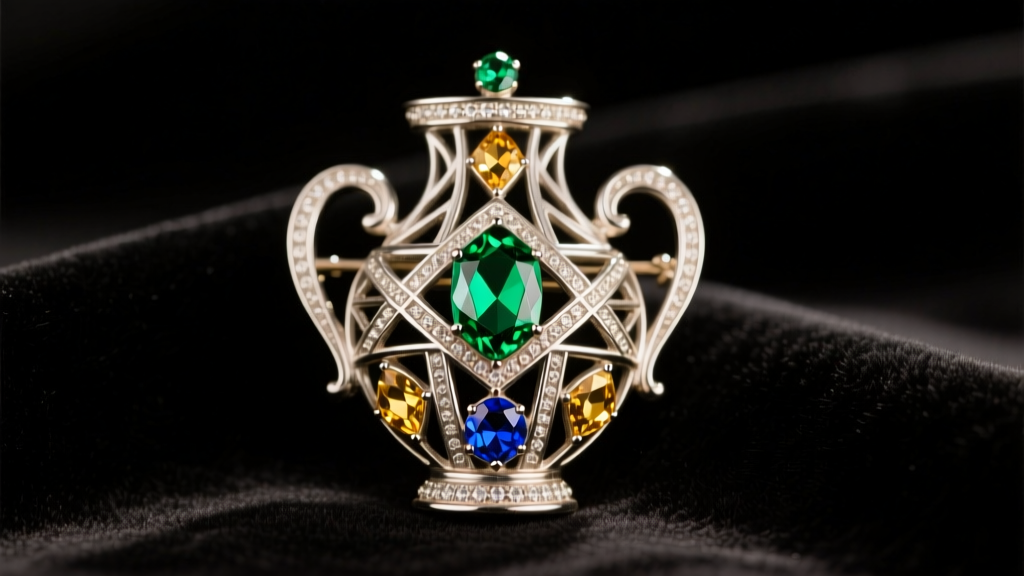
The Value Assessment: Should You Clean It at All?
As the vintage market continues to surge in 2026, learning how to clean antique costume jewelry requires a fundamental shift in mindset. Unlike fine jewelry, where the goal is often to restore a brilliant, mirror-like shine, antique costume jewelry derives a significant portion of its resale value from its original patina and historical integrity. Collectors of mid-century and Art Deco pieces actively seek out the subtle oxidation on brass findings and the untouched wear on enamel. Over-cleaning a signed Trifari, Miriam Haskell, or Coro piece can strip its auric plating or destroy delicate foil backings, instantly slashing its market value by 50% or more.
Before reaching for any cleaning solution, you must conduct a budget and value assessment. Ask yourself three critical questions:
- Is the piece signed or highly collectible? If yes, the risk-to-reward ratio of aggressive DIY cleaning is incredibly poor.
- Are the stones foil-backed? Moisture is the enemy of foil. If water seeps behind the glass, the foil will turn black, and the stone is effectively ruined.
- Is the base metal pot metal? Early 20th-century pot metal (a zinc alloy) is highly porous. Submerging it in liquid will cause rapid, irreversible oxidation and flaking.
Collector's Rule of Thumb: In the antique costume jewelry market, a piece with original, undisturbed patina and minor surface dirt will almost always appraise higher than a piece that has been aggressively polished to a modern shine.
Material Identification and Risk Matrix
To budget your time and resources effectively, you must accurately identify the materials you are working with. The table below outlines the specific risk levels associated with common vintage costume materials and the financial impact of improper cleaning.
| Material | Era & Brand Example | Cleaning Risk Level | Value Impact if Damaged |
|---|---|---|---|
| Foil-Backed Glass | 1920s-1940s (Miriam Haskell) | High | Severe (50-80% value loss) |
| Bakelite / Celluloid | 1930s Art Deco | Medium | Moderate (Patina loss) |
| Pot Metal Base | 1940s Coro / Trifari | High | Severe (Flaking/Pitting) |
| Aurora Borealis Glass | Post-1955 (Swarovski/Weiss) | Low | Minor (Coating scratch) |
| Gold Wash / Auric Plating | 1950s Trifari Crown | High | Severe (Stripped finish) |
According to conservation guidelines from the Victoria and Albert Museum, composite vintage pieces require highly localized, dry-cleaning methods whenever possible to prevent moisture from compromising historical adhesives and metallic foils.
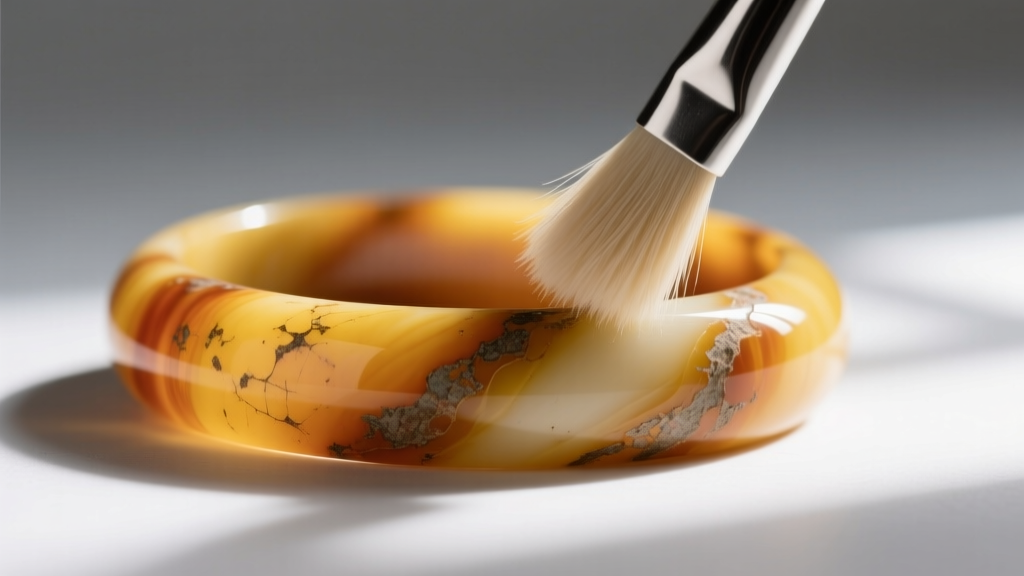
Budget-Friendly DIY Methods for Safe Vintage Pieces
If your value assessment confirms that the piece is safe to clean, you can achieve professional-level results without spending hundreds of dollars on restoration. Here are the most effective, low-budget DIY protocols used by serious collectors.
1. The Dry Dusting Protocol (Cost: $4 - $8)
For heavily textured pot metal pieces or foil-backed rhinestone brooches, moisture is strictly prohibited. Instead, invest in a natural goat-hair makeup brush or a specialized soft sable artist brush. Avoid nylon toothbrushes at all costs; their stiff bristles will create micro-scratches on soft Bakelite and glass stones. Gently sweep the bristles into the crevices of the metalwork to dislodge decades of trapped dust and skin oils. This method costs less than $8 and preserves 100% of the piece's patina and structural adhesives.
2. The Distilled Water Spot Clean (Cost: $6)
When dealing with stubborn grime on bare brass findings or hard glass stones (like post-1955 Aurora Borealis rhinestones), use a cotton swab lightly dampened with distilled water. Never use tap water. The minerals and chlorine in tap water can trigger rapid oxidation on exposed copper alloys and leave cloudy, irreversible spots on glass. Carefully swab the metal, avoiding the stone settings entirely, and immediately dry the area with a microfiber cloth.
3. Simichrome Polish for Bare Brass (Cost: $12)
If the pin stems, clasps, or raw brass findings on a 1940s piece are heavily tarnished, a micro-drop of Simichrome polish applied with a cotton swab can restore functionality and shine. Warning: Simichrome is mildly abrasive and will strip gold wash or rhodium plating instantly. Use this only on confirmed, uncoated brass or copper components, and keep it at least half an inch away from any gemstone settings.
When to Hire a Professional: Cost vs. Value Retention
There is a distinct threshold where DIY cleaning transitions from cost-saving to value-destroying. If a piece requires structural intervention or chemical stripping, you must budget for professional restoration. As of 2026, the cost of specialized vintage jewelry repair has risen, but it remains essential for high-value inventory.
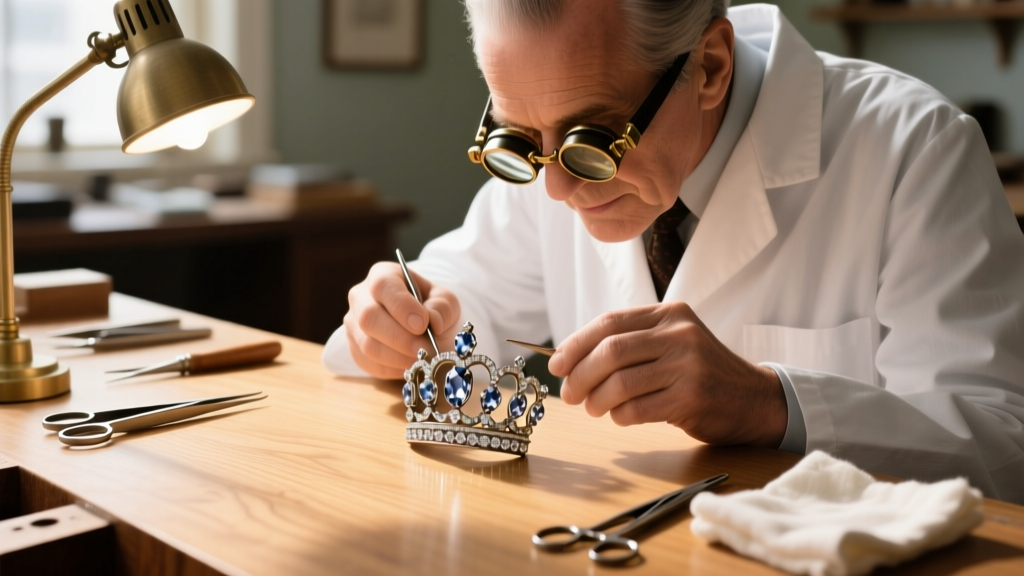
- Stone Re-Foiling ($35 - $60 per stone): If moisture has already blackened the foil behind a rhinestone, no amount of surface cleaning will fix it. A professional must carefully unseat the stone, replace the silver or gold foil backing, and reseat it using archival-safe adhesive.
- Pot Metal Rhodium Plating ($80 - $150): If a pot metal base has begun to pit or flake, a master jeweler can stabilize the metal and apply a fresh layer of rhodium plating to halt the degradation.
- Custom Pearl Re-Stringing ($150 - $300): For iconic pieces like the Miriam Haskell pearl bib necklaces, the internal wire or thread often degrades. Professional re-stringing using period-accurate materials is vital to maintaining the piece's appraisal value.
High-Cost Mistakes: The 'Never Do This' List
The fastest way to turn a $500 vintage investment into a $20 paperweight is by using modern cleaning shortcuts. The Gemological Institute of America (GIA) explicitly warns against using ultrasonic technology and harsh chemicals on treated, backed, or porous stones. Avoid these catastrophic budget traps:
- Ultrasonic Cleaners: The high-frequency vibrations will shatter delicate foil backings, crack Bakelite, and vibrate the vintage glue right out of the prongs, causing stones to fall out.
- Baking Soda Paste: Highly abrasive. It will scour away the microscopic layer of gold wash (auric plating) that gives 1950s Trifari pieces their warm, luxurious glow.
- Ammonia and Glass Cleaners: Ammonia dissolves the shellac and epoxies used in mid-century jewelry manufacturing and will cause Bakelite to cloud and craze permanently.
- Silver Dip Solutions: These acidic baths will strip rhodium plating and cause porous pot metal to absorb the acid, leading to internal crumbling over the next few months.
Final Verdict: Budgeting for Your Collection's Care
Understanding how to clean antique costume jewelry is ultimately an exercise in restraint and material science. By allocating a small budget ($15-$20) for the proper tools—goat-hair brushes, distilled water, and microfiber cloths—you can safely maintain 90% of your collection. Reserve your larger restoration budget ($100+) for structural repairs and professional re-foiling on signed, high-value investment pieces. In the world of vintage jewelry, preserving the history etched into the metal is always more profitable than trying to erase it.


