Tarnish Jewelry Cleaning: Safe Methods for Silver, Copper & Brass
Discover expert tarnish jewelry cleaning methods for silver, copper, and brass. Learn the chemistry of patina and safe DIY galvanic techniques.

The Chemistry of Tarnish: What You Are Actually Cleaning
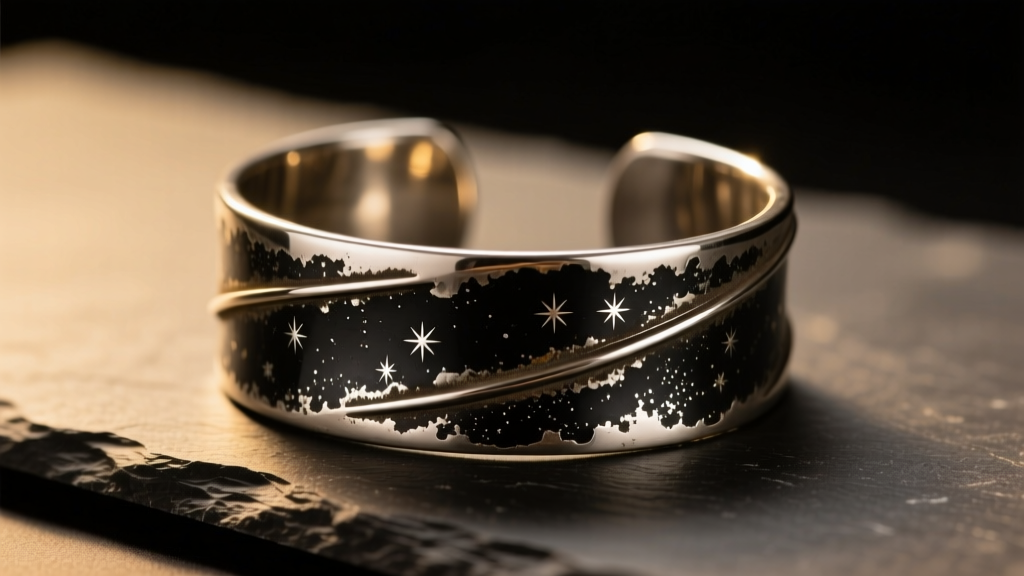
When performing tarnish jewelry cleaning, you are not actually removing dirt; you are reversing or physically abrading a chemical reaction. Tarnish is a thin layer of corrosion that forms on the surface of metals like silver, copper, and brass when they react with sulfur-containing compounds in the atmosphere. For .925 sterling silver—which consists of 92.5% pure silver and 7.5% copper alloy—the primary culprit is hydrogen sulfide (H2S) gas, which is naturally present in the air and emitted by everyday items like wool, felt, and certain foods.
This reaction creates silver sulfide (Ag2S), the familiar black or dull grey film that obscures your jewelry's original luster. According to the Canadian Conservation Institute, the rate of this tarnishing process accelerates significantly when relative humidity (RH) exceeds 50%. Understanding this chemical baseline is critical because it dictates which cleaning methods will safely restore your pieces without stripping away microscopic layers of the base metal.
The Aluminum Foil & Baking Soda Galvanic Method
For solid silver chains, plain silver bands, and ungemmed silver components, the most scientifically sound DIY approach is the galvanic reduction method. Unlike abrasive pastes that physically scratch away the silver sulfide (and a microscopic layer of your silver along with it), this method uses electrochemistry to convert the silver sulfide back into pure silver.
Step-by-Step Galvanic Protocol
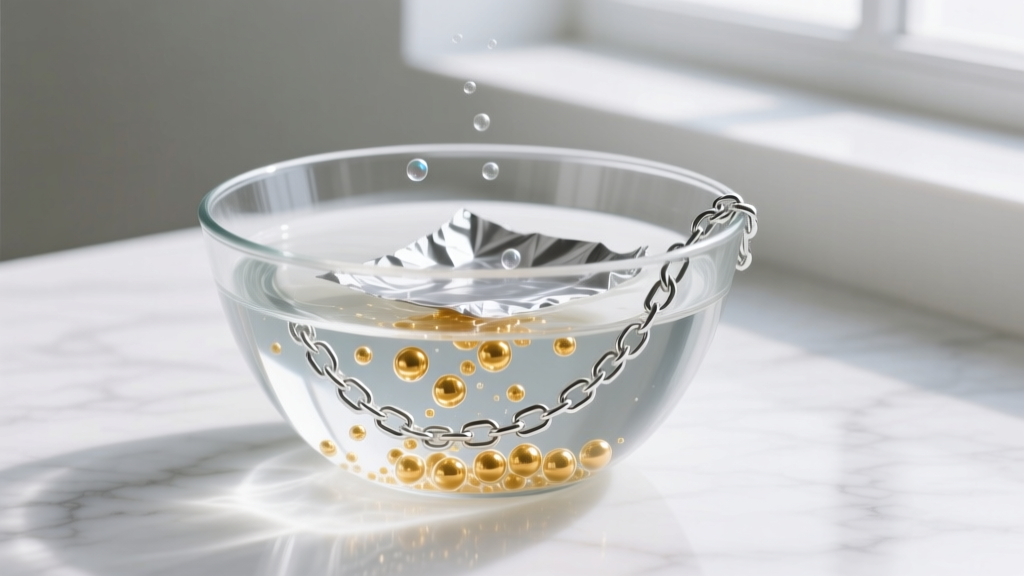
- Prepare the Cell: Line a heat-safe glass or ceramic bowl with heavy-duty aluminum foil, shiny side up. The aluminum will act as the sacrificial anode.
- Add the Electrolyte: Sprinkle 1 tablespoon of baking soda (sodium bicarbonate) and 1 tablespoon of non-iodized salt (sodium chloride) over the foil.
- Activate with Heat: Pour boiling water into the bowl to dissolve the salts. The hot electrolyte solution accelerates the ion transfer.
- Submerge the Jewelry: Place your tarnished silver into the solution, ensuring it physically touches the aluminum foil. This physical contact completes the electrical circuit.
- Monitor the Reaction: You will immediately smell a distinct 'rotten egg' odor (hydrogen sulfide gas releasing) and see bubbling. Leave the jewelry in the bath for 2 to 5 minutes, depending on the severity of the Ag2S layer.
- Rinse and Dry: Remove with plastic tongs (never metal, which can disrupt the cell), rinse thoroughly under warm distilled water, and pat dry with a microfiber cloth.
Why This Works (And When It Fails)
Aluminum is higher on the galvanic series (more anodic) than silver. In the alkaline electrolyte solution, the aluminum oxidizes, donating electrons to the silver sulfide. This breaks the sulfur-silver bond, transferring the sulfur to the aluminum foil (which turns black) and leaving pure silver behind. However, this method fails on heavily oxidized 'antiqued' silver where the dark patina was intentionally applied by the jeweler using liver of sulfur to highlight intricate engravings. The galvanic bath will strip this intentional contrast, leaving the piece looking flat and unnaturally bright.
Metal-Specific Tarnish Jewelry Cleaning Protocols
Different alloys react to environmental factors differently, requiring tailored approaches. Below is a decision matrix for safe tarnish removal across common jewelry metals.
| Metal Alloy | Tarnish Compound | Safe Cleaning Agents | Agents to Strictly Avoid |
|---|---|---|---|
| .925 Sterling Silver | Silver Sulfide (Ag2S) | Galvanic bath, micro-abrasive cloths | Chlorine bleach, toothpaste, ammonia |
| Copper / Brass | Copper Oxide / Carbonate | Lemon juice & salt paste, mild acetic acid | Ammonia (causes stress corrosion cracking) |
| .999 Fine Silver | Minimal (Highly resistant) | Warm water, mild dish soap, soft polishing cloth | Harsh chemical dips, ultrasonic cleaners |
| Gold Vermeil (Silver base) | Base metal migration / surface dirt | Mild dish soap, soft bristle brush | Galvanic baths, polishing pastes (strips gold) |
Commercial Dips vs. Polishing Cloths: A Market Analysis
The commercial jewelry cleaning market is saturated with 'instant dip' solutions. While they offer immediate visual gratification, most of these liquid tarnish removers rely on thiourea, a highly toxic and corrosive chemical. Thiourea aggressively dissolves silver sulfide, but it also etches the surface of the silver, leaving behind microscopic pits. Over time, these pits increase the metal's surface area, causing the jewelry to tarnish faster and more severely after each subsequent dip.
Furthermore, the Gemological Institute of America (GIA) warns that commercial dips can permanently cloud porous gemstones and strip the protective rhodium plating from white gold accents. For routine maintenance, a treated micro-abrasive polishing cloth (such as a Sunshine Cloth) is vastly superior. These cloths are impregnated with microscopic jeweler's rouge and tarnish-inhibiting compounds. They physically remove the Ag2S layer with minimal metal loss and leave behind a protective polymer film that delays future oxidation.
Gemstone Interactions: What to Protect During Tarnish Removal
The most catastrophic mistakes in tarnish jewelry cleaning occur when the metal's cleaning agent interacts poorly with an inset gemstone. You must evaluate both the stone's hardness (Mohs scale) and its porosity before submerging any piece in a chemical or galvanic bath.
- Highly Porous Stones (Turquoise, Lapis Lazuli, Malachite, Opal, Pearl): These stones act like microscopic sponges. Submerging them in baking soda baths, commercial dips, or even soapy water will cause them to absorb the chemicals, leading to permanent discoloration, structural weakening, or the dissolution of their natural oils. Rule: Never submerge. Clean the metal around them using a Q-tip and a dry polishing cloth.
- Hard, Non-Porous Stones (Diamond, Sapphire, Ruby): Rated 8-10 on the Mohs scale, these stones are generally impervious to chemical tarnish removers and can safely withstand ultrasonic cleaners and galvanic baths, provided they are not fracture-filled or heavily included.
- Soft but Non-Porous Stones (Morganite, Aquamarine, Amethyst): While chemically stable, their lower hardness (7-7.5) makes them susceptible to micro-scratches from abrasive pastes. Use only liquid galvanic methods or mild soap.
Preventative Storage and Anti-Tarnish Tech
The most effective tarnish jewelry cleaning strategy is preventing the silver sulfide reaction from occurring in the first place. According to Assay Office London guidelines on precious metal care, controlling the micro-environment of your storage is paramount.
Expert Storage Protocol: Never store silver jewelry in cardboard boxes, newspaper wrapping, or wooden drawers (especially oak, which emits acetic acid). These materials off-gas sulfur and acidic compounds that aggressively accelerate tarnishing.
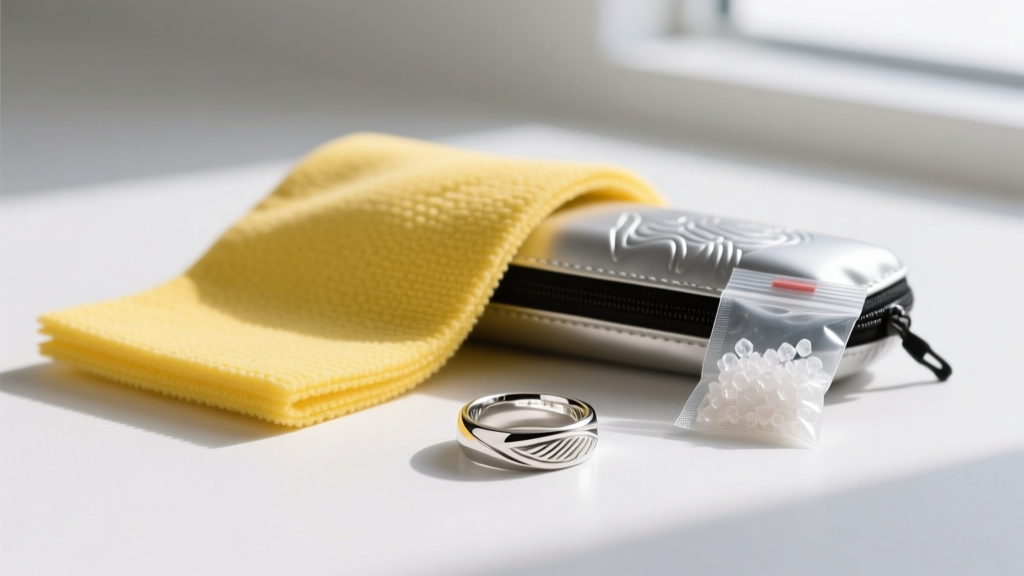
Instead, invest in Pacific Silvercloth, a specialized cotton fabric embedded with microscopic silver particles. These embedded particles act as a sacrificial shield, reacting with ambient sulfur gases before they can reach your jewelry. For airtight storage, use ziplock bags made from anti-tarnish polyethylene, and include a 3M anti-tarnish strip and a small packet of silica gel to absorb ambient moisture. Keep your storage area's relative humidity strictly below 50%, and your silver will remain pristine for months, drastically reducing your need for deep cleaning interventions.


