The Chemistry of Cleaning Tarnished Jewelry: Expert Guide
Discover the chemistry behind cleaning tarnished jewelry. Learn expert electrochemical and polishing methods for sterling silver and gold alloys.

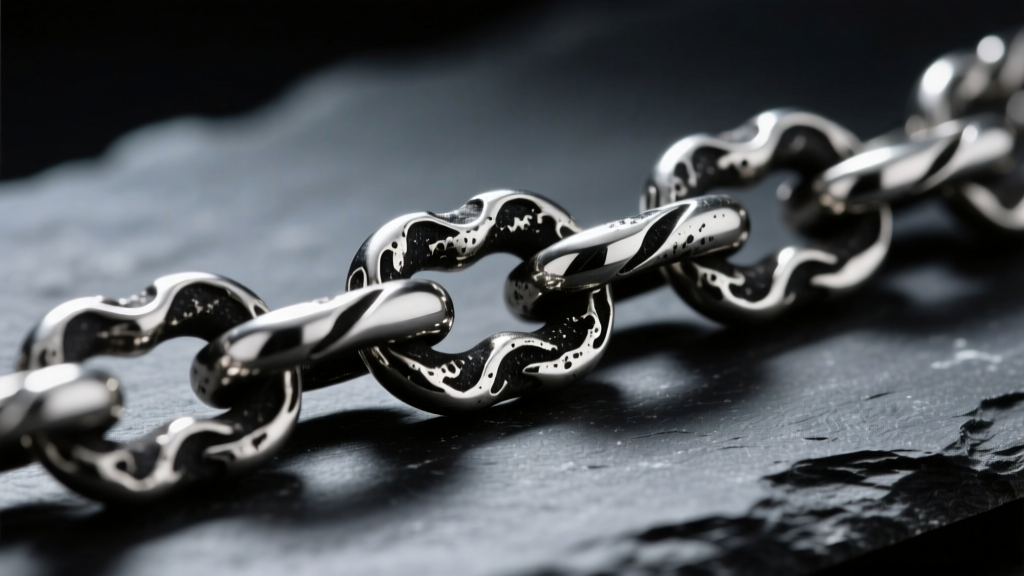
When addressing the science of cleaning tarnished jewelry, one must first distinguish between surface dirt, intentional oxidation (patina), and true chemical tarnish. Tarnish is not merely a cosmetic flaw; it is an active electrochemical reaction. In sterling silver (92.5% silver, 7.5% copper), atmospheric hydrogen sulfide (H2S) reacts with the silver to form silver sulfide (Ag2S), a black, non-conductive layer. Simultaneously, the copper alloy reacts with oxygen and moisture to form copper oxide and copper carbonate. Understanding these specific molecular interactions is critical for jewelers and collectors, as improper cleaning methods can cause irreversible micro-pitting, strip protective plating, or fracture sensitive gemstones.
The Electrochemical Reduction Method (Galvanic Cleaning)
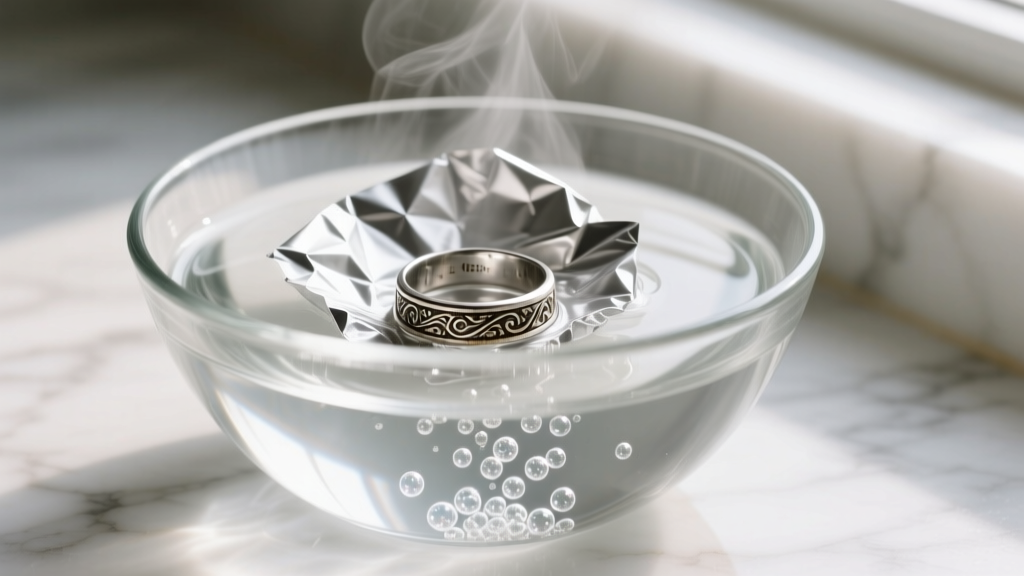
Often referred to as the 'aluminum foil trick,' this method is not a mere home remedy; it is a precise galvanic cell reaction that reverses the oxidation process without removing base metal. By placing tarnished silver in direct physical contact with aluminum (the anode) in an electrolyte solution, you create a battery. The silver sulfide (cathode) is reduced back to elemental silver, while the aluminum is oxidized.
The chemical equation is: 3Ag2S + 2Al → 6Ag + Al2S3
For optimal results, the electrolyte must be highly conductive. While many DIY guides suggest sodium bicarbonate (baking soda), professional conservators prefer sodium carbonate (washing soda) due to its higher pH and superior ionic conductivity in solution. The water must be heated to approximately 190°F (88°C) to accelerate the ion transfer rate. The aluminum sulfide (Al2S3) byproduct hydrolyzes in water to form hydrogen sulfide gas (which smells like rotten eggs) and aluminum hydroxide, which appears as a white, powdery residue on the foil.
Expert Warning: This method is strictly for solid silver. If applied to silver-plated brass or copper, the galvanic reaction can accelerate the corrosion of the base metal if there are any microscopic breaches in the plating layer, leading to catastrophic sub-surface flaking.
Chemical Dip Cleaners: Thiourea-Based Solutions
Commercial liquid tarnish removers (such as Tarn-X) rely on thiourea, a strong complexing agent. Thiourea molecules bind to silver ions at the surface of the tarnish layer, pulling them into an aqueous solution. While this provides instantaneous visual results, it is highly controversial in metallurgical conservation.
According to the Canadian Conservation Institute, thiourea dips do not stop at the silver sulfide layer; they actively etch into the underlying elemental silver, creating a microscopically rough, porous surface. This increased surface area actually accelerates future tarnishing rates, trapping the jewelry in a cycle of rapid re-oxidation. Furthermore, thiourea is a known carcinogen and poses severe environmental disposal hazards. It will also instantly strip rhodium plating and destroy the luster of oxidized antique finishes.
Method Comparison Matrix
| Cleaning Method | Mechanism of Action | Metal Loss | Risk to Plating/Gems | Best Application |
|---|---|---|---|---|
| Electrochemical (Al/Foil) | Galvanic reduction of Ag2S | Zero (Converts tarnish to silver) | High (Strips intentional patina) | Solid sterling silver flatware/chains |
| Thiourea Chemical Dips | Chemical complexation/etching | High (Micro-pitting) | Extreme (Strips rhodium, ruins porous stones) | Not recommended by conservators |
| Precipitated Calcium Carbonate | Mild mechanical abrasion | Low (Sub-micron loss) | Moderate (Can scratch high-polish gold) | Intricate silver castings, heavy tarnish |
| Ultrasonic (with Surfactant) | Cavitation / Micro-implosions | Zero (Only removes loose dirt) | Extreme (Shatters emeralds/opals) | Diamond/platinum settings only |
Mechanical Removal: Abrasive vs. Non-Abrasive Polishing
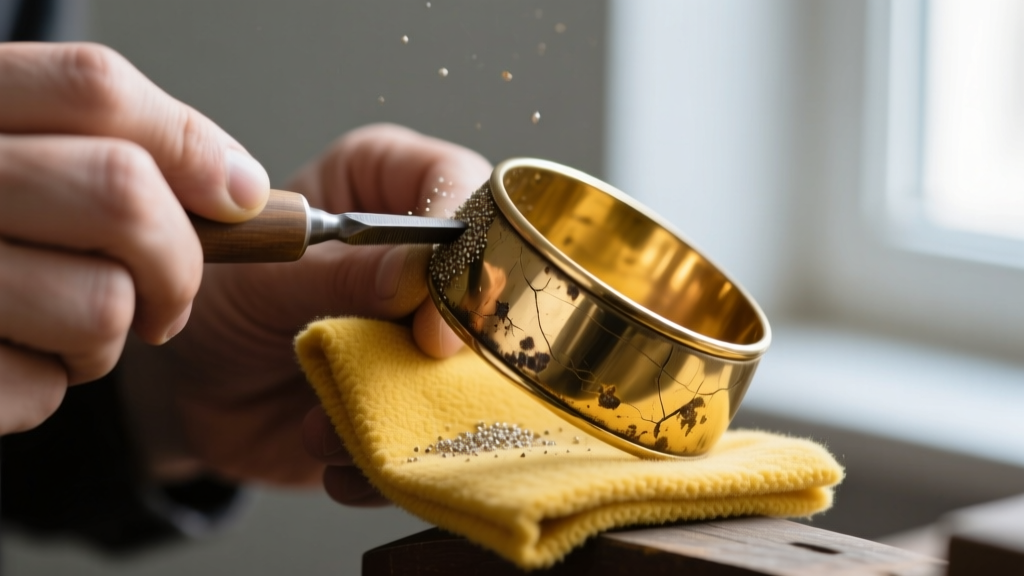
When chemical methods are contraindicated, mechanical removal is required. However, all polishing inherently removes metal. A standard jeweler's rouge (iron oxide) applied via a high-speed muslin buffing wheel can remove 1 to 3 microns of metal per pass. Over-polishing a vintage piece can obliterate hallmarks, soften engraved edges, and compromise the structural integrity of prongs.
For manual cleaning of tarnished jewelry, experts utilize precipitated calcium carbonate pastes (like Wright's Silver Cream). Unlike harsh silica-based polishes that leave deep, chaotic micro-scratches, calcium carbonate particles are uniform and relatively soft (Mohs hardness of 3). They shear off the silver sulfide layer (Mohs hardness of 2.5) without significantly biting into the underlying silver (Mohs hardness of 2.7). The application should always follow the grain of the metal's original finishing lines, using a lint-free cellulose sponge rather than a microfiber cloth, which can trap debris and cause secondary scratching.
Gemstone Vulnerability During Tarnish Removal
The Gemological Institute of America (GIA) strictly warns against submerging gem-set jewelry in any liquid tarnish remover without verifying the stone's porosity and chemical stability. The failure modes are specific and often irreversible:
- Turquoise and Lapis Lazuli: These porous, copper-bearing stones will absorb alkaline electrolyte solutions and thiourea, causing permanent chemical bleaching and structural destabilization.
- Pearls and Coral: Composed of calcium carbonate, these organic gems will actively dissolve in the acidic byproducts of some chemical dips, losing their orient and nacre luster.
- Emeralds: Typically fracture-filled with cedar oil or synthetic resins (like Opticon). Ultrasonic cavitation and hot electrochemical baths will boil or melt these fillers, leaving the stones opaque and heavily fractured.
- Opals: Contain up to 20% water. The heat required for galvanic cleaning (190°F) can cause rapid moisture loss, resulting in 'crazing' (a network of internal cracks).
For jewelry featuring these stones, mechanical polishing with a tightly controlled, localized application of calcium carbonate paste using a cotton swab is the only safe protocol. The paste must be meticulously rinsed with distilled water and dried immediately to prevent moisture ingress into the stone settings.
Preventative Metallurgy: Argentium and Rhodium Plating
Modern metallurgy offers structural solutions to the tarnish problem, reducing the need for aggressive cleaning. Argentium silver (typically 93.5% silver, 5.5% copper, and 1% germanium) represents a paradigm shift. The germanium reacts with atmospheric oxygen to form a transparent, self-healing layer of germanium dioxide on the surface. This impermeable barrier physically blocks hydrogen sulfide from reaching the silver, rendering the alloy virtually tarnish-proof under normal environmental conditions.
Alternatively, rhodium plating provides a physical shield over sterling silver. Rhodium, a platinum-group metal, is inert and highly reflective. However, standard flash plating (0.1 microns) wears through within months on high-friction items like rings. For lasting protection, jewelers must specify a heavy electroplating thickness of 0.5 to 1.0 microns, backed by a nickel or palladium strike layer to prevent copper migration from the sterling core, which can otherwise cause the rhodium to turn black from underneath.


