Best Cleaning Cloth for Jewelry: 2026 Buying Guide
Discover how to choose the best cleaning cloth for jewelry in 2026. Compare microfiber, treated cotton, and compounds for safe polishing.

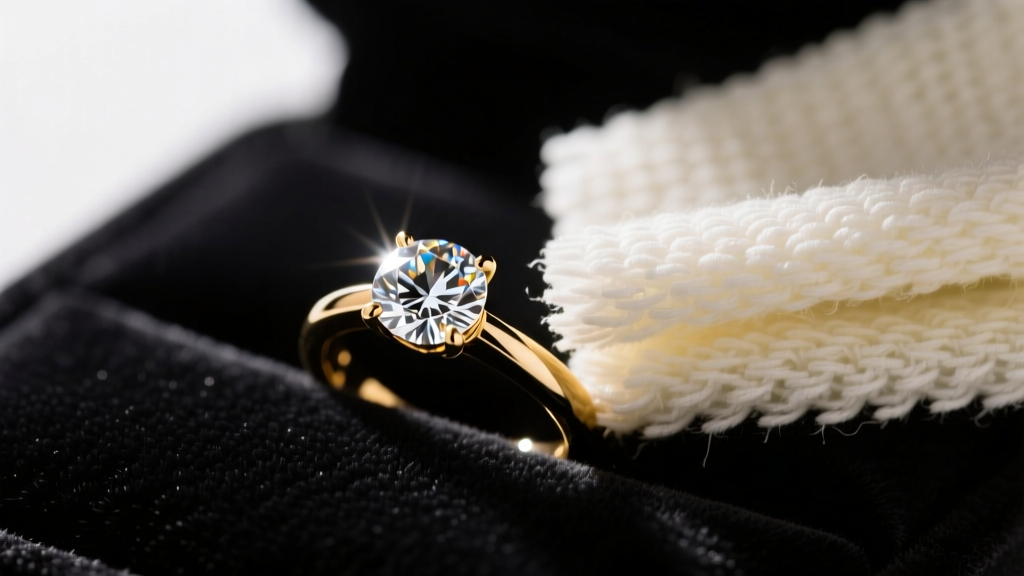
When maintaining the brilliance of your collection, selecting the right cleaning cloth for jewelry is arguably the most critical, yet frequently overlooked, decision. In 2026, the jewelry care market has decisively shifted away from harsh chemical dips and liquid abrasives, favoring advanced dry-polishing textiles that are safer for both precious metals and delicate gemstones. However, not all polishing fabrics are created equal. Using the wrong textile can introduce micro-scratches, strip delicate rhodium plating, or degrade porous organic gems.
This comprehensive buying guide breaks down the material science, abrasive compounds, and structural details you must evaluate before purchasing a jewelry polishing cloth. Whether you are maintaining a daily-wear 14k gold wedding band or a museum-quality silver piece, understanding these specifications will protect your investment.
The Science of Jewelry Polishing Cloths: Why Material Matters
The fundamental difference between a standard household rag and a professional-grade jewelry cloth comes down to fiber structure and density. For untreated polishing, split-yarn microfiber is the industry standard. During manufacturing, the microfiber strands are split to create microscopic wedges that physically lift and trap dust, oils, and tarnish particles rather than simply pushing them across the metal surface.
When shopping, you must look at the GSM (grams per square meter). Standard cleaning cloths hover around 200 GSM, which is far too thin and offers no cushioning against hard surfaces. For jewelry, you need a density between 300 and 400 GSM. This higher density provides a plush buffer that prevents accidental impacts against the metal while you apply polishing pressure.
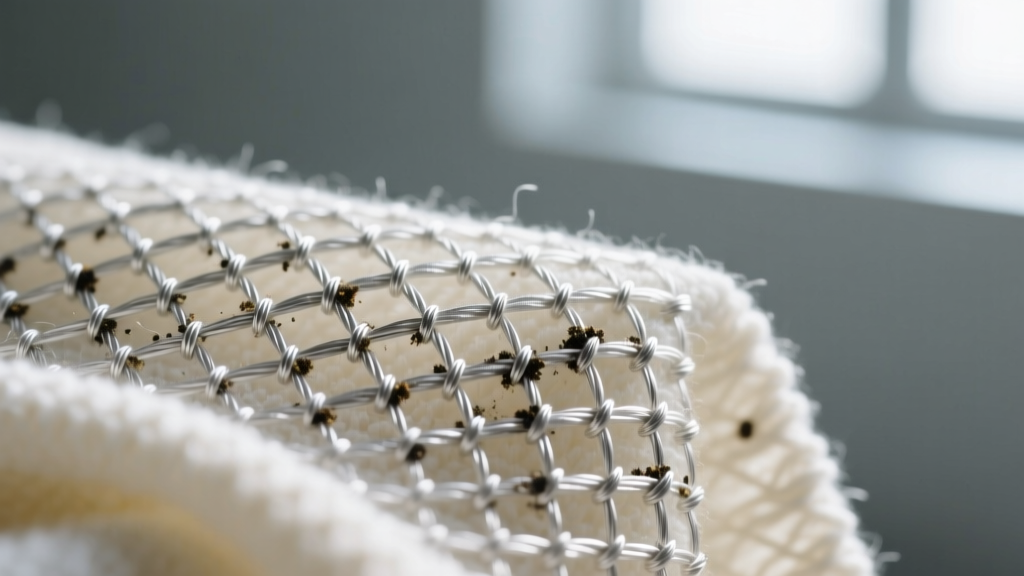
Furthermore, the weave pattern dictates the cloth's behavior. A terry-loop weave is excellent for absorbing moisture and trapping larger debris, making it ideal for the initial wipe-down after washing your jewelry. Conversely, a suede-finish or flat weave provides the friction necessary for final-stage buffing to achieve a mirror finish on gold and platinum.
Treated vs. Untreated: Choosing the Right Compound
The most common mistake consumers make is using an untreated cloth on heavily oxidized silver, or worse, using a heavily treated cloth on soft, porous gemstones. Treated cloths are impregnated with specific chemical compounds and micro-abrasives designed to remove tarnish (silver sulfide) without the need for liquids.
Jeweler’s Rouge (Iron Oxide)
Often found in premium red or yellow cotton cloths, jeweler's rouge is a very fine iron oxide powder. It acts as a mild abrasive that polishes the metal by removing a microscopic layer of the surface. This is highly effective for solid 14k and 18k gold, as well as solid sterling silver. However, it should never be used on gold-plated or gold vermeil jewelry, as the abrasive action will strip the thin gold layer right off the brass or silver base.
Anti-Tarnish Impregnations
Many modern cloths feature a dual-layer design. The inner layer is treated with a micro-abrasive to remove existing tarnish, while the outer layer is impregnated with anti-tarnish agents (often zinc-based or proprietary polymer coatings) that leave a microscopic protective barrier on the metal, slowing down future oxidation. According to metallurgical resources at Rio Grande, controlling the environment and using anti-tarnish barriers is the most effective way to preserve silver alloys.
Comparison Chart: Cloth Types by Material
| Metal / Material | Recommended Cloth Type | Compound / Abrasive Level | Critical Warning |
|---|---|---|---|
| Sterling Silver | Treated Cotton (Dual-Layer) | Mild Iron Oxide + Anti-Tarnish | Do not use on intentionally oxidized (blackened) details. |
| 14k / 18k Solid Gold | Untreated 300 GSM Microfiber | None (Friction only) | Avoid heavy rouges that can round off sharp geometric edges. |
| White Gold (Rhodium Plated) | Untreated Suede-Weave | None | Any abrasive will strip the rhodium flash, exposing yellow gold. |
| Platinum | Treated Microfiber | Aluminum Oxide | Requires higher pressure due to metal density; safe for patina removal. |
| Pearls, Opals, Coral | Untreated 100% Cotton Flannel | None | Never use treated cloths; porous surfaces absorb chemicals and ruin the nacre. |
What to Look For: A 2026 Buyer’s Checklist
When evaluating a cleaning cloth for jewelry, look beyond the packaging and inspect the physical construction. Here is the professional checklist used by bench jewelers:
- Ultrasonic Welded Edges: Avoid cloths with serged or stitched edges. Nylon or polyester thread used in stitching is often harder than soft metals like 24k gold or high-purity silver and can leave microscopic scratches. Ultrasonic welding seals the edge without foreign threads.
- Lint-Free Guarantee: Low-quality cotton cloths shed micro-lint that gets hopelessly trapped in pavé settings and prongs. Look for continuous-filament yarns or tightly woven flannel that guarantees a lint-free finish.
- Sizing and Ergonomics: The ideal size is roughly 8x10 inches. Anything smaller makes it difficult to wrap around your index finger for controlled pressure; anything larger becomes cumbersome and wastes treated surface area.
- Resealable Packaging: Treated cloths lose their chemical efficacy when exposed to air and light. Ensure the product comes in a high-quality, zip-seal Mylar or heavy-duty PE pouch to preserve the impregnated compounds between uses.
Metal and Gemstone Specifics: When to Avoid Cloths
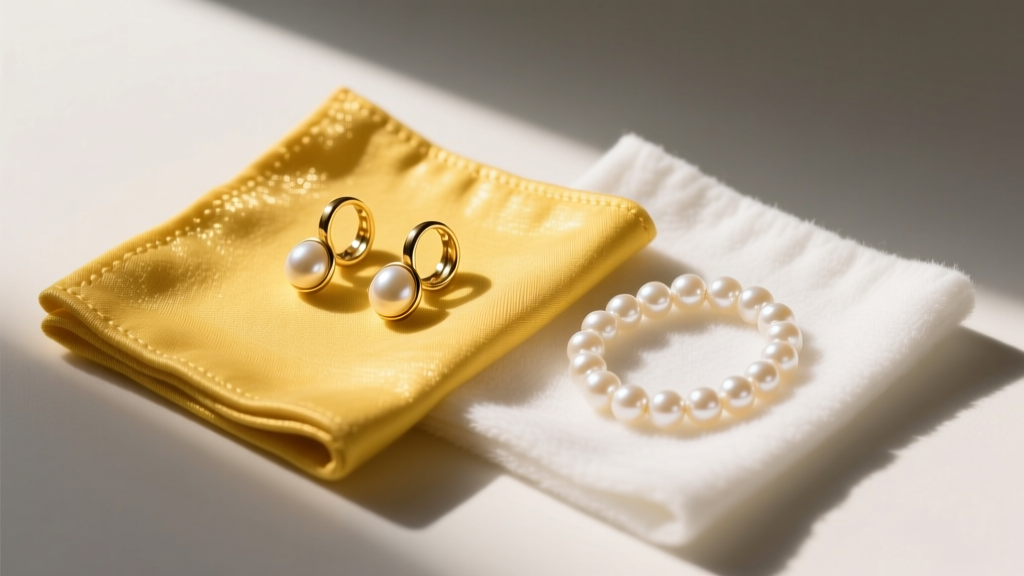
While a high-quality cloth is safe for most metals, the gemstones set within those metals require specialized consideration. The Gemological Institute of America (GIA) strictly advises against using any chemical treatments or abrasive friction on organic gems. Pearls, amber, coral, and jet rank incredibly low on the Mohs scale of hardness (often between 2.5 and 4.0). Rubbing these stones with a standard jewelry polishing cloth—even an untreated one—can cause micro-abrasions that dull their natural luster over time.
Furthermore, aggressive rubbing with any cloth near prong settings is a leading cause of stone loss in older jewelry. Apply 4 to 6 ounces of pressure using a linear, back-and-forth motion rather than circular strokes. Circular strokes can catch on slightly lifted prongs, bending them outward and releasing the gemstone. Always inspect your prongs with a 10x jeweler's loupe before undertaking any vigorous cloth polishing.
Care and Maintenance of Your Polishing Cloths
A common misconception is that jewelry polishing cloths can be washed and reused indefinitely. Never wash a treated polishing cloth. Water and detergent will strip the impregnated micro-abrasives and anti-tarnish agents, rendering the cloth useless for anything other than a basic dusting.
It is entirely normal for a treated silver cloth to turn completely black after a few uses. This is the silver sulfide (tarnish) transferring from your jewelry to the cloth. However, once the cloth is entirely black and no longer produces a shiny finish on your metal, the abrasive compound is depleted. At this point, the cloth has reached the end of its lifecycle and must be replaced. For untreated microfiber cloths used strictly for fingerprint and oil removal, you can hand-wash them in warm water with a drop of mild, lotion-free dish soap, and allow them to air dry completely before storing in a sealed bag.


