How to Clean Jewelry at Home: Mixed-Metal Stack Care
Master how to clean jewelry at home without ruining mixed-metal stacks, oxidized finishes, and vermeil. Expert trend care for 2026 layering.

The 2026 Layering Dilemma: Mixed Finishes & Delicate Alloys
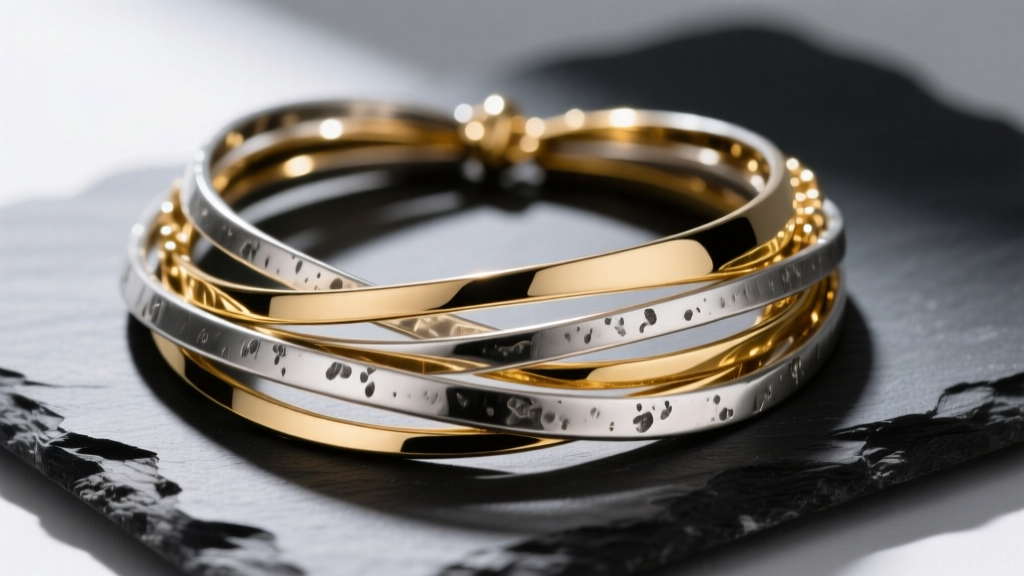
The evolution of the "neck mess" and "curated ear" trends has fundamentally shifted how we wear jewelry. In 2026, the dominant aesthetic relies heavily on mixed-metal layering, contrasting textures, and intentional oxidation. We are no longer wearing simple, uniform gold chains; we are stacking 18k gold vermeil alongside blackened sterling silver, raw unpolished gemstones, and brushed brass. While visually stunning, this stylistic shift has created a massive maintenance problem. When consumers search for ways to clean jewelry at home, they are routinely met with outdated, generic advice that can permanently destroy these complex, multi-material pieces.
Standard internet hacks—like the boiling water and aluminum foil trick, or scrubbing with toothpaste—are chemical and mechanical disasters waiting to happen on modern mixed-finish stacks. Understanding the metallurgy and gemology behind your jewelry is no longer optional; it is a prerequisite for maintaining your collection's value and aesthetic integrity.
The Chemistry of Trending Metals: Why Viral Hacks Fail
To safely clean jewelry at home, you must first understand what happens at a microscopic level when you apply popular DIY solutions to trending materials.
The Baking Soda & Foil Disaster
This viral hack relies on an electrochemical reaction. Boiling water, baking soda (sodium bicarbonate), and an aluminum foil lining create an ion exchange that converts silver sulfide (tarnish) back into pure silver. While effective for uniform, highly polished sterling silver flatware, it is catastrophic for modern jewelry trends. If your silver piece features intentional oxidation (the dark, blackened crevices that give industrial or gothic pieces their depth), this reaction will strip the oxidation entirely, leaving the piece looking flat and cheap. Furthermore, the highly alkaline environment can cause microscopic pitting on lower-karat solder joints where mixed metals connect.
The Toothpaste Abrasion Myth
Applying toothpaste to tarnished metal is essentially sanding your jewelry. Toothpaste contains silica and calcium carbonate, which rank around 3 to 4 on the Mohs scale of hardness. Pure gold is a 2.5 to 3, and silver is a 2.5 to 3. By scrubbing with toothpaste, you are using a harder abrasive to scratch a softer metal. On gold vermeil, this will instantly scour through the gold layer down to the sterling silver base.
Ultrasonic Cavitation & Plating Thickness
According to the FTC Jewelry Guides, true gold vermeil must have a minimum gold thickness of 2.5 microns over a sterling silver base. However, many fast-fashion trend pieces utilize "flash plating," which is often less than 0.5 microns thick. Ultrasonic cleaners operate at frequencies (typically 40-45 kHz) that create microscopic cavitation bubbles. When these bubbles collapse against the metal, they create localized shockwaves that literally blast thin gold plating off the surface, resulting in irreversible patchiness.
Material vs. Cleaning Agent Compatibility Matrix
Use this reference chart to determine the safest approach for the specific materials in your layered stacks.
| Material / Finish | 2026 Trend Context | Safe Home Cleaners | Fatal Cleaners | Primary Failure Mode |
|---|---|---|---|---|
| Oxidized Sterling Silver | Gothic / Industrial Stacks | Dry Microfiber Only | Baking Soda/Foil, Silver Dip | Strips intentional blackening, ruins contrast |
| 18k Gold Vermeil | Quiet Luxury Layering | Dawn Dish Soap, Horsehair Brush | Ultrasonics, Toothpaste | Cavitation blasts plating, silica causes micro-scratches |
| Raw / Unpolished Gems | Earthy / Witchcore Aesthetics | Distilled Water, Wooden Pick | Ketchup, Ultrasonics, Acids | Acid etches porous surface, vibrations cause cleavage |
| Mixed-Metal Chains | Bi-tone Neck Messes | Mild Surfactant, Lint-Free Cloth | Ammonia-based Cleaners | Galvanic corrosion at the solder joints |
Step-by-Step: How to Clean Jewelry at Home by Finish Type
To properly maintain your layered aesthetic, you must segregate your cleaning process by material. Never soak a mixed-material necklace in a single solution.
Oxidized & Blackened Silver
The goal here is to remove skin oils and environmental dust without disturbing the darkened silver sulfide in the crevices. Never use liquids. Take a clean, untreated microfiber cloth and gently buff only the high-polish raised areas. For intricate textures, use a soft, dry makeup brush (like a clean eyeshadow blending brush) to sweep dust out of the grooves. If the piece is heavily soiled with lotion, lightly dampen a cotton swab with distilled water, clean the raised areas, and immediately dry it with a microfiber cloth.
Gold Vermeil & Flash Plating
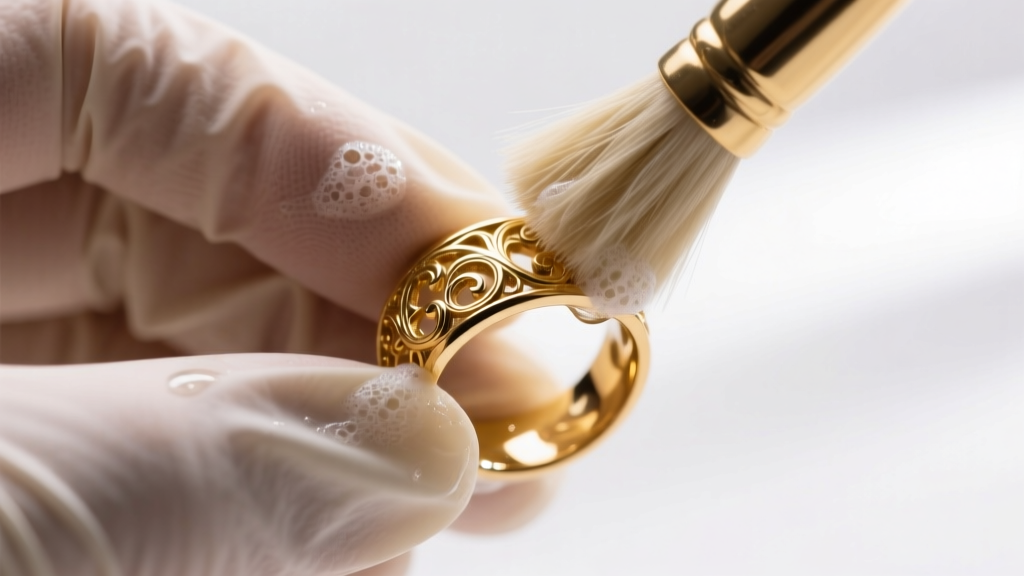
Vermeil requires a gentle, pH-neutral approach to preserve the 2.5-micron gold layer. Mix one cup of lukewarm distilled water with a single drop of mild, phosphate-free dish soap (like original blue Dawn). Submerge the vermeil piece for no more than 3 minutes. Using a baby-soft horsehair brush, gently sweep the bristles across the metal. Rinse under a slow stream of cool distilled water, and immediately pat dry with a lint-free cloth. Do not air dry, as water spots will form on the gold surface.
Raw & Unpolished Gemstones
The "witchcore" and earthy aesthetics have popularized raw, unpolished stones like turquoise, emerald, and tourmaline. According to the GIA Gem Encyclopedia, many of these stones are highly porous or heavily included. Raw turquoise will absorb soapy water and change color permanently. Raw emeralds are naturally fractured and can shatter under thermal shock or ultrasonic vibrations. To clean these, use a wooden cuticle stick or a toothpick to gently dislodge dirt from the crevices. Wipe the surface with a barely damp cloth using only distilled water, avoiding any chemical surfactants.
Tools of the Trade: Upgrading Your Home Cleaning Kit
Ditching the harsh chemicals means investing in the right mechanical tools. A professional-grade home kit should include:
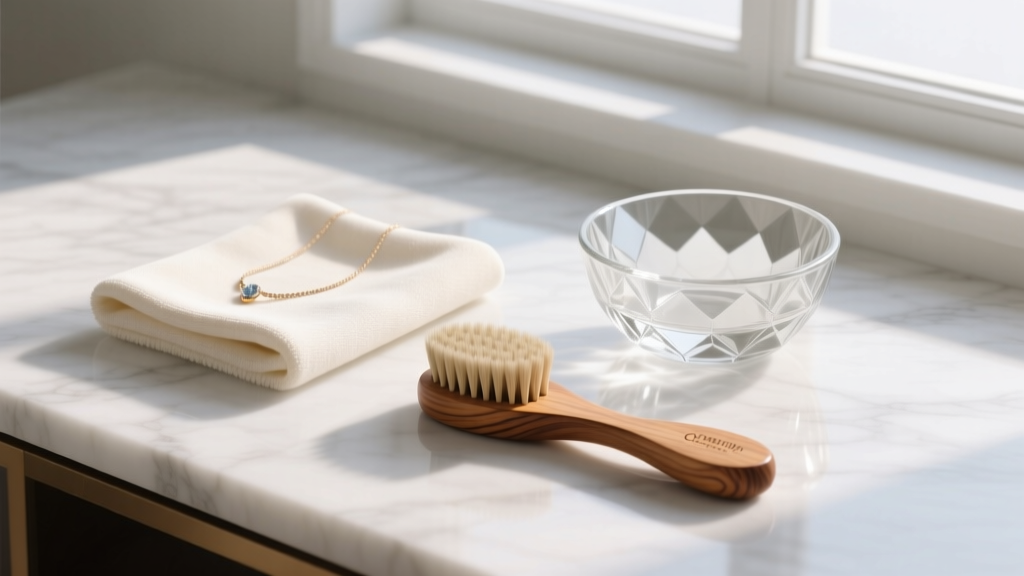
- Horsehair Brushes: Much softer than standard nylon toothbrushes, horsehair will not scratch gold or silver. Look for brushes with wooden handles to avoid plastic bristle shedding.
- Treated Polishing Cloths: Brands like Town Talk or Connoisseurs offer dual-layer cloths. The inner layer contains micro-abrasives and anti-tarnish agents for polishing, while the outer layer buffs to a shine. Note: Never use the treated inner layer on oxidized silver or matte finishes.
- Wooden Picks & Loupes: A 10x jeweler's loupe allows you to inspect prong settings and bezel edges for trapped grime before you attempt to clean them, while wooden picks prevent metal-on-metal scratching.
"The biggest mistake consumers make with mixed-metal stacks is treating the entire piece as a single material. A chain with a gold vermeil clasp and an oxidized silver body requires two entirely different cleaning protocols. Treating it as one will inevitably ruin the weaker finish." — Senior Bench Jeweler & Metallurgist
Preventative Care for High-Wear Stacked Pieces
Cleaning is reactive; preservation is proactive. Mixed-metal stacks suffer from galvanic corrosion when stored improperly. If gold and silver touch in a humid environment, the moisture acts as an electrolyte, causing the more reactive metal (silver) to tarnish at an accelerated rate where the two metals meet.
To prevent this, store your layered necklaces and bracelets individually in anti-tarnish zip-lock bags made from treated polyethylene. These bags contain molecular scavengers that absorb sulfur and oxygen from the air. For added protection in high-humidity climates, drop a small, jewelry-safe silica gel packet into each storage bag to control ambient moisture. Never store your jewelry in the bathroom, as the daily fluctuations in heat and humidity from showers will rapidly degrade both vermeil plating and raw gemstone integrity.
Final Thoughts on Trend Maintenance
The beauty of 2026's mixed-metal and textured jewelry trends lies in their complexity, but that same complexity demands a highly educated approach to maintenance. Learning how to safely clean jewelry at home is less about finding a magic chemical solution and more about understanding the physical and chemical limits of your specific materials. By abandoning harsh viral hacks and adopting a segmented, material-specific cleaning routine, you can ensure your curated stacks remain as striking and intentional as the day you layered them.


