Does Toothpaste Clean Jewelry? The Science & Safe Alternatives
Wondering if toothpaste cleans jewelry? Discover the science behind abrasive toothpaste damage and learn safe, step-by-step cleaning methods.

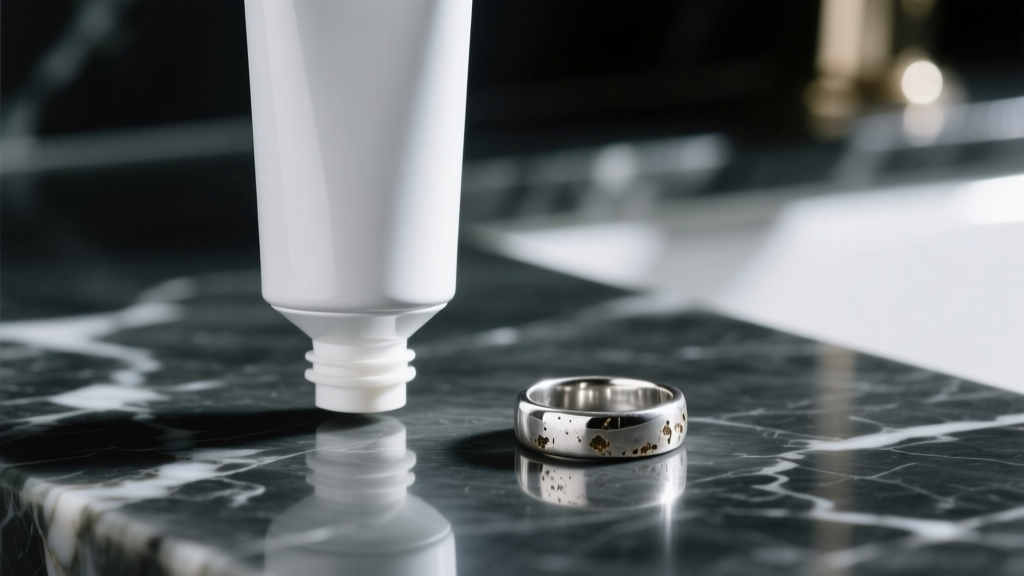
The Short Answer: Does Toothpaste Clean Jewelry Safely?
If you have ever searched for quick DIY jewelry cleaning hacks, you have likely encountered the toothpaste trick. The premise seems logical: toothpaste cleans and polishes tooth enamel, so it should easily remove tarnish from silver or grime from gold. However, as a general rule in gemology and metallurgy, you should never use toothpaste to clean jewelry. While it might appear to remove heavy tarnish in the short term, toothpaste is fundamentally an abrasive compound that causes irreversible micro-scratches, strips protective rhodium platings, and dulls the optical brilliance of softer gemstones.
In this comprehensive guide, we break down the exact science of why toothpaste damages precious metals, analyze the Mohs hardness scale, and provide professional, step-by-step cleaning protocols that will safely restore your jewelry without compromising its structural integrity.
The Science of Abrasives: Mohs Hardness and RDA Explained
To understand why toothpaste is detrimental to jewelry, we must look at two distinct scientific measurements: the Mohs Scale of Mineral Hardness and the Relative Dentin Abrasivity (RDA) scale.
Toothpaste relies on abrasive particles—most commonly hydrated silica, calcium carbonate, or dicalcium phosphate—to physically scrub plaque from teeth. According to the American Dental Association, standard whitening toothpastes have an RDA value ranging from 100 to over 150. Hydrated silica, the most common modern abrasive, registers at a 7 on the Mohs hardness scale.
Now, compare that to precious metals. Pure gold and pure silver are incredibly soft, registering at just 2.5 to 3 on the Mohs scale. Even when alloyed for durability (like 14k or 18k gold), the metal hardness rarely exceeds 4. When you scrub a Mohs 3 metal with a Mohs 7 abrasive, you are essentially sanding the metal away.
Mohs Hardness Comparison Chart
| Material | Mohs Hardness | Reaction to Toothpaste |
|---|---|---|
| Pure Silver / 925 Sterling | 2.5 - 3.0 | Severe micro-scratching, rapid loss of mirror finish |
| 14k / 18k Yellow Gold | 3.0 - 4.0 | Visible scuffing, dulling of polished surfaces |
| Platinum | 4.0 - 4.5 | Minor surface patina alteration, generally safe but not recommended |
| Hydrated Silica (Toothpaste) | 7.0 | The abrasive agent causing the damage |
| Opal / Pearl / Turquoise | 5.0 - 6.5 | Catastrophic surface etching and loss of luster |
| Diamond / Sapphire | 9.0 - 10.0 | Stone is safe, but the metal setting will be heavily scratched |
Material Breakdown: What Happens When You Scrub
Silver and Gold: The Micro-Scratch Effect
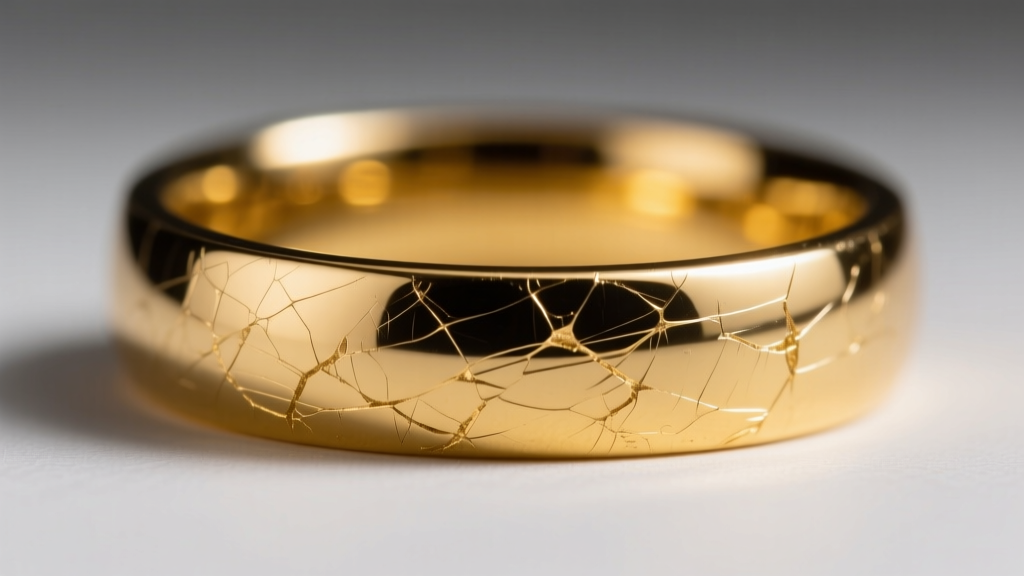
When you apply toothpaste to sterling silver or gold with a brush or cloth, the silica particles act like liquid sandpaper. You might notice the tarnish disappearing, but what you are actually doing is scratching away the oxidized top layer of the metal along with the pristine metal beneath it. Over time, this creates a cloudy, matte finish composed of thousands of microscopic grooves. These grooves then trap more dirt and oils, causing the jewelry to tarnish faster in the future.
Soft and Porous Gemstones: A Disastrous Result
Organic and porous gemstones require extreme care. According to the Gemological Institute of America (GIA), pearls, opals, turquoise, and lapis lazuli are highly sensitive to chemicals and abrasion. Toothpaste contains not only abrasives but also detergents (like sodium lauryl sulfate) and fluoride. These chemicals can strip the natural nacre of a pearl, dehydrate an opal (leading to crazing or cracking), and permanently discolor the porous matrix of turquoise.
Diamonds and Hard Stones: The Hidden Setting Risk
While a diamond (Mohs 10) cannot be scratched by toothpaste, the metal prongs holding it can be. Vigorously scrubbing a diamond ring with toothpaste and a stiff brush can wear down the delicate rhodium plating on white gold prongs and weaken the structural integrity of the setting over time, increasing the risk of losing the center stone.
The Right Way: Step-by-Step Safe Cleaning Guides
Instead of abrasive hacks, professional jewelers rely on gentle surfactants and mechanical agitation. Here is the exact step-by-step protocol for safely cleaning your jewelry at home.
Step-by-Step for Gold, Silver, and Diamond Jewelry
- Prepare the Solution: Fill a small glass bowl with 1 cup of lukewarm (not hot) water. Add exactly 3 to 4 drops of a mild, pH-neutral dish soap. Expert Tip: Original blue Dawn Ultra is the industry standard because it lacks harsh lotions or citrus additives that can react with certain alloys.
- Soak: Submerge the jewelry and let it soak for 15 to 20 minutes. This allows the surfactants to break down sebum, lotions, and environmental grime.
- Agitate: Using a baby toothbrush (which features ultra-soft bristles that will not scratch metal), gently brush the jewelry. Focus on the back of the setting (the pavilion) where dirt accumulates and kills a diamond's sparkle.
- Rinse and Dry: Rinse thoroughly under lukewarm running water (ensure the drain is plugged!). Pat dry with a lint-free microfiber cloth.
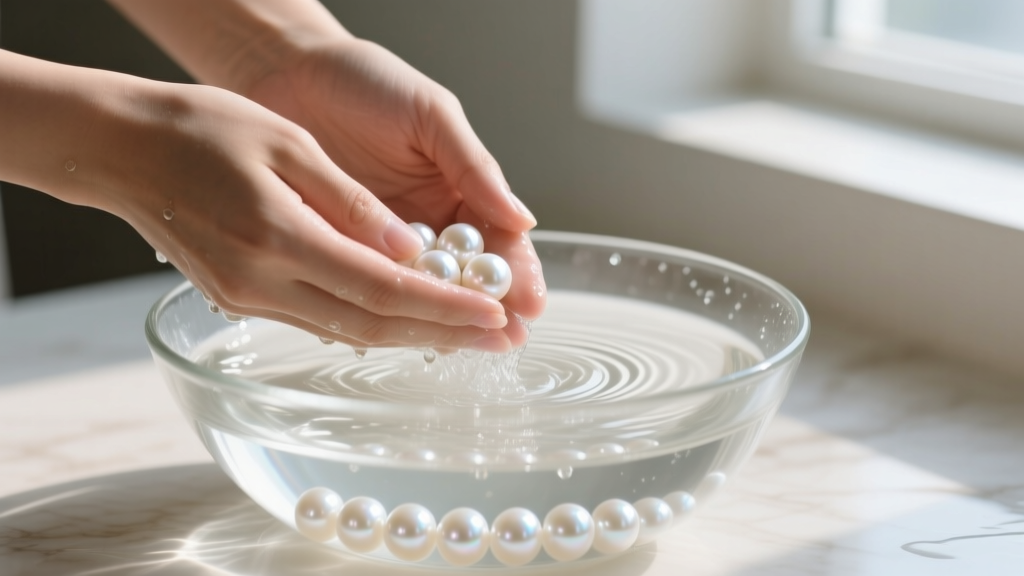
Step-by-Step for Porous Gems (Pearls, Opals, Emeralds)
Never submerge porous gems or oil-treated stones (like most emeralds) in water, as it can dissolve the adhesives or strip the cedar oils used in clarity enhancement.
- Dampen a soft, lint-free cotton cloth with plain lukewarm water.
- Gently wipe the surface of the gemstone to remove body oils and cosmetics.
- Immediately dry with a second soft cloth to prevent water spotting.
- Never use ultrasonic cleaners or steamers on these materials.
Restoring the Shine: Polishing vs. Cleaning
Cleaning removes dirt; polishing removes tarnish and restores the mirror finish. If your silver or gold is heavily tarnished, skip the toothpaste and invest in a treated jeweler's cloth. The GIA recommends using specialized polishing cloths impregnated with micro-abrasives and anti-tarnish agents. Brands like Sunshine Polishing Cloths utilize a dual-layer system: an inner layer treated with a mild, safe jeweler's rouge to lift oxidation, and an outer layer to buff the metal to a high shine. This method removes tarnish chemically and mechanically without the deep, destructive scratching caused by toothpaste silica.
When to Use Professional Ultrasonic Cleaning
For jewelry with intricate filigree, pavé settings, or heavy buildup that a baby toothbrush cannot reach, professional ultrasonic cleaners are the solution. These machines operate at frequencies between 40 and 45 kHz, creating microscopic cavitation bubbles that literally explode dirt off the metal at a microscopic level. However, ultrasonic vibrations can shatter fractured diamonds, loosen glue in tension settings, and destroy opals. Always consult a professional jeweler before subjecting heirloom or fragile pieces to ultrasonic waves.
Final Verdict & Expert Recommendations
Does toothpaste clean jewelry? Technically, it removes surface debris, but it does so by permanently damaging the metal and gemstones through aggressive abrasion. The temporary shine is never worth the long-term degradation of your precious metals. By sticking to pH-neutral surfactants, ultra-soft bristles, and specialized jeweler's cloths, you can maintain the brilliance and structural integrity of your collection for generations to come. Put the toothpaste back in the bathroom where it belongs, and treat your jewelry with the scientific care it deserves.


