What Liquid to Use in Ultrasonic Cleaner for Jewelry: Step-by-Step
Discover exactly what liquid to use in ultrasonic cleaner for jewelry. Our step-by-step guide covers safe solutions for gold, silver, and delicate gems.

The Physics of Cavitation: Why Your Liquid Choice Dictates the Clean
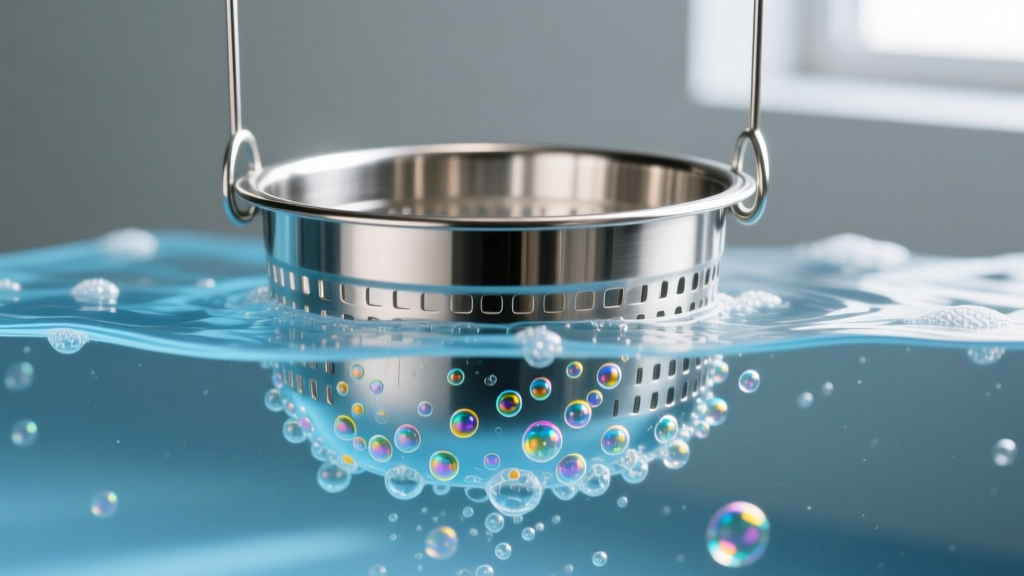
When jewelers and collectors ask what liquid to use in ultrasonic cleaner for jewelry, they are really asking about fluid dynamics and surface tension. Ultrasonic cleaners do not physically scrub your jewelry. Instead, they use high-frequency sound waves (typically 35-45 kHz) to create microscopic vacuum bubbles in a liquid medium. When these bubbles collapse against a metal surface, they generate localized temperatures of up to 5,000 Kelvin and intense micro-jets of fluid that blast away sebum, polishing compound, and environmental grime.
However, plain water has a high surface tension (approximately 72 mN/m at room temperature). This high tension prevents cavitation bubbles from forming effectively in the microscopic crevices of a pavé setting or the porous surface of a cast ring. By introducing a surfactant, you drop the surface tension to roughly 30 mN/m, allowing the cavitation implosions to occur directly against the metal and gemstone surfaces. Choosing the wrong liquid won't just result in a poor clean—it can cause irreversible chemical damage, stress corrosion cracking, or gemstone fracturing.
The Master Chart: Liquid Selection by Metal and Gemstone
Before filling your tank, you must identify your jewelry's exact material composition. According to the Gemological Institute of America (GIA), treating a delicate organic gem with the same solution used for platinum can destroy the stone in minutes. Use this reference matrix to select your base liquid.
| Material Profile | Recommended Liquid Solution | Max Cycle Time | Ideal Temperature |
|---|---|---|---|
| Platinum & Diamonds | Ammonia-based commercial concentrate | 5-8 Minutes | 50°C (122°F) |
| 14k/18k Yellow & White Gold | Distilled water + Non-ionic surfactant (mild dish soap) | 3-5 Minutes | 40°C (104°F) |
| Rose Gold (Copper Alloys) | Distilled water + pH-neutral jewelry soap (NO ammonia) | 3 Minutes | 35°C (95°F) |
| Sterling Silver (No Plating) | Distilled water + specialized silver ultrasonic fluid | 2-3 Minutes | 30°C (86°F) |
| Pearls, Opals, Emeralds | NEVER SUBMERGE (Dry brush only) | N/A | N/A |
Step-by-Step Guide: Mixing the Perfect DIY Ultrasonic Solution
While commercial concentrates are excellent, a properly mixed DIY solution is highly effective for everyday maintenance of gold, platinum, and diamond pieces. Follow these precise steps to formulate a safe, high-cavitation liquid.
Step 1: Establish the Base (Distilled Water Only)
Never use tap water in an ultrasonic cleaner. Tap water contains dissolved calcium and magnesium ions. When subjected to ultrasonic heating and cavitation, these minerals precipitate out of the solution and will etch microscopic, permanent hard-water spots into high-polish gold and platinum surfaces. Always use distilled or deionized water as your base.
Step 2: Introduce the Surfactant
For a DIY solution, a high-quality, non-citrus, non-bleach dish detergent (such as Dawn Ultra) acts as an excellent non-ionic surfactant. The ratio is critical: use exactly 1 to 1.5 teaspoons of liquid soap per 1 liter of distilled water. Adding too much soap will create a thick foam layer on top of the water, which absorbs the ultrasonic waves and prevents the energy from reaching the jewelry basket.
Step 3: Temperature Calibration
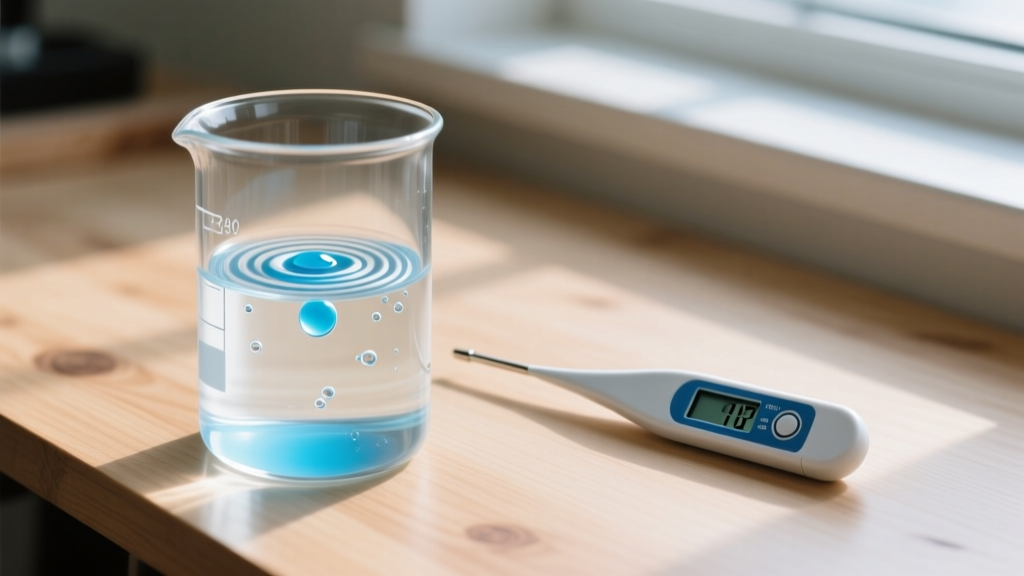
Cavitation is highly temperature-dependent. According to the Elma Ultrasonic Cleaning Chemistry Guide, the optimal temperature for aqueous surfactant solutions is between 40°C and 50°C (104°F - 122°F). At this range, the vapor pressure inside the cavitation bubbles is optimized for maximum implosive force. If your machine lacks a heater, run a 5-minute blank cycle to allow the transducer's ambient heat to warm the water before adding your jewelry.
Expert Warning on Ammonia: While ammonia-based cleaners (like Windex or commercial diamond dips) yield brilliant results on platinum and diamonds, ammonia aggressively oxidizes the copper alloys present in rose gold and lower-karat yellow gold. Prolonged ultrasonic exposure to ammonia will cause stress corrosion cracking in these alloys, eventually leading to prong failure and lost stones.
Commercial Concentrates vs. DIY: When to Upgrade
If you are cleaning heavily oxidized silver, removing jeweler's rouge (polishing compound) from newly cast pieces, or dealing with severe sebum buildup, DIY dish soap may fall short. In these scenarios, you need a commercial alkaline or enzymatic concentrate.
- Blitz 653 Ultrasonic Jewelry Cleaner: A highly regarded, ammonia-free concentrate that uses specialized chelating agents to bind to dirt and oils without attacking soft metals or porous gemstone treatments. Ideal for mixed-metal pieces and vintage jewelry.
- iSonic Concentrate (Detergent CD-1280): Formulated specifically to break down heavy organic matter and body oils. Excellent for diamond tennis bracelets and platinum wedding bands that suffer from lotion buildup.
- Simplex LP-200: An alkaline powder concentrate used by professional bench jewelers to strip polishing compounds off metals immediately after buffing. Not recommended for consumer use on set gemstones.
The "Never Submerge" List: Gemstones That Hate Ultrasonics
Knowing what liquid to use is only half the battle; knowing what not to put in the tank is a matter of gemological survival. The violent implosion of cavitation bubbles generates shockwaves that can shatter brittle stones or strip essential chemical treatments.
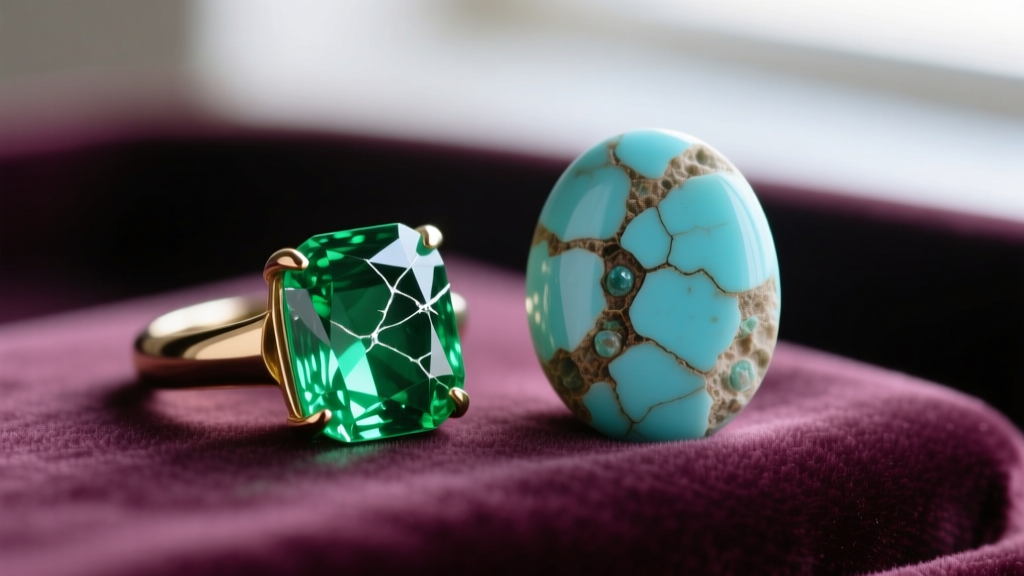
- Emeralds: Over 90% of commercial emeralds are fracture-filled with cedar oil or synthetic resins to improve clarity. Ultrasonic waves will boil the oil out of the fissures, leaving the stone looking cloudy, heavily fractured, and significantly devalued.
- Opals: Opals contain up to 20% water within their silica structure. The localized heat and vibrational shock of an ultrasonic cleaner can cause "crazing"—a network of internal cracks that destroys the stone's play-of-color and structural integrity.
- Pearls and Coral: These organic gems are composed of calcium carbonate. They are incredibly soft (2.5-4.5 on the Mohs scale) and highly reactive to even mildly acidic or alkaline solutions. The ultrasonic vibrations will literally dissolve the nacre and detach the pearl from its post.
- Tanzanite and Topaz: These gems possess perfect cleavage planes. The microscopic shockwaves can exploit these natural fault lines, causing the stone to cleave or chip internally without any external pressure.
- Turquoise and Lapis Lazuli: Both are highly porous and frequently treated with waxes or dyes. Ultrasonic cleaning will strip the dye and wax, resulting in severe color loss and a chalky texture.
The Step-by-Step Cleaning Cycle & Post-Care Protocol
Once you have selected the correct liquid and verified your gemstones are safe, follow this professional protocol to ensure a flawless finish without water spotting.
1. Pre-Soak (Optional): For heavily soiled items, let them sit in the solution for 5 minutes with the ultrasonic function turned off. This allows the surfactant to begin breaking down surface lipids.
2. The Active Cycle: Turn on the machine. Set the timer for 3 minutes. If the jewelry is heavily soiled, flip the piece over using plastic tweezers (never metal, as it can scratch the gold) and run for another 2 minutes. Never exceed 8 minutes total, as prolonged exposure can loosen adhesive-set stones or fatigue metal clasps.
3. The Distilled Rinse: Remove the basket. Do not rinse the jewelry under tap water. Instead, dip the jewelry into a secondary bowl of pure, unsoaped distilled water. This halts the cleaning action and prevents soap residue from drying on the metal.
4. Drying and Polishing: Shake off excess water and immediately dry the piece using a lint-free microfiber cloth or a blast of compressed air. Pay special attention to the back of settings (the gallery), where water loves to pool and cause skin irritation when worn.
By understanding the chemistry of your cleaning solution and respecting the physical limits of your gemstones, your ultrasonic cleaner will transition from a risky gadget to an indispensable tool in your jewelry care arsenal.