Should You Clean Jewelry With Toothpaste? 2026 Gift Care Guide
Discover why you should never clean jewelry with toothpaste. Our 2026 guide covers occasion-specific care and the best gift add-ons for jewelry lovers.

The Well-Intentioned Gift Care Mistake
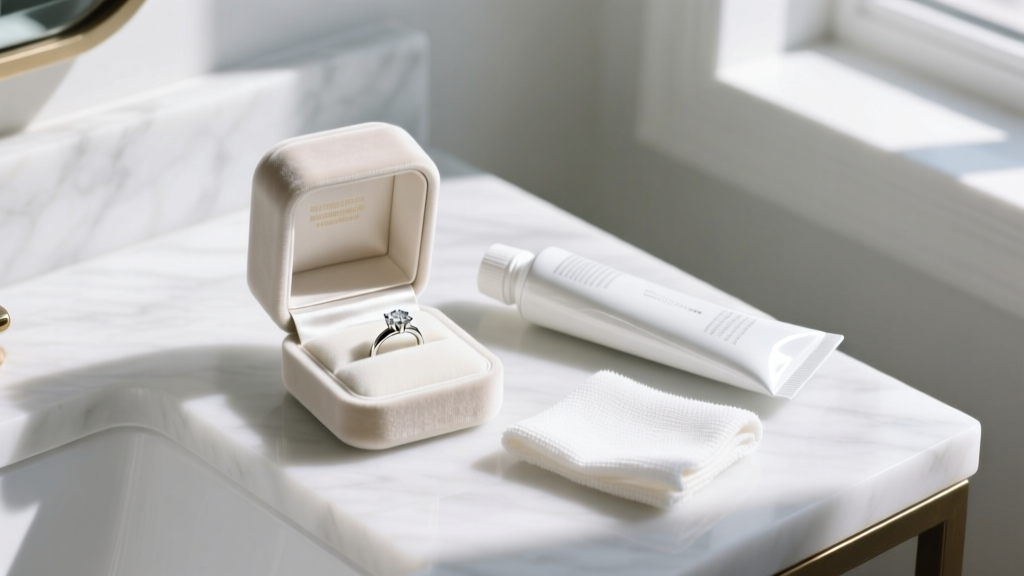
Fine jewelry remains one of the most cherished gifts for anniversaries, graduations, and milestone holidays. Yet, the lifecycle of a gifted piece doesn't end at the unboxing; it requires lifelong maintenance. When recipients search for quick, at-home maintenance hacks, they inevitably encounter a viral, yet deeply destructive, piece of advice: the idea that you can safely clean jewelry with toothpaste. As a gift-giver or a new jewelry owner in 2026, understanding the metallurgical reality behind this myth is crucial to preserving the sentimental and financial value of your precious pieces.
The toothpaste hack stems from a fundamental misunderstanding of how tarnish and oxidation work. While the friction of brushing a silver ring with a toothbrush and minty paste might temporarily remove surface tarnish, it does so by aggressively sanding away the top layer of the metal. According to the Gemological Institute of America (GIA), household cleaners and abrasive pastes are among the leading causes of micro-scratches and degraded finishes in precious metals. When assembling a jewelry gift, including proper care instructions—and explicitly warning against this viral hack—is one of the most thoughtful things you can do.
The Science of Scratches: Toothpaste vs. Precious Metals
To understand why you must never clean jewelry with toothpaste, we have to look at the Mohs Hardness Scale and the Relative Dentin Abrasivity (RDA) index. Toothpaste is formulated to scrub plaque and stains off human teeth. Enamel is roughly a 5 on the Mohs scale. To clean it effectively, toothpaste manufacturers use abrasive compounds like hydrated silica or calcium carbonate, which sit around a 7 on the Mohs scale.
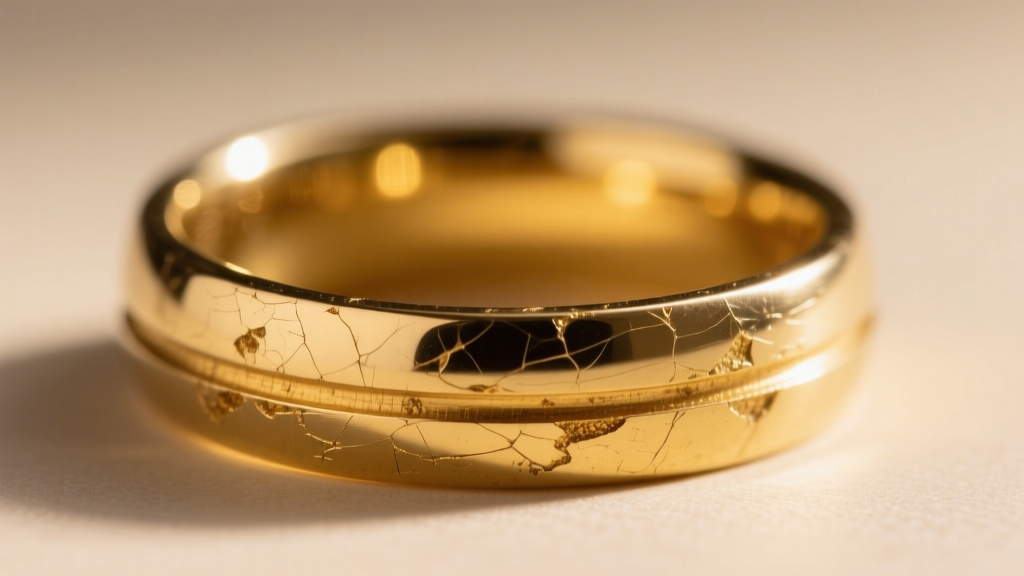
Now, consider the metals used in fine jewelry. Pure gold is a 2.5. Sterling silver is a 2.5 to 3. Even platinum, one of the most durable jewelry metals, only reaches a 4.5. Because the abrasives in toothpaste are significantly harder than the metals in your jewelry, brushing them together acts like sandpaper on glass. According to the American Dental Association (ADA), many whitening toothpastes boast an RDA score over 100, meaning they are aggressively engineered to scour surfaces. When applied to an 18k gold band, this results in irreversible micro-abrasions that permanently dull the metal's luster.
| Material | Mohs Hardness | Result of Toothpaste Contact |
|---|---|---|
| Hydrated Silica (Toothpaste) | 7.0 | N/A (The abrasive agent) |
| 18k Yellow Gold | 2.5 - 3.0 | Severe micro-scratching, loss of polish |
| Sterling Silver | 2.5 - 3.0 | Removes tarnish but strips healthy silver |
| Platinum | 4.0 - 4.5 | Surface patina altered, high-polish ruined |
| Rhodium Plating | 6.0 | Stripped away, exposing yellow gold alloy |
Occasion-Specific Care: Protecting Your Gifted Jewelry
Different gifting occasions usually dictate the type of jewelry given, and each material requires a highly specific care protocol that completely excludes dental hygiene products.
The Proposal or Anniversary Diamond Ring
If you have gifted or received a white gold diamond engagement ring, you are dealing with rhodium plating. White gold is naturally yellowish; it is electroplated with a microscopic layer of rhodium (usually 0.75 to 1.0 microns thick) to achieve a bright, mirror-like white finish. If you attempt to clean jewelry with toothpaste, the hydrated silica will strip this fragile plating in a single session. The ring will take on a dull, yellowish-gray hue, requiring a professional re-plating service that typically costs between $60 and $120. Instead, soak the ring in warm water with a few drops of mild, phosphate-free dish soap, and gently agitate with a soft baby toothbrush.
Graduation Sterling Silver Charms and Chains
Sterling silver (92.5% silver, 7.5% copper) is a classic graduation gift. The copper alloy is what causes silver to tarnish when exposed to sulfur and moisture in the air. While toothpaste might physically rub the black tarnish off, it simultaneously gouges the silver, creating microscopic valleys where future tarnish will accumulate even faster. For silver gifts, include a treated silver polishing cloth in the gift box. Brands like Hagerty or Connoisseurs use embedded anti-tarnish agents that chemically lift oxidation without relying on harsh physical abrasives.
Milestone Birthday Pearls and Opals
Gifting pearls or opals for a 30th or 50th birthday requires extreme caution. These are not just soft gems; they are porous, organic-adjacent materials. Pearls are made of nacre (calcium carbonate), and opals contain up to 20% water. Toothpaste contains fluoride, whitening chemicals, and Sodium Lauryl Sulfate (SLS). These chemicals can easily penetrate the porous surface of a pearl, degrading the nacre from the inside out and causing irreversible cloudiness. As noted in the Tiffany & Co. Care Guide, organic gems should only ever be wiped with a damp, lint-free cloth and stored away from extreme heat or dry conditions.
The 2026 Jewelry Care Kit: The Ultimate Gift Add-On
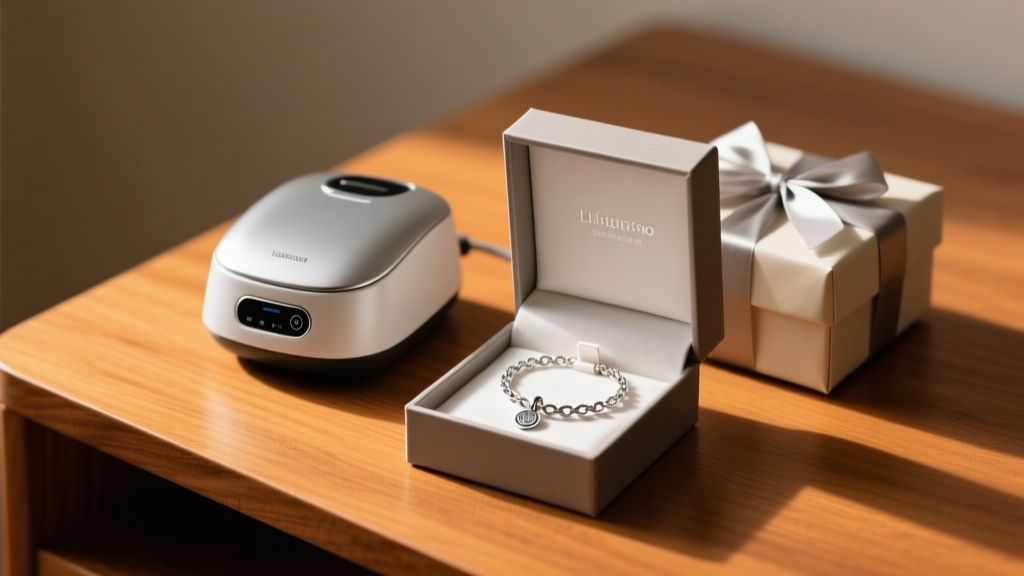
If you want to elevate your jewelry gift from a simple box to a comprehensive experience, build a custom jewelry care kit. This is especially relevant for holiday gifting or bridal party presents. Skip the DIY internet hacks and curate a selection of professional-grade, material-safe tools. Here is what to include based on the recipient's primary jewelry type:
- For the Diamond & Platinum Lover: A compact, frequency-tuned ultrasonic cleaner (like the Magnasonic Professional) paired with a concentrated, ammonia-free diamond cleaning solution. Note: Ultrasonics should never be used on fracture-filled diamonds, emeralds, or pearls.
- For the Silver Collector: A silver dip bath for heavy tarnish removal (used strictly for 10-second intervals), a microfiber drying towel, and anti-tarnish storage strips infused with activated charcoal to keep the jewelry box environment sulfur-free.
- For the Everyday Gold Wearer: A soft, natural horsehair detailing brush. Horsehair is incredibly soft and will not scratch 14k or 18k gold, but it is stiff enough to dislodge lotion and sebum buildup from behind prongs and under gallery wires.
- For the Pearl & Opal Aficionado: A specialized, pH-neutral gem wipe and a silk-lined travel pouch to prevent harder gems in their collection from scratching the soft nacre during transit.
Final Verdict: Leave the Toothpaste in the Bathroom
The idea that you can safely clean jewelry with toothpaste is a persistent, destructive myth born from social media life-hacks. The abrasive compounds required to clean human enamel are vastly harder than precious metals and delicate gemstone settings.
When gifting fine jewelry, the presentation is only the beginning. By providing the recipient with the correct, science-backed care tools—and explicitly warning them against the toothpaste trap—you ensure that the piece you gifted will retain its brilliance, structural integrity, and sentimental value for generations to come. In 2026, true luxury is defined not just by the carat weight or metal purity, but by the knowledge of how to preserve it.


