How to Clean Fashion Jewelry Without Ruining the Plating
Learn how to clean fashion jewelry safely with our step-by-step guide. Protect gold plating, rhodium finishes, and simulated stones from damage.

If you have ever dropped a favorite pair of gold-toned hoop earrings into a bowl of baking soda and vinegar, only to watch the finish strip away to reveal dull brass underneath, you already know the stakes. Learning how to clean fashion jewelry requires a completely different methodology than caring for fine jewelry. While solid gold, platinum, and genuine diamonds can withstand ultrasonic waves and harsh chemical baths, fashion jewelry—typically crafted from base metals with microscopic surface plating and glued-in simulated stones—demands a gentle, highly strategic approach.
In this comprehensive guide, we break down the exact material science behind fashion jewelry, the common household cleaners that cause irreversible damage, and the precise step-by-step protocols used by professional stylists to restore brilliance without compromising the structural integrity of your pieces.
The Anatomy of Fashion Jewelry (And Why It Is Fragile)
To clean fashion jewelry effectively, you must first understand its construction. Unlike fine jewelry, which is cast from solid precious metal alloys, fashion jewelry relies on a base metal core—usually brass, copper, or a nickel-silver alloy—coated with a thin layer of precious metal.
Plating Thickness and Vulnerability
According to the Federal Trade Commission (FTC) Jewelry Guides, standard gold electroplating on fashion items is often classified as "flash plating," which measures a mere 0.175 microns in thickness. To put that in perspective, a human hair is roughly 70 microns thick. This microscopic layer is highly susceptible to abrasion and chemical stripping. Even higher-end fashion pieces utilizing Physical Vapor Deposition (PVD) or gold vermeil (which requires a minimum of 2.5 microns of gold over sterling silver) can degrade if subjected to improper cleaning agents.
The Reality of Simulated Gemstone Settings
Fine jewelry utilizes prong, bezel, or channel settings to mechanically secure gemstones. Mass-market fashion jewelry, however, frequently relies on industrial epoxies or cyanoacrylate adhesives to secure cubic zirconia, glass, acrylic, or resin cabochons. Prolonged exposure to water, alcohol, or ammonia softens these adhesives, leading to the infamous "missing stone" phenomenon after a single cleaning session.
Materials and Methods You Must Avoid at All Costs
Before we detail the correct protocol, it is critical to eliminate the following common DIY cleaning methods from your routine. These are responsible for the vast majority of ruined fashion pieces:
- Baking Soda Pastes: Baking soda has a Mohs hardness of 2.5. Gold is also 2.5 to 3. Scrubbing flash-plated jewelry with baking soda acts like sandpaper, creating micro-scratches that permanently dull the finish and expose the base metal.
- Toothpaste: Toothpaste contains hydrated silica abrasives designed to strip plaque from enamel. On soft gold or rhodium plating, it will cause irreversible friction damage.
- Ultrasonic Cleaners: Operating at frequencies around 40kHz, ultrasonic cleaners create cavitation bubbles that implode with localized heat and shockwaves. This process will instantly shatter glued-in glass or acrylic stones and liquefy the epoxy holding your cubic zirconia in place.
- Ammonia and Bleach: Ammonia (found in many commercial silver dips and window cleaners) reacts aggressively with copper and brass alloys. If there is a micro-fissure in your plating, ammonia will seep in and cause the base metal to oxidize rapidly from the inside out, creating a green or black stain that cannot be polished away.
Step-by-Step: The Safe Soap and Water Method
For routine maintenance and the removal of daily body oils, lotions, and environmental dust, a modified soap-and-water technique is the gold standard. The Gemological Institute of America (GIA) recommends mild, pH-neutral detergents for the safest gemstone and metal care.
Step 1: Prepare the Cleaning Solution
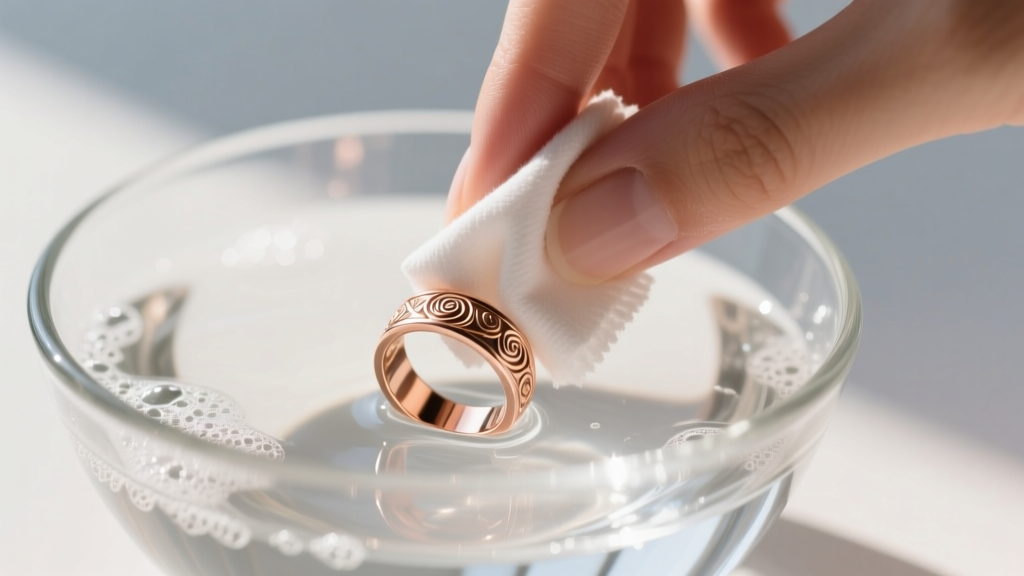
Fill a small glass bowl with lukewarm water. Hot water can accelerate the degradation of jewelry adhesives. Add two drops of a pH-neutral, lotion-free dish soap (such as original blue Dawn). Avoid soaps containing moisturizers or citrus extracts, as citric acid can react with exposed copper alloys.
Step 2: The 60-Second Dip and Swish
Submerge your fashion jewelry in the solution. Do not let it soak. Limit the water exposure to exactly 60 seconds. Gently swish the piece back and forth to allow the surfactants in the soap to lift away sebum and cosmetic residue. Never scrub the piece against the bottom of the bowl.
Step 3: Targeted Detail Work
If grime is trapped behind a simulated stone or within a intricate filigree pattern, use a brand-new, ultra-soft baby toothbrush. Dip the brush in the soapy water and lightly tap—do not scrub—the bristles against the crevices. The capillary action of the bristles will pull the dirt out without applying friction to the plating.
Step 4: The Microfiber Dry
Rinse the piece briefly under a slow stream of lukewarm water. Immediately pat it dry with a lint-free microfiber cloth. Do not use paper towels or tissue paper; wood pulp fibers are coarse enough to leave micro-scratches on high-polish rhodium and gold finishes. Ensure the area behind the stones is completely dry, as trapped moisture will degrade the epoxy over time.
Addressing Stubborn Tarnish and Acrylic Elements
Sometimes, fashion jewelry requires more than a simple wash. Here is how to handle specific material challenges without causing collateral damage.
Copper Bleed and Heavy Oxidation
If your gold-plated brass jewelry has developed dark, tarnished spots where the plating has worn thin, you are witnessing copper oxidation. Do not use silver polish. Instead, apply a minuscule amount of isopropyl alcohol (70%) to a cotton swab and gently roll it over the tarnished base metal area, strictly avoiding the plated surfaces and any glued stones. The alcohol will dissolve the oxidation. Follow up immediately with a dry microfiber buff.
Cleaning Acrylic and Resin Components
Many statement fashion pieces incorporate acrylic or poured resin. These plastics are highly porous and prone to "crazing" (a network of fine cracks) when exposed to alcohol, ammonia, or hot water. To clean acrylic jewelry, use only a damp microfiber cloth with a single drop of mild soap, wiping in a single direction. Never submerge acrylic pieces in any liquid.
Comparison Chart: Fine vs. Fashion Jewelry Cleaning Protocols
Understanding the divergent care requirements between fine and fashion jewelry is essential for preserving your collection. Use the table below as a quick reference guide to avoid catastrophic cleaning mistakes.
| Cleaning Factor | Fine Jewelry (Solid Gold/Platinum) | Fashion Jewelry (Plated Base Metal) |
|---|---|---|
| Ultrasonic Cleaners | Safe for most diamonds and solid metals | Strictly Prohibited (shatters glue/stones) |
| Soaking Time | 15 to 30 minutes | Maximum 60 seconds |
| Abrasives (Baking Soda) | Occasionally used for heavy tarnish | Strictly Prohibited (strips flash plating) |
| Drying Method | Air dry or blow-dry | Immediate microfiber hand-dry required |
| Chemical Dips | Safe for specific metal types | Strictly Prohibited (causes copper bleed) |
Pro Tips for Extending Plating Lifespan Post-Cleaning
Cleaning is only half the battle; proper post-cleaning preservation is what separates a one-season accessory from a long-term wardrobe staple.
The Micro-Crystalline Wax Barrier
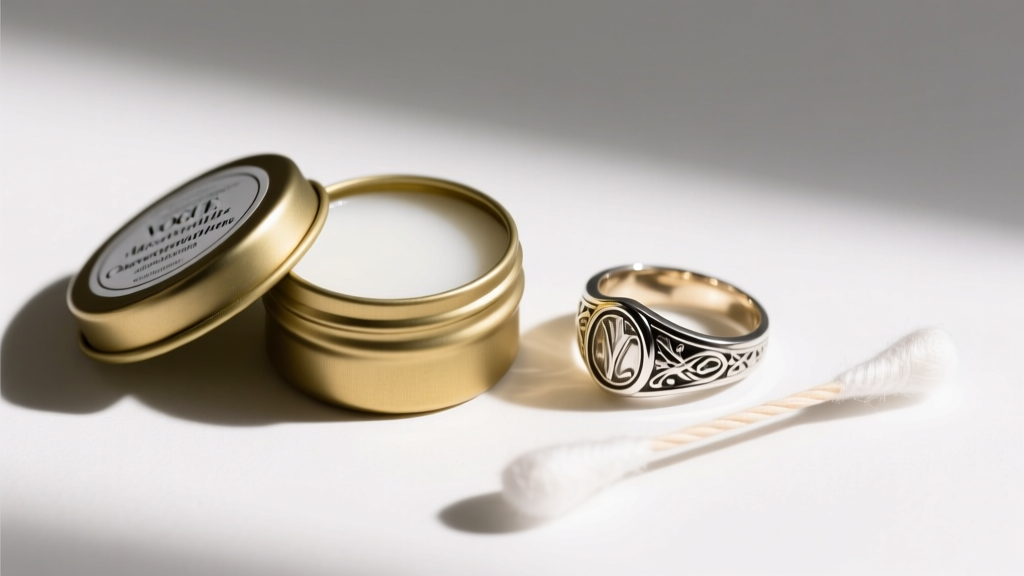
Museum conservators use micro-crystalline wax (such as Renaissance Wax) to protect historical metal artifacts from oxidation. You can apply this exact same technology to your fashion jewelry. After cleaning and thoroughly drying a piece, apply a microscopic layer of conservation wax using a soft cotton swab. Buff it gently with a clean microfiber cloth. This creates an invisible, breathable barrier that blocks oxygen and moisture from reaching the base metal, delaying tarnish and preventing the dreaded "green skin" reaction caused by copper alloys mixing with your natural sweat acidity.
Strategic Storage Environments
Never store freshly cleaned fashion jewelry in the bathroom, where ambient humidity from showers accelerates oxidation. Instead, store pieces in individual anti-tarnish cloth pouches or zip-lock bags with the air pressed out. Include a small silica gel desiccant packet in your jewelry box to maintain a low-humidity microclimate, ensuring your plating remains pristine between wears.
"The biggest mistake consumers make is treating a $40 gold-plated brass ring with the same chemical protocols as a $4,000 solid gold ring. Fashion jewelry is essentially wearable art; it requires the gentle touch of an art conservator, not the heavy hand of a mechanic."
By respecting the delicate architecture of base metals, thin plating, and adhesive settings, you can safely maintain the brilliant finish of your favorite pieces. Follow these precise steps on how to clean fashion jewelry, and your collection will continue to turn heads without showing the wear and tear of daily life.


