Can You Clean Jewelry With Toothpaste? The TikTok Trend Tested
Wondering if you can clean jewelry with toothpaste? We analyze the viral DIY trend, the science of abrasives, and what it does to your gems.

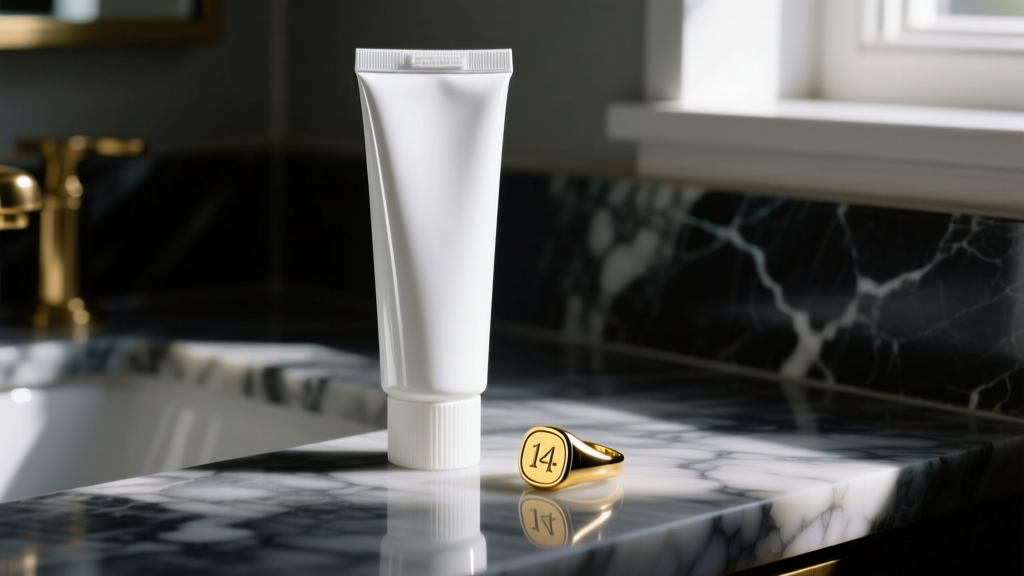
Every few months, a new life-hack video sweeps across social media, promising to restore heavily tarnished jewelry to a mirror-like shine using nothing but a common household staple. The most persistent of these viral queries is: can you clean jewelry with toothpaste? From a purely visual standpoint, the 15-second before-and-after reveals are undeniably satisfying. The foaming action and vigorous scrubbing appear to lift years of oxidation and grime from neglected silver and gold pieces. However, as jewelry stylists and trend analysts, we look past the fleeting dopamine hit of a quick visual fix. True style is rooted in longevity, preservation, and respecting the artisan's original finish. In this deep dive, we examine the intersection of internet culture and material science to determine if this popular DIY hack is a harmless shortcut or a catastrophic mistake for your fine jewelry collection.
The Viral Allure: Why the Toothpaste Hack Dominates Feeds
To understand why the toothpaste cleaning trend continually resurfaces, we have to look at the psychology of digital style content. Social media algorithms heavily favor high-contrast transformations. A blackened sterling silver chain dipped in a paste and scrubbed with an old toothbrush provides immediate, dramatic results. Furthermore, toothpaste is universally accessible. It requires no special orders, no expensive ultrasonic machines, and no trips to the jeweler. For the fast-fashion consumer accustomed to replacing rather than repairing, a tube of minty paste seems like the ultimate zero-cost maintenance tool.
But fine jewelry is not a disposable commodity. The aesthetic appeal of high-end metals and gemstones relies on precise light refraction and meticulously polished surfaces. When influencers recommend aggressive DIY methods, they are prioritizing immediate visual impact over the structural and aesthetic integrity of the piece. The trend reflects a broader cultural disconnect between the acquisition of luxury items and the specialized knowledge required to maintain them. While the internet celebrates the 'reveal,' professional jewelers quietly mourn the irreversible micro-damage inflicted on the metal.
The Science of Scratches: RDA Meets the Mohs Scale
To definitively answer whether you can clean jewelry with toothpaste, we must examine the chemical and physical properties of the cleaner versus the cleaned. Toothpaste is not merely soap; it is a mild abrasive designed to mechanically remove plaque and surface stains from tooth enamel. The abrasivity of any toothpaste is measured by its Relative Dentin Abrasivity (RDA) value. According to the American Dental Association, standard toothpastes have an RDA between 70 and 100, while heavily marketed 'whitening' or 'smoker's' toothpastes can exceed an RDA of 150.
These RDA values are achieved through hard particulate matter, most commonly hydrated silica, calcium carbonate, or dicalcium phosphate. On the Mohs scale of mineral hardness, hydrated silica ranks at a 7. To put this into a devastating perspective for jewelry lovers, 14k and 18k yellow gold have a Mohs hardness of roughly 2.5 to 3. Sterling silver sits at a similar 2.5 to 3. Using a silica-based whitening toothpaste to scrub a gold ring is the metallurgical equivalent of using industrial sandpaper on soft pine wood. You are not cleaning the metal; you are actively excavating it.
| Material | Mohs Hardness | Vulnerability to Toothpaste |
|---|---|---|
| Hydrated Silica (Toothpaste) | 7.0 | N/A (The Abrasive) |
| Sterling Silver (925) | 2.5 - 3.0 | Extreme (Severe Scratching) |
| 18k Yellow Gold | 2.5 - 3.0 | Extreme (Severe Scratching) |
| Platinum (950) | 4.0 - 4.5 | High (Surface Marring) |
| Tanzanite / Opal | 5.5 - 6.5 | High (Loss of Polish) |
| Sapphire / Ruby | 9.0 | Low (Safe, but settings at risk) |
Material Breakdown: What Survives and What Ruins
The question 'can you clean jewelry with toothpaste' does not have a universal yes or no answer; it is entirely dependent on the specific material composition of your piece. Let us break down how different categories of jewelry react to this viral hack.
Sterling Silver and Gold Alloys
Because silver and gold alloys are significantly softer than the abrasives in toothpaste, scrubbing them will result in a network of microscopic scratches. Initially, this might look like a 'satin' or 'brushed' finish, which some may mistake for a clean surface. However, under a jeweler's loupe, the surface is deeply gouged. Over time, these micro-scratches trap dirt, oils, and lotions, causing the jewelry to tarnish and soil much faster than before. You have effectively created a sponge for grime on a microscopic level.
Platinum and Palladium
Platinum is denser and slightly harder than gold, but it is still softer than silica. While it may not lose metal mass as quickly, toothpaste will rapidly degrade a high-polish platinum finish, leaving it cloudy and dull. Platinum develops a natural patina over time, which many collectors prize, but the chaotic, uneven scratching caused by toothpaste abrasives is aesthetically displeasing and entirely unintended.
Soft and Porous Gemstones
If your jewelry features organic or porous gems, toothpaste is an absolute catastrophe. Pearls (Mohs 2.5), coral, turquoise, malachite, and opals are highly susceptible to both the physical abrasives and the chemical detergents (like sodium lauryl sulfate) found in toothpaste. The paste will strip the delicate nacre from pearls, leaving them chalky and lifeless, and can become permanently lodged in the porous crevices of turquoise, causing irreversible staining.
Diamonds, Sapphires, and Moissanite
Diamonds (Mohs 10), sapphires (Mohs 9), and moissanite (Mohs 9.25) are harder than the silica in toothpaste, meaning the gemstone itself will not scratch. However, the Gemological Institute of America (GIA) strongly advises against using harsh abrasives on diamond jewelry. Why? Because the toothpaste will aggressively scratch the gold or platinum prongs holding the stone in place, potentially weakening the setting and increasing the risk of losing the diamond. Furthermore, the thick paste easily cakes underneath the pavilion of the diamond, blocking light return and making the stone look cloudy.
The Aesthetic Cost: Micro-Scratches and Patina Loss
From a style and design perspective, the finish of a piece of jewelry is as important as its silhouette. High-end designers spend hours achieving specific surface textures—be it a flawless mirror polish, a delicate matte sandblast, or a precise Florentine cross-hatch. The toothpaste hack obliterates these intentional design choices. A mirror-polished 18k gold band relies on a perfectly flat surface to reflect light cohesively. When coated in micro-scratches, the light is scattered diffusely. The ring no longer gleams; it glows with a dull, cloudy haze.
Furthermore, for collectors of antique or vintage jewelry, aggressive cleaning destroys historical value. The dark oxidation (patina) that settles into the intricate filigree and milgrain edges of an Art Deco or Victorian piece provides contrast and depth, highlighting the craftsmanship. Toothpaste scrubbing strips this contrast, leaving the piece looking flat, cheap, and aggressively 'new' in the worst possible way.
Expert-Approved Alternatives to the Toothpaste Hack
Now that we have established the dangers of this trend, how should you maintain your jewelry's brilliance? Professional stylists and bench jewelers rely on methods that dissolve dirt chemically rather than scraping it off mechanically.
- The Dish Soap Soak: The undisputed champion of daily jewelry care. Mix a few drops of mild, non-detergent dish soap (like original Dawn) into a bowl of lukewarm water. Let the jewelry soak for 15 minutes to break down sebum and cosmetics. Gently agitate with a brand-new, ultra-soft baby toothbrush, then rinse under warm water and pat dry with a lint-free microfiber cloth.
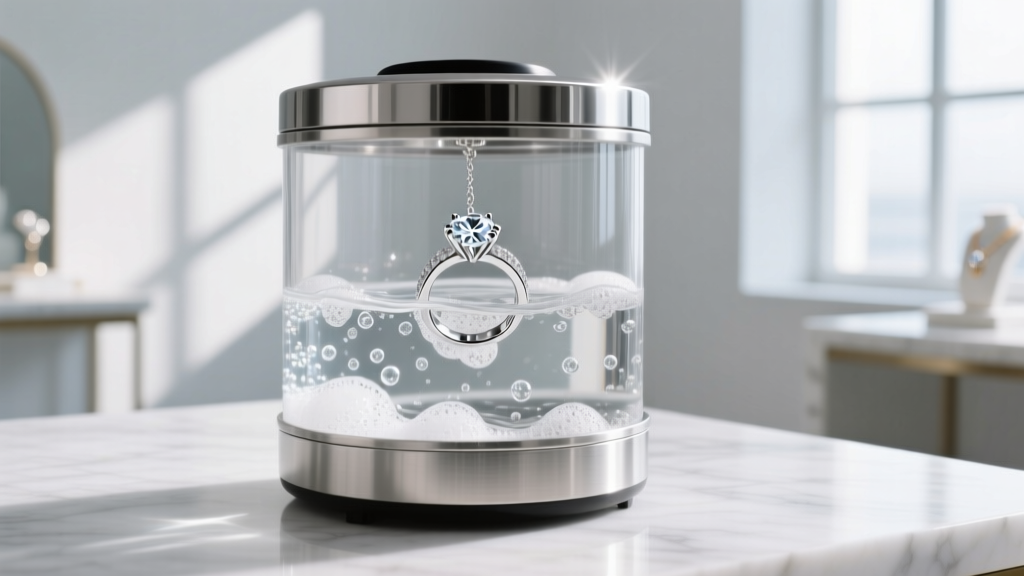
- Ultrasonic Cleaners: For hard stones (diamonds, sapphires) and solid metals without porous inclusions, a home ultrasonic cleaner uses high-frequency sound waves to create microscopic cavitation bubbles that literally blast dirt out of crevices without any physical friction. Always use a specialized ultrasonic jewelry cleaning solution, never tap water or harsh chemicals.
- Treated Polishing Cloths: For removing light tarnish from sterling silver or gold, use a jeweler's rouge cloth (such as a Sunshine cloth). These cloths are impregnated with ultra-fine, jeweler-grade polishing compounds that are specifically calibrated to be softer than precious metals but effective enough to remove oxidation.
- Professional Bench Polishing: For deep scratches and heavy tarnish, take the piece to a professional jeweler. They use specialized motorized buffs with tripoli or rouge compounds to safely remove a microscopic layer of metal, restoring the original factory polish without compromising the structural integrity of the piece.
Final Verdict from the Jewelry Stylist Desk
The internet will always chase the next visual shortcut, but true luxury requires informed stewardship. While the foaming action of toothpaste might look effective on a smartphone screen, the reality under a microscope is a landscape of gouged metal and dulled gemstones. Protect your investment, respect the craftsmanship, and leave the toothpaste where it belongs—in the bathroom, not the jewelry box.
'Style is not just about how a piece looks the day you buy it; it is about preserving its brilliance for decades. Relying on abrasive DIY hacks is a disservice to the artistry of your jewelry.'


