How to Clean Rusty Jewelry: Step-by-Step Restoration Guide
Learn how to clean rusty jewelry safely with our step-by-step guide. Restore oxidized fashion, steel, and vintage pieces using proven DIY methods.

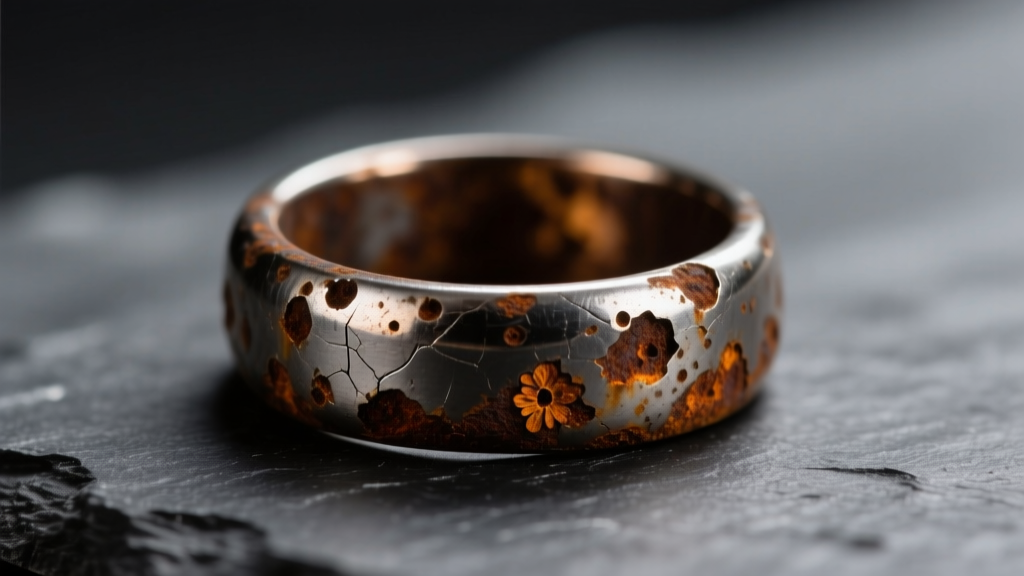
When your favorite accessories develop a rough, orange-brown crust or a dark, flaky patina, the immediate question is usually how to clean rusty jewelry without ruining the piece. However, before you reach for harsh chemicals, it is critical to understand what is actually happening to your metal. True rust—scientifically known as hydrated iron(III) oxide—only occurs on iron and iron alloys. If you are dealing with silver, copper, or brass, you are not fighting rust; you are fighting tarnish or oxidation. Misidentifying the corrosion can lead you to use the wrong cleaning agents, potentially destroying delicate plating or porous gemstones.
In this comprehensive guide, we will break down the exact chemistry of jewelry corrosion, provide material-specific cleaning protocols, and give you step-by-step instructions for safely restoring your pieces. Whether you are salvaging a vintage steel brooch or trying to save a tarnished brass cocktail ring, these professional restoration techniques will help you bring your jewelry back to life.
The Science of Rust vs. Tarnish in Jewelry
To effectively clean jewelry, you must first identify the metal and the type of corrosion. Amateurs often use the word 'rust' as a catch-all term for any discoloration, but a professional approach requires precision.
- True Rust (Iron Oxide): Occurs on iron, carbon steel, and lower-grade stainless steels (like 304 stainless). High-grade 316L surgical stainless steel is highly resistant to rust due to its molybdenum content, but it can still corrode if exposed to prolonged saltwater or harsh chlorides. Rust appears as a flaky, orange, red, or brown crust that actively pits and eats away at the base metal.
- Tarnish (Silver Sulfide): Sterling silver does not rust. It tarnishes when the copper alloyed within it (usually 7.5%) reacts with sulfur compounds in the air, creating a black or yellowish film of silver sulfide.
- Oxidation/Patina (Copper Carbonate): Copper, brass, and bronze react with oxygen, moisture, and carbon dioxide to form a green or brown layer known as verdigris or patina.
Understanding this distinction is vital because rust removal requires either gentle abrasion or acidic chelation, whereas tarnish removal relies on chemical reduction (like an aluminum foil and baking soda bath) or specialized polishing compounds.
Material Compatibility and Cleaning Agents
Before applying any solution, consult this compatibility chart to ensure you do not accidentally strip gold plating or dissolve soft metals.
| Metal Type | Corrosion Type | Safe Cleaning Agent | Agents to Avoid |
|---|---|---|---|
| Stainless Steel / Iron | True Rust (Iron Oxide) | Baking soda paste, White vinegar, Evapo-Rust | Bleach, Chlorine-based cleaners |
| Sterling Silver | Tarnish (Silver Sulfide) | Aluminum foil + baking soda bath, Silver polish | Vinegar, Lemon juice, Toothpaste |
| Brass / Copper | Oxidation (Verdigris) | Lemon juice + salt, Ketchup (mild acid) | Ammonia, Abrasive fiberglass brushes |
| Gold Vermeil / Plated | Base metal bleed-through | Mild dish soap, Microfiber cloth | ALL acids, Baking soda, Ultrasonic cleaners |
Step-by-Step: The Baking Soda Paste Method (Mild Rust & Tarnish)
Sodium bicarbonate (baking soda) is a mild alkaline compound that provides gentle abrasion without scratching harder metals like steel or brass. This method is ideal for light surface rust and heavy tarnish on durable, non-porous pieces.
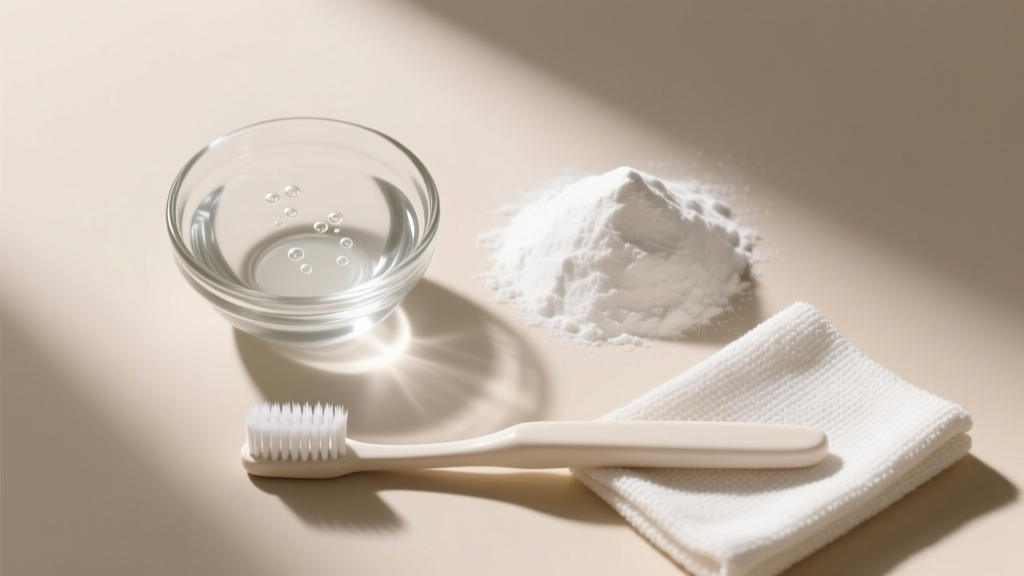
What You Will Need:
- Arm & Hammer baking soda (ensure it is pure sodium bicarbonate, not a cleaning blend)
- Distilled water
- A soft-bristled baby toothbrush or a specialized fiberglass scratch brush for heavy pitting
- A microfiber polishing cloth
The Process:
- Mix the Paste: In a small glass bowl, combine three parts baking soda with one part distilled water. Stir until it forms a thick, toothpaste-like consistency. The high pH of the baking soda helps to break down the bonds of the iron oxide.
- Apply and Rest: Using a cotton swab or your fingers, apply a thick layer of the paste directly over the rusted areas. Allow it to sit for 15 to 20 minutes. Do not let the paste dry out completely; mist it lightly with distilled water if necessary.
- Gentle Agitation: Take your soft-bristled toothbrush and gently scrub the rusted areas in small, circular motions. For intricate filigree or milgrain detailing, use a wooden toothpick to carefully dislodge the softened rust without scratching the metal.
- Rinse and Neutralize: Rinse the jewelry thoroughly under lukewarm running water. Pat it completely dry with a lint-free microfiber cloth. Moisture is the enemy of iron-based metals, so ensure no water remains in the crevices.
Step-by-Step: The White Vinegar Soak (Stubborn Rust)
For severe rust on solid steel or iron vintage pieces without gemstones, you need an acid to dissolve the iron oxide. White vinegar contains roughly 5% acetic acid, which reacts with rust to form iron acetate, a water-soluble compound that easily wipes away.
The Process:
- Submerge the Piece: Place the rusty jewelry in a glass container and pour enough undiluted white vinegar to completely submerge it.
- Monitor the Soak: Let the piece soak for a maximum of 30 minutes. Check it every 10 minutes. Warning: Leaving iron or steel in acid for too long will cause 'hydrogen embrittlement' and severe pitting, permanently damaging the structural integrity of the metal.
- Scrub and Rinse: Remove the jewelry and scrub it with a soft brush under running water to remove the dissolved rust sludge.
- The Critical Neutralization Step: Because vinegar is acidic, any microscopic residue left behind will continue to eat the metal. You must neutralize the piece by submerging it in a baking soda and water bath (1 tablespoon of baking soda per cup of water) for 5 minutes. Rinse again with distilled water and dry immediately.
For extreme cases involving solid iron artifacts, professional conservators often recommend commercial chelating agents like Evapo-Rust. Unlike acids, chelants selectively bond only to iron oxide molecules, pulling them away from the base metal without causing pitting or damaging healthy steel.
Critical Warnings: Porous Gemstones and Plating
The most common mistake people make when learning how to clean rusty jewelry is ignoring the gemstones set into the metal. According to the Gemological Institute of America (GIA), many popular gemstones are highly porous and sensitive to both acids and alkalis.
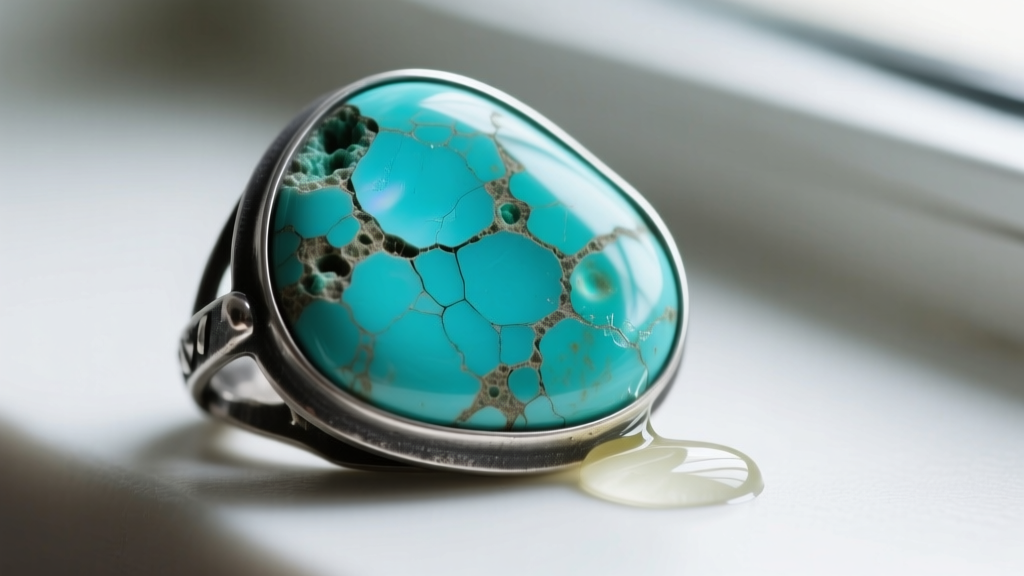
Gemstones to Keep Away from Vinegar and Baking Soda:
- Organic Gems: Pearls, coral, amber, and ivory will dissolve or permanently cloud when exposed to the acetic acid in vinegar.
- Porous Silicates: Turquoise, opal, lapis lazuli, and malachite have low Mohs hardness ratings (below 6) and microscopic pores. Acidic rust removers will seep into these pores, causing internal fracturing and severe color alteration.
- Plated Jewelry: If your jewelry is gold vermeil, gold-filled, or rhodium-plated over a base metal, acidic or abrasive rust removers will strip the plating entirely, exposing the cheap alloy underneath and accelerating future corrosion.
If a piece features porous gemstones and the metal setting is rusting, do not attempt a DIY soak. Take it to a professional jeweler who can use a laser welder or localized micro-abrasion tools to treat the metal without submerging the stone. The Jewelers of America strongly advises against using ultrasonic cleaners on rusted settings, as the high-frequency vibrations can shatter stones that have been structurally weakened by underlying iron oxide expansion.
Preventative Care: Stopping Rust Before It Starts
Once you have successfully removed the rust, your priority must shift to prevention. Iron and its alloys will immediately begin to oxidize again if exposed to atmospheric moisture and oxygen.
Sealing and Coating
For fashion jewelry and vintage steel pieces, applying a physical barrier is the most effective defense. Museum conservators use Renaissance Wax, a microcrystalline wax developed by the British Museum. Apply a thin layer with a soft cloth, let it dry for 10 minutes, and buff it to a hard, invisible shine. This seals the metal from humidity without altering its color or leaving a sticky residue. For cheaper costume jewelry, a thin coat of clear, non-yellowing nail polish or specialized jewelry sealants like Jewelry Shield can prevent base metals from rusting and turning your skin green.
Proper Storage Environments
Never store steel or iron-based jewelry in a bathroom, where fluctuating temperatures and high humidity from showers create a perfect storm for oxidation. Store your pieces in airtight ziplock bags with a desiccant packet (silica gel) to absorb ambient moisture. Additionally, incorporating 3M anti-tarnish strips into your jewelry box will absorb airborne sulfur compounds, protecting your silver and copper pieces from tarnishing while keeping your steel pieces pristine.


