How Can I Clean Tarnished Costume Jewelry? Vintage Trend Guide
Searching for how can i clean tarnished costume jewelry? Our expert guide restores Y2K and vintage archival pieces without ruining delicate plating.

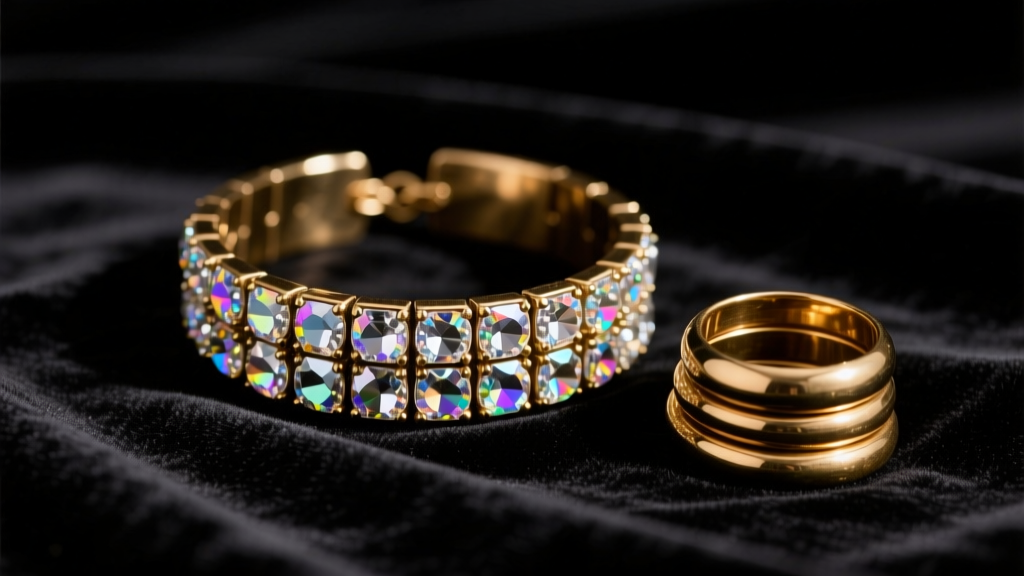
The Archival Fashion Boom: Why We Are Restoring Costume Pieces
In the current 2026 fashion landscape, the "Archival Maximalism" trend has completely transformed how we view costume jewelry. Collectors and style enthusiasts are no longer just investing in fine gold and platinum; they are aggressively sourcing vintage 1980s gilt statement pieces, chunky Y2K chrome, and mid-century rhinestone brooches from estate sales and digital archives. However, these trend-defining pieces come with a unique chemical vulnerability. When you ask, "how can i clean tarnished costume jewelry", you are actually navigating a complex minefield of microscopic flash plating, degrading adhesives, and reactive base metals.
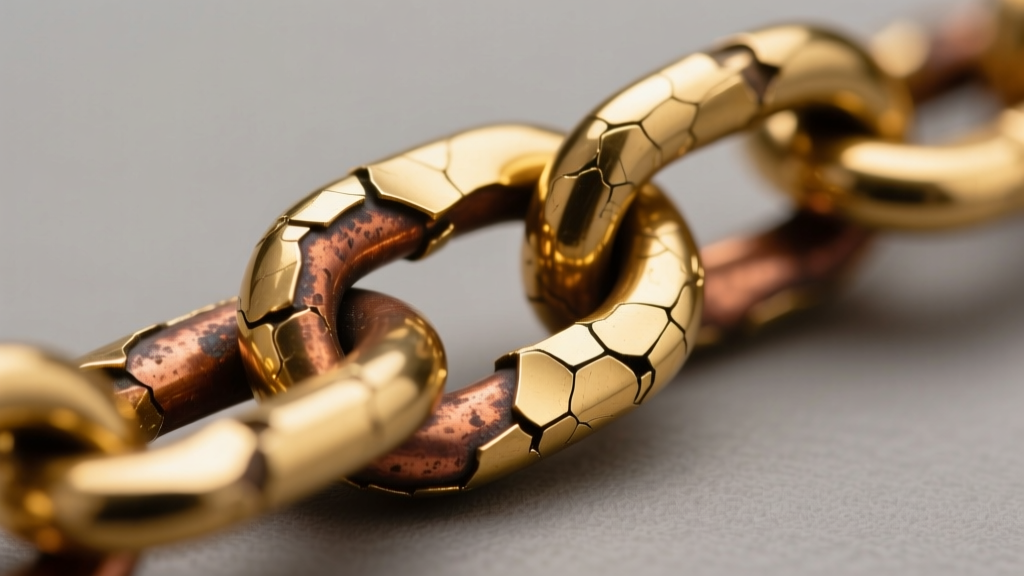
Unlike solid fine jewelry, costume pieces rely on a base metal—usually brass, copper, or a zinc alloy (often referred to as pot metal)—that is coated with a microscopic layer of gold, silver, or rhodium. Over decades, moisture, skin acidity, and environmental sulfur breach this thin barrier, causing the base metal to oxidize and bleed through as dark, stubborn tarnish. Restoring these pieces requires a nuanced understanding of material science, ensuring you do not strip the historical patina or dissolve the structural adhesives holding the piece together.
Material Breakdown: Identifying Your Trendy Thrift Finds
Before applying any cleaning solution, you must identify the specific anatomy of your vintage piece. The Victoria and Albert Museum (V&A) emphasizes that misidentifying the base material is the leading cause of irreversible damage in costume jewelry conservation. Below is a breakdown of common archival materials and their specific vulnerabilities.
| Material / Era | Base Metal | Plating Type | Primary Vulnerability |
|---|---|---|---|
| 1980s Gilt & Grip | Brass / Bronze | Heavy Gold Flash (1-2 microns) | Abrasive scratching, chemical stripping |
| Y2K Chunky Chrome | Zinc Alloy / Pot Metal | Chrome / Nickel | Pitting, bubbling from moisture trapped under plating |
| Mid-Century Rhinestone | Stamped Copper / Brass | Silver / Rhodium | Foil backing degradation, hot-fix glue melting |
| Art Deco Bakelite | Brass Findings | None (Bare Metal) | Acrylic/Resin cracking from heat and harsh solvents |
How Can I Clean Tarnished Costume Jewelry Without Ruining the Plating?
When dealing with delicate flash plating (often less than 0.5 microns thick), aggressive polishing is out of the question. Here are three expert-approved, trend-conscious methods to safely lift tarnish while preserving the structural integrity of your archival finds.
Method 1: The Mild Surfactant Soak (For General Grime & Light Oxidation)
This is the safest baseline method recommended by the Gemological Institute of America (GIA) for mixed-material jewelry. It lifts sebum, cosmetic residue, and surface dirt without triggering a chemical reaction with the base metal.
- The Recipe: Mix 1 part mild, phosphate-free dish soap (like Dawn Ultra) with 10 parts lukewarm distilled water. Never use tap water, as dissolved minerals can leave micro-deposits on porous rhinestones.
- The Technique: Submerge the piece for no more than 3 minutes. Use a baby-soft toothbrush (bristles must be flexible enough to bend under light pressure) to gently agitate the crevices.
- The Drying Phase: Immediately pat dry with a lint-free microfiber cloth and use a hair dryer on the "cool" setting to blast water out of the foil-backed rhinestone settings. Trapped water is the enemy of vintage foil.
Method 2: The Electrochemical Aluminum Foil Bath (For Silver-Plated Pieces Only)
If you have sourced heavily tarnished silver-plated 1970s boho pieces, this method reverses the chemical reaction of silver sulfide (tarnish) without removing any silver via abrasion.
Warning: Do NOT use this method on pieces with glued-in stones, pearls, or enamel. The required heat will soften E6000 and jeweler's epoxy, causing stones to fall out.
Line a glass bowl with aluminum foil (shiny side up). Add 1 tablespoon of baking soda and 1 tablespoon of non-iodized salt. Pour boiling water over the mixture to activate the ion exchange. Using plastic tongs, submerge your silver-plated jewelry for exactly 60 seconds. The sulfur will transfer from the silver to the aluminum foil. Remove, rinse in cool distilled water, and dry immediately.
Method 3: The Targeted Micro-Abrasion (For Bare Brass & Copper Findings)
For Bakelite bangles with tarnished brass clasps, or un-plated copper cuffs, use a specialized brass polish (like Brasso) applied only with a cotton swab. Keep the polish strictly on the bare metal findings, avoiding any contact with the acrylic or resin body, as the ammonia in metal polishes will cause vintage plastics to cloud and craze.
What to Avoid: The Fast-Fashion Jewelry Killers
The internet is rife with destructive "hacks" that will permanently ruin archival costume jewelry. As a serious collector, you must avoid the following:
- Ultrasonic Cleaners: While excellent for solid diamond and platinum, the high-frequency cavitation bubbles generated by ultrasonic machines will shatter fragile vintage glass rhinestones, strip soft enamel, and vibrate glued settings right out of their bezels.
- Commercial Silver Dips (e.g., Tarn-X): These contain thiourea and strong acids. They will strip the microscopic flash plating off costume jewelry in seconds, leaving you with a dull, mottled, and irreversibly damaged base metal.
- Toothpaste: Toothpaste contains hydrated silica, an abrasive meant to scrub tooth enamel. On jewelry, it acts like sandpaper, leaving thousands of micro-scratches on acrylic, resin, and soft gold plating, which accelerates future tarnishing by creating more surface area for oxidation.
Preserving the "Lived-In" Patina vs. High-Shine Restoration
From a style and trend analysis perspective, not all tarnish is bad. The 2026 "Grunge Revival" and "Dark Academia" aesthetics heavily favor the oxidized, blackened crevices of intricate metalwork. This dark contrast highlights the relief and texture of cast pieces, giving them a coveted, museum-authentic look.
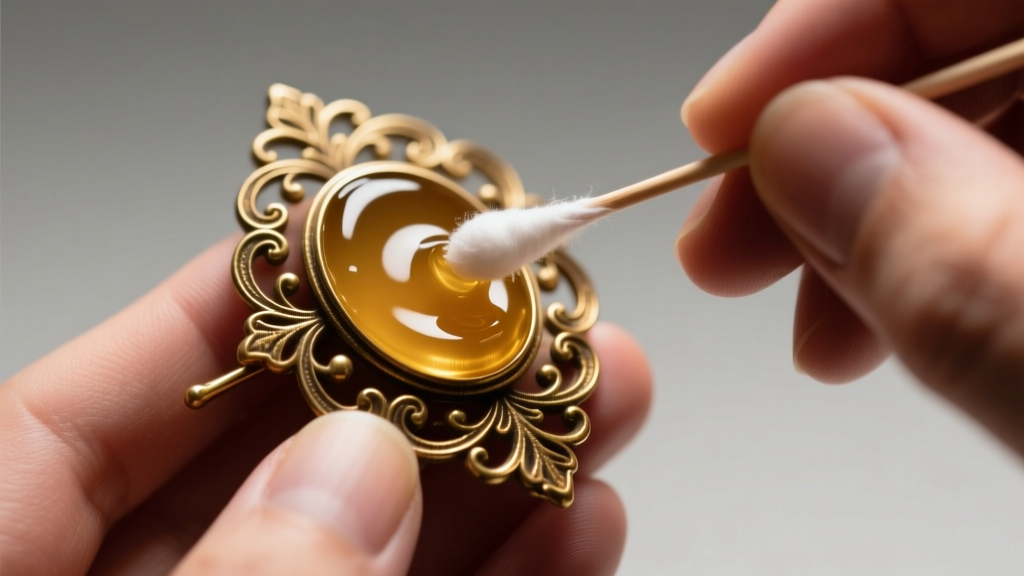
If you choose to preserve the dark patina in the crevices while only polishing the high-relief areas, you must seal the piece to prevent the tarnish from transferring onto the wearer's skin or clothing. Apply a thin, even coat of Renaissance Wax (a microcrystalline wax developed by the British Museum) using a soft cotton cloth. Allow it to haze for 10 minutes, then buff gently. This creates an invisible, moisture-proof barrier that locks in the intentional oxidation while keeping the wearer's skin free of green copper stains.
For pieces worn directly against the skin, such as copper rings or brass bangles, a coat of clear, high-grade polyurethane nail polish on the interior band acts as a highly effective, albeit temporary, galvanic barrier against skin acids.
Sourcing and Care: Expert Tips for the Modern Collector
Once you have successfully cleaned and stabilized your archival pieces, proper storage is non-negotiable. The modern collector's toolkit should include:
- Activated Charcoal & Silica Gel: Store pieces in individual, airtight polyethylene zip bags with a 5-gram silica gel desiccant packet to control ambient humidity.
- Anti-Tarnish Strips: Invest in 3M anti-tarnish tabs. These absorb airborne sulfur compounds before they can react with the metal plating.
- Acid-Free Tissue: Never wrap vintage pearls, Bakelite, or porous turquoise in standard newspaper or dyed tissue paper, as the acids and dyes will transfer and permanently stain the materials.
Understanding how can i clean tarnished costume jewelry is ultimately about respecting the history and material limitations of the piece. By combining gentle chemistry with an eye for current stylistic trends, you can preserve these wearable artifacts for the next generation of fashion archivists.


