How to Clean Rhodium Plated Jewelry: The Ultimate Gift Guide
Discover how to clean rhodium plated jewelry safely. A gifter's guide to matching occasions with proper care kits and preserving white gold's shine.

The Sentimental Weight of a Rhodium-Plated Gift
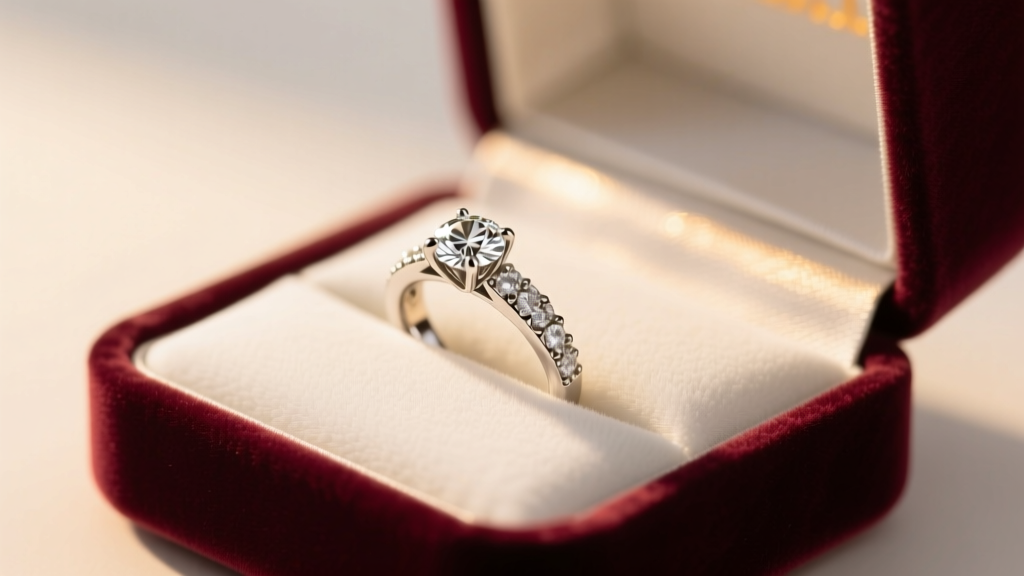
Gifting jewelry is an exercise in capturing a milestone. Whether you are presenting a 14k white gold solitaire for an engagement, a rhodium-plated sterling silver locket for a push present, or a pair of 18-gauge white gold hoops for a graduation, the brilliance of the piece is what initially takes the recipient's breath away. That mirror-like finish is almost always the result of rhodium plating. However, as a thoughtful gifter in 2026, your responsibility doesn't end at the point of sale. Understanding how to clean rhodium plated jewelry and providing the recipient with the right maintenance tools is what transforms a beautiful present into a lasting heirloom.
While modern metallurgy has introduced palladium-rich white gold alloys that require less maintenance, traditional rhodium-plated white gold and silver remain the most popular, accessible, and visually striking choices for luxury gifting. To ensure your gift maintains its sentimental and material value, you must pair the jewelry with a tailored care strategy. This guide will walk you through the exact science of rhodium, the safest cleaning protocols, and how to curate a "care kit" that matches the specific occasion you are celebrating.
The Metallurgy of Shine: Understanding Micron Thickness
To clean rhodium properly, you must first understand what it is. Rhodium is a rare, corrosion-resistant platinum group metal. In its pure form, it boasts a Vickers hardness of roughly 800 to 1,000, making it significantly harder than 14k or 18k gold. According to the GIA Gem Encyclopedia, rhodium reflects up to 84% of light, which is why it provides that coveted icy-white, mirror finish.
However, rhodium is applied via electroplating, meaning it exists only as a microscopic surface layer. The thickness of this layer dictates how you must care for it:
- Heavy Plating (0.75 to 1.5 microns): Standard for high-quality white gold rings and bracelets that endure daily friction. This layer can last 1 to 3 years before requiring re-plating.
- Medium Plating (0.3 to 0.75 microns): Common for earrings, pendants, and necklaces where skin friction is minimal.
- Flash Plating (0.05 to 0.2 microns): Often used on mass-market sterling silver jewelry to prevent immediate tarnishing. This layer is incredibly fragile and can wear off in a matter of months if cleaned with abrasive materials.
Because the plating is so thin, aggressive cleaning methods don't just fail to polish the metal—they actively strip it away, exposing the yellowish white gold or tarnish-prone silver beneath.
Step-by-Step: How to Clean Rhodium Plated Jewelry Safely
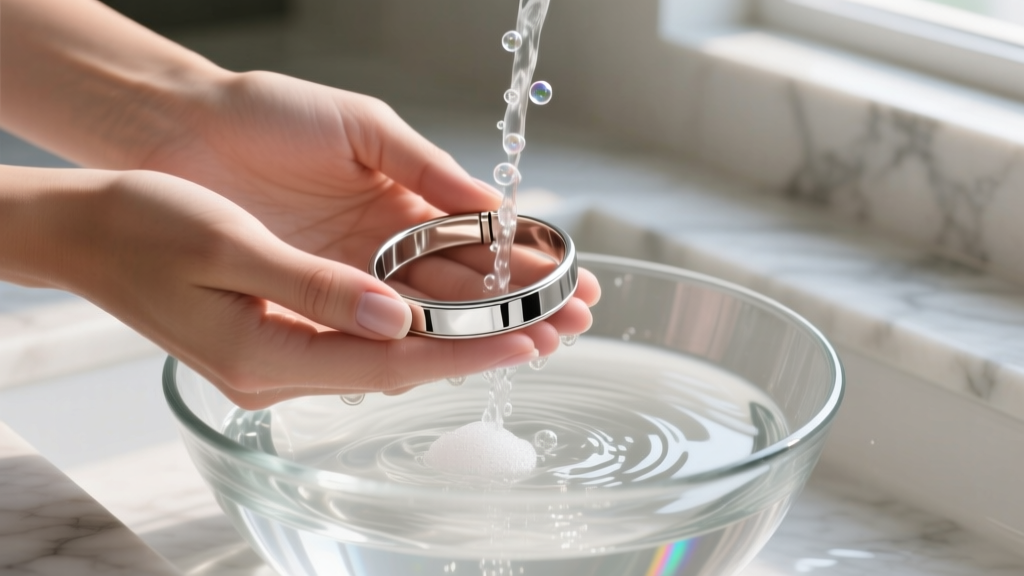
When curating a care guide for your gift recipient, emphasize that less is more. The goal is to remove sebum, lotion, and environmental dust without introducing microscopic scratches to the rhodium surface. Here is the master jeweler-approved method for safely cleaning these pieces:
- The Soak: Fill a glass or ceramic bowl (never metal, which can cause micro-scratches if the piece rubs against it) with lukewarm water. Add three drops of a mild, phosphate-free, and ammonia-free dish soap. Avoid hot water, as extreme temperature shifts can stress gemstone settings.
- The Agitation: Submerge the jewelry and let it soak for exactly 5 to 10 minutes. This softens hardened lotions and cosmetic residue.
- The Detailing: Using an ultra-soft, baby-hair brush or a dedicated jewelry cleaning brush with extra-soft bristles, gently sweep the back of the settings (the pavilion) where dirt accumulates. Never scrub the flat metal surfaces.
- The Rinse: Rinse thoroughly under a gentle stream of lukewarm distilled water. Distilled water prevents hard water spots and mineral deposits from dulling the rhodium.
- The Dry: Pat dry with a clean, lint-free microfiber cloth. Do not rub aggressively. Allow it to air-dry completely before placing it back into a jewelry box or anti-tarnish pouch.
"The biggest mistake consumers make with rhodium-plated white gold is treating it like solid platinum. Platinum can take a heavy polish; rhodium will simply wear away if you treat it with the same friction." — Master Bench Jeweler
The Gifter’s Matrix: Matching Occasions to Care Kits
Elevate your gift by including a bespoke "Jewelry Care Kit" tailored to the piece and the occasion. This demonstrates a level of foresight and care that deeply resonates with the recipient. Use the matrix below to build your kit:
| Occasion | Jewelry Type & Metal | Plating Thickness | Recommended Care Kit Additions | Maintenance Timeline |
|---|---|---|---|---|
| Engagement / Wedding | 14k/18k White Gold Solitaire Ring | 0.75 - 1.0 microns | Premium microfiber cloth, mild dish soap, jewelry insurance appraisal folder | Re-plate every 12-18 months |
| Push Present | Sterling Silver Rhodium-Plated Locket | 0.1 - 0.3 microns (Flash) | Anti-tarnish treated flannel pouch, lint-free swabs for interior detailing | Re-plate every 6-12 months if worn daily |
| Graduation | 14k White Gold Hoop Earrings (18g) | 0.5 - 0.75 microns | Saline wound wash (for safe post-wear cleaning), dedicated earring cleaning mat | Re-plate every 2-3 years |
| Anniversary (5th+) | White Gold & Diamond Tennis Bracelet | 1.0 - 1.5 microns | Re-plate every 18-24 months |
The "Never Use" List: Protecting the Plating
When you present your gift, include a beautifully printed "What to Avoid" card. Many well-intentioned recipients will ruin their rhodium plating within the first week by using DIY internet hacks. According to care guidelines from Jewelers Mutual, avoiding harsh chemicals is paramount to preserving precious metal finishes.
- Baking Soda & Toothpaste: These are highly abrasive. While they might polish solid silver or gold, they act like sandpaper on a 0.75-micron layer of rhodium, leaving a cloudy, scratched surface that cannot be buffed out without re-plating.
- Silver Dip (Thiourea-based solutions): Liquid silver cleaners rely on thiourea to strip tarnish. These chemicals are highly corrosive to rhodium and will instantly degrade the plating, leaving a dull, grayish film.
- Ultrasonic Cleaners: While generally safe for solid metals and diamonds, the high-frequency cavitation in ultrasonic machines can cause micro-fractures in the rhodium layer, especially if the plating was applied poorly or is already wearing thin. Furthermore, ultrasonics can loosen the glue in fracture-filled diamonds or tension settings.
- Chlorine & Bleach: Never wear rhodium-plated jewelry in swimming pools or while cleaning the house. Chlorine reacts with the base gold alloys (specifically the copper and zinc), causing structural weakness and accelerating the breakdown of the rhodium bond.
Beyond Cleaning: Recognizing Wear and Budgeting for Re-Plating
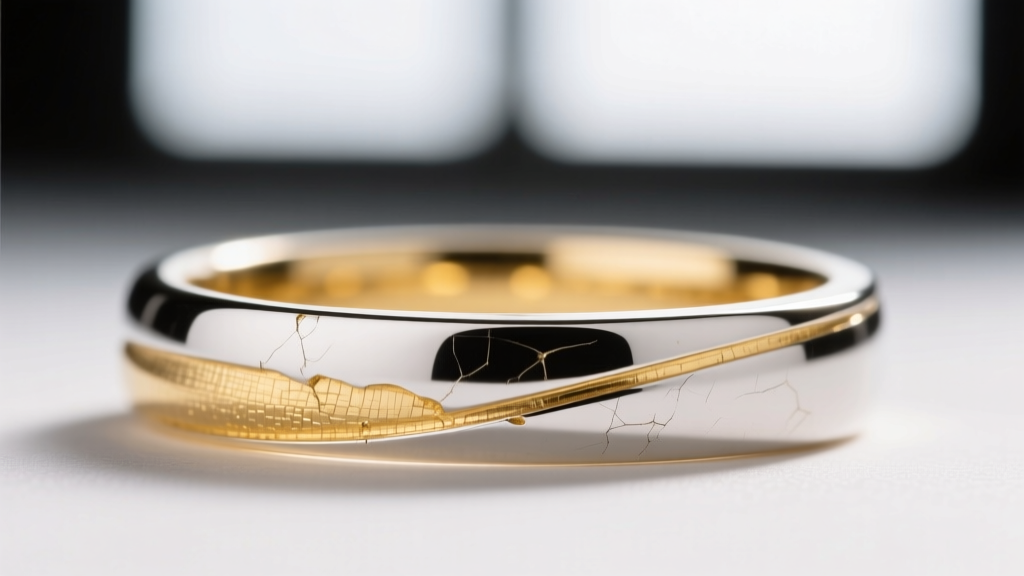
Even with meticulous care, rhodium is a sacrificial layer. It is designed to wear away over time to protect the softer metal beneath. The most common point of failure on a ring is the bottom of the shank and the interior of the prongs, where friction against the skin and clothing is highest.
When the recipient notices a pale yellow or brassy tint emerging from the high-contact areas, it is not tarnish—it is the underlying gold alloy showing through. At this stage, cleaning will not restore the brilliance. The piece requires re-plating. As of 2026, due to the volatile market pricing of platinum-group metals, a professional rhodium re-plating service typically costs between $65 and $145, depending on the complexity of the piece and the preparatory polishing required by the bench jeweler.
As a gifter, a phenomenal follow-up gift for a one-year anniversary is a "Spa Day" for the jewelry: taking the piece back to the jeweler for a professional steam clean, prong-tightening, and a fresh coat of rhodium, restoring it to the exact condition it was in when you first presented it.
The Final Presentation: Wrapping the Care Experience
Knowing how to clean rhodium plated jewelry is essential, but how you communicate this knowledge to the recipient is what truly defines the gifting experience. Do not simply hand them a bottle of soap and a cloth.
Consider packaging a high-quality, untreated microfiber polishing cloth alongside a small bottle of phosphate-free jewelry wash inside the gift box. Include a handwritten note that not only expresses your sentiment but also outlines the simple, safe cleaning steps and offers to take the piece for its first professional re-plating when the time comes. By providing the knowledge and the tools for long-term care, you are giving a gift that respects the past, honors the present milestone, and guarantees its brilliance for the future.


