Do Ultrasonic Jewelry Cleaners Work? A Step-by-Step Guide
Do ultrasonic jewelry cleaners work? Discover the science of cavitation, safe gemstone lists, and a step-by-step guide to cleaning safely.

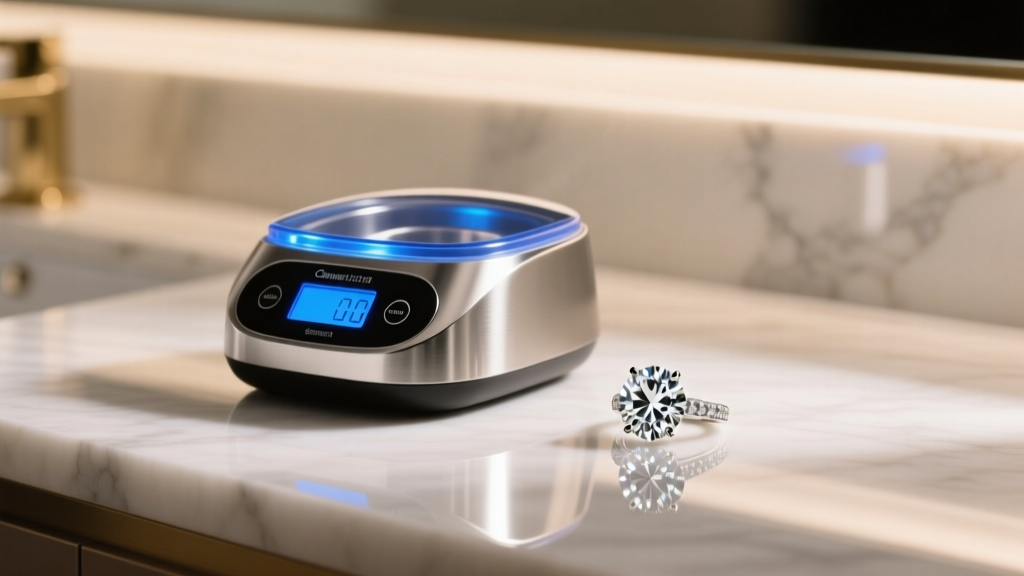
The promise of a professional-level sparkle from the comfort of your bathroom vanity is undeniably appealing. But as you browse through tabletop devices and multi-frequency tanks, a critical question remains: do ultrasonic jewelry cleaners work, or are they just expensive gimmicks that risk damaging your most prized possessions?
The short answer is yes, they absolutely work—but only when used with a precise understanding of gemology and metallurgy. When utilized correctly, these machines remove decades of compacted lotion, dead skin, and environmental grime from beneath gallery wires and pavé settings that a soft-bristled brush simply cannot reach. However, a single mistake regarding water temperature or stone porosity can shatter a gemstone or strip precious metal plating in minutes.
This comprehensive guide breaks down the exact science of ultrasonic cavitation, provides a definitive safety matrix for your jewelry box, and offers a meticulous step-by-step protocol for achieving a flawless, damage-free clean.
The Science of Cavitation: How the Magic Happens
To understand if these devices work, you must understand cavitation. Ultrasonic cleaners do not 'scrub' your jewelry. Instead, they utilize a transducer to emit high-frequency sound waves—typically between 40,000 and 45,000 Hertz (40-45 kHz)—through a liquid medium.
These sound waves create alternating high-pressure and low-pressure cycles. During the low-pressure phase, millions of microscopic vacuum bubbles form. When the high-pressure phase hits, these bubbles violently collapse against the surface of your jewelry. This implosion generates localized temperatures of up to 5,000 Kelvin and micro-jets of liquid that blast dirt, oils, and oxides out of microscopic crevices, such as the underside of a diamond pavé or the intricate milgrain detailing on an Art Deco ring.
The Material Safety Matrix: What Survives the Tank?
The most common reason consumers conclude that ultrasonic cleaners 'don't work' is that they accidentally ruined a piece of jewelry by ignoring material science. Below is a definitive guide to what can and cannot survive the cavitation process.
| Material / Gemstone | Ultrasonic Safety | Specific Risks & Exceptions |
|---|---|---|
| Platinum & Titanium | Excellent | Highly durable; safe for all cycles. |
| 14k & 18k Gold | Excellent | Safe, but avoid if heavily oxidized or patinated. |
| Sterling Silver | Conditional | Will strip intentional oxidation (antiquing). |
| Diamonds | Conditional | Unsafe if fracture-filled (e.g., Yehuda treated) or heavily included. |
| Sapphires & Rubies | Good | Safe unless they have surface-reaching fractures or are lead-glass filled. |
| Emeralds | NEVER | Cavitation leaches cedar oil/Opticon, revealing massive internal fractures. |
| Pearls & Coral | NEVER | Organic gems will dissolve, pit, or lose their nacre luster. |
| Opals & Tanzanite | NEVER | High water content and perfect cleavage planes lead to immediate shattering. |
For a deeper dive into gemstone durability and Mohs scale hardness, the GIA Gem Encyclopedia remains the gold standard for identifying which stones possess the structural integrity to withstand ultrasonic vibrations.
Step-by-Step: How to Use an Ultrasonic Cleaner Safely
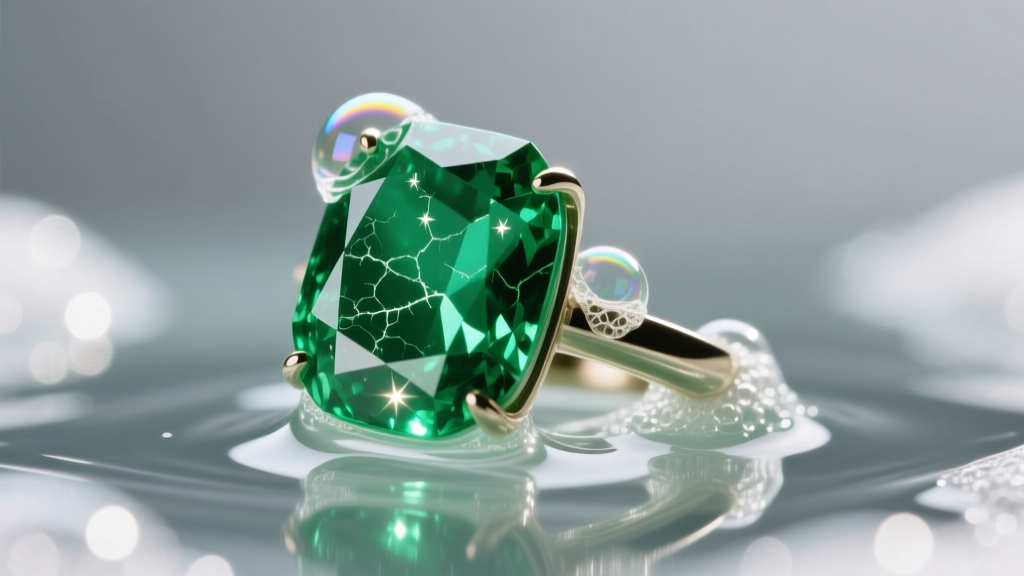
Knowing that ultrasonic jewelry cleaners work is only half the battle; executing the process correctly is where the real expertise lies. Follow this exact protocol to ensure a safe, brilliant clean.
Step 1: The 10x Loupe Pre-Inspection
Never place a piece of jewelry into the tank without inspecting it first. Use a 10x jeweler's loupe to check for loose prongs, worn gallery wires, or surface-reaching fractures. If a diamond is loose, the violent micro-jets of cavitation will dislodge it completely, sending it to the bottom of the tank where it can be scratched by the stainless steel basket. Furthermore, ensure your diamonds have not been fracture-filled. The glass-like resins used in clarity enhancements will melt and cloud under ultrasonic heat and vibration.
Step 2: Preparing the Chemical Bath
Tap water contains minerals that can leave microscopic water spots on precious metals. Always use distilled water. Fill the tank to the indicated fill line and add exactly two to three drops of a mild, non-detergent dish soap (like Dawn). Never use bleach, chlorine, or ammonia. Chlorine will permanently pit and weaken 14k and 18k gold alloys by attacking the copper and zinc molecules within the karat mixture.
Step 3: Setting the Temperature and Timer
Heat accelerates the cavitation process and helps break down sebum and cosmetic oils. Set your machine's heater to between 110°F and 120°F (43°C - 49°C). Do not exceed 140°F, as extreme heat can cause thermal shock to certain gemstones and soften the adhesives used in cluster rings or pearl settings. Set the timer for a maximum of 3 minutes. Running multiple 3-minute cycles is vastly superior to running one continuous 10-minute cycle, which can cause metal fatigue in delicate prongs.
Step 4: The Rinse and Dry Protocol
Once the cycle completes, remove the basket and immediately rinse the jewelry under a gentle stream of lukewarm distilled water to wash away suspended dirt particles before they can settle back onto the metal. Pat dry with a lint-free microfiber cloth. Avoid paper towels, as their wood pulp fibers can leave microscopic scratches on high-polish platinum and gold.
Common Mistakes That Ruin Jewelry in Ultrasonic Tanks
Even when users follow basic instructions, specific oversights lead to catastrophic failures. Here are the real-world troubleshooting scenarios we see most often in the industry:
- Stripping Rhodium Plating: White gold is naturally yellowish-grey and is plated with rhodium to achieve a bright white finish. This plating is only microns thick. Aggressive ultrasonic cycles, especially in water that is too hot, will cause the rhodium to peel and flake off, requiring an expensive re-plating session at your jeweler.
- Shattering Tension Settings: Jewelry that relies on tension to hold a gemstone (where the metal's spring-like pressure grips the stone) should never be ultrasonically cleaned. The vibrations can alter the metal's temper, releasing the tension and dropping the stone.
- Destroying Oxidized Patinas: If you own Victorian-era mourning jewelry or modern artisan silver with intentional black oxidation in the crevices, the ultrasonic waves will blast the dark patina right out of the metal, leaving the piece looking flat and artificially bright.
The American Gem Society strongly recommends consulting a professional before using mechanical cleaners on antique, estate, or heavily included jewelry pieces.

When to Skip the Machine and See a Professional
While it is clear that ultrasonic jewelry cleaners work brilliantly for everyday maintenance of durable pieces like diamond solitaires and plain gold bands, they are not a replacement for professional servicing. You should bypass your home machine and visit a bench jeweler if:
- Your ring has not been professionally inspected for prong wear in over 12 months.
- The piece features a pave setting with stones smaller than 1.5mm (melee diamonds are highly susceptible to vibration damage if the tiny beads holding them are worn).
- You are dealing with heirloom pieces featuring foiled backs (common in Georgian and early Victorian jewelry), as moisture will instantly destroy the silver foil backing.
Professional jewelers use industrial-grade ultrasonic tanks with adjustable frequencies (often switching to a gentler 80kHz or 120kHz for delicate items) and specialized enzymatic solutions that are simply not available in consumer-grade $40 tabletop units.
Final Verdict
So, do ultrasonic jewelry cleaners work? Absolutely. When paired with gemological knowledge, proper temperature control, and strict time limits, they are the single most effective tool for restoring the optical brilliance of your safe-to-clean jewelry. By respecting the material safety matrix and avoiding the temptation to 'set it and forget it,' you can achieve a professional-grade sparkle that keeps your most treasured pieces looking exactly as they did the day you first unboxed them.
For further reading on federal guidelines regarding jewelry care and metal plating standards, refer to the FTC Jewelry Guides, which outline the legal and structural expectations for precious metal alloys and treatments.