Can You Wash a Jewelry Polishing Cloth? Value & Care Guide
Wondering if you can wash a jewelry polishing cloth? We break down the science, cost-per-use, and budget alternatives for jewelry care.

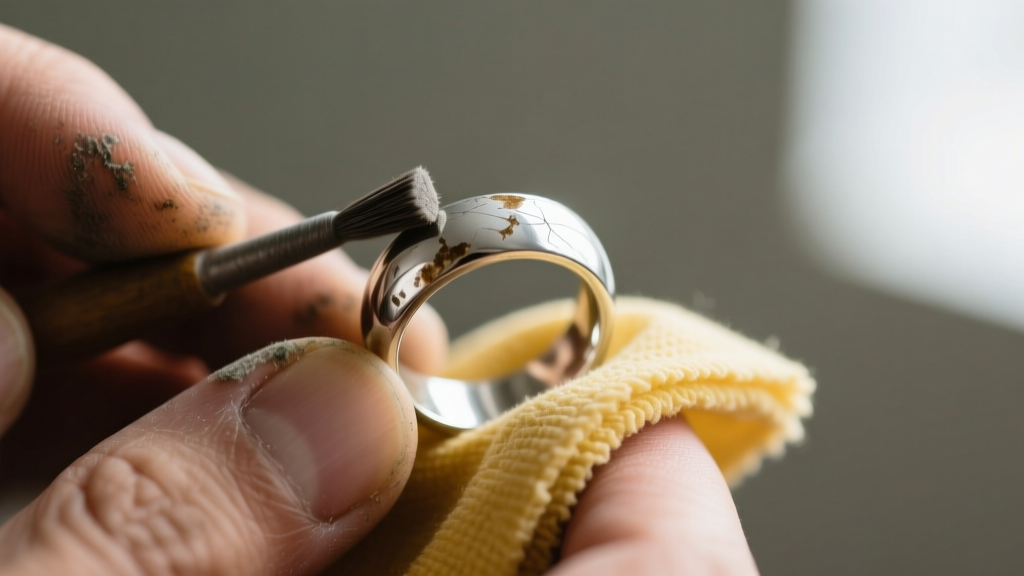
When maintaining a jewelry collection on a budget, maximizing the lifespan of your cleaning supplies is just as important as protecting the pieces themselves. A common question we receive from cost-conscious collectors is: can you wash a jewelry polishing cloth? The answer is not a simple yes or no; it depends entirely on the chemical composition of the cloth and the hidden economics of jewelry maintenance. As of 2026, with the rising costs of precious metals and professional jewelry servicing, understanding the true cost-per-use of your cleaning tools is essential for long-term value preservation.
The Short Answer: It Depends on the Cloth Type
If you are using a standard, untreated microfiber or chamois cloth designed merely to wipe away fingerprints and skin oils, yes, you can wash it. However, if you are using a chemically treated jeweler's cloth—such as those impregnated with anti-tarnish agents or jeweler's rouge (iron oxide)—washing it will instantly ruin its effectiveness.
Treated cloths rely on microscopic abrasives and chemical tarnish-inhibitors embedded directly into the cotton or flannel fibers. According to the Gemological Institute of America (GIA), introducing water, laundry detergents, or dish soaps to these treated textiles strips away the active polishing compounds. The surfactants in soap emulsify the wax binders holding the rouge to the fabric, washing your investment straight down the drain and leaving you with a useless piece of cotton.
The Economics of Polishing Cloths: Cost-Per-Use Analysis
To properly assess the budget value of your jewelry care routine, we must look beyond the initial purchase price and calculate the cost-per-use. Many consumers attempt to wash treated cloths to 'save money,' not realizing that this practice actually inflates their long-term costs by destroying the cloth prematurely.
| Cloth Type | Brand Example | Avg. Price (2026) | Est. Uses | Cost-Per-Use | Washable? |
|---|---|---|---|---|---|
| Treated Anti-Tarnish | Sunshine Cloth (2-pack) | $9.50 | ~100 | $0.09 | No |
| Treated Rouge | Connoisseurs Silver Wipes | $6.00 | ~40 | $0.15 | No |
| Untreated Microfiber | Generic Bulk Pack (10) | $12.00 | ~500 (if washed) | $0.02 | Yes |
| Chamois Leather | Town Talk Polish | $14.00 | ~200 | $0.07 | Rinse Only |
As the data illustrates, high-quality treated cloths are already remarkably cost-effective when used correctly. Attempting to wash a $4.75 Sunshine cloth after ten uses to 'extend' its life actually raises your cost-per-use and risks damaging your jewelry with a compromised textile.

The Science of Tarnish and Cloth Degradation
To understand why washing is detrimental to treated cloths, we must look at the chemistry of tarnish. Silver tarnish is primarily silver sulfide ($Ag_2S$), a dark layer that forms when silver reacts with sulfur compounds in the air. Treated polishing cloths combat this through two mechanisms:
- Mechanical Abrasion: Microscopic particles of jeweler's rouge physically shear the silver sulfide layer off the metal at a micron level.
- Chemical Inhibition: Anti-tarnish cloths contain proprietary chemical treatments (often zinc or copper-based sacrificial agents) that absorb sulfur from the air before it reaches your jewelry.
The American Institute for Conservation notes that once a treated cloth turns completely black, it has reached its maximum saturation point for silver sulfide. At this stage, the cloth is no longer removing tarnish; it is merely smearing it across the surface of your jewelry. No amount of washing will restore the chemical inhibitors, and washing out the black residue will simultaneously strip the remaining mechanical abrasives.
The Hidden Cost of Scratched Jewelry
There is a severe financial risk to using a washed, degraded polishing cloth. When the binding waxes are washed away, the remaining particulate matter in the cloth can clump together. These clumps act like sandpaper on high-polish metals. If you inadvertently micro-scratch a rhodium-plated white gold ring or a mirror-finish platinum band, you will eventually need to pay a professional jeweler for a re-polishing and re-plating service. As of 2026, professional rhodium re-plating averages between $65 and $120. Sacrificing a $5 cloth to save money is a poor budget strategy if it results in a $100 repair bill.
How to Maximize the Lifespan of Your Polishing Cloth
Instead of washing your treated cloths, employ these professional conservation techniques to stretch your budget and maximize the number of uses you get from a single purchase:
The Quarter-Fold Method: Never ball up a polishing cloth. Fold it into quarters, and only use the outer exposed square for polishing. Once that square turns black, fold it inward to expose a fresh, untreated surface. This single technique effectively multiplies the lifespan of your cloth by a factor of eight.
- Targeted Application: Use a cotton swab dipped in a mild dish soap solution to clean the intricate crevices and under the gallery of a ring first. Reserve the expensive treated cloth strictly for the broad, flat, high-polish surfaces.
- Proper Storage: Treated cloths degrade when exposed to ambient air and humidity. Store your cloth in an airtight Ziploc bag or its original sealed packaging between uses to prevent the anti-tarnish agents from prematurely reacting with sulfur in your environment.
- Dedicate by Metal: Keep separate cloths for silver, gold, and platinum. Using a silver cloth (which contains harsher abrasives) on soft 24k gold or porous gemstones like turquoise can cause irreversible surface damage.
Budget Alternatives: When to DIY and When to Buy
If you are managing a large collection and the recurring cost of disposable treated cloths is impacting your budget, it is time to evaluate alternative cleaning methodologies. While cloths are best for quick maintenance and light tarnish, heavy oxidation requires different approaches.
The Electrochemical Aluminum Bath (Cost: Pennies per use)
For heavily tarnished sterling silver chains or flatware, the aluminum foil and baking soda bath is the ultimate budget hack. By lining a glass bowl with aluminum foil, adding boiling water, a tablespoon of baking soda, and a pinch of salt, you create an electrochemical reaction that converts silver sulfide back into pure silver without removing any metal. Warning: Never use this method on jewelry with porous stones (opal, turquoise, pearls) or oxidized 'blackened' silver designs, as it will strip the intentional patina.
Ultrasonic Cleaners (High Upfront, Low Long-Term Cost)
A basic ultrasonic jewelry cleaner costs between $40 and $60. While this is a higher initial investment than a pack of polishing cloths, the cost-per-use over a five-year lifespan drops to fractions of a penny. Ultrasonic waves cavitate microscopic bubbles in a mild detergent solution, blasting dirt and oils out of diamond pavé settings and prongs where cloths cannot reach. However, ultrasonics do not remove chemical tarnish; they must be paired with a quick buff from an untreated, washable microfiber cloth to restore the final shine.
Final Verdict: Is It Worth Trying to Wash Them?
From a strict budget and value assessment perspective, you should never wash a chemically treated jewelry polishing cloth. The marginal savings of attempting to launder a $5 item are vastly outweighed by the destruction of the cloth's active compounds and the subsequent risk of inflicting micro-scratches on your precious metals.
Instead, invest in high-quality treated cloths, utilize the quarter-fold method, store them in airtight environments, and retire them gracefully once they are fully saturated with black tarnish. For the pieces that require deep cleaning beyond the reach of a cloth, pivot to low-cost electrochemical baths or invest in an ultrasonic cleaner to ensure your jewelry remains brilliant without breaking the bank.


