Using Dawn Dish Soap for Cleaning Jewelry: An Expert Deep Dive
Expert guide to using Dawn dish soap for cleaning jewelry. Discover exact dilution ratios, safe gemstones, and the chemistry behind this popular DIY method.

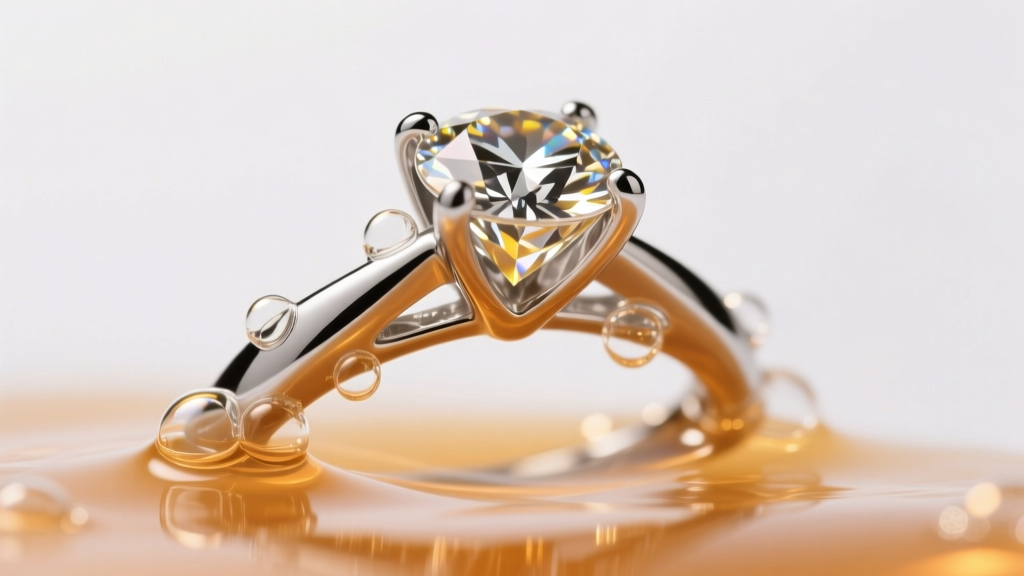
Walk into any professional jewelry workshop or ask a seasoned bench jeweler how they pre-clean a heavily soiled estate piece, and you will likely see them reach for a ubiquitous blue bottle. Using Dawn dish soap for cleaning jewelry is a time-honored industry standard, but it is frequently misunderstood by consumers. While it is an exceptional degreaser, treating it as a universal cure-all can lead to catastrophic damage to porous gemstones and delicate metal finishes.
In this expert deep dive, we bypass the generic internet hacks and examine the exact chemical mechanics, thermodynamic requirements, and material compatibility matrices necessary to use Dawn safely and effectively on fine jewelry in 2026.
The Chemistry of Dawn: Why Surfactants Matter
To understand why Dawn is the preferred choice over other household soaps, we must look at its chemical composition. According to Procter & Gamble’s Safety Data Sheets, Dawn Ultra relies on a synergistic blend of anionic and amphoteric surfactants—primarily Sodium Laureth Sulfate (SLES), Sodium Lauryl Sulfate (SLS), and Cocamidopropyl Betaine.
Human sebum, cosmetic lotions, and environmental oils have a high surface tension, causing them to cling stubbornly to the microscopic porosity of gold alloys and the pavilion facets of diamonds. Pure water has a surface tension of roughly 72 mN/m, which is too high to penetrate the tight crevices of a four-prong or six-prong setting. The surfactants in Dawn lower the water’s surface tension to approximately 30 mN/m. This allows the solution to effectively wedge itself between the diamond’s girdle and the metal prong, emulsifying the trapped lipids so they can be rinsed away.
Expert Insight: Avoid Dawn varieties labeled "Antibacterial" or those containing added moisturizers (like Dawn Hand Renewal with Olay). The antibacterial agents (often triclosan or benzalkonium chloride) can leave a stubborn, cloudy film on high-refractive-index stones, while added moisturizers contain silicones that defeat the purpose of degreasing.
Thermodynamics and Exact Dilution Ratios
The efficacy of the surfactants is heavily dependent on water temperature and concentration. A common mistake is using water that is either too cold (inhibiting surfactant activation) or too hot (risking thermal shock).
The Ideal Temperature Window
The optimal temperature for a Dawn jewelry bath is between 105°F and 115°F (40°C to 46°C). At this range, the kinetic energy of the water molecules is high enough to accelerate the emulsification of oils without posing a risk of thermal shock to included gemstones or fracture-filled diamonds. Boiling water can cause rapid expansion of liquid inclusions within a diamond, leading to internal feathering or outright cleavage.
The 1:10 Dilution Protocol
More soap does not equal cleaner jewelry. Excessive surfactant concentration creates a viscous solution that is difficult to rinse from micro-pavé settings, leaving a dulling residue. The ideal ratio is 1 part Dawn Ultra to 10 parts warm distilled water. Using distilled water is critical; tap water contains dissolved calcium and magnesium ions that will precipitate onto the jewelry as hard water spots once the piece dries.
Material Compatibility Matrix
While Dawn is exceptionally safe for most metals and hard stones, its degreasing power and the mechanical action required to use it make it highly destructive to organic and porous gems. Below is the definitive compatibility guide based on Mohs hardness and structural porosity.
| Material Category | Specific Examples | Dawn Compatibility | Technical Rationale |
|---|---|---|---|
| Hard Gemstones | Diamond, Sapphire, Ruby, Spinel | Safe | Non-porous, high Mohs hardness (8-10) resists micro-scratching from gentle brushing. |
| Precious Metals | Platinum, 18k/14k Gold, Palladium | Safe | Dawn is pH-neutral to slightly alkaline; it will not chemically etch or oxidize these alloys. |
| Porous Organics | Pearls, Coral, Ivory, Amber | NEVER USE | Surfactants strip the natural moisture and conchiolin from pearls, causing irreversible crazing and peeling. Always follow GIA pearl care guidelines. |
| Hydrated Stones | Opal, Turquoise, Lapis Lazuli | NEVER USE | These stones contain structural water or are highly porous. Dawn can penetrate the matrix, causing discoloration or structural cracking upon drying. |
| Coated/Treated Stones | Mystic Topaz, Emerald (Oiled) | Avoid | Dawn will strip the cedar oil from fracture-filled emeralds, making internal flaws highly visible. It can also degrade thin-film coatings. |
The Rhodium Plating Dilemma
A frequent concern among owners of white gold jewelry is whether Dawn dish soap will strip the rhodium flash. Chemically, Dawn cannot dissolve or strip rhodium, which is a noble metal in the platinum group. However, the mechanical action associated with cleaning can accelerate wear.
Rhodium plating on white gold is typically only 0.75 to 1.0 microns thick. If you use a stiff-bristled brush or aggressive friction while cleaning with Dawn, you will mechanically abrade the rhodium layer, exposing the yellowish-white gold alloy beneath. To prevent this, always use a brush with extra-soft nylon bristles (0.003-inch to 0.005-inch diameter) and rely on the chemical soaking action of the Dawn solution to do 90% of the work.
Step-by-Step Technical Cleaning Protocol
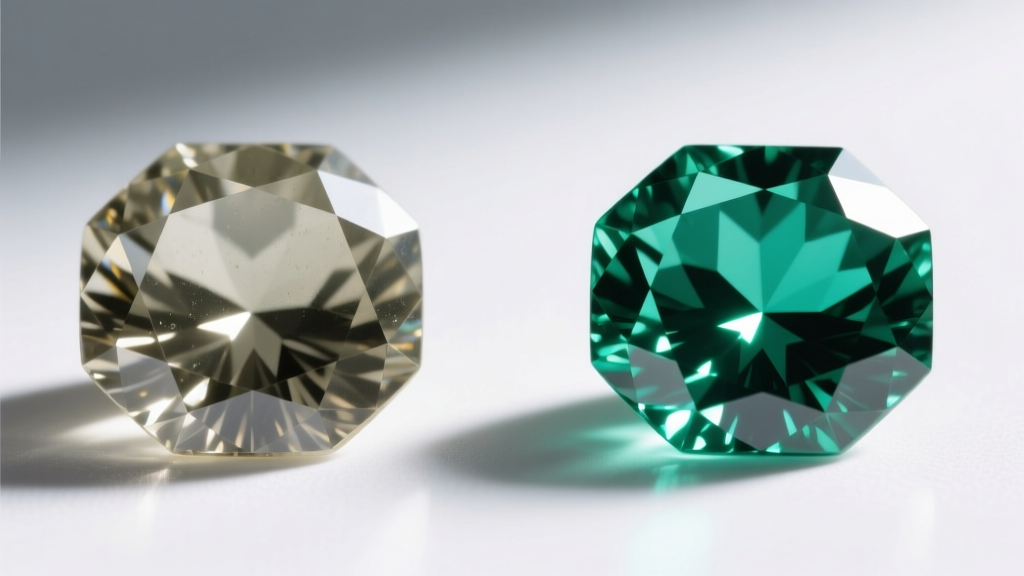
For safe, hard stones and precious metals, follow this precise bench-jeweler protocol to achieve maximum light return and brilliance.
- Preparation: Mix 10ml of Dawn Ultra with 100ml of distilled water heated to 110°F in a glass or ceramic bowl. Avoid plastic bowls, which can harbor microscopic scratches that trap grit.
- The Soak: Submerge the jewelry completely. Allow it to soak for exactly 15 to 20 minutes. This gives the SLES and SLS molecules time to encapsulate the sebum trapped beneath the gallery and culet of the stone.
- Mechanical Agitation: Using a dedicated, extra-soft baby toothbrush or a professional jewelry brush, gently sweep the bristles across the stone and setting. Critical: Brush from the side of the prongs inward, and always brush the underside (pavilion) of the diamond, where the majority of light-blocking grease accumulates.
- The Rinse: Rinse the piece under a gentle stream of lukewarm distilled water. Do not use high-pressure tap water, which can bend delicate micro-pavé prongs.
- Drying: Do not air dry. Use a clean, lint-free microfiber cloth or a blast of compressed, oil-free air to remove water droplets from behind the stones. Air drying, even with distilled water, can leave microscopic mineral rings on the facets.
Dawn vs. Commercial Ultrasonic Solutions
How does Dawn compare to commercial alkaline ultrasonic cleaning solutions? Commercial ultrasonic fluids (like those used by professional jewelers) often contain specialized chelating agents and higher pH buffers designed to break down polishing compounds (like rouge or tripoli) that Dawn cannot touch. However, for daily wear grime—dead skin cells, hand soap residue, and cosmetic oils—Dawn’s specific surfactant profile is actually superior and far gentler on the metal’s high-polish finish. While commercial solutions can sometimes cause "clouding" on lower-clarity diamonds by attacking fracture fillings, a properly diluted Dawn solution remains the safest, most effective degreaser for routine maintenance of hard-stone fine jewelry.


