Brighton Jewelry Cleaner Guide: Safe Care for Lacquered Silver
Learn how to safely use Brighton jewelry cleaner on lacquered silver and brass pieces without stripping the protective coating or damaging enamel.

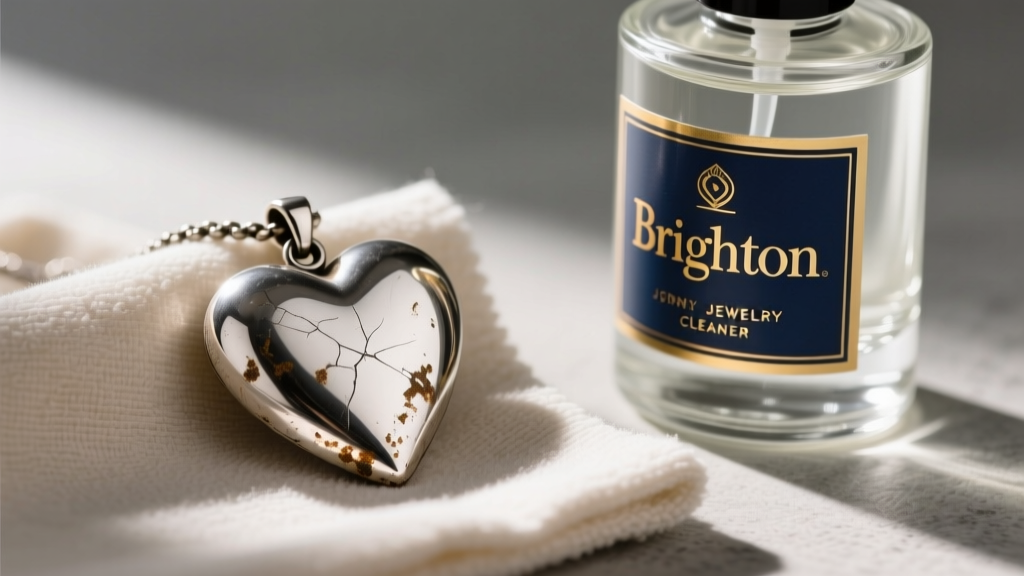
Brighton jewelry is instantly recognizable for its intricate detailing, bold motifs, and distinctive mixed-metal aesthetics. However, caring for these pieces requires a fundamentally different approach than maintaining solid sterling silver or raw brass. As of 2026, Brighton continues to utilize a proprietary protective lacquer over their silver-plated and gold-plated brass bases to stave off tarnish and environmental degradation. Using the wrong chemical agents can permanently cloud this finish. This comprehensive guide explores the material science behind Brighton’s construction and provides a definitive protocol for using Brighton jewelry cleaner and safe alternatives to preserve your collection.
The Architecture of Brighton Jewelry: Why Lacquer Matters
To understand why specific cleaning protocols are mandatory, you must first understand the physical architecture of a standard Brighton piece. Unlike solid 925 sterling silver, the majority of Brighton’s fashion jewelry is cast from a durable brass alloy (often a standard jewelry-grade CuZn39Pb3 or similar lead-free brass variant). This base is electroplated with a micro-layer of pure silver or gold, typically ranging from 0.5 to 1.5 microns in thickness.
Because this plating is exceptionally thin, it is highly susceptible to galvanic corrosion and sulfur-induced tarnishing. To combat this, Brighton applies a specialized acrylic or polyurethane-based clear lacquer (often referred to as an e-coat or anti-tarnish sealant). This microscopic barrier prevents oxygen and sulfur compounds from reaching the reactive silver layer beneath. When you clean Brighton jewelry, you are not actually cleaning the metal; you are cleaning the lacquer. Therefore, the official Brighton care guidelines strictly warn against abrasive polishes and harsh chemical dips that can dissolve or micro-fracture this protective seal.
The Chemistry of Tarnish and Why Silver Dips Fail
Many collectors make the catastrophic mistake of treating clouded Brighton pieces with commercial liquid silver dips. These dips rely on active ingredients like thiourea and mild hydrochloric or sulfuric acid to instantly strip silver sulfide (tarnish) from raw metals. While they work miracles on solid sterling silver chains, they are entirely destructive to lacquered jewelry.
When a highly acidic silver dip (often sitting at a pH of 1 to 2) comes into contact with Brighton’s protective lacquer, it causes immediate chemical degradation. The lacquer will blister, turn milky white, and eventually peel away. Once the lacquer is compromised, the underlying 1-micron silver plating is exposed to the air and will tarnish aggressively within days. Furthermore, if the piece features hand-painted enamel or resin inlays—a hallmark of many Brighton charm bracelets and pendants—solvent-based dips will melt or discolor the pigments irreversibly.
Step-by-Step: Using Brighton Jewelry Cleaner Safely
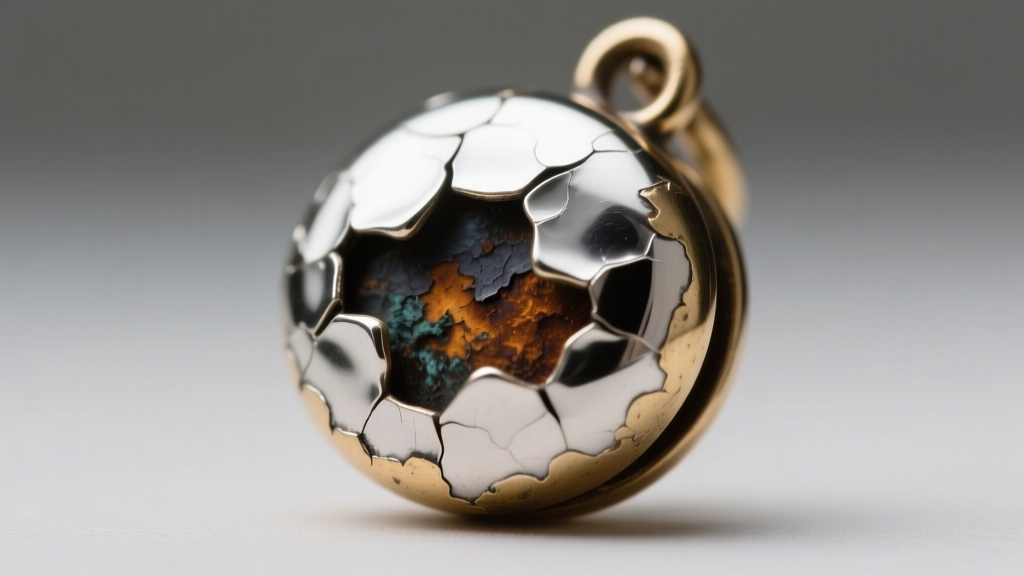
The official Brighton jewelry cleaner is formulated as a neutral-pH, non-abrasive surfactant solution. It is designed to lift sebum, cosmetic residues, and environmental dirt from the surface of the lacquer without compromising its structural integrity. Here is the professional protocol for application:
- Preparation: Lay a clean, lint-free microfiber cloth on a flat surface. Ensure your hands are free of lotions or oils.
- Application: Never spray or pour the cleaner directly onto the jewelry. Liquid can pool in the intricate crevices, hinge mechanisms, or behind gemstone settings, leading to trapped moisture that degrades the lacquer from the inside out. Instead, lightly mist the cleaner onto a corner of the microfiber cloth.
- Agitation: Gently wipe the surface of the jewelry using linear, overlapping strokes. Avoid aggressive circular buffing, which can generate micro-scratches on the lacquer over time, causing it to look perpetually cloudy.
- Detailing: For deep filigree or intricate scrollwork, use a soft-bristled, untreated makeup brush (like a clean eyeshadow blending brush) lightly dampened with the cleaner to dislodge debris.
- Drying: Immediately buff the piece dry with a separate, clean section of the microfiber cloth. Do not allow the jewelry to air dry, as water spots can etch into the lacquer if left for prolonged periods.
Cleaning Agents Compared: What Works and What Destroys
Not all cleaning methods are created equal. The Gemological Institute of America (GIA) notes that silver care must always be tailored to the specific finish and alloy of the piece. Below is a decision matrix for maintaining lacquered versus raw metals.
| Cleaning Method | Lacquered Silver (Brighton) | Raw Sterling Silver (925) | Unplated Solid Brass |
|---|---|---|---|
| Brighton Jewelry Cleaner | Excellent (Safe for lacquer) | Good (Removes dirt, not heavy tarnish) | Good (Removes surface oils) |
| Chemical Silver Dip | Destructive (Strips lacquer) | Excellent (Removes sulfides) | Poor (Causes pitting) |
| Baking Soda Paste | Destructive (Abrasively scratches lacquer) | Good (Mild abrasive for tarnish) | Excellent (Polishes raw brass) |
| Ultrasonic Cleaner | Risky (Vibrations fracture e-coat) | Excellent (For sturdy pieces) | Good (Degreases effectively) |
Troubleshooting: What If the Lacquer is Already Peeling?
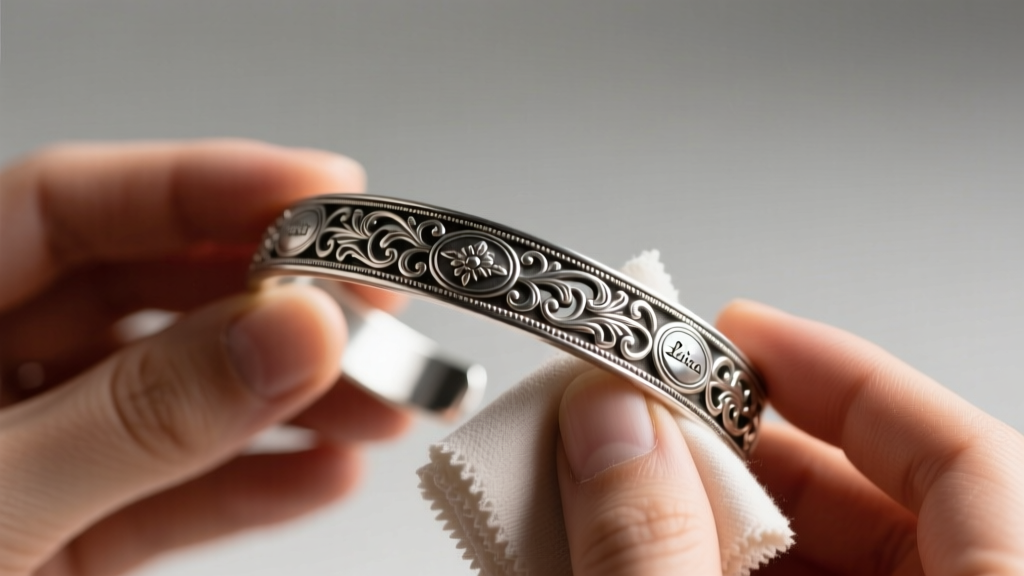
If you have acquired a vintage Brighton piece, or if a previous owner mistakenly used a silver dip, you may notice the lacquer peeling or flaking off in small, translucent shards. At this stage, no amount of Brighton jewelry cleaner will restore the piece. In fact, attempting to polish it will only catch the edges of the peeling lacquer and rip more of it away.
The Restoration Protocol: The only viable solution is complete lacquer removal and professional re-sealing. A skilled bench jeweler can submerge the piece in a pure acetone bath to dissolve the remaining acrylic lacquer. Warning: Acetone will instantly destroy any resin, glued-in rhinestones, or enamel on the piece. Once stripped to the bare silver plating, the jeweler can lightly polish the silver and re-dip the piece in a fresh jeweler's lacquer (such as ProtectaClear). If the underlying brass has begun to oxidize and bleed through the thin silver plating, the piece will require a complete re-plating before it can be re-lacquered.
Expert Insight: Never use toothpaste, baking soda, or commercial silver polishing pastes on Brighton jewelry. These contain hydrated silica or calcium carbonate abrasives that will permanently scuff the clear coat, leaving a dull, matte finish that cannot be buffed out without stripping the coating entirely.
Daily Maintenance to Reduce Cleaning Frequency
The best way to preserve Brighton’s protective lacquer is to minimize the need for wet cleaning altogether. Environmental factors and daily wear habits dictate the lifespan of the e-coat.
- Chemical Exposure: Chlorine in swimming pools and hot tubs is highly reactive and will cause the lacquer to yellow and become brittle. Always remove Brighton bangles and rings before swimming or using household bleach.
- Friction Points: Rings and bracelets endure constant micro-impacts against desks, keyboards, and steering wheels. These impacts create microscopic fractures in the lacquer where moisture can enter. Rotate your pieces to distribute wear evenly.
- Storage Architecture: Store Brighton pieces individually in soft flannel pouches. Tossing them into a communal jewelry box causes metal-on-metal friction that scratches the lacquer. Include a 3M anti-tarnish strip and a silica gel desiccant packet in your storage drawer to control ambient humidity and sulfur levels, drastically reducing the environmental strain on the jewelry's seal.
By respecting the unique material composition of Brighton jewelry and strictly adhering to safe, non-abrasive cleaning protocols, you can ensure that your pieces retain their brilliant, factory-fresh luster for decades.


