Cleaning Costume Jewelry: A Budget and Value Assessment
Discover if cleaning costume jewelry is worth the cost. We break down DIY expenses, professional fees, and when to replace pieces.

The Economics of Costume Jewelry Care
When it comes to fine jewelry, cleaning is a non-negotiable maintenance expense. But when you are dealing with base metals, glass simulants, and glued-in rhinestones, the financial calculus changes entirely. Is cleaning costume jewelry actually worth your time and money? The answer depends entirely on the piece's origin, its material composition, and its current market value.
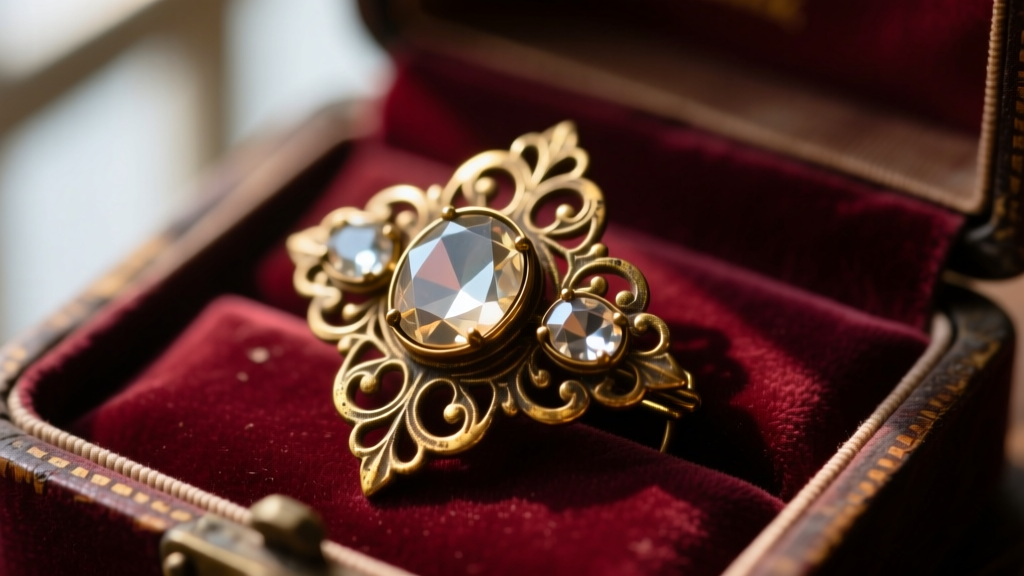
Fast-fashion costume jewelry from contemporary retailers is typically mass-produced using zinc-alloy 'pot metal' with a microscopically thin flash-plating of gold or silver. The cost of professional cleaning will almost always exceed the replacement cost of these items. Conversely, mid-century vintage costume jewelry from houses like Trifari, Coro, or Miriam Haskell can command hundreds of dollars on the secondary market. In these cases, strategic cleaning is not just maintenance; it is an investment in asset preservation.
In this guide, we will break down the exact costs of DIY versus professional cleaning, analyze the chemical failure modes that destroy costume jewelry value, and provide a strict decision framework to help you decide whether to clean, restore, or toss your pieces.
DIY Cleaning Costs vs. Professional Services
The most common mistake consumers make is treating costume jewelry like solid gold or platinum. Ultrasonic cleaners and commercial chemical dips are the enemies of costume pieces. High-frequency sonic waves will shatter glued-in glass stones, while harsh chemicals like ammonia will instantly strip the metallic foil backing off rhinestones, causing irreversible clouding.
Below is a cost and risk breakdown of the most common cleaning methods evaluated for base-metal and simulated-stone jewelry.
| Cleaning Method | Estimated Cost | Risk Level | Best Application |
|---|---|---|---|
| Mild Dish Soap & Distilled Water | $0.10 - $0.25 per use | Low | Sturdy glass stones, solid brass without patina |
| Baking Soda Paste | $0.05 per use | Extreme | Never use; scratches soft glass and strips plating |
| Commercial Silver Dip | $8.00 - $15.00 per bottle | Extreme | Never use on costume; destroys glue and foil |
| Micro-Abrasive Polishing Cloth | $6.00 - $10.00 per cloth | High | Only for un-plated solid brass or copper |
| Professional Hand-Polishing | $25.00 - $60.00 per item | Medium | High-end vintage (e.g., Trifari, Dior) |
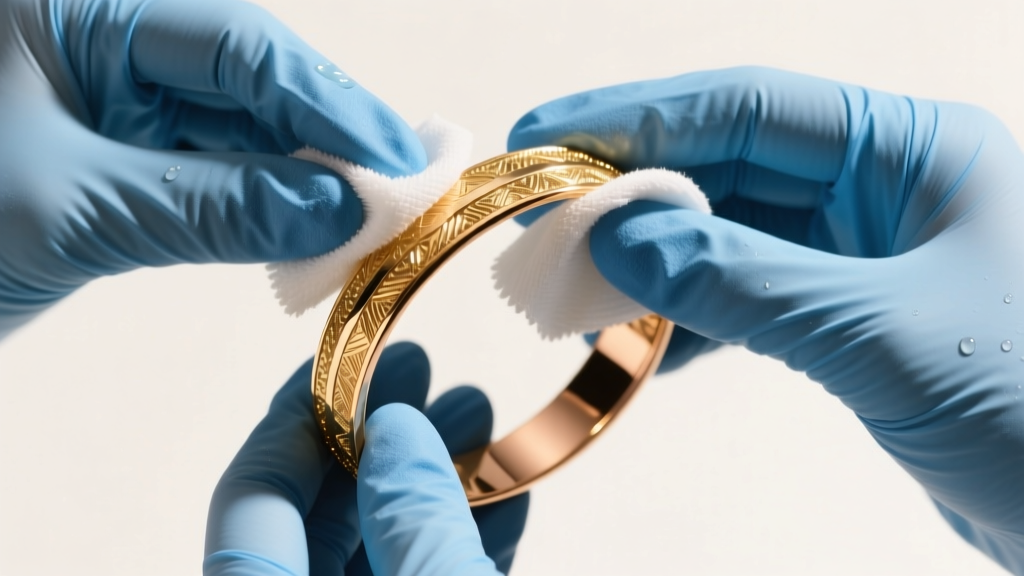
For 90% of everyday costume jewelry, a solution of lukewarm distilled water and a few drops of pH-neutral dish soap (like Dawn) applied with a baby-soft toothbrush is the only safe DIY method. The total cost is pennies, and the risk of stripping the 1-to-2-micron gold plating is minimal if you avoid aggressive scrubbing.
Material Failure Modes: When Cleaning Destroys Value
To accurately assess the value of cleaning, you must understand how costume jewelry fails. According to conservation guidelines from the Victoria and Albert Museum, the organic and composite materials used in costume jewelry are highly reactive to standard cleaning agents.
The Rhinestone 'Black Death'
Vintage rhinestones are not solid gems; they are glass or acrylic stones with a delicate metallic foil glued to the back to reflect light. If moisture seeps under the stone setting, the foil oxidizes and turns black or cloudy—a phenomenon collectors call 'black death.' Once this happens, the stone is dead. Using liquid cleaners, steam, or ultrasonic machines guarantees moisture intrusion. For rhinestone-heavy pieces, dry cleaning with a soft makeup brush and compressed air is the only value-preserving method.
Plating Erosion and Micro-Abrasives
Costume jewelry is usually plated with gold or rhodium at a thickness of just 0.5 to 2.5 microns. To put that in perspective, a human hair is about 70 microns thick. Popular polishing cloths infused with jeweler's rouge contain micro-abrasives designed to remove tarnish from solid silver. If you use these on a gold-plated brass necklace, you will physically sand off the gold layer in seconds, exposing the raw brass underneath and instantly tanking the item's resale value.
Verdigris on Copper and Brass
That crusty green buildup on vintage clasps and pin stems is verdigris (copper acetate or copper carbonate). It is highly corrosive and will eventually eat through the base metal, causing structural failure. While you can halt verdigris by carefully applying white vinegar with a cotton swab and immediately neutralizing it with a baking soda solution, the pitting it leaves behind is permanent. If the structural integrity of a pin stem is compromised by verdigris, the cost of a professional jeweler soldering a new steel stem ($35-$50) often outweighs the value of the piece itself.
Expert Warning: Never use Windex or glass cleaners on costume jewelry. The ammonia in these products will aggressively attack copper alloys and dissolve the adhesive holding simulated pearls and stones in their settings.
The Vintage Factor: Appraisal and Restoration ROI
Where does cleaning costume jewelry actually yield a positive financial return? The secondary vintage market. Collectors of mid-century costume jewelry pay massive premiums for pieces in pristine, sparkling condition.
Consider a vintage Trifari 'Jelly Belly' brooch featuring a carved lucite center. In dull, tarnished condition with cloudy stones, it might sell at auction for $75 to $100. If you spend 45 minutes carefully hand-cleaning the metal with a dry polishing pad (avoiding the lucite, which scratches easily) and picking dirt out of the pave settings with a wooden toothpick, that same brooch can sell for $250 to $350. Here, the 'sweat equity' of careful DIY cleaning yields a 200% return on investment.
However, this ROI only applies to signed, collectible pieces. For unsigned, mass-market costume jewelry from the 1980s onward, the market is saturated, and cleaning will not magically create monetary value where none exists.
Decision Framework: Clean, Restore, or Toss?
Use this rapid assessment framework to determine the most budget-friendly path forward for your costume jewelry.
- Scenario A: Fast Fashion / Contemporary Base Metal. The plating is rubbing off, and the piece cost less than $30 new. Verdict: Toss or recycle. The cost of re-plating ($50+) and cleaning far exceeds replacement value.
- Scenario B: Vintage Signed Piece with Tarnish. The metal is dark, but stones are intact and foil is bright. Verdict: DIY Dry Clean. Use a soft brush and a dry, untreated microfiber cloth. High ROI potential.
- Scenario C: Vintage Piece with Missing Stones or Broken Enamel. The structural or aesthetic damage is severe. Verdict: Professional Restoration Assessment. Only proceed if the piece has high sentimental value or appraises over $150, as sourcing matching vintage glass stones and matching cold enamel can cost $75 to $150.
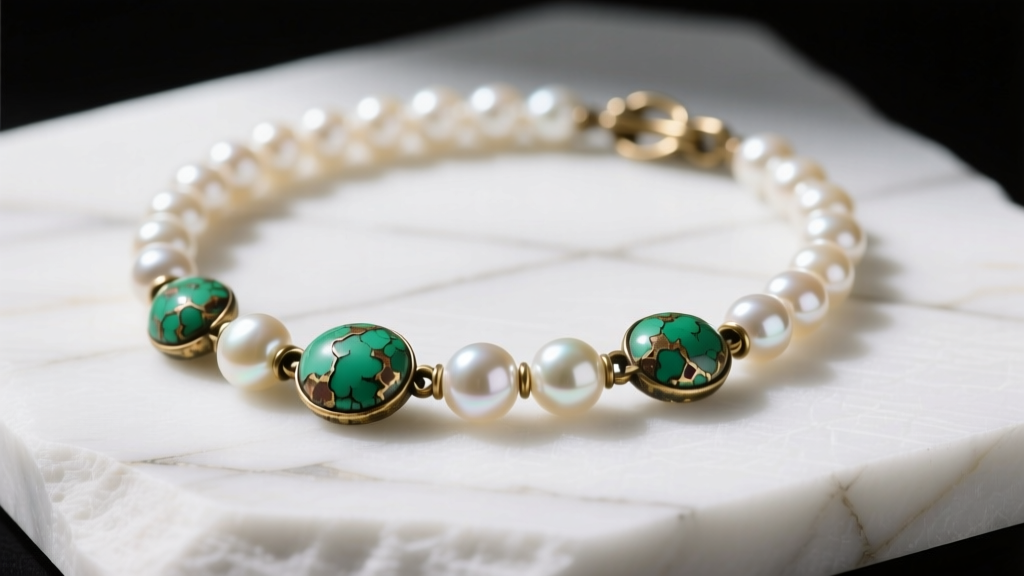
- Scenario D: Simulated Pearls are Peeling. The nacreous coating is flaking off. Verdict: Toss or Restring. You cannot clean or repair peeling faux pearls. If the clasp and findings are valuable gold-filled, harvest them and discard the beads.
Final Verdict on Budgeting for Costume Care
Ultimately, the value of cleaning costume jewelry is dictated by the piece's provenance and your emotional attachment to it. From a purely financial perspective, hoarding commercial dips, ultrasonic machines, or expensive polishing kits for base-metal jewelry is a waste of capital. The Gemological Institute of America (GIA) consistently advises gentle, non-chemical approaches for simulants and treated stones, which aligns perfectly with a low-budget, high-reward strategy.
Keep your toolkit cheap and gentle: distilled water, pH-neutral soap, baby toothbrushes, and wooden toothpicks. Reserve your budget for professional restoration only when dealing with verified, high-value vintage collectibles. By understanding the chemical limitations of base metals and glued simulants, you can preserve your favorite statement pieces without throwing money at cleaning methods that will ultimately destroy them.