How to Get Tarnish Off of Jewelry: Budget Cleaning Guide
Discover the true cost and value of DIY, commercial, and professional methods on how to get tarnish off of jewelry safely.

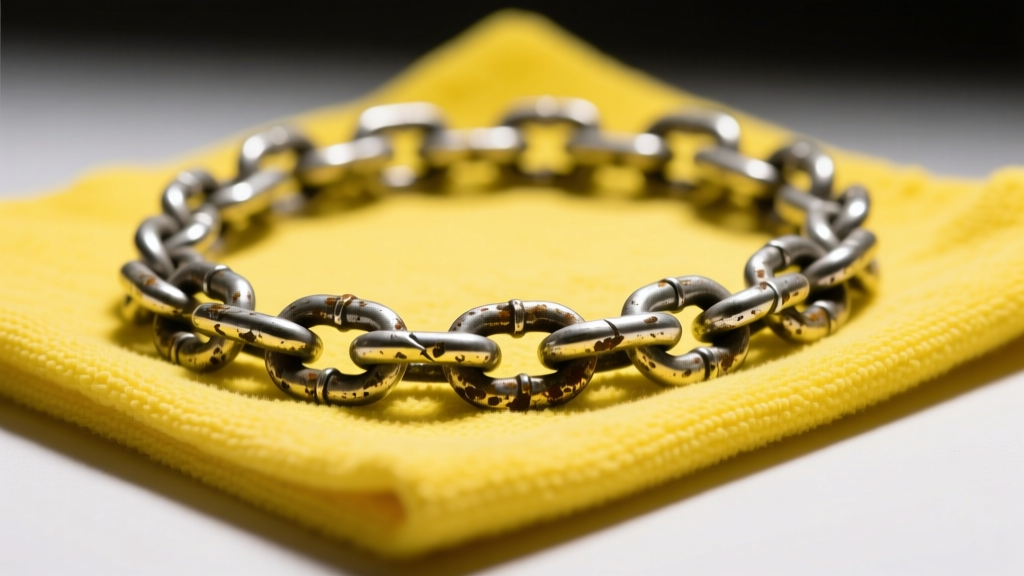
When figuring out how to get tarnish off of jewelry, consumers are often caught between free DIY hacks that risk damaging precious stones and expensive professional services that eat into the item's intrinsic value. Tarnish is not merely dirt; it is a chemical alteration of the metal's surface. Evaluating cleaning methods requires a strict budget and value assessment, weighing the upfront cost of the cleaning agent against the long-term depreciation caused by micro-abrasions, chemical pitting, or metal loss.
In this guide, we break down the exact chemistry of tarnish and evaluate DIY, commercial, and professional removal methods based on true cost, efficacy, and structural risk to your jewelry.
The Chemistry of Tarnish and the Value of Preservation
Before spending money on cleaning solutions, it is critical to understand what you are actually removing. Tarnish on silver is primarily silver sulfide (Ag2S), a dark layer that forms when silver reacts with sulfur compounds in the air, humidity, and human sweat. Copper alloys, like brass and bronze, develop a patina of copper oxide and copper carbonate.
According to the Canadian Conservation Institute, removing tarnish inherently means removing a microscopic layer of the metal itself or converting it back to its base state. Therefore, the 'value' of a cleaning method is not just how shiny it makes the piece, but how much base metal it preserves over decades of wear.
Tier 1: Zero-Cost DIY Electrochemical & Abrasive Methods
DIY methods are the most budget-friendly, but their value proposition varies wildly depending on the chemical mechanism employed.
The Aluminum Foil and Baking Soda Bath
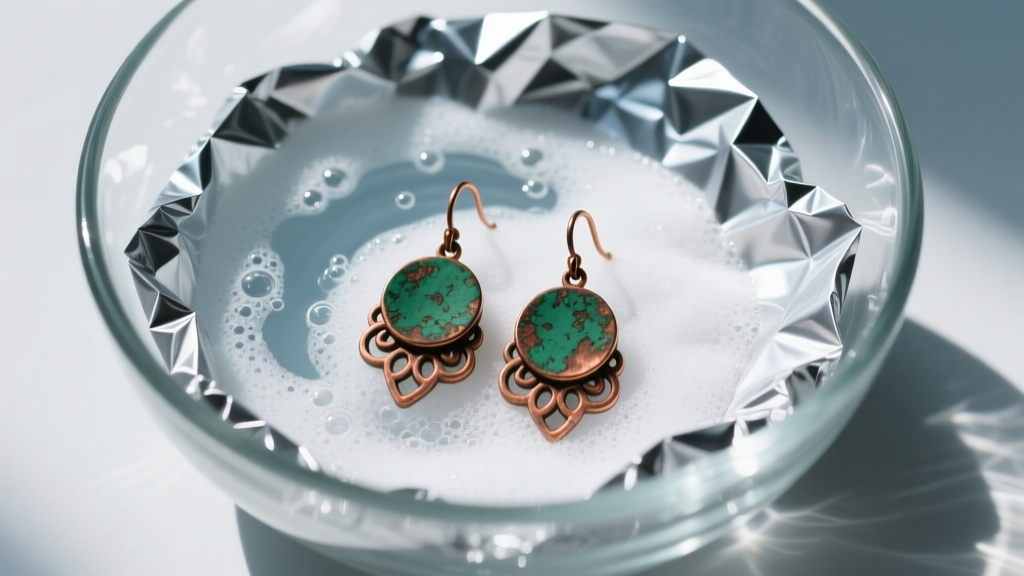
This method costs roughly $0.05 per use and relies on an electrochemical ion transfer rather than abrasion. By lining a glass bowl with aluminum foil, adding boiling water, a tablespoon of baking soda (sodium bicarbonate), and a pinch of salt, you create a galvanic cell. The aluminum acts as the anode and the silver as the cathode. The sulfide ions are pulled off the silver and bind to the aluminum.
- Cost: Under $0.10 per session.
- Value Verdict: Exceptional for solid sterling silver chains and flatware. It removes tarnish without stripping away any actual silver molecules.
- Risk Assessment: Catastrophic for oxidized (antiqued) silver, as it will strip the intentional dark detailing. It can also cause temporary clouding on porous gemstones like turquoise if submerged.
Dish Soap and Soft Toothbrush
Using a few drops of mild, phosphate-free dish soap (like Dawn) and a baby-soft toothbrush costs pennies. This does not remove chemical tarnish; it removes the sebum, lotions, and environmental grime that trap sulfur against the metal, accelerating the tarnishing process.
Tier 2: Commercial Dips and Micro-Abrasive Cloths ($8 - $25)
When DIY electrochemical baths are too cumbersome, consumers turn to commercial products. Here, the budget increases, but so does the risk of long-term devaluation.
Liquid Silver Dips (Thiourea-Based)
Products like Tarn-X cost between $8 and $15. The active ingredient in most instant silver dips is thiourea, a toxic organic compound that dissolves silver sulfide on contact. While the immediate visual result is striking, the Gemological Institute of America (GIA) and professional conservators heavily advise against frequent use of liquid dips.
"Liquid dips strip the natural oxidation layer and can leave the silver surface microscopically pitted and highly reactive, causing it to re-tarnish up to three times faster than before."
- Cost: $10 - $15 per bottle (lasts for years).
- Value Verdict: Poor long-term value. The accelerated re-tarnishing cycle creates a dependency on the chemical.
- Risk Assessment: High. Will permanently ruin pearls, opals, and emeralds. Can strip rhodium plating off white gold.
Treated Micro-Abrasive Polishing Cloths
Sunshine or Connoisseurs polishing cloths ($8 - $12) are embedded with microscopic jeweler's rouge and anti-tarnish inhibitors. You use the inner white cloth to clean, and the outer treated cloth to buff.
- Cost: $8 - $12 per cloth (usable until completely black).
- Value Verdict: The highest ROI in the commercial tier. It offers precise control, preventing damage to gemstone settings, and leaves a protective wax barrier.
- Risk Assessment: Low to Moderate. Because it is mildly abrasive, daily use over several years will slowly wear down high-relief details and hallmarks.
Tier 3: Ultrasonic Cavitation and Professional Bench Polishing ($40 - $150)
For heavy tarnish, deep crevice grime, or high-value estate pieces, mechanical and professional interventions are required.
At-Home Ultrasonic Cleaners
Consumer ultrasonic cleaners (like the Magnasonic) cost between $40 and $60. They operate at a frequency of roughly 42kHz, creating microscopic cavitation bubbles in a water and detergent solution. When these bubbles collapse, they generate localized shockwaves that blast tarnish and dirt out of microscopic crevices.
- Cost: $40 - $60 upfront investment.
- Value Verdict: Excellent for diamond and sapphire jewelry with heavy buildup. Poor for actual tarnish removal on its own, as ultrasonic waves do not reverse silver sulfide; they require a chemical additive to work on tarnish.
- Risk Assessment: The vibrations can shatter heavily included gems (like emeralds) and shake loose stones with worn prongs.
Professional Jeweler Bench Polishing
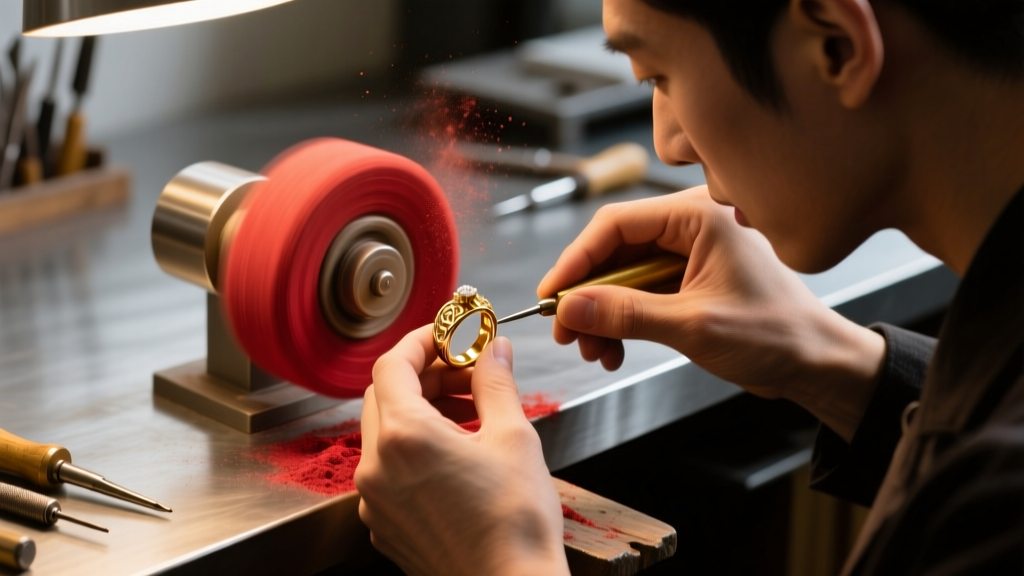
Taking a piece to a bench jeweler for a professional polish and ultrasonic bath typically costs $45 to $150, depending on the intricacy of the piece. The jeweler uses a high-speed rotary buffing wheel with tripoli compound (to cut away the tarnished layer) followed by red jeweler's rouge (to burnish the metal to a mirror finish).
- Cost: $45 - $150 per service.
- Value Verdict: Necessary for severe scratching and deep, pitted tarnish. However, it is a subtractive process.
- Risk Assessment: A standard bench polish removes between 0.01mm and 0.05mm of precious metal. Policing an heirloom piece more than once a decade will eventually erase engraving and soften prongs.
Cost-Value Matrix: Matching the Method to the Metal
To maximize your budget and protect your jewelry's appraisal value, match the cleaning method to the specific material profile.
| Material / Gemstone | Best Budget Method | Cost | Methods to Strictly Avoid |
|---|---|---|---|
| Solid Sterling Silver (No Gems) | Aluminum Foil Electrochemical Bath | $0.05 | Thiourea Liquid Dips |
| Silver with Antiqued Details | Sunshine Polishing Cloth (Targeted) | $8.00 | Electrochemical Baths, Dips |
| 14k/18k Gold & Platinum | Dish Soap + Ultrasonic (42kHz) | $0.10 | Abrasive Toothpaste, Baking Soda Paste |
| Pearls, Opals, Emeralds, Coral | Damp Microfiber Cloth Only | $0.00 | Ultrasonic, Dips, Foil Baths, Steam |
| Rhodium-Plated White Gold | Mild Dish Soap Soak | $0.10 | Polishing Cloths, Bench Buffing |
Hidden Costs: Catastrophic Failure Modes in Budget Cleaning
The most expensive mistake in jewelry care is applying a zero-cost DIY method to a high-value, delicate material. Understanding these failure modes is essential for a true value assessment.
Stripping Rhodium Plating
White gold is naturally a pale yellow alloy; it is plated with rhodium (a platinum-group metal) to achieve a bright white finish. Rhodium plating costs $60 to $120 to reapply. Using abrasive DIY pastes (like baking soda and water) or harsh commercial dips will strip this plating in a single session, turning a $5 cleaning shortcut into a $100 re-plating bill.
Etching Porous Organics
Pearls rank at a mere 2.5 on the Mohs hardness scale and are composed of calcium carbonate. Baking soda, vinegar, and commercial silver dips are highly alkaline or acidic. Submerging a pearl necklace in an electrochemical bath will permanently etch the nacre, destroying the orient (the optical luster) and reducing the appraisal value to zero.
Dehydrating Opals and Emeralds
Opals contain up to 20% water. Ultrasonic heat and harsh chemical solvents can cause them to craze (develop internal micro-fractures). Similarly, emeralds are almost universally treated with cedar oil to mask natural fissures. Ultrasonic cavitation will vibrate the oil right out of the stone, leaving the emerald looking heavily fractured and cloudy. Re-oiling an emerald requires a specialist lapidary, costing upwards of $200.
Final Verdict on Budget Tarnish Removal
Figuring out how to get tarnish off of jewelry on a budget does not mean resorting to the harshest chemicals. The highest value approach combines the zero-cost aluminum foil electrochemical bath for solid silver maintenance, an $8 micro-abrasive cloth for targeted spot-cleaning, and a mild dish soap soak for gemstone-set pieces. Reserve the $100+ professional bench polishes strictly for once-a-decade heirloom restorations to preserve the structural integrity and precious metal weight of your most valuable investments.