How to Clean Your Jewelry Safely: A Beginner's Guide
Learn how to clean your jewelry safely with our beginner-friendly guide. Discover expert methods for gold, silver, diamonds, and porous gemstones.

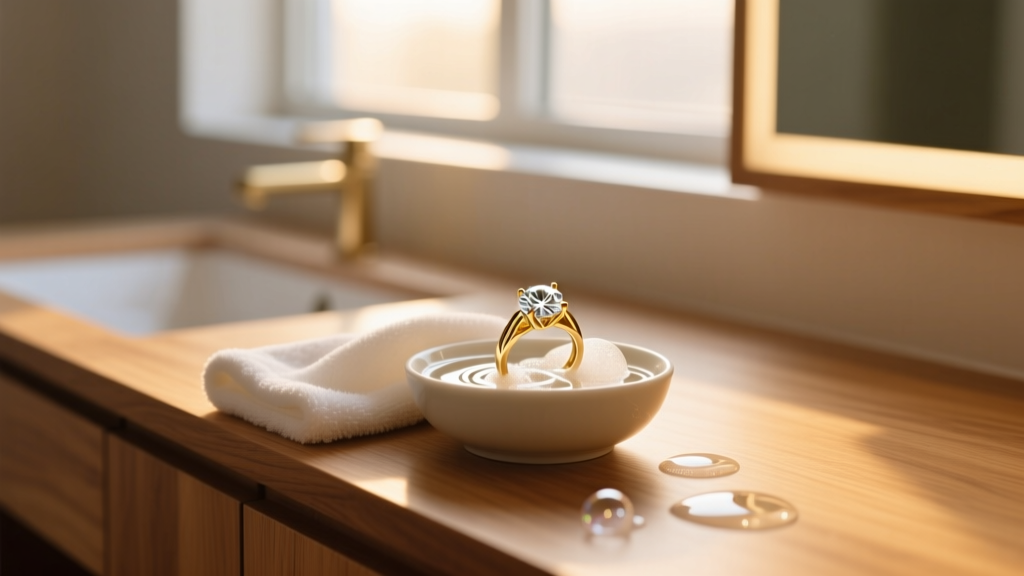
Learning how to clean your jewelry is one of the most important skills a new collector or gift-recipient can master. Over time, even the most brilliant diamonds and polished gold bands lose their luster. This isn't due to a defect in the piece; rather, it is the inevitable result of daily wear. Sebum (skin oils), dead skin cells, cosmetic lotions, and hard water minerals create a microscopic film over gemstone pavilions and metal settings, refracting light poorly and dulling the piece. For beginners, the sheer volume of conflicting advice online—from boiling water to abrasive toothpaste—can lead to catastrophic, irreversible damage. This guide strips away the myths and provides a science-backed, beginner-friendly framework for safely maintaining your most cherished pieces.
Why Your Jewelry Gets Dull: The Science of Buildup
Before reaching for a cleaning solution, it helps to understand what you are actually cleaning. The primary culprit behind dull jewelry is a combination of sebum and environmental dust. Diamonds, for instance, are naturally lipophilic, meaning they attract and hold onto oils. When hand lotion or natural skin oils coat the underside (the pavilion) of a diamond, light cannot properly enter and reflect back to the eye, making a flawless stone look cloudy or gray. Similarly, sterling silver (925) contains 7.5% copper, which reacts with sulfur compounds in the air and human sweat to create silver sulfide—the black tarnish that plagues silver owners. Understanding these chemical realities dictates the cleaning method you must use.
The Golden Rule: Identify Your Materials First
The most common beginner mistake is treating all jewelry as if it shares the same physical properties. The Gemological Institute of America (GIA) emphasizes that cleaning protocols must be dictated by the Mohs scale of mineral hardness and the porosity of the material. A diamond (Mohs 10) can withstand rigorous ultrasonic vibrations and stiff brushing. However, an opal (Mohs 5.5-6.5) or a pearl (Mohs 2.5-4.5) is highly porous and water-sensitive. Submerging an opal in soapy water can cause it to absorb liquids, leading to internal fracturing or a permanent loss of its signature "fire." Always identify both the metal alloy (e.g., 14k vs. 18k gold, platinum, sterling silver) and the exact gemstone before applying any cleaning agent.
The Universal Beginner Method: Warm Water & Mild Soap
For 80% of everyday jewelry—including diamond, sapphire, and ruby set in gold or platinum—the safest and most effective cleaning method requires nothing more than household basics. You will need:
- Mild Dish Soap: A pH-neutral, grease-cutting soap like original Dawn. Avoid soaps with heavy moisturizers or exfoliating beads.
- Distilled or Filtered Water: Tap water often contains chlorine and dissolved minerals that can leave hard water spots on metals.
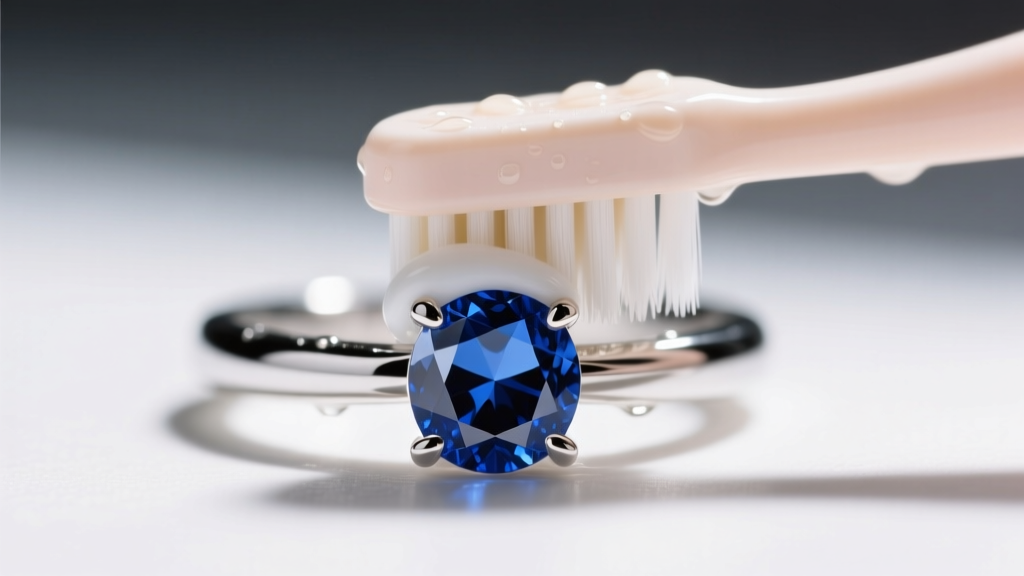
- Extra-Soft Baby Toothbrush: Adult toothbrushes have bristles that are too stiff and can cause micro-scratches on softer metals like 18k or 24k gold.
- Lint-Free Microfiber Cloth: For drying and final polishing.
Step-by-Step Execution
- Prepare the Bath: Mix a few drops of dish soap into a bowl of lukewarm (never hot) distilled water.
- Soak: Drop your durable jewelry into the bowl and let it sit for 15 to 20 minutes. This allows the surfactants in the soap to break down the lipid bonds of skin oils.
- Agitate Gently: Using the baby toothbrush, gently sweep the bristles across the stone and, crucially, underneath the setting where the girdle of the gemstone meets the metal basket.
- Rinse: Rinse the piece under a gentle stream of lukewarm distilled water. Pro-Tip: Always plug the sink drain or use a mesh strainer bowl to prevent accidental loss.
- Dry: Pat dry with a microfiber cloth. Avoid paper towels, as wood-pulp fibers can leave microscopic scratches on highly polished gold and platinum.
Material-Specific Cleaning Cheat Sheet
To eliminate the guesswork, reference this quick-decision matrix before cleaning your collection.
| Material / Gemstone | Mohs Hardness | Safe Cleaning Agent | Strictly Avoid |
|---|---|---|---|
| Diamond, Sapphire, Ruby | 9 - 10 | Warm soapy water, ultrasonic (if untreated) | Extreme thermal shock |
| 14k / 18k Gold | 2.5 - 3 (Alloy) | Mild dish soap, microfiber cloth | Toothpaste, baking soda, chlorine |
| Sterling Silver (925) | 2.5 - 3 | Polishing cloth, silver dip (sparingly) | Abrasive pastes, salt water |
| Platinum (950) | 4 - 4.5 | Warm soapy water, commercial jewelry cleaner | Harsh acids, bleach |
| Pearl, Opal, Turquoise | 2.5 - 6.5 | Damp, soft cloth only (wipe down) | Submersion in water, ultrasonics, steam |
Dangerous Beginner Mistakes to Avoid Immediately
The internet is rife with DIY "hacks" that jewelry repair professionals see the consequences of daily. Avoid these three common traps at all costs:
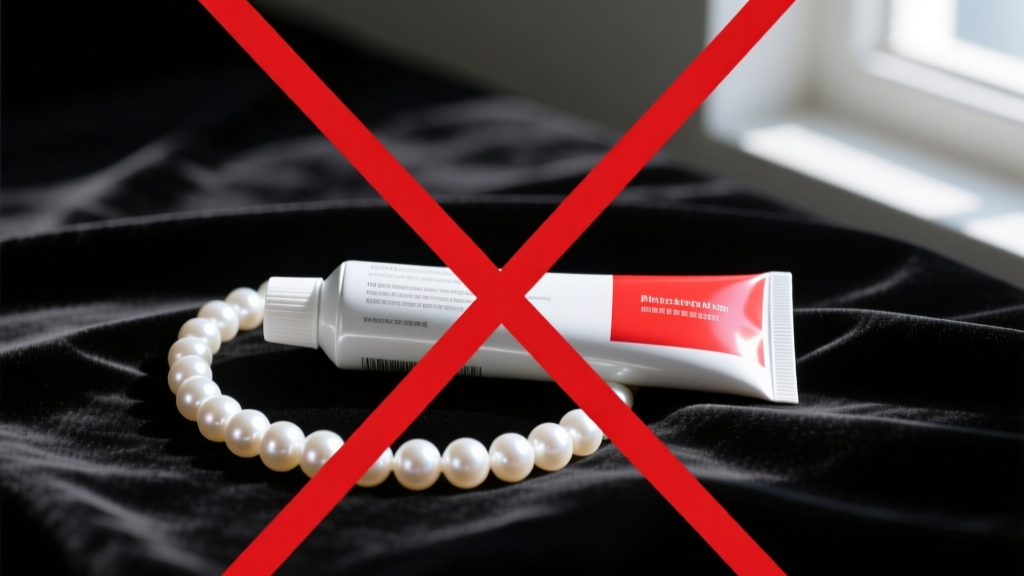
- The Toothpaste Myth: Toothpaste contains hydrated silica and baking soda designed to scrub enamel. These abrasives have a high Relative Dentin Abrasivity (RDA) value and will easily scratch 14k and 18k gold, leaving a dull, matte finish that requires professional repolishing to fix.
- Baking Soda on Porous Stones: Baking soda is highly alkaline (pH 9). While it might lift tarnish from silver, it will chemically etch and destroy the nacre of a pearl or the delicate surface of turquoise.
- Chlorine Exposure: Never clean jewelry with bleach or wear it in a hot tub. Chlorine reacts with the copper and zinc alloys in gold, causing a structural weakening known as stress corrosion cracking, which can cause prongs to snap and stones to fall out.
The Chemistry of Tarnish and Proper Storage
Cleaning is only half the battle; preventative storage is the other. According to the American Gem Society, proper storage drastically reduces the frequency of deep cleanings. Sterling silver tarnishes when exposed to hydrogen sulfide in the air. To combat this, store silver in airtight zip-lock bags alongside 3M Pacific Silvercloth strips or silica gel packets to absorb ambient moisture. Keep pieces separated in soft fabric-lined compartments to prevent harder stones (like diamonds) from scratching softer metals and adjacent gems.
When to Upgrade to Professional or Ultrasonic Cleaning
Ultrasonic cleaners use high-frequency sound waves (typically 40kHz) to create microscopic cavitation bubbles in a liquid solvent, which implode and blast dirt away from hard-to-reach crevices. While excellent for diamond and platinum, they are notoriously dangerous for certain stones. For example, emeralds are almost always fracture-filled with cedar oil or synthetic resins to improve clarity. The violent vibrations of an ultrasonic cleaner will shake this filler out, leaving the stone looking heavily included and cloudy. Similarly, heat-treated rubies and sapphires can fracture under ultrasonic stress. If you own heirloom pieces, estate jewelry, or fragile gems like emeralds, tanzanite, or morganite, bypass home cleaning entirely and take them to a certified bench jeweler for a professional steam and ultrasonic evaluation.
Final Thoughts on Building a Care Routine
Knowing how to clean your jewelry safely is about consistency rather than intensity. A gentle, five-minute soak in mild soapy water every two weeks will keep your diamonds sparkling and your gold radiant, entirely eliminating the need for harsh chemicals or aggressive scrubbing. By respecting the material science behind your jewelry and avoiding abrasive internet hacks, you ensure that your pieces remain as structurally sound and visually breathtaking as the day you acquired them.