What Can I Use to Clean Jewelry? 2026 Tools Buying Guide
Discover exactly what you can use to clean jewelry safely. Compare ultrasonic machines, steam cleaners, and polishing cloths in our 2026 buyer's guide.

The Hidden Risks of Improper Jewelry Cleaning
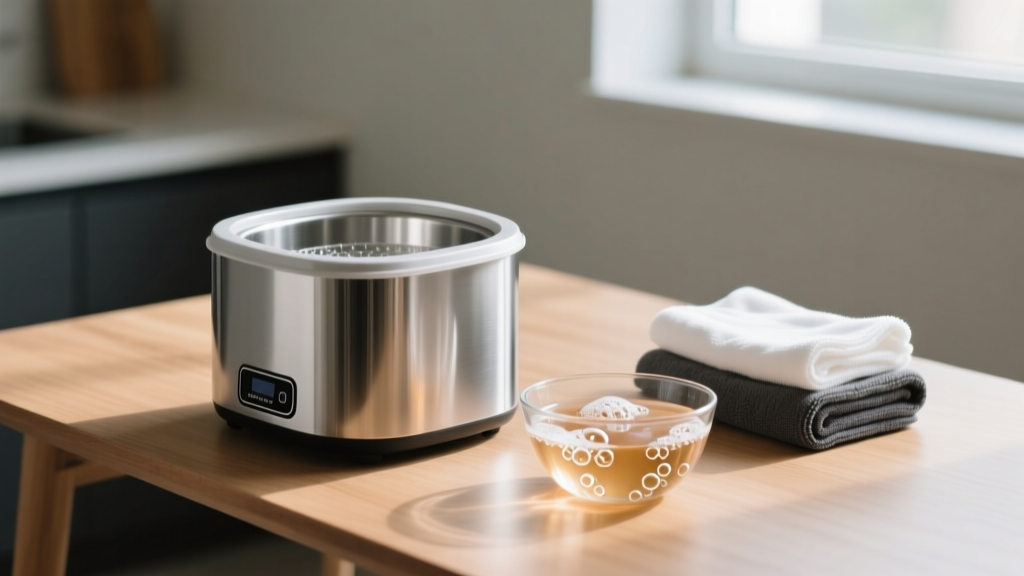
When collectors and everyday wearers ask, "what can i use to clean jewelry," the answer is rarely a simple one-size-fits-all solution. The jewelry market in 2026 features an unprecedented variety of gemstone treatments, alloy blends, and micro-pavé settings that react violently to generic cleaning methods. Using the wrong tool can lead to catastrophic failure modes: ultrasonic cavitation can shatter fracture-filled emeralds, high-pressure steam can induce thermal shock in tanzanite, and harsh chemical dips can strip the protective rhodium plating off white gold.
This comprehensive buying guide cuts through the marketing fluff to help you select the right equipment for your specific collection. We evaluate the exact specifications, material compatibilities, and pricing tiers of modern jewelry cleaning tools, ensuring your investments remain pristine without risking structural damage.
Ultrasonic Cleaners: The Science of Cavitation
Ultrasonic cleaners are the workhorses of professional jewelry maintenance. They operate by emitting high-frequency sound waves through a liquid medium, creating millions of microscopic vacuum bubbles. When these bubbles collapse against the surface of your jewelry—a process known as cavitation—they generate micro-jets of liquid that dislodge dirt, oils, and lotions from beneath prongs and inside intricate filigree work.
Frequency and Tank Specifications
When shopping for an ultrasonic cleaner, frequency is your most critical metric. Most consumer-grade units operate at 42 kHz (42,000 cycles per second). This frequency provides an aggressive clean ideal for diamond, sapphire, and solid 14k/18k gold settings. However, if your collection includes softer stones or delicate antique jewelry, look for dual-frequency models that offer a 45 kHz to 48 kHz setting. Higher frequencies produce smaller cavitation bubbles, resulting in a gentler clean that penetrates micro-crevices without risking surface abrasion.
Tank capacity dictates what you can clean. A standard 20 oz (600 ml) tank is sufficient for rings and earrings. For bracelets, necklaces, or eyewear, opt for a 34 oz (1000 ml) tank with a minimum internal depth of 2.5 inches to ensure items can be fully submerged without touching the transducer at the base.
When to Avoid Ultrasonics
According to the Gemological Institute of America (GIA), ultrasonic cleaners should never be used on organic gems or heavily included stones. The vibrations can easily fracture opals, pearls, coral, and amber. Furthermore, emeralds are routinely treated with cedar oil or synthetic resins to mask natural fissures; ultrasonic waves will strip these fillers, leaving the stone looking cloudy and heavily fractured.
Steam Cleaners: Professional Brilliance at Home
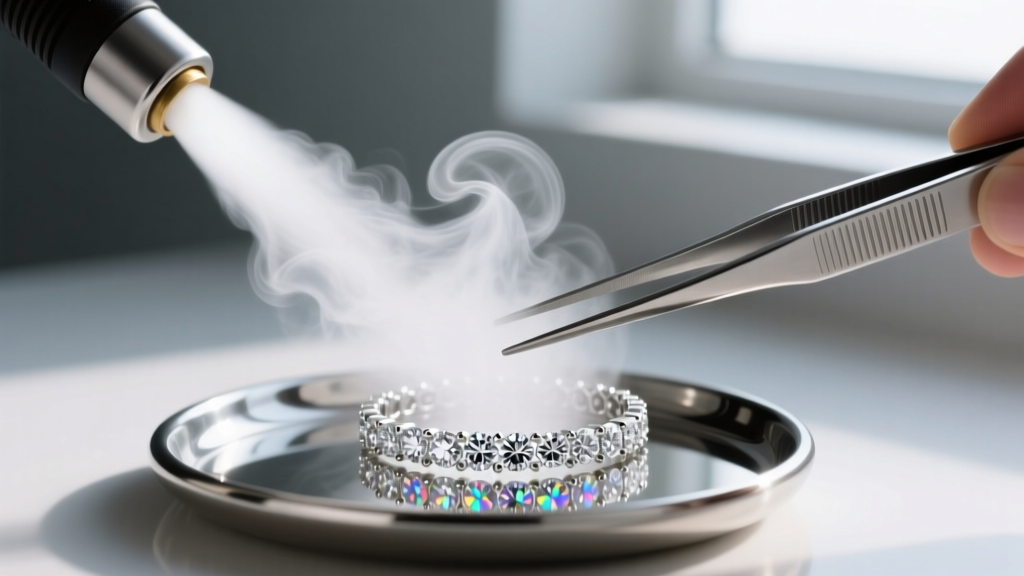
If you want that "just polished" storefront sparkle, a home steam cleaner is the ultimate tool. Steam cleaners heat distilled water to produce a highly pressurized jet of steam that instantly blasts away the microscopic film of sebum and soap scum that dulls gemstones.
Pressure Ratings and Operational Safety
Professional bench steamers operate at upwards of 100 PSI, which is far too dangerous for untrained home use. The best home steam jewelry cleaners in 2026 are capped between 50 and 65 PSI. This pressure is sufficient to clean a diamond tennis bracelet in seconds without risking the displacement of micro-pavé stones. Always look for models with a specialized, narrow-gauge jewelry nozzle rather than wide fabric-steaming attachments.
Critical Rule: Only use 100% distilled water in your steamer. Tap water contains dissolved calcium and magnesium carbonates that will bake onto your jewelry as stubborn white spots when the steam evaporates.
Top Home Steam Cleaner Specs Comparison
| Feature | Entry-Level (e.g., GemOro Sparkle Spa) | Prosumer (e.g., Steamfast SF-100) |
|---|---|---|
| Operating Pressure | ~50 PSI | ~65 PSI |
| Heat-Up Time | 3-4 Minutes | 90 Seconds |
| Water Capacity | 14 oz (Distilled) | 25 oz (Distilled) |
| Price Range (2026) | $45 - $65 | $120 - $160 |
Manual Polishing Cloths and Chemical Dips
Not all tarnish and dirt can be solved with water and sound waves. For oxidized silver and delicate surface dusting, manual methods remain indispensable.
Microfiber vs. Treated Cotton
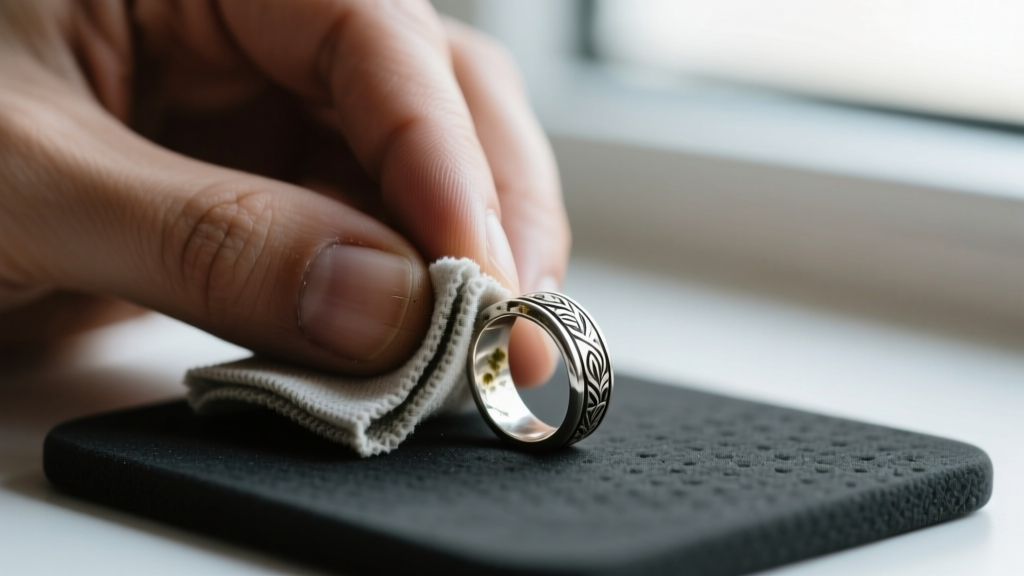
For daily maintenance, untreated split-fiber microfiber cloths are superior. Look for a weight of at least 300 GSM (grams per square meter). The split fibers act like microscopic scoops, trapping dust and oils rather than just pushing them around. Avoid standard household rags, as they often contain hard synthetic threads that can induce micro-scratches on high-polish gold.
For heavy silver tarnish (silver sulfide), you need a chemically treated polishing cloth, such as the industry-standard Sunshine Cloth. These feature a dual-layer design: an inner yellow layer impregnated with micro-abrasives and anti-tarnish agents to strip oxidation, and an outer white layer for final buffing. Never wash these treated cloths, as laundering strips the active polishing compounds.
The Danger of Chemical Silver Dips
Liquid silver dips offer instant gratification, turning blackened silver bright white in seconds. However, these solutions rely on thiourea, a highly toxic chemical compound. While effective, thiourea strips tarnish by creating a micro-porous surface on the silver. If not neutralized and rinsed perfectly, this porous surface will actually accelerate future tarnishing. Furthermore, chemical dips will permanently ruin the luster of porous gems like turquoise and lapis lazuli if the silver setting is submerged. The American Gem Society strongly advises against submerging any gem-set jewelry in liquid chemical dips.
Decision Matrix: Matching the Tool to Your Collection
To definitively answer "what can i use to clean jewelry," you must match the tool to the material. Use the matrix below to guide your purchasing decisions and cleaning routines.
| Material / Gemstone | Ultrasonic (42kHz) | Steam Cleaner | Mild Dish Soap & Brush | Treated Polishing Cloth |
|---|---|---|---|---|
| Diamonds & Moissanite | ✅ Excellent | ✅ Excellent | ✅ Safe | ❌ Unnecessary |
| Solid Gold (14k/18k) | ✅ Excellent | ✅ Safe | ✅ Safe | ✅ Safe |
| Sterling Silver | ⚠️ Use Caution | ✅ Safe | ✅ Safe | ✅ Excellent |
| Emeralds & Opals | ❌ Destructive | ❌ Destructive | ✅ Safe (Gentle) | ❌ Avoid |
| Pearls & Coral | ❌ Destructive | ❌ Destructive | ⚠️ Damp Cloth Only | ❌ Destructive |
Pro Tip for 2026: If you own a mixed collection of durable diamonds and fragile emeralds, invest in a high-quality 300 GSM microfiber cloth, a soft-bristled baby toothbrush, and a pH-neutral dish soap (like Dawn Ultra). This manual trio remains the safest, most universally compatible cleaning method across all gemological categories.
Final Thoughts on Building Your Cleaning Kit
Building a proper jewelry care kit is an exercise in risk management. While a $150 ultrasonic cleaner and a $120 steam machine will provide unparalleled brilliance for your diamond and sapphire pieces, they are liabilities to your organic and treated gems. Start with the essentials: premium microfiber cloths, specialized treated silver cloths, and a high-quality soft brush. Once you have isolated your durable, untreated stones, you can safely introduce ultrasonics and steam into your routine, ensuring your entire collection remains radiant for decades to come.