Why Mild Dish Soap for Cleaning Jewelry Dominates 2026 Trends
Discover why mild dish soap for cleaning jewelry is the top 2026 trend. We analyze formulations, gemstone safety, and the shift from harsh chemicals.

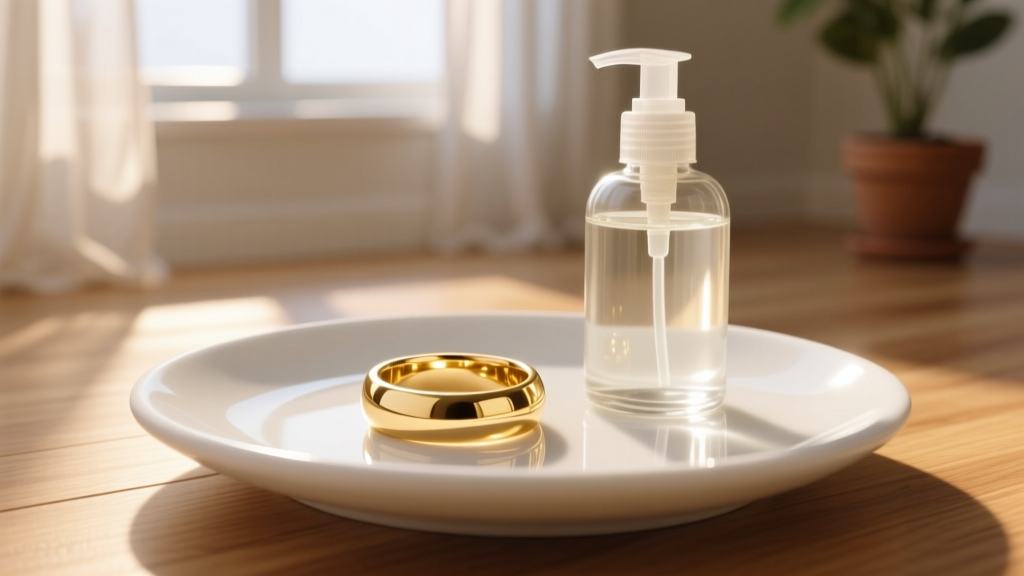
The 2026 Shift: From Chemical Dips to Conscious Preservation
If you track the evolution of fine jewelry maintenance, 2026 marks a definitive turning point. The "Slow Jewelry" and "Quiet Luxury" movements have fundamentally altered how collectors, curators, and everyday wearers approach maintenance. Gone are the days of submerging heirloom pieces in harsh, ammonia-based commercial dips or blasting them in high-frequency ultrasonic baths. Today, the undisputed gold standard recommended by master jewelers and sustainable style influencers is using mild dish soap for cleaning jewelry. This isn't just a DIY lifehack; it is a deliberate, chemistry-backed preservation strategy designed to protect the complex alloys, raw gemstones, and tension settings dominating contemporary design.
The shift away from aggressive cleaning methods is driven by the rising popularity of mixed-metal pieces and untreated, inclusion-heavy gems. According to the Gemological Institute of America (GIA), harsh chemicals can degrade the polish on precious metals and damage porous stones. As consumers invest more in artisanal, hand-forged pieces with deliberate oxidized patinas and raw uncut diamonds, the need for a non-destructive, pH-balanced cleaning agent has never been higher.
The Chemistry of Clean: Why Mild Dish Soap for Cleaning Jewelry Works
To understand why mild dish soap for cleaning jewelry has eclipsed specialized commercial cleaners, we have to look at the chemistry of sebum, cosmetic buildup, and metal alloys. The primary culprits behind dull jewelry are skin oils, lotions, and environmental dust. These create a hydrophobic film over the metal and gemstone facets.
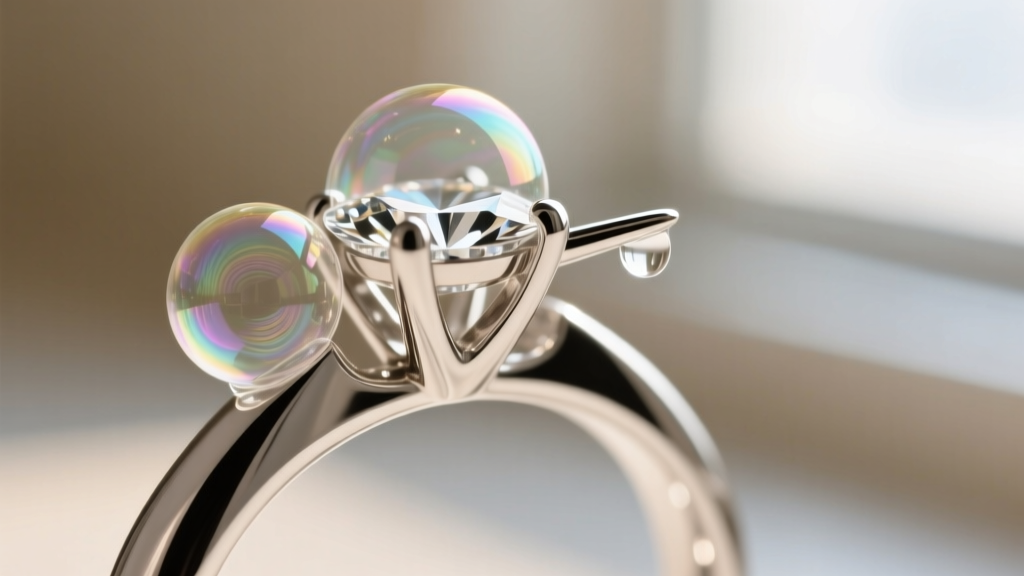
Surfactant Action vs. Abrasive Pastes
Mild dish soaps rely on anionic surfactants (such as sodium lauryl sulfate or decyl glucoside). These molecules possess a hydrophilic (water-loving) head and a lipophilic (oil-loving) tail. When agitated in water, the tails attach to the oils on your jewelry, encapsulating them in microscopic structures called micelles, which are then easily rinsed away. Unlike abrasive polishing pastes that physically strip away microscopic layers of metal—slowly degrading prongs and engravings over time—surfactants lift debris without altering the physical surface of an 18k gold (Mohs 2.5-3) or platinum setting.
Furthermore, commercial silver dips often rely on thiourea, a chemical that strips tarnish but also accelerates future oxidation by leaving the metal surface microscopically porous. A gentle soap bath preserves the metal's integrity, aligning perfectly with the 2026 ethos of long-term preservation over instant, damaging gratification.
Formulation Breakdown: Which Mild Dish Soap for Cleaning Jewelry Wins?
Not all dish soaps are created equal. The term "mild" is largely unregulated, meaning many products marketed as gentle contain hidden degreasers, citrus extracts, or moisturizing lotions that can etch porous stones or leave a filmy residue. Below is a curated analysis of the top formulations used by jewelry conservators this year.
| Brand / Formulation | pH Level | Key Surfactant | Best For (2026 Trends) | Avoid With |
|---|---|---|---|---|
| Dawn Free & Clear | 7.0 - 7.5 | Sodium Lauryl Sulfate | High-polish platinum, diamond pave, 18k gold | Untreated pearls |
| Seventh Generation Free & Clear | 6.5 - 7.0 | Decyl Glucoside (Plant) | Opals, emeralds, raw salt-and-pepper diamonds | Heavy grease buildup |
| Dr. Bronner’s Unscented Castile | 8.0 - 9.0 | Potassium Cocoate | Solid titanium bands, oxidized silver | Pearls, coral, turquoise |
| Mrs. Meyer’s Clean Day | 6.5 - 7.5 | Sodium Methyl Cocoyl Taurate | Everyday wear stainless steel | Porous stones (essential oils cause etching) |
For the safest, most universal application across mixed-metal and multi-gemstone pieces, plant-derived, unscented formulations with a neutral pH (around 7.0) are the industry consensus. The American Gem Society consistently advises against any cleaners containing chlorine bleach or heavy degreasers, which can pit gold alloys and weaken prong tension.
Trend Alert: Mixed Metals and Porous Stones Demand Gentler Care
The jewelry runways and bespoke ateliers of 2026 are heavily focused on organic textures. We are seeing a massive surge in raw, uncut diamonds, heavily included "salt-and-pepper" gems, and mixed-material inlays (like wood or crushed turquoise set alongside recycled gold). These trend-forward pieces are incredibly fragile when exposed to traditional cleaning methods.
Ultrasonic cleaners operate by creating cavitation bubbles that implode at high speeds. While excellent for removing dirt from deep within a pristine diamond's pavilion, these shockwaves can easily shatter a raw diamond along its natural cleavage planes or rattle a tension-set stone out of its mount. Similarly, ammonia-based cleaners will strip the deliberate dark oxidation from blackened silver or black rhodium plating, ruining the artisan's intended contrast. Using mild dish soap for cleaning jewelry ensures that the surface tension is broken and dirt is lifted without subjecting the piece to acoustic trauma or chemical stripping.
The Curator’s Method: Step-by-Step Preservation Protocol
To achieve a professional-grade clean at home without risking your pieces, follow this exact protocol utilized by high-end estate jewelry curators.
- The Water Base: Use distilled or filtered water heated to exactly 85°F–95°F (29°C–35°C). Tap water contains calcium and magnesium that leave hard-water spots, while water that is too hot can fracture oil-treated emeralds or loosen thermal-sensitive adhesives.
- The Solution: Add 3 to 4 drops of a pH-neutral, lotion-free mild dish soap to a small ceramic bowl. Swirl gently to create suds; avoid vigorous shaking which introduces excess air.
- The Soak: Submerge the jewelry for 3 to 5 minutes. This allows the surfactants to penetrate the microscopic gaps beneath the gemstone girdle.
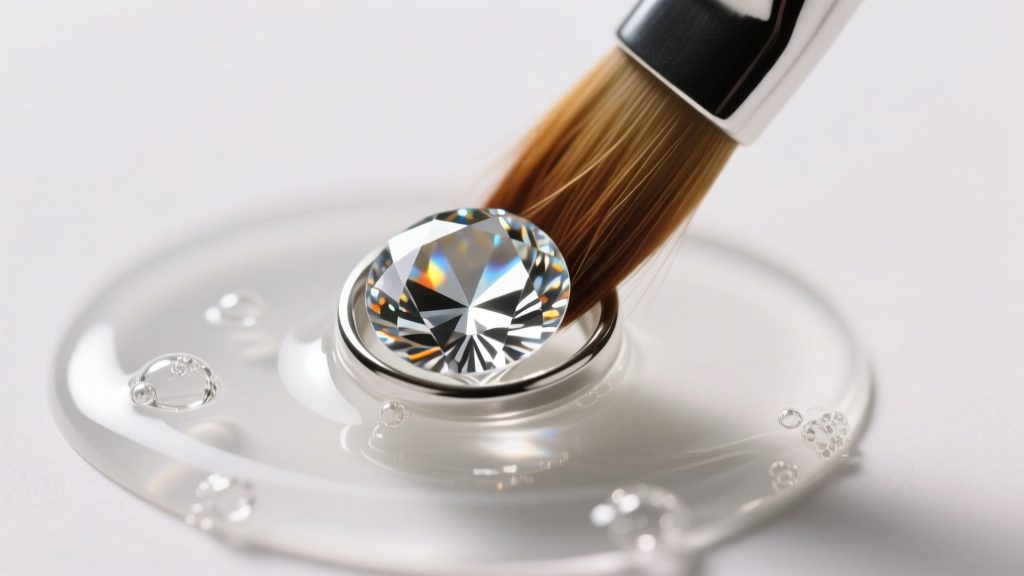
- The Agitation: Use a size 000 sable brush or a soft goat-hair makeup brush. Avoid standard nylon toothbrushes, as stiff nylon bristles can leave micro-scratches on high-polish 14k or 18k gold. Gently sweep the brush in a circular motion, focusing on the back of the setting where sebum accumulates.
- The Rinse & Dry: Rinse under a gentle stream of lukewarm distilled water. Immediately pat dry with a lint-free, tightly woven microfiber cloth. Never air-dry, as evaporation will leave mineral rings on the metal.
"The biggest mistake collectors make is assuming that 'stronger' chemicals mean a better clean. In modern conservation, we want to manipulate the dirt, not the metal. A neutral pH dish soap and a soft sable brush will out-perform a chemical dip every time, without compromising the structural integrity of the piece." — Master Jeweler & Estate Conservator
Final Verdict on the Minimalist Cleaning Movement
The reliance on mild dish soap for cleaning jewelry is not a passing fad; it is a permanent recalibration of how we value and maintain our adornments. As the Jewelers of America notes, consistent, gentle care prevents the need for aggressive polishing down the line, thereby preserving the metal's mass and the sharpness of hand-carved details. By embracing the chemistry of mild surfactants and abandoning the brute force of ultrasonics and ammonia, you ensure that your 2026 jewelry investments remain as structurally sound and visually captivating as the day they were forged.