How to Clean Jewelry With Vinegar Safely: Expert Guide
Learn how to safely clean jewelry with vinegar, which metals and gemstones survive acetic acid, and exact ratios for a DIY tarnish soak.

The Chemistry of Acetic Acid and Metal Tarnish
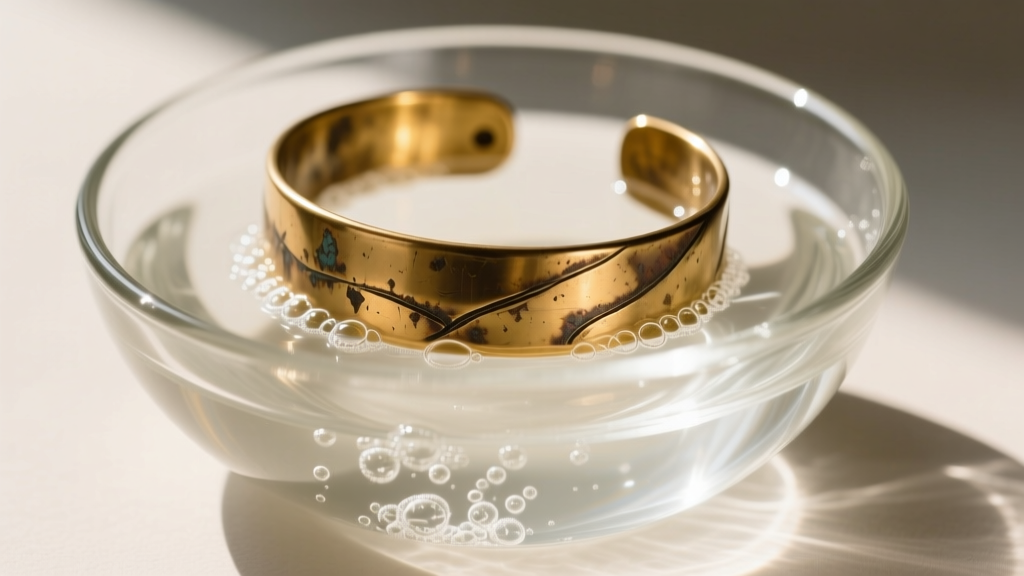
When searching for accessible, eco-friendly ways to maintain your accessories, many DIY enthusiasts wonder if they can safely clean jewelry with vinegar. The short answer is yes, but with severe limitations. To understand why vinegar works on some pieces and utterly destroys others, we must look at the chemistry of standard household white vinegar. White vinegar is an aqueous solution consisting of roughly 4% to 7% acetic acid (CH3COOH), giving it a highly acidic pH of around 2.5. This low pH is remarkably effective at dissolving copper oxide and brass tarnish, breaking down the dull, dark layers of oxidation to reveal the bright, unreacted metal beneath.
However, jewelry is rarely composed of a single, uniform material. Alloys, microscopic plating layers, and organic gemstone inclusions react unpredictably to acidic environments. While a vinegar soak can miraculously restore a heavily oxidized solid brass cuff, that exact same solution will permanently etch a pearl, strip gold vermeil, and pit soft silver alloys. In this comprehensive guide, we break down the exact metallurgical and gemological boundaries of using vinegar in your jewelry care routine, ensuring you achieve brilliant results without causing irreversible chemical damage.
What You Can (and Cannot) Clean With Vinegar
Before you submerge any piece of jewelry into an acidic bath, you must accurately identify both the base metal and any gemstone settings. The margin for error with acetic acid is virtually zero when it comes to delicate materials.
The Danger Zone: Porous Gemstones and Plating
If your jewelry features organic or porous gemstones, vinegar is strictly prohibited. According to the Gemological Institute of America (GIA), pearls, coral, and amber are calcium carbonate-based organics. When exposed to acetic acid, a rapid chemical reaction occurs that literally dissolves the surface of the pearl, leaving it pitted, chalky, and entirely devoid of its natural luster. Similarly, porous stones like turquoise (Mohs hardness 5-6), malachite, lapis lazuli, and opals will absorb the acidic liquid. This causes internal fracturing, color leaching, and the destruction of any stabilization resins used by lapidaries.
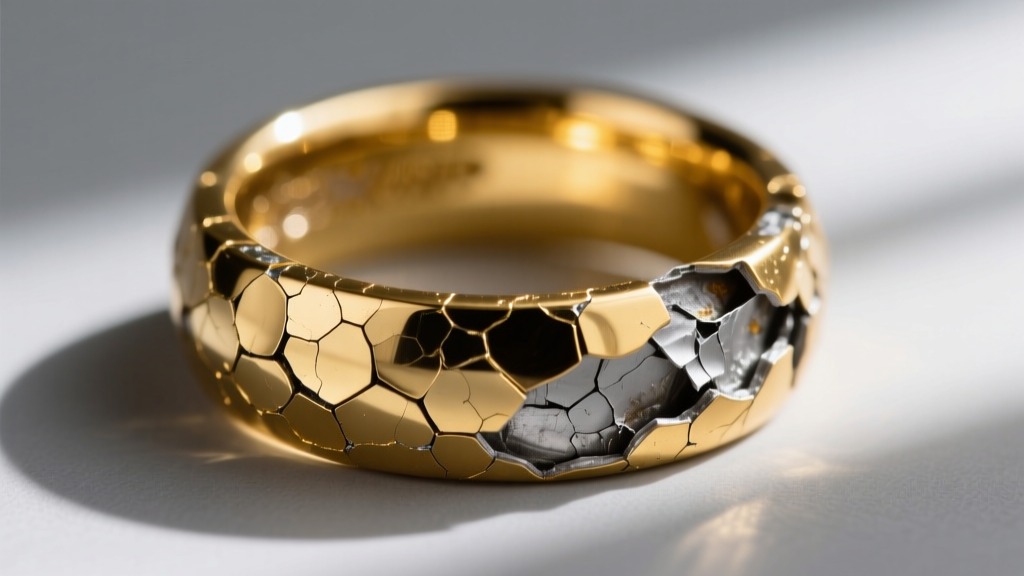
Furthermore, you must never clean jewelry with vinegar if it is plated. This includes gold vermeil, gold-filled pieces, and rhodium-plated sterling silver. Plating consists of microscopic layers of precious metal measured in microns (often between 0.5 and 2.5 microns for standard fashion jewelry). The acidic nature of vinegar will accelerate galvanic corrosion between the base metal and the plating, causing the top layer to flake, blister, and peel away entirely. Once plating is stripped by acid, the piece can only be restored through professional electroplating services, which often cost more than the jewelry itself.
Safe Metals for Vinegar Soaks
Vinegar is highly effective for solid, unalloyed base metals that develop surface oxidation rather than deep structural corrosion. Solid brass (an alloy of copper and zinc) and solid copper are the prime candidates. The acetic acid easily dissolves the copper oxide layer without attacking the underlying structural metal, provided the soak time is strictly monitored. Additionally, high-grade surgical stainless steel (specifically 316L, which contains molybdenum for enhanced corrosion resistance) can tolerate brief, highly diluted vinegar washes to remove hard water spots or skin oils, though 304-grade stainless steel may show signs of pitting if left too long.
Why Vinegar Fails on Sterling Silver Tarnish
A common misconception is that because vinegar removes tarnish from copper, it will do the same for sterling silver. This is fundamentally incorrect. Silver tarnish is primarily composed of silver sulfide (Ag2S), a compound formed when silver reacts with sulfur compounds in the air. Acetic acid does not possess the chemical properties required to break down or reduce silver sulfide. If you attempt to clean jewelry with vinegar to remove black silver tarnish, you will likely end up with a piece that is still tarnished, but now smells strongly of acid and may exhibit microscopic surface etching. For sterling silver, an electrolytic reduction method using aluminum foil, boiling water, and baking soda is the only scientifically sound DIY approach.
Step-by-Step: The Vinegar and Salt Tarnish Bath
For solid brass and copper jewelry devoid of any gemstone settings, the addition of sodium chloride (table salt) to vinegar creates a synergistic cleaning effect. The chloride ions combine with the acetic acid to form trace amounts of hydrochloric acid in the solution, which aggressively targets copper oxide. Below are the precise formulations based on the metal type and tarnish severity.
| Metal Type | Vinegar Ratio | Additives | Max Soak Time |
|---|---|---|---|
| Solid Brass (Light Tarnish) | 1:1 (Vinegar:Distilled Water) | 1 tsp Non-Iodized Salt | 10 Minutes |
| Solid Copper (Heavy Oxidation) | Undiluted White Vinegar | 1 tbsp Flour (Creates Paste) | 20 Minutes |
| 316L Stainless Steel | 1:4 (Vinegar:Distilled Water) | None | 5 Minutes |
Execution Protocol
- Preparation: Mix the solution in a glass or ceramic bowl. Never use reactive metal bowls (like aluminum or unlined copper) as the acid will leach ions from the bowl into your jewelry.
- The Soak: Submerge the jewelry completely. Do not exceed the maximum soak times listed above. Prolonged exposure to chloride and acetic acid will lead to dezincification in brass, leaving the surface porous and pinkish.
- Agitation: Remove the piece and gently agitate stubborn areas with a soft-bristled baby toothbrush. Avoid stiff nylon brushes that can impart micro-scratches on highly polished surfaces.
Post-Cleaning Care and Neutralization
The most critical, yet frequently overlooked, step when you clean jewelry with vinegar is the neutralization process. Rinsing with plain tap water is insufficient to halt the acidic reaction occurring at the microscopic level. Residual acetic acid trapped in crevices or under prongs will continue to corrode the metal long after the piece has dried, leading to delayed green spotting and structural weakening.
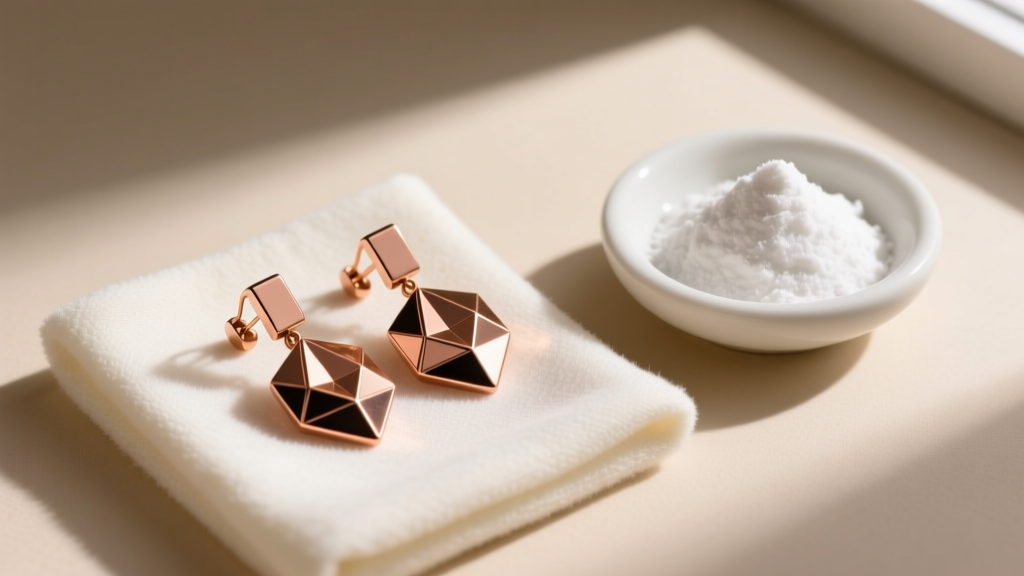
To properly neutralize the piece, prepare a secondary bath consisting of one cup of warm distilled water and two tablespoons of sodium bicarbonate (baking soda). Submerge the vinegar-washed jewelry into this alkaline solution for exactly two minutes. You may observe mild effervescence (bubbling) as the baking soda neutralizes the remaining acetic acid, forming sodium acetate and water. Following the neutralization bath, rinse the jewelry thoroughly under warm running water, pat dry with a lint-free microfiber cloth, and allow it to air-dry completely in a low-humidity environment before storing. Adhering to these precise chemical protocols ensures your solid metal jewelry remains vibrant, structurally sound, and beautifully maintained for years to come. For more comprehensive maintenance strategies, refer to Blue Nile's jewelry care guidelines regarding long-term storage and environmental protection.


