2026 Style Trends for Making Polymer Clay Jewelry
Discover the top 2026 aesthetics and technical innovations for making polymer clay jewelry, from micro-inlays to eco-sealants and color trends.

The 2026 Aesthetic Shift: Beyond Basic Marbling
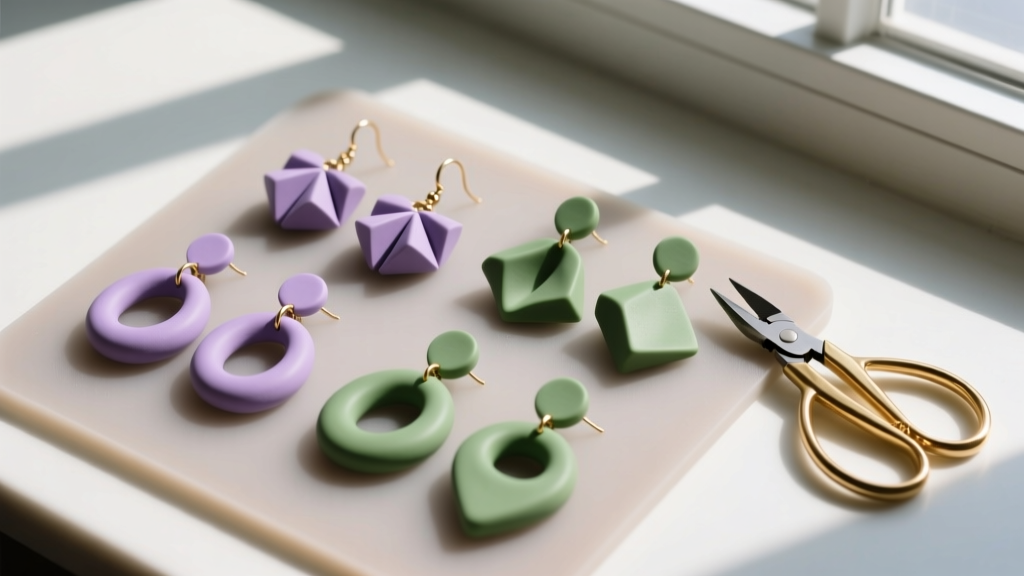
The landscape of making polymer clay jewelry has evolved dramatically as we move through 2026. Gone are the days when chunky, heavily marbled statement earrings dominated every artisan market and craft fair. Today’s collectors and boutique buyers are demanding refined, hyper-tactile pieces that blur the line between traditional craft and fine jewelry. As a maker, staying ahead of these style and trend shifts is critical to maintaining a relevant, profitable brand in an increasingly saturated marketplace.
This year, the focus has shifted from bold, graphic color-blocking to nuanced, organic textures and sophisticated translucency. Makers who master the subtle interplay of light and material are seeing the highest engagement and conversion rates. According to trend analysts at The Spruce Crafts, the modern consumer is looking for 'quiet luxury' in handmade accessories—pieces that feel deeply personal, meticulously finished, and materially innovative.
Micro-Terrazzo and Geode Inclusions
While traditional terrazzo had its moment in the early 2020s, the 2026 iteration is all about micro-terrazzo. This technique involves curing sheets of scrap clay, grinding them into a fine, sand-like consistency using a dedicated food processor, and suspending these micro-flecks in a translucent base. The result is a sophisticated, speckled effect that mimics natural stone without the visual heaviness of larger clay chips.
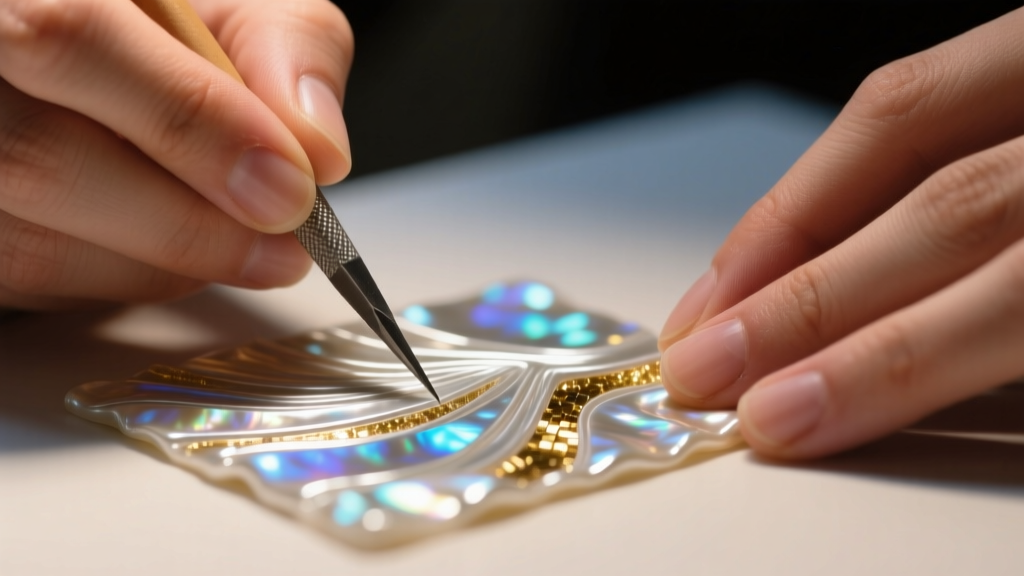
Furthermore, geode inclusions have matured. Instead of relying on coarse cosmetic glitters, top-tier makers are using crushed synthetic mica powder and fine-grade dichroic glass frit embedded into raw clay cutouts. When baked and sanded, these inclusions catch the light, creating an internal luminescence that elevates the perceived value of the jewelry significantly.
Technical Upgrades: Clay Brands and Curing Science
You cannot achieve 2026’s high-end aesthetic with improper materials or sloppy baking techniques. The structural integrity of your jewelry dictates its longevity. Underbaked clay is brittle and will snap under the tension of a heavy earring post, while overbaked clay loses its flexibility and becomes prone to micro-fracturing.
According to polymer clay expert Ginger Davis Allman of The Blue Bottle Tree, relying on the dial on your home oven is a recipe for disaster. Oven temperatures can fluctuate by up to 50°F. Investing in a standalone digital oven thermometer is non-negotiable for professional makers. Below is a comparison of the top clay lines being utilized by professionals this year.
| Brand & Line | Cure Temp | Flexibility & Strength | Best 2026 Application |
|---|---|---|---|
| Sculpey Premo | 275°F (135°C) | High flexibility, durable | Everyday wear, thin dangles, structural canes |
| Sculpey Soufflé | 275°F (135°C) | Lightweight, matte finish | Large statement pieces, carved textures |
| Cernit Number One | 265°F (130°C) | Extreme strength, slight translucency | Micro-terrazzo bases, delicate lacework |
| FIMO Professional | 230°F (110°C) | Firm, highly detailed | Mica shift techniques, intricate sculpting |
The Art of Wet Sanding
The true hallmark of a premium polymer clay piece in 2026 is the finish. The 'frosted' or raw matte look is out; glass-like, tactile finishes are in. Achieving this requires a rigorous wet-sanding progression. Makers are starting at 400-grit silicon carbide paper to remove tool marks, then progressing through 600, 800, 1000, 1500, and 2000 grits. The final polish is achieved using Micro-Mesh pads, stepping up to 12,000 grit. Always wet-sand with a drop of dish soap to prevent the sandpaper from clogging with clay dust, which can cause deep, unwanted scratches.
Hardware and Findings: Moving Past the Eye Pin
Nothing degrades the perceived value of handmade jewelry faster than a sloppily glued eye pin or a visible glob of cyanoacrylate (super glue). In 2026, hardware integration is treated as an architectural element of the design itself.
- Embedded Bails: Instead of gluing a bail to the back of a pendant, makers are embedding the bail's loop directly into the raw clay before baking, scoring the metal first for better adhesion.
- Flush Bezels: Brass and copper bezel trays are being used as structural frames. The clay is conditioned, pressed into the bezel, and trimmed flush with a tissue blade before curing.
- Riveting and Cold Connections: For multi-layered dangle earrings, makers are abandoning jump rings in favor of cold connections using brass tubing and wire rivets, creating a sleek, industrial-chic articulation that moves fluidly without tangling.
For earring posts, the industry standard has firmly shifted to flat-pad titanium or 316L surgical steel posts, secured with a two-part epoxy resin rather than super glue, ensuring the jewelry can withstand the oils and friction of daily wear.
Eco-Conscious Sealing and Finishing
The environmental impact of jewelry making is under heavy scrutiny, and the sealants used in making polymer clay jewelry are no exception. Historically, makers relied on aerosol sprays like Krylon Triple Thick or polyurethane varnishes that off-gas harmful VOCs. In 2026, the trend is heavily skewed toward eco-conscious, water-based, and UV-cured alternatives.
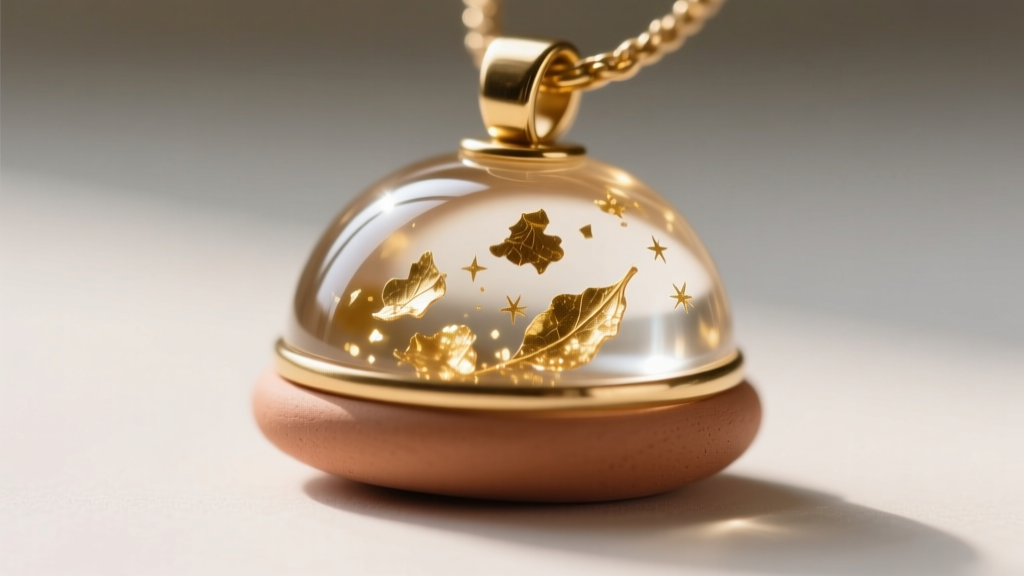
Water-Based Polyurethanes: Products like DuraClear Gloss or Varathane Water-Based Diamond Wood Finish remain staples for makers who want a durable, non-yellowing sealant that cleans up with soap and water. These sealants enhance the depth of sanded clay without creating a thick, plastic-like shell.
UV Resin Doming: For pieces that require a high-gloss, dimensional finish—such as faux opals or geode centers—UV resin is the undisputed champion. By applying a thin layer of hard-top UV resin and curing it under a 36W LED UV lamp for 60 seconds, makers achieve a flawless, glass-like dome that is highly resistant to scratching and water damage.
Trend Forecast: Color Palettes That Sell
Color forecasting for 2026 draws heavily from digital culture and biophilic design. If you are planning your next collection, consider integrating these three dominant palettes:
- Digital Lavender & Chrome: A soft, calming purple paired with metallic silver or chrome leaf. This palette speaks to the 'cyber-wellness' trend, blending technology with tranquility.
- Oxblood & Burnished Gold: A deep, moody red-brown that mimics aged leather or garnet, accented with warm, antiqued gold hardware. This is the cornerstone of the 'dark academia' and heritage aesthetics.
- Bio-Synthetic Matcha: A vibrant, slightly yellowish green that feels both organic and artificially enhanced. When paired with matte black findings, it creates a striking, modern contrast.
To achieve these exact hues, professional makers often custom-mix their clay rather than relying on out-of-the-package colors. For instance, creating the perfect Oxblood involves mixing Sculpey Premo Pomegranate with a tiny pinch of Black and a touch of Pearl to give it a natural, fleshy translucency.
Conclusion
Mastering the art of making polymer clay jewelry in 2026 requires a dual focus on avant-garde style trends and uncompromising technical execution. By upgrading your curing science, adopting architectural hardware integration, and aligning your color palettes with current global forecasts, you can elevate your craft from a casual hobby to a premium, highly sought-after jewelry brand.