Best Metals to Make Wire Jewelry: A Property Guide
Discover the best metals to make wire jewelry. Compare wire tempers, gauge sizes, and material properties like Argentium, gold-filled, and niobium.

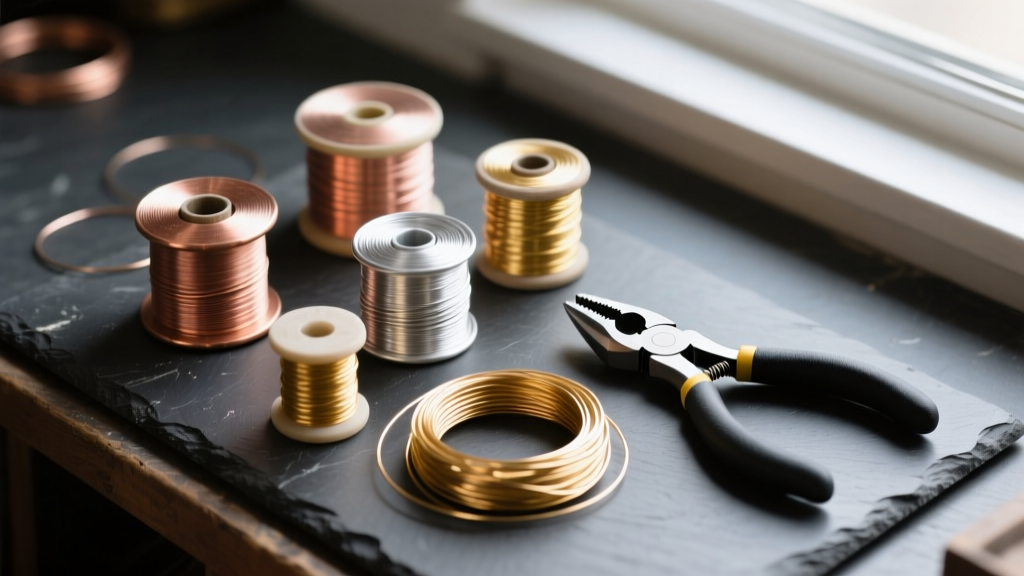
When you set out to make wire jewelry, the metal you choose dictates the structural integrity, longevity, and aesthetic of your final piece. Unlike bead stringing or resin casting, wire wrapping and weaving rely entirely on the physical properties of the metal itself. A beautiful design can easily fail if the wire is too soft to hold a clasp's tension or too brittle to withstand tight weaving. Understanding metallurgy, temper, and alloy composition is what separates beginner crafters from professional jewelry designers.
This comprehensive guide breaks down the exact material properties you need to consider when selecting wire, comparing base metals, precious alloys, and hypoallergenic alternatives to help you make informed sourcing decisions.
Understanding Wire Temper: The Foundation of Wire Wrapping
Temper refers to the hardness and malleability of the wire, which is determined by how much the metal has been worked or annealed during the manufacturing process. When you make wire jewelry, selecting the correct temper is just as critical as choosing the metal itself.
- Dead Soft: This wire has been fully annealed, meaning its molecular structure is completely relaxed. It bends effortlessly and is ideal for tight wire weaving, micro-macrame, and wrapping around cabochons. However, it lacks structural memory and will easily pull apart under tension.
- Half-Hard: The most versatile temper for general jewelry making. It has been slightly work-hardened, offering a balance between malleability and stiffness. It is perfect for creating jump rings, ear wires, and structural frames that need to hold their shape.
- Full-Hard: This wire is highly stiff and resistant to bending. It is rarely used for wrapping but is excellent for making heavy-duty clasps, pin stems, and prong settings where maximum tensile strength is required.
- Spring-Hard: Almost entirely rigid, this temper is used for specific mechanical components like spring rings or tension settings. It is generally unsuitable for standard hand-weaving techniques.
Base vs. Precious Metals: A Comparative Breakdown
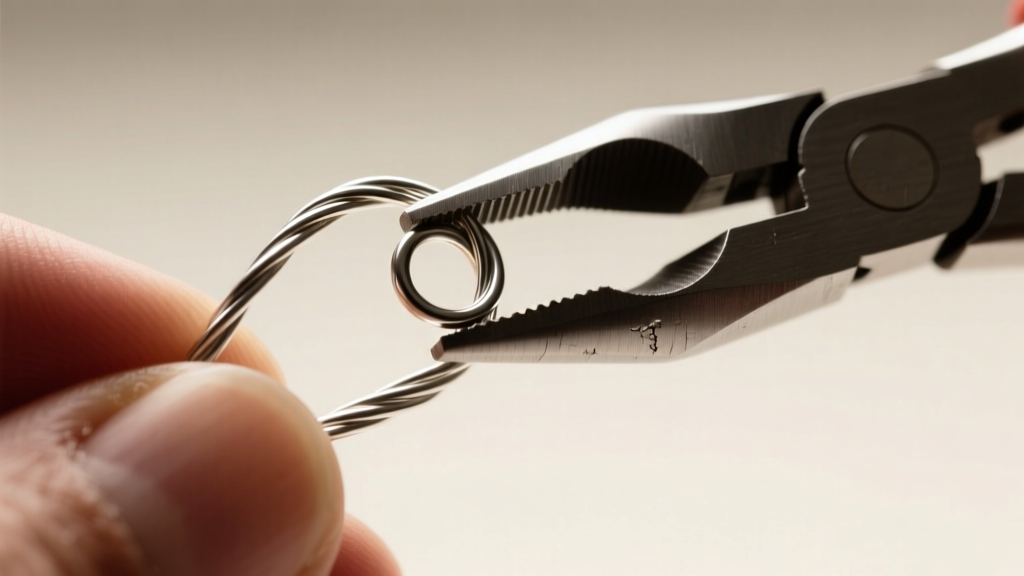
The market is flooded with wire options, but not all alloys behave the same way under the pressure of round-nose pliers. Below is a detailed comparison of the most common metals used by professional wire artists.
| Metal / Alloy | Tarnish Resistance | Malleability | Avg. Cost (per oz) | Best Application |
|---|---|---|---|---|
| Pure Copper | Low (Oxidizes quickly) | Extremely High | $0.50 - $1.00 | Practice, patina art, rustic designs |
| Sterling Silver (.925) | Moderate (Contains 7.5% copper) | High | $25.00 - $35.00 | Standard commercial wire jewelry |
| Argentium Silver (.935) | Extremely High (Germanium alloy) | High (Fuses without solder) | $35.00 - $45.00 | High-end woven pieces, seamless rings |
| 14k Gold-Filled | High (Brass core, 5% gold layer) | Moderate to High | $15.00 - $25.00 | Durable everyday wear, woven bracelets |
| Niobium | High (Anodizes via voltage) | Low (High memory/springback) | $8.00 - $12.00 | Hypoallergenic ear wires, colorful accents |
The Argentium Advantage
For artisans looking to elevate their work, Rio Grande and other major suppliers heavily stock Argentium silver. Unlike traditional .925 sterling, Argentium replaces some of the copper content with germanium. This elemental swap virtually eliminates firescale during soldering and drastically slows down tarnishing. Furthermore, Argentium can be fused to itself using a simple torch without the need for silver solder, allowing wire artists to create seamless, invisible joints in complex woven structures.
The Reality of Gold-Filled Wire
When you make wire jewelry for clients with gold preferences but silver budgets, 14k gold-filled wire is the industry standard. By FTC guidelines, gold-filled wire must contain at least 5% 14k gold by weight, mechanically bonded to a brass core. Unlike gold-plated wire, which has a microscopic layer that flakes off when bent, gold-filled wire can withstand moderate wire wrapping and weaving. However, you must use care when filing or sanding, as cutting too deeply will expose the brass core, leading to rapid corrosion and skin discoloration.
Gauge Size and Application Matrix
Wire gauge refers to the thickness of the wire. In the American Wire Gauge (AWG) system, the higher the number, the thinner the wire. Using the wrong gauge is a primary cause of structural failure in DIY jewelry. Here is a precise matrix for gauge selection:
- 14-Gauge (1.63mm): Heavy-duty bangles, thick neck collars, and heavy clasp components. Requires heavy-duty flush cutters.
- 16-Gauge (1.29mm): Sturdy bracelet frames, custom jump rings for chainmaille, and structural bail bases.
- 18-Gauge (1.02mm): Standard jump rings, ear wires for heavy gemstone drops, and the base wire for most wire-wrapped pendants.
- 20-Gauge (0.81mm): The workhorse of wire jewelry. Perfect for standard ear wires, weaving base frames, and general wire wrapping.
- 22-Gauge (0.64mm): Ideal for wrapping around thicker base wires, creating delicate links, and securing faceted briolettes.
- 24-Gauge (0.51mm): Used almost exclusively for tight coiling, micro-weaving, and securing pearls with small drill holes.
- 26 to 28-Gauge (0.40mm - 0.32mm): Reserved for intricate Viking knit, micro-macrame integration, and binding extremely fragile stones.
Work Hardening and Structural Integrity
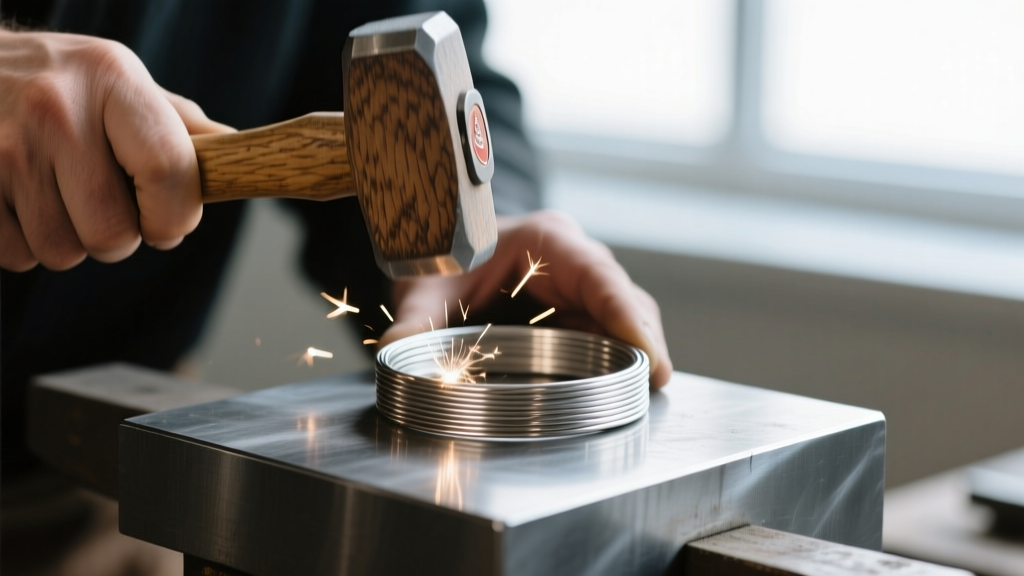
Every time you bend, twist, or pull wire, you are altering its crystalline structure. This process, known as work hardening, increases the metal's strength but decreases its ductility. If you overwork a piece of dead soft sterling silver, it will eventually become brittle and snap.
Professional wire artists use this property to their advantage. A common technique involves forming a clasp or hook out of half-hard wire, and then gently hammering it with a rawhide or nylon mallet against a steel bench block. This compresses the metal molecules, increasing the temper to full-hard exactly where structural rigidity is needed, without adding unwanted tool marks. According to the educational resources at Halstead Bead, understanding the threshold of work hardening is crucial; if a wire becomes too stiff during a complex weave, you can re-anneal it using a torch to restore its dead soft state, though this is rarely practical in the middle of a multi-wire woven project.
Hypoallergenic Challenges: Niobium and Titanium
For clients with severe metal allergies, nickel-free metals like Niobium and Titanium are essential. However, they present unique challenges when you make wire jewelry. Niobium has a high "memory," meaning it naturally wants to spring back to its original straight form. Creating tight loops or woven patterns requires over-bending the wire slightly to compensate for this springback. Additionally, Niobium cannot be soldered with traditional silver or gold solders; it requires specialized laser welding or cold-connections (like rivets or wrapped loops). The payoff, however, is immense: Niobium can be anodized using a simple DC power supply and a baking soda bath, allowing you to permanently dye the wire in vibrant shades of purple, blue, and green without using paints or enamels.
Pro Tips for Sourcing and Storage
Proper storage is critical to maintaining the properties of your wire. Sterling silver and copper will rapidly oxidize when exposed to sulfur and moisture in the air. Always store your precious metal wire spools in sealed zip-lock bags with anti-tarnish strips (such as 3M Pacific Silvercloth).
When sourcing materials, avoid generic craft store spools, which often suffer from inconsistent gauge thicknesses and poor temper control. Instead, purchase from dedicated jewelry supply houses like Fire Mountain Gems or Rio Grande, which provide certified metallurgical data, precise AWG sizing, and consistent temper ratings across all their spools. Investing in high-quality, accurately tempered wire will drastically reduce your material waste and elevate the professional finish of your wire-wrapped jewelry.


