How to Design with Aurora's Beads & Jewelry: A Step-by-Step Guide
Learn how to craft a stunning 3-strand necklace using Aurora's Beads & Jewelry supplies. Master wire stringing, crimping, and clasp finishing.

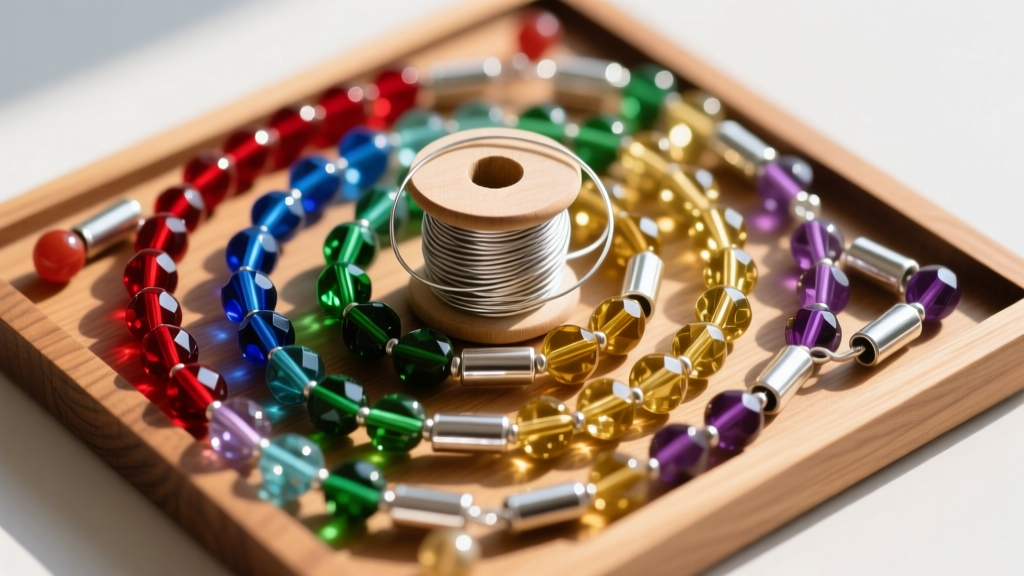
The Allure of Aurora's Beads & Jewelry Collections
As jewelry making trends evolve in 2026, the demand for curated, high-quality components has never been higher. Sourcing from specialized suppliers like Aurora's Beads & Jewelry provides makers with access to premium aurora borealis (AB) finishes, artisan Czech glass, and ethically sourced freshwater pearls. However, having exceptional materials is only half the battle; knowing how to engineer them into durable, professional-grade wearable art is where the true craft begins. This comprehensive guide will walk you through the exact process of designing and stringing a multi-strand gradient necklace, utilizing the signature iridescent glass beads and sterling silver findings typical of Aurora's curated collections.
Essential Materials and Tool Specifications
Before threading a single bead, you must assemble the correct structural components. Multi-strand necklaces place significant lateral tension on stringing materials and clasps. Using undersized wire or cheap base-metal crimps is the primary reason DIY jewelry fails. Below is the exact bill of materials required for a professional-grade 3-strand piece.
| Component | Specification | Purpose | Est. Cost |
|---|---|---|---|
| Beading Wire | 49-Strand, 0.018" (0.46mm) | Provides drape and tensile strength for heavy glass | $14 - $18 |
| Crimp Tubes | 2x2mm Sterling Silver (.925) | Secures wire ends; tubes grip better than round beads | $9 / pack |
| Clasp | 3-Strand Slide Lock (15x6mm) | Keeps strands parallel and prevents tangling | $18 - $25 |
| Wire Guardians | 1.5mm Silver Plated French Wire | Protects wire from friction at the clasp jump ring | $6 / pack |
| Tools | 1-Step Crimper & Flush Cutters | Folds the crimp tube and cuts wire cleanly | $22 - $30 |
According to the Fire Mountain Gems Encyclopedia, 49-strand wire is composed of 49 individual micro-strands of stainless steel braided and coated in nylon. This specific construction mimics the drape of silk thread while offering the unbreakable tensile strength of steel, making it mandatory for heavy Aurora borealis glass beads.
Step-by-Step: Crafting a 3-Strand Gradient Necklace
Step 1: Planning the Layout on a Bead Board
Never string directly from the package. Use a flocked bead board with measurement channels to map out your design. For a standard 18-inch inner strand, you will need a 19.5-inch middle strand and a 21-inch outer strand to ensure the necklace cascades properly without the strands choking each other. Lay out your Aurora's Beads & Jewelry Czech glass beads, alternating between 6mm round druks and 4mm faceted bicones to create a textured gradient. Place sterling silver spacer bars every 2.5 inches to maintain structural alignment across all three strands.
Step 2: Stringing and Tension Control
Cut three lengths of your 0.018" 49-strand wire. Each piece should be exactly 4 inches longer than your desired finished length to allow adequate room for the crimping process. Thread a bead stopper onto one end of the first wire. Begin stringing your beads, frequently checking the tension. Expert Tip: Do not pull the wire taut while stringing. Heavy glass beads require a slight amount of 'slack' between each bead so the necklace can curve around the collarbone. If the wire is too tight, the necklace will stiffen and kink over time.
Step 3: The Perfect Crimp Technique
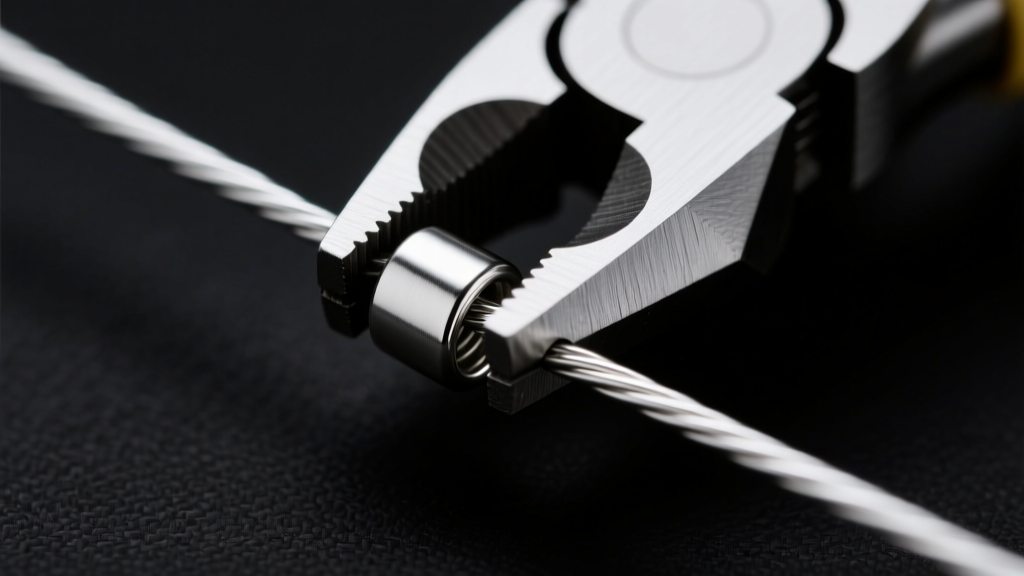
Securing the ends is the most critical step in jewelry engineering. Once all three strands are beaded, you will attach them to a 3-strand slide lock clasp. Thread the wire through the clasp ring, through a 1.5mm wire guardian, and back down through a 2x2mm sterling silver crimp tube and the first two beads of your strand. Pull the wire tight, leaving a 1mm gap between the crimp tube and the clasp to allow for movement.
Using a dedicated 1-step crimping plier, place the crimp tube in the back U-shaped notch and squeeze firmly to separate the two wires inside the tube. Next, move the tube to the front folding notch and squeeze again to fold the tube in half, encasing the wires. This mechanical fold creates a cold-weld effect that is vastly superior to simply crushing the tube flat with chain-nose pliers. For a visual breakdown of this mechanical fold, refer to the Halstead Crimping Tutorial, which remains the industry standard for secure terminations.
Troubleshooting Common Beading Failures
Even experienced jewelers encounter structural issues when working with mixed-media strands. Here is how to troubleshoot the most common failures when working with premium glass and crystal supplies:
- The Wire Kinks: If your 49-strand wire develops a sharp kink during stringing, do not try to bend it back with your fingers. Use nylon-jaw pliers to gently pull the wire taut; the nylon grips the coating without scratching it, allowing the steel core to straighten out.
- The Crimp Slips: If your crimp tube slides down the wire after folding, you are likely using plated brass or copper crimps, which are too soft to hold a fold. Always use .925 sterling silver or pure copper crimp tubes, as their specific metallurgical hardness allows them to bite into the nylon coating of the beading wire.
- Strands Cross Over: If your outer strand flips over the inner strand while wearing, your spacer bars are too far apart, or your graduated lengths are too similar. Ensure there is at least a 1.5-inch length difference between adjacent strands.
Final Care and Maintenance
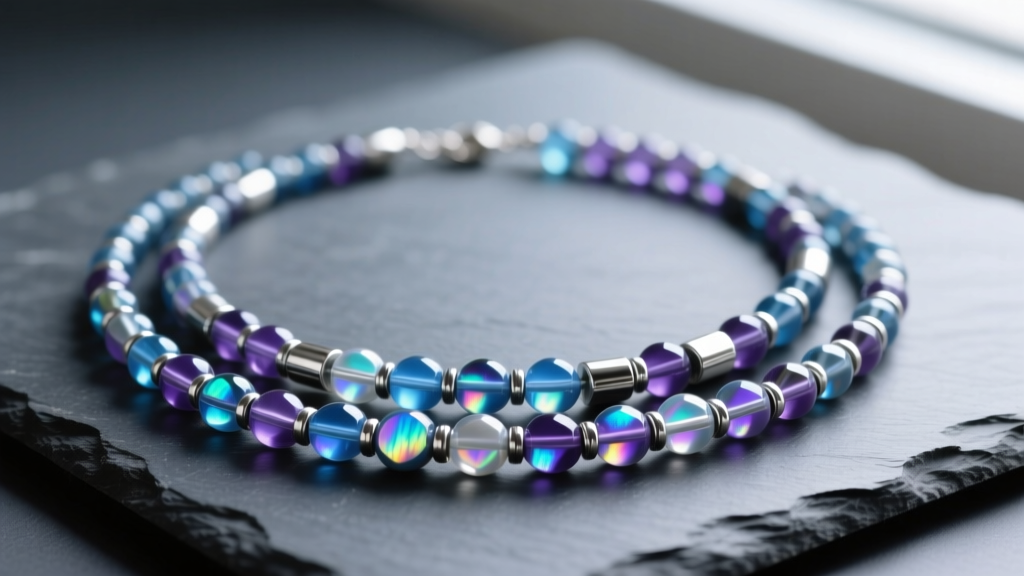
Jewelry crafted with high-quality components from Aurora's Beads & Jewelry requires specific care to maintain its brilliance. The aurora borealis coating on Czech glass is durable but can be degraded by prolonged exposure to the acidic pH of human sweat and commercial perfumes. Advise your clients (or yourself) to always follow the 'last on, first off' rule: put the necklace on after applying cosmetics, and remove it before showering. To clean, use a microfiber cloth and a mild, phosphate-free dish soap diluted in lukewarm water. Avoid ultrasonic cleaners, as the high-frequency vibrations can cause micro-fractures in faceted glass bicones over time.
By mastering the structural engineering of multi-strand stringing and utilizing premium supplies, you elevate your craft from simple hobbyist assembly to professional jewelry design. The Beadalon Stringing Guide offers further insights into advanced wire coatings, ensuring your creations remain as durable as they are beautiful for years to come.