Devada Permanent Jewelry: Expert Cleaning & Care Tips
Learn expert cleaning, maintenance, and care tips for Devada permanent jewelry. Discover how to protect micro-welds and keep 14k chains shining.

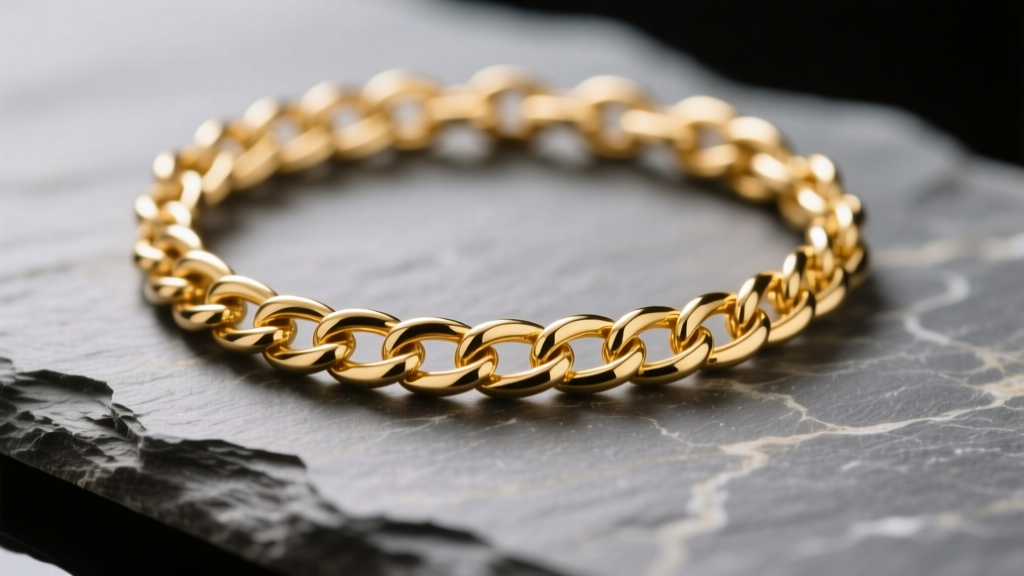
Devada permanent jewelry has rapidly become a favorite among DIY jewelry makers and boutique welders alike. Known for their delicate link profiles, brilliant finishes, and high-quality metallurgy, Devada chains offer a premium canvas for micro-welding. However, because permanent jewelry is designed to be worn 24/7 without a clasp, it is subjected to continuous environmental stressors. For both the DIY artist sourcing bulk Devada chains and the end-wearer, understanding the specific care requirements of these pieces is critical to preventing tarnish, seam failure, and metal fatigue.
Whether you are working with Devada's 14k gold-filled options or their solid 14k gold collections, proper maintenance ensures the longevity of the weld and the brilliance of the metal. In this comprehensive guide, we break down the metallurgy of Devada chains, establish a daily wear protocol, and provide a step-by-step deep cleaning method tailored specifically for permanently welded jewelry.
Understanding Devada Chain Metallurgy & Weld Vulnerabilities
To properly care for Devada permanent jewelry, you must first understand what it is made of. Devada's most popular chains for permanent jewelry are crafted from 14/20 gold-filled wire. According to industry standards outlined by Rio Grande, 14/20 gold-filled material consists of a jeweler's brass core that is mechanically bonded with an outer layer of 14k gold, making up at least 1/20th of the total weight.
This metallurgical reality introduces a specific vulnerability at the weld site. When DIY makers use a pulse arc welder (such as the Orion mPulse) to fuse the final link, the electrical arc melts the metal. If the energy setting is too high—typically above 20 watt-seconds (Ws) for delicate Devada cable chains—the arc can vaporize the outer gold layer, exposing the brass core underneath. Once exposed, this brass core is highly susceptible to oxidation when it comes into contact with sweat, lotions, and humidity, leading to the dreaded 'green skin' effect or a blackened weld seam.
Solid 14k gold Devada chains do not have a brass core, meaning the weld site will not oxidize green. However, 14k gold is an alloy containing copper and silver, which can still develop a dull film or slight tarnish over time if exposed to harsh chemicals. Understanding whether your Devada piece is gold-filled or solid gold dictates the aggressiveness of the cleaning methods you can safely employ.
The Daily Wear & Tear Protocol
Permanent jewelry is meant to be lived in, but that doesn't mean it is invincible. The biggest enemies of Devada chains are sulfur, chlorine, and abrasive particulates. Sulfur, commonly found in hot springs, certain well waters, and even some rubber bands, will rapidly tarnish the copper alloys in both solid 14k gold and the brass core of gold-filled chains.
Chlorine is equally destructive. Prolonged exposure to chlorinated pool water or harsh household bleach can cause 'stress corrosion cracking' in gold alloys, weakening the micro-welded seam over time. For DIY makers advising clients, it is crucial to recommend removing the jewelry (by cutting the jump ring) before entering hot tubs or swimming pools. If the client insists on keeping it on, they must rinse the chain thoroughly with fresh, warm water immediately after exiting the water.
Daily cosmetics also pose a threat. Heavy body butters, spray tans, and sunscreen can become trapped in the microscopic crevices of Devada's figaro and rope chains. This buildup not only dulls the reflective surface of the gold but also creates a barrier that traps moisture against the skin, accelerating oxidation at the weld site.
Step-by-Step Deep Cleaning Method
When a Devada permanent bracelet or necklace loses its luster, a gentle but thorough deep cleaning is required. Avoid commercial jewelry dips or ultrasonic cleaners. The Gemological Institute of America (GIA) warns that ultrasonic vibrations can fracture micro-welded seams if the metal was not properly annealed during the welding process, causing the permanent jewelry to snap unexpectedly.
Follow this safe, highly effective cleaning protocol:
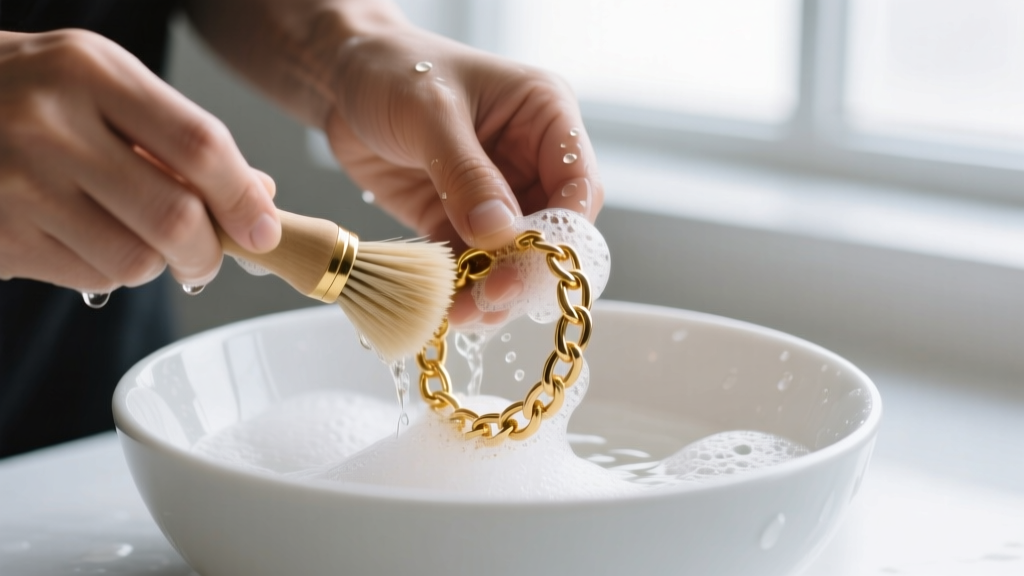
- Prepare the Solution: Fill a small ceramic bowl with warm (not hot) distilled water. Add three drops of a mild, pH-neutral dish soap, such as Dawn Ultra. Avoid soaps with heavy moisturizers or citrus extracts, as the citric acid can react with exposed brass cores.
- Soak: Submerge the Devada chain in the solution for 5 to 10 minutes. This loosens trapped sebum, dead skin cells, and cosmetic residue.
- Agitate Gently: Using an extra-soft baby toothbrush, gently brush along the length of the chain. Pay special attention to the micro-welded jump ring and any textured links (like rope or beaded chains) where debris accumulates. Brush in the direction of the links to prevent snagging.
- Rinse Thoroughly: Rinse the jewelry under a gentle stream of lukewarm distilled water. Ensure all soap residue is removed, as dried soap film will leave a cloudy appearance on the gold.
- Dry Completely: Pat the chain dry with a lint-free microfiber cloth. Use a hair dryer on the 'cool' setting to blow out any remaining water droplets trapped inside the links.
Cleaning Agents vs. Devada Chain Materials
| Cleaning Agent | 14k Gold-Filled Devada | Solid 14k Gold Devada | Effect on Micro-Weld Seam |
|---|---|---|---|
| Mild Dish Soap & Water | Safe & Recommended | Safe & Recommended | Neutral; safely removes debris |
| Baking Soda Paste | AVOID (Abrasive) | Use with Extreme Caution | Can scratch gold layer, exposing brass |
| Commercial Silver Dip | NEVER USE | NEVER USE | Strips gold finish, ruins weld integrity |
| Ultrasonic Cleaner | Not Recommended | Use Only on Low Frequency | High vibration can fracture the weld |
| Isopropyl Alcohol (70%) | Safe for Spot Cleaning | Safe for Spot Cleaning | Evaporates quickly; good for sanitizing |
Troubleshooting Common Issues
Even with meticulous care, permanent jewelry can develop issues over time. Here is how to troubleshoot the most common problems associated with Devada chains:
The Weld Seam is Turning Black or Green
If the micro-welded jump ring is turning black or causing a green mark on the skin, the brass core has been exposed and oxidized. The Fix: For DIY makers, you can carefully file the oxidized spot with a fine-grit jeweler's file, apply a tiny amount of flux, and re-weld the seam using a lower energy setting. Alternatively, use a rhodium plating pen to seal the exposed brass, providing a protective, non-tarnishing barrier.
The Chain is Snagging on Clothing
Delicate Devada chains, particularly the paperclip and cable styles, can catch on loose knits. This usually happens if a link was slightly warped during the initial welding process or if the chain has been pulled forcefully. The Fix: Inspect the chain under a 10x jeweler's loupe. Use flat-nose pliers with nylon jaws to gently squeeze any protruding links back into alignment. Never use bare metal pliers, as they will mar the gold finish.
Long-Term Storage & Maintenance for DIY Makers
For the DIY permanent jewelry artist, how you store your bulk Devada chain spools before they are ever welded is just as important as how the client cares for the finished piece. Gold-filled chain is highly susceptible to environmental tarnish while sitting in inventory.
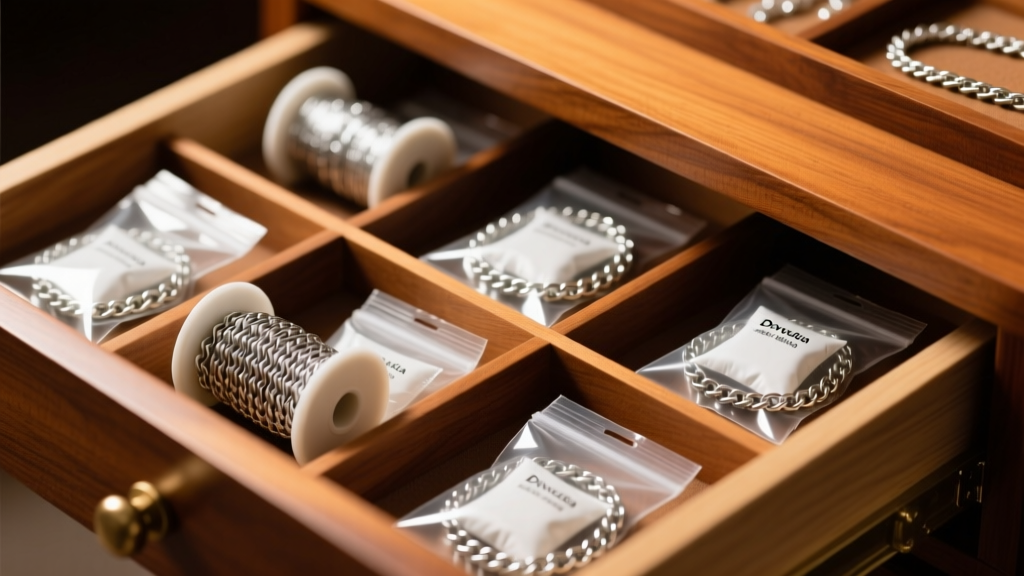
Always store Devada bulk chains in sealed, anti-tarnish ziplock bags or wrapped in Pacific Silvercloth. Include a 3M anti-tarnish strip and a small silica gel desiccant packet in each bag to absorb ambient moisture and neutralize sulfur gases. Keep your inventory in a cool, dark drawer away from direct sunlight and humidity. By maintaining the pristine condition of your raw materials, you ensure that every piece of Devada permanent jewelry you weld starts with a flawless, brilliant finish, setting the stage for a lifetime of wear for your clients.


