The Best DIY Breastmilk Jewelry Kits: 2026 Buying Guide
Discover what to look for in DIY breastmilk jewelry kits. Compare preservation methods, resin types, and molds to create lasting, non-yellowing keepsakes.

The Science of Spoilage: Why Standard Resin Kits Fail
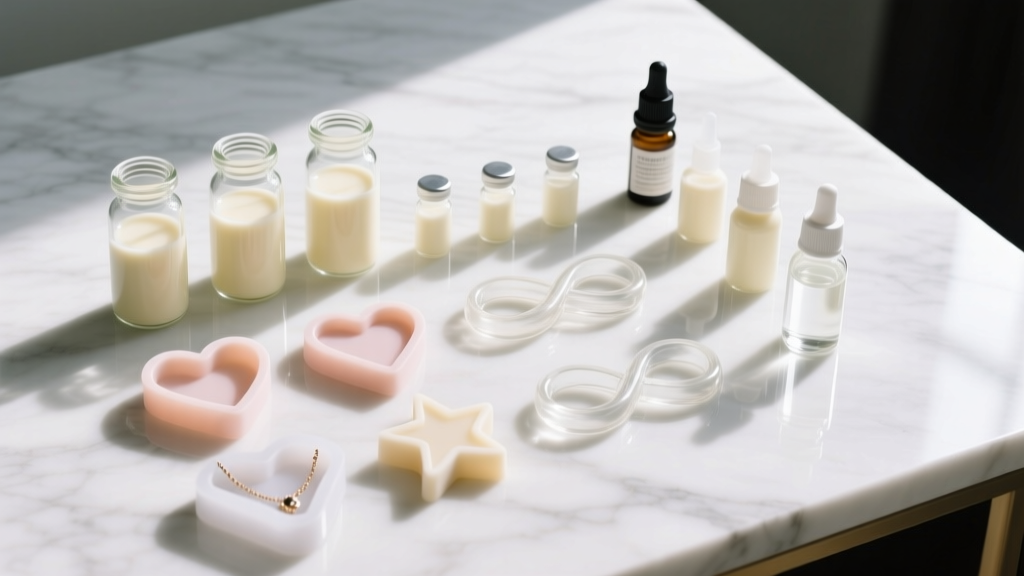
Creating sentimental keepsakes from liquid gold is a beautiful endeavor, but breastmilk is a complex biological fluid. It is packed with lipids (fats), proteins, lactose, and living cells. If you attempt to encapsulate raw or improperly treated milk in standard crafting resin, the results are often disastrous. Within weeks, the trapped organic matter will oxidize, rot, and turn a murky brown or black, often releasing gases that create unsightly bubbles and crack the resin from the inside out.
When shopping for a DIY breastmilk jewelry kit in 2026, your primary focus must be on the preservation methodology and the chemical compatibility of the resin. Many cheap kits on the market simply include standard UV resin and a vague instruction sheet, setting beginners up for heartbreak. A high-quality kit must address lipid oxidation and bacterial growth before the milk ever touches the resin.
Preservation Methods: Powder vs. Liquid vs. Heat
The most critical component of any breastmilk kit is the preservation agent. There are three main methods used by professional artisans, but only one is truly safe and effective for DIY beginners.
| Method | How It Works | Pros | Cons | Kit Suitability |
|---|---|---|---|---|
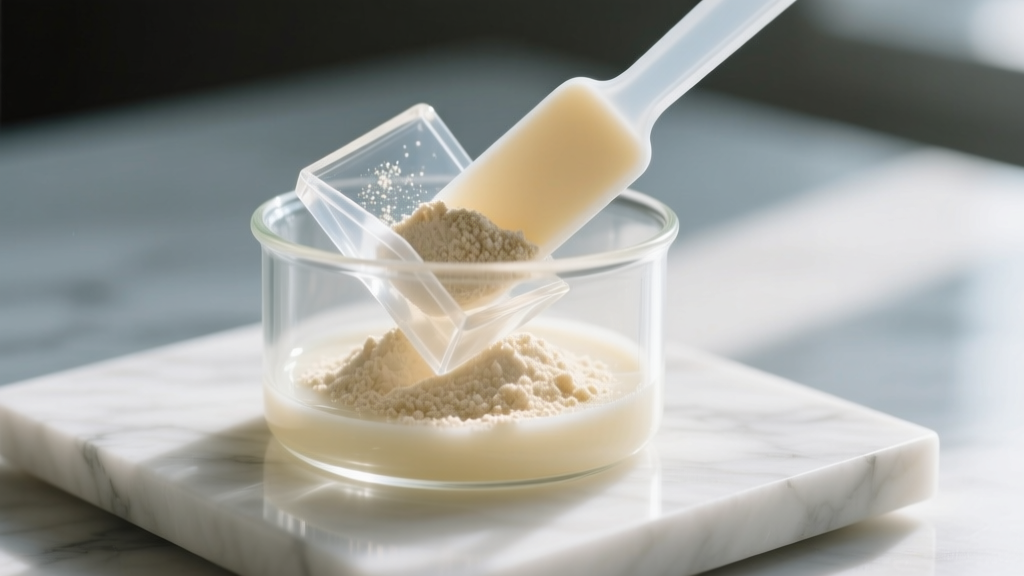
| Powder (Recommended) | Milk is dehydrated and mixed with a preservative powder (often cornstarch/arrowroot blended with Optiphen). | Shelf-stable, easy to measure, prevents mold, low failure rate. | Requires a dehydration step (food dehydrator or specialized powder maker). | Excellent |
| Liquid Chemical | Raw milk is mixed with liquid broad-spectrum preservatives. | No dehydration required. | High risk of separation, chemical burns if mishandled, milk can still spoil if ratios are off. | Poor |
| Heat Reduction | Milk is simmered down to a thick paste to evaporate water content. | Uses no chemicals. | Extremely easy to scorch the milk (causing instant yellowing), time-consuming. | Poor |
When evaluating a kit, look for powder-based preservation systems. The inclusion of a cosmetic-grade preservative like Optiphen is a hallmark of a professional-grade kit, as it inhibits mold and bacterial growth without altering the opaque, creamy color of the milk.
The Resin Debate: Epoxy vs. UV for Breastmilk
The type of resin included in your kit will dictate the longevity and clarity of your jewelry. You will generally encounter two options: UV resin and 2-part Epoxy resin.
Why You Must Avoid UV Resin
UV resin cures in minutes when exposed to ultraviolet light. However, this rapid curing process triggers a massive exothermic reaction (a sudden spike in heat). This intense heat effectively cooks the milk proteins, causing immediate and irreversible yellowing. Furthermore, UV resin is notoriously prone to long-term UV degradation, meaning your jewelry will likely yellow from sun exposure within a year.
The Superiority of HALS-Stabilized Epoxy
High-quality DIY kits will always include a 2-part slow-curing epoxy resin. Epoxy cures gradually over 24 to 48 hours, generating a very low, gentle heat that keeps the milk proteins safe. According to ArtResin's guide on non-yellowing formulas, you must ensure the epoxy contains HALS (Hindered Amine Light Stabilizers) and UV absorbers. These additives act as a chemical sunscreen, protecting both the resin and the delicate milk inclusions from ambient light degradation over decades.
Evaluating Molds, Bezels, and Findings
The hardware included in your kit is just as important as the chemistry. As noted in Resin Obsession's jewelry making tutorials, the demolding process can easily ruin a fragile milk stone if the materials are subpar.
- Silicone Molds: Look for kits that use platinum-cure silicone with a Shore A hardness between 10 and 20. This specific durometer provides a glass-like finish to the resin while remaining flexible enough to pop the delicate milk stone out without micro-tearing the surface.
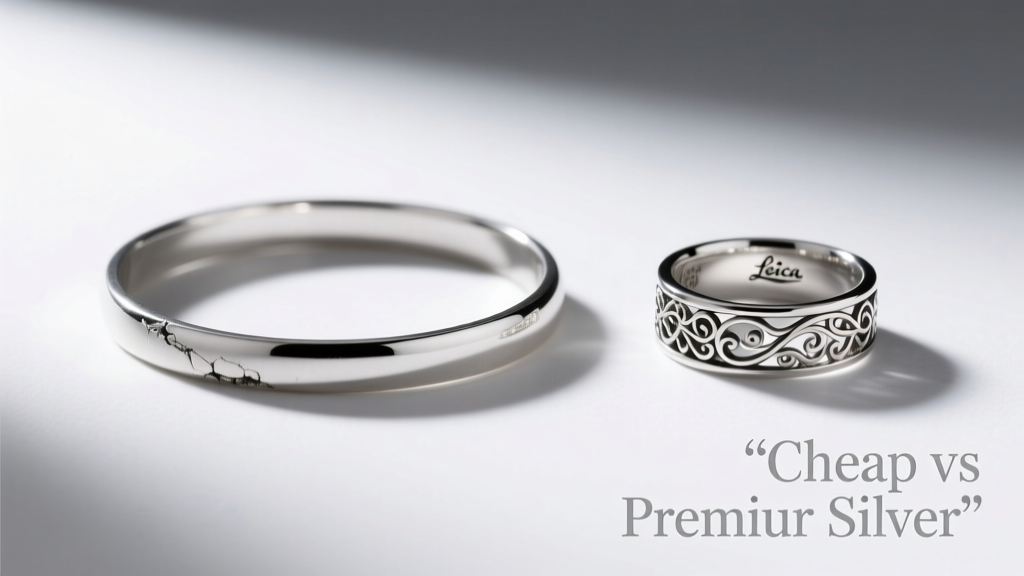
- Bezel Settings: Avoid kits that include base metals, brass, or mystery alloys. These will tarnish rapidly against the skin and create a green halo around your pristine white milk stone. Ensure the kit offers 14k gold-filled or .925 sterling silver bezels and bails.
- Inclusions: Premium kits will include cosmetic-grade mica powders, synthetic opal flakes, or birthstone-safe crushed glass. Avoid kits with organic inclusions (like real dried flowers) unless they are explicitly sealed, as organics will also rot inside the resin.
Red Flags in Commercial DIY Kits
Before adding a kit to your cart, scan the product description for these immediate dealbreakers:
- No PPE Included or Mentioned: Epoxy resin is a known sensitizer. If the kit does not at least strongly recommend (or include) nitrile gloves and a VOC-rated respirator mask, the manufacturer is cutting corners on safety.
- "Magic" Liquid Preservatives: If the kit includes a liquid preservative but refuses to provide an SDS (Safety Data Sheet) or list the active ingredients, do not use it. You are handling a biological fluid meant for an infant; safety and transparency are non-negotiable.
- Pre-Mixed Resin: Epoxy resin must be mixed at the exact moment of use. Any kit selling "pre-mixed" or single-bottle pourable epoxy is likely selling a toxic polyurethane or a low-grade craft sealant that will yellow and remain tacky.
Your Pre-Purchase Evaluation Checklist
Use this quick framework to vet any DIY breastmilk jewelry kit you find online:
- Preservation: Does it use a dehydration/powder method with a named cosmetic preservative?
- Resin: Is it a 2-part epoxy with a 1:1 or 2:1 mixing ratio? Does it explicitly state it is non-yellowing and HALS-stabilized?
- Hardware: Are the metal findings stamped .925 or 14/20 gold-filled?
- Molds: Are the molds made of high-shine, platinum-cure silicone?
- Instructions: Does the kit provide a step-by-step guide covering milk dehydration, precise resin weighing (using a digital scale, not volume cups), and temperature-controlled curing environments?
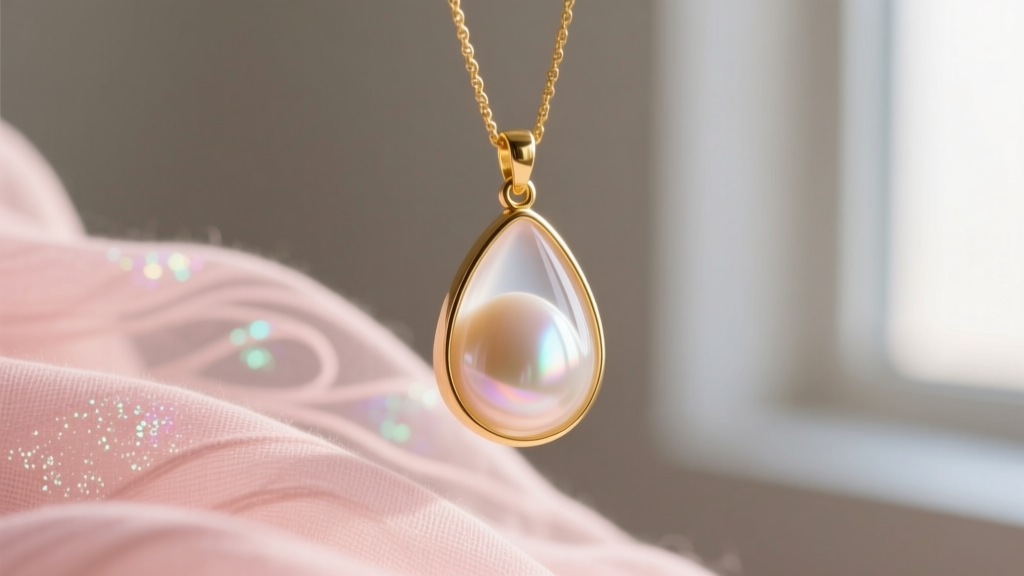
Investing in a premium, scientifically sound DIY breastmilk jewelry kit ensures that the deeply personal keepsake you create will remain a pristine, milky white treasure for generations, rather than a yellowed reminder of a failed crafting experiment.