Sea Glass Jewelry Making From Beach Finds: 2026 Trends
Discover 2026 trends in sea glass jewelry making from beach finds. Learn wire wrapping, drilling techniques, and wire alloys for foraged coastal pieces.

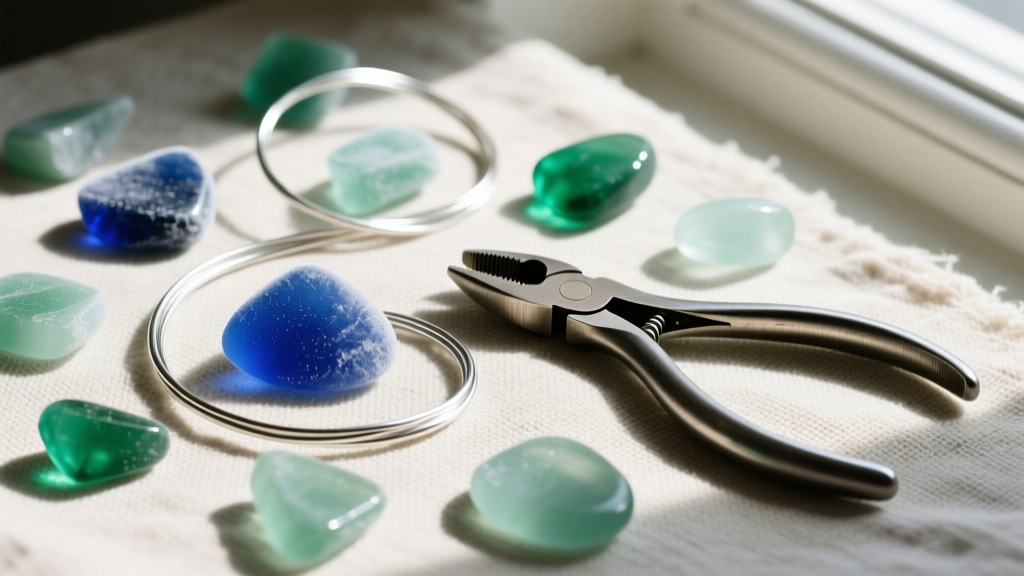
The 2026 Shift: From Souvenir to Sustainable Statement
The landscape of artisanal jewelry has undergone a massive transformation as we move through 2026. Gone are the days when sea glass was relegated to clunky, glue-on pendants sold at coastal tourist traps. Today, sea glass jewelry making from beach finds represents a highly respected niche within the sustainable and foraged jewelry movement. Modern collectors and jewelers are treating ocean-tumbled glass with the same reverence as faceted gemstones, driven by a consumer demand for hyper-authentic, eco-conscious adornments.
According to the North American Sea Glass Association (NASGA), the rise of 'foraged core' aesthetics has pushed artisans to develop advanced cold-working and lapidary techniques that preserve the natural frosted patina of the glass while integrating it into high-end, wearable designs. Whether you are a beginner combing the shoreline or an experienced bench jeweler, understanding the current style trends and material science is critical for creating pieces that resonate with today's market.
Trend Analysis: Top Sea Glass Styles Dominating 2026
This year's design trends emphasize the organic origins of the material. The 'Coastal Grandmother' aesthetic of previous years has evolved into a grittier, more textural 'Raw Coastal' style. Here are the three dominant design frameworks currently shaping the market:
- Asymmetrical Wire Sculpting: Rather than symmetrical, traditional weaves, 2026 trends favor chaotic, organic wire wrapping that mimics ocean currents and kelp forests. Artisans are using 26-gauge and 28-gauge dead-soft wire to create freeform nets that cradle the glass without obscuring its frosted surface.
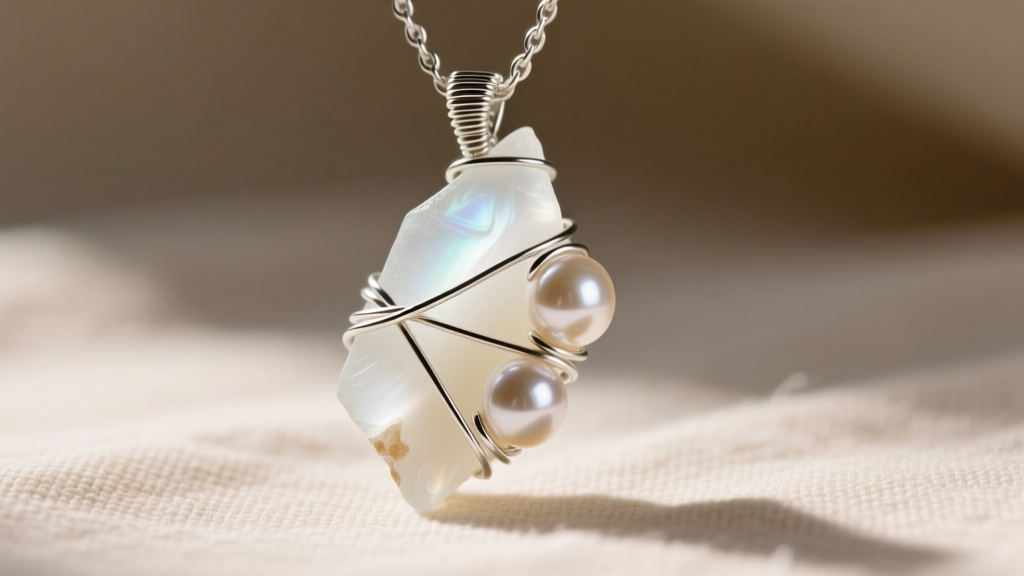
- Mixed-Media Mermaidcore: Pairing sea glass with baroque freshwater pearls, unpolished coral, and oxidized silver. The contrast between the matte, frosted glass and the high-luster pearls creates a visually striking, textural piece.
- Minimalist Tension Bezels: For high-grade, perfectly triangular or teardrop-shaped shards, jewelers are utilizing thick 14-gauge or 12-gauge recycled silver wire to create open-backed tension frames, allowing light to pass through the translucent edges of the glass.
Material Deep-Dive: Wire & Findings for Beach Finds
When engaging in sea glass jewelry making from beach finds, your choice of wire is paramount. Sea glass is inherently tied to the ocean, and consumers often wear these pieces in salty, humid environments. Standard sterling silver can tarnish rapidly under these conditions. Below is a breakdown of the best wire alloys for 2026 coastal jewelry designs.
| Wire Alloy | Best Gauge for Framing | Tarnish Resistance | 2026 Trend Application |
|---|---|---|---|
| Argentium .935 Silver | 20g - 18g | Exceptional (Germanium infused) | High-end bezels and permanent jewelry clasps |
| Niobium | 20g - 16g | High (Hypoallergenic) | Anodized color-matching to rare cobalt/red glass |
| Recycled Yellow Brass | 18g - 14g | Low (Develops natural patina) | Vintage-inspired, rustic wire wrapping |
| Copper (Enamel Coated) | 24g - 28g | Moderate (Coating prevents oxidation) | Intricate micro-weaving and basket settings |
For sourcing premium alloys, bench jewelers frequently turn to specialized suppliers like Rio Grande, which offers certified recycled precious metals and precise gauge tolerances necessary for tight, secure wraps around irregular glass shapes.
Technique Spotlight: To Drill or To Wrap?
The most debated topic in the sea glass community remains how to attach the find to a finding. Both methods have distinct advantages, but they require vastly different toolkits and safety protocols.
The Case for Cold-Working (Wire Wrapping)
Wire wrapping is the preferred method for purists who believe the glass should remain entirely unaltered. The primary challenge is the irregular, slippery nature of frosted glass. To secure a piece without drilling, you must identify the glass's natural 'waist' or concave edges. Using 20-gauge half-hard wire for the structural frame and 26-gauge dead-soft wire for the binding allows you to create a custom-fitted basket. The key to a lasting wrap is work-hardening the structural wire with a nylon-jaw plier after forming the frame, ensuring the prongs snap tightly over the thickest ridges of the glass.
The Case for Wet-Drilling
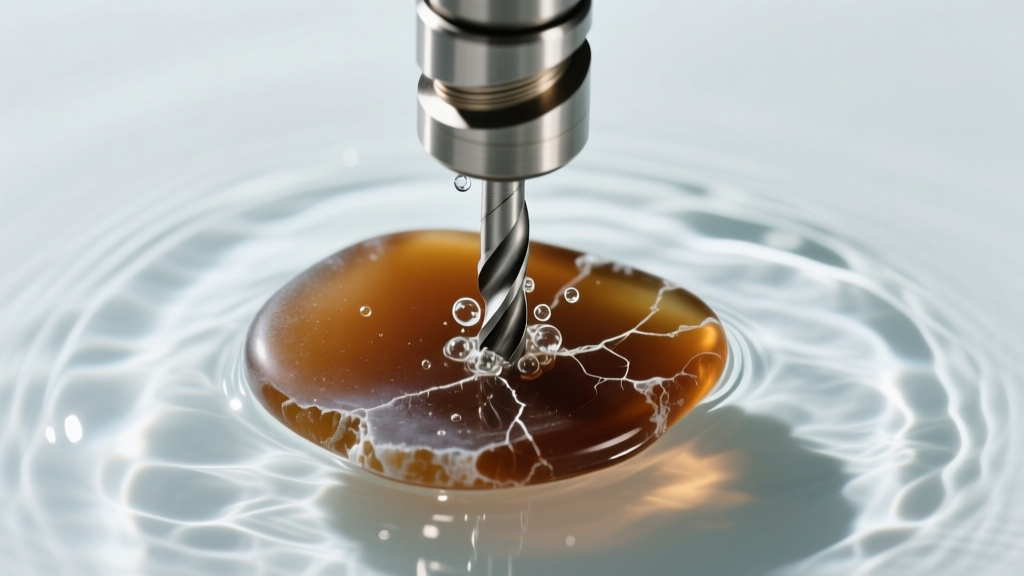
Drilling allows for cleaner, more minimalist designs, such as simple bail pendants or bead-strung necklaces. However, you must never dry-drill sea glass. Drilling silica-based materials without water creates microscopic glass dust that can lead to severe respiratory issues like silicosis. Furthermore, the friction heat will cause thermal shock, shattering your rare find.
Pro Drilling Protocol: Use a flex shaft or Dremel tool equipped with a 1mm or 1.5mm diamond core twist drill bit. Submerge the sea glass completely in a shallow plastic tub of water. Drill at a low speed (3,000 to 5,000 RPM) using a gentle 'pecking' motion—drill for two seconds, pull up to clear the slurry, and repeat. This keeps the bit cool and prevents blowout on the exit hole.
Sourcing & Curing: Prepping Your Beach Finds
Not every piece of broken bottle you find on the shore is ready for the jeweler's bench. True sea glass requires decades of tumbling in the surf to achieve the coveted 'frosted' C-shaped pits on its surface. When you return from a beachcombing session, proper curing is essential.
- The Vinegar Soak: Soak your finds in a 50/50 solution of white vinegar and water for 30 minutes. This neutralizes alkaline salt deposits and removes stubborn organic matter like dried kelp or barnacle bases.
- The Oil Debate: Many beginners rub mineral oil or baby oil on their sea glass to make the colors 'pop' for photos. In the professional market, this is heavily frowned upon. Oil attracts dust, degrades over time, and can stain the clothing of the eventual wearer. If you need to enhance the color for a client, use a micro-crystalline wax or simply rely on high-quality macro photography lighting.
- Sorting by Grade: Separate your finds into jewelry-grade (smooth edges, distinct frosting, no chips) and craft-grade (sharp edges, heavily pitted, or cracked). Only jewelry-grade pieces should be subjected to the tension of wire wrapping or drilling.
Market Value: Pricing Your Foraged Creations
Pricing sea glass jewelry requires a dual approach: evaluating the rarity of the raw material and calculating your bench time. The NASGA rarity scale is the industry standard for valuing the glass itself. Common colors (white, brown, kelly green) hold minimal intrinsic value, meaning your pricing must be driven entirely by your artistic labor and wire costs.
However, if you are lucky enough to find Cobalt blue (from vintage Vicks VapoRub jars or Milk of Magnesia bottles), Aqua, or the ultra-rare Red and Orange (from old ship lanterns and Depression glass), the raw material commands a premium. A cleanly wire-wrapped pendant featuring a genuine, unaltered piece of red sea glass can easily retail between $150 and $300, whereas a similarly crafted white glass piece might retail for $45 to $75.
'The true value of foraged jewelry isn't just in the rarity of the find, but in the artisan's ability to frame a piece of ocean history without erasing its natural journey.' — 2026 Sustainable Jewelry Market Report
Final Thoughts on the Foraged Jewelry Movement
Sea glass jewelry making from beach finds is more than a craft; it is an act of environmental reclamation and historical preservation. As 2026 trends continue to favor sustainability and narrative-driven accessories, artisans who master the delicate balance between rugged, foraged materials and precise, high-quality metalwork will find themselves at the forefront of the coastal jewelry market. Grab your pliers, respect the material, and let the ocean's artistry guide your next design.