How Much Does a Jewelry Designer Make? Material ROI Guide
Discover how much a jewelry designer makes by comparing material costs, markup potential, and profit margins across silver, gold-fill, and brass.

The Economics of Handcrafted Jewelry: Beyond the Hourly Wage
When aspiring artisans ask, 'how much does a jewelry designer make,' the answer is rarely a simple salary figure. In the handcrafted and DIY jewelry sector, your income is inextricably linked to your material science knowledge and your markup strategy. A designer working with base metals might need to sell 50 pieces a week to match the profit of a designer selling three solid gold bespoke rings. In the 2026 market, where consumers are highly educated about metal grades and sustainability, understanding the exact properties, failure modes, and perceived value of your materials is the only way to build a sustainable income.
According to industry data from Halstead Bead, successful independent jewelry designers typically aim for a minimum 3x to 4x markup on wholesale material costs to cover labor, overhead, and marketing. However, the actual profit margin shifts dramatically depending on whether you are wire-wrapping 14k gold-filled wire or casting solid platinum. Let us break down the material tiers and their direct impact on a jewelry designer's bottom line.
Tier 1: Solid Gold & Platinum (High Barrier, High Margin)
Working with solid precious metals requires significant upfront capital, but it offers the highest absolute profit per piece. Designers specializing in fine jewelry typically work with 14k (58.5% pure gold) or 18k (75% pure gold) alloys. Platinum, while more expensive per gram, offers unparalleled durability and a premium price point.
Cost vs. Perceived Value Breakdown
The primary advantage of solid gold is the lack of a 'ceiling' on perceived value. A simple 18k gold band weighing 4 grams might cost a designer $300 in raw materials at current spot prices. With a standard 3.5x markup, the retail price sits at $1,050, yielding a $750 gross profit for perhaps two hours of fabrication and polishing. However, the failure modes are costly. Overheating 18k gold during soldering can cause reticulation or melt the piece entirely, resulting in a total loss of material capital unless it is sent to a refiner.
- Best for: Bespoke commissions, permanent jewelry, and heirloom bridal pieces.
- Failure Mode: Firestain in lower-karat golds, porosity during casting.
- Income Potential: High profit per unit, lower volume sales.
Tier 2: Gold-Filled & Argentium Silver (The Profit Sweet Spot)
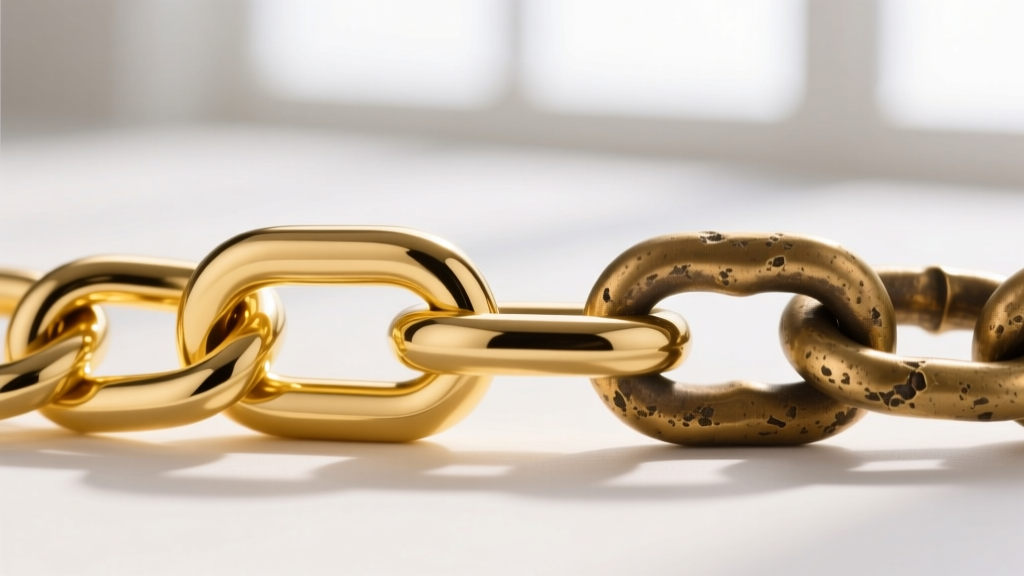
For the majority of independent DIY jewelry designers, the middle tier is where the most consistent full-time income is generated. This tier is dominated by 14k gold-filled wire and Argentium silver.
The Gold-Filled Advantage
Gold-filled material (specifically 14/20, meaning 1/20th of the total weight is 14k gold) is mechanically bonded to a brass core under extreme heat and pressure. Unlike electroplating, which measures in microns and wears off in months, gold-filled wire can endure years of daily wear. According to metal suppliers like Rio Grande, 14k gold-filled wire costs roughly $3.50 to $6.00 per foot depending on the gauge. A designer using 20-gauge wire to create a pair of intricate hammered hoop earrings might use $12 worth of material. Retailing those hoops for $85 yields an 85% gross margin, making it highly lucrative for volume-based Etsy or craft fair sellers.
Argentium vs. Traditional Sterling
Traditional .925 sterling silver is prone to firestain (a deep copper oxidation that occurs when heated) and rapid tarnishing. Argentium silver (.935 or .960) replaces some of the copper with germanium. This makes it highly tarnish-resistant and allows it to be fused to itself without solder. While Argentium costs about 15-20% more than standard sterling, the reduction in labor time (no pickling, no polishing out firestain) directly increases a designer's hourly effective wage.
Tier 3: Base Metals & The Hidden Costs of Plating
Base metals like brass (specifically C26000 cartridge brass), copper, and niobium are incredibly cheap, often costing less than $0.50 per foot. However, answering 'how much does a jewelry designer make' when working with base metals requires factoring in the hidden costs of sealing and customer service.
Tarnish, Skin Reactions, and Sealing
Raw brass and copper will oxidize rapidly and can turn the wearer's skin green due to a reaction with sweat acidity. To prevent this, designers must apply sealants like Renaissance Wax or Everbrite ProtectaClear. This adds 15-20 minutes of labor per batch and requires ongoing maintenance instructions for the customer. Furthermore, the perceived value of brass is low. A beautifully woven brass chainmaille bracelet that takes 10 hours to make might only command a $60 retail price, resulting in an hourly wage well below minimum once material and sealing costs are deducted.
'The designers who struggle to make a living wage are often those trapped in the base metal tier, trading dozens of hours of labor for marginal profits because they cannot command premium pricing for non-precious materials.' — Independent Jewelry Business Analyst
Material Comparison & Profit Margin Matrix
To visualize how these materials impact your bottom line, review the comparison matrix below based on a standard wire-wrapped gemstone ring project.
| Material | Material Cost | Labor Time | Retail Price | Gross Profit | Hourly Wage Est. |
|---|---|---|---|---|---|
| 14k Solid Gold | $180.00 | 1.5 Hours | $650.00 | $470.00 | $313 / hr |
| 14/20 Gold-Filled | $8.00 | 1.0 Hour | $85.00 | $77.00 | $77 / hr |
| .935 Argentium | $12.00 | 1.0 Hour | $95.00 | $83.00 | $83 / hr |
| Raw Brass (Sealed) | $2.00 | 1.5 Hours | $45.00 | $43.00 | $28 / hr |
Strategic Sourcing for Maximum ROI
Where you buy your materials dictates your baseline profitability. Buying from retail craft stores will immediately destroy your margins. Professional designers leverage tiered wholesale pricing from dedicated suppliers. As noted by the Gemological Institute of America (GIA), understanding the exact metallurgical composition of your sourced metals is vital for accurate hallmarking and legal compliance, which in turn protects your brand's premium pricing power.
Designers should aim to hit minimum order quantities (MOQs) at suppliers like Rio Grande or Stuller to unlock bulk discounts. For example, buying a single 10-foot coil of 22-gauge sterling silver wire might cost $35, but purchasing a full 100-foot spool drops the per-foot cost by nearly 40%. This strategic inventory management is a hallmark of designers who consistently earn a six-figure income.
Final Verdict: Maximizing Your Designer Income
So, how much does a jewelry designer make? The designers earning $80,000 to $150,000+ annually are rarely the ones selling hundreds of cheap brass rings. They are the artisans who have mastered the middle and upper tiers—leveraging the durability and prestige of gold-filled and solid metals, minimizing labor waste through advanced materials like Argentium, and pricing their work based on the true value of their specialized craftsmanship rather than just the weight of the metal.