Paper Beads Jewelry: A Buyer's Guide to Tools, Paper & Sealants
Discover what to look for when sourcing supplies for paper beads jewelry. Compare paper weights, sealants, and mandrels for durable, professional results.

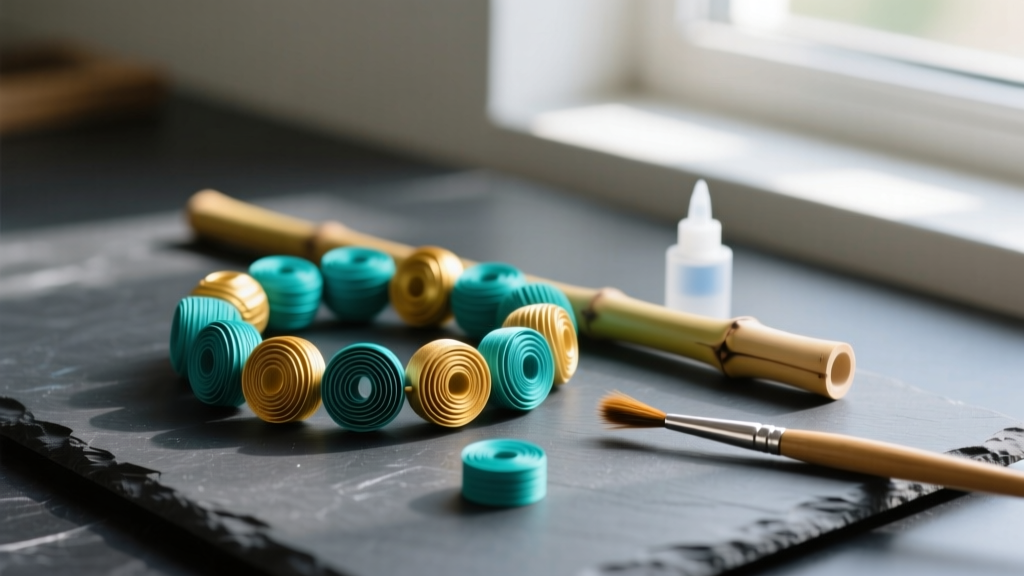
The Evolution of Paper Beads Jewelry Crafting
Paper beads jewelry has transcended its origins as a simple children's craft to become a sophisticated, eco-conscious art form embraced by independent jewelers worldwide. However, the difference between a fragile, amateur craft and a durable, professional piece of wearable art lies entirely in the sourcing of your materials. When water, humidity, and daily wear are factored in, the structural integrity of your beads depends on a precise combination of paper weight, adhesive chemistry, and sealant technology. This comprehensive buying guide breaks down exactly what to look for when sourcing supplies for high-end paper beads jewelry, ensuring your creations rival glass or ceramic in both beauty and longevity.
The Foundation: Sourcing the Right Paper Stock
The most common mistake beginners make is using standard magazine pages or low-grade printer paper. While these can be used for practice, they lack the tensile strength and opacity required for premium paper beads jewelry. When shopping for paper, you must pay close attention to the GSM (Grams per Square Meter) and the grain direction.
Understanding GSM and Paper Finishes
For tight, uniform rolling, you need a paper weight that balances flexibility with structural rigidity. The sweet spot for professional paper beads is 100 to 120 GSM. Paper lighter than 90 GSM will require multiple overlapping layers to achieve opacity, resulting in bulky, uneven beads. Conversely, cardstock heavier than 160 GSM resists tight rolling, creating a hollow core that is prone to crushing when strung on heavy wire.
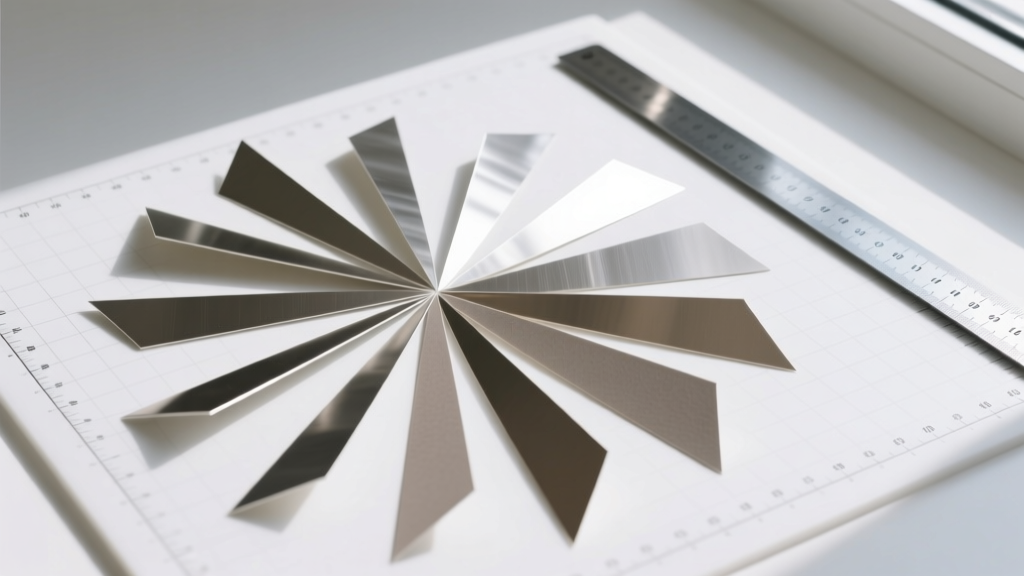
- Matte Finish Scrapbook Paper (100-120 GSM): The gold standard for paper beads. The porous surface absorbs adhesives and sealants deeply, creating a unified, rock-hard composite material once cured.
- Metallic and Pearlized Papers: Excellent for luxury aesthetics, but ensure the metallic coating is on one side only. Double-sided metallic coatings prevent the adhesive from penetrating the paper fibers, leading to delamination over time.
- Upcycled Book Pages & Maps: Typically around 80-90 GSM. To use these effectively, you must back them with a layer of 40 GSM tissue paper using a wet PVA glue technique before cutting your triangle strips.
Expert Sourcing Tip: Always test the paper's grain. Tear a strip vertically and horizontally. The direction that yields a cleaner, straighter tear is the grain direction. For the tightest roll with the least resistance, cut your triangle strips so the bead rolls against the grain.
Mandrels and Rolling Tools: Tapered vs. Straight
The mandrel is the steel or bamboo rod around which the paper is rolled. The material and shape of your mandrel dictate the core hole size and the ease of bead removal—a critical factor in production efficiency.
| Mandrel Type | Material | Core Hole Size | Pros & Cons for Paper Beads |
|---|---|---|---|
| Straight Bamboo Skewers | Natural Wood | 2mm - 3mm | Pros: Cheap, grippy surface holds paper start securely. Cons: Beads often stick permanently; requires sanding to remove. |
| Tapered Stainless Steel | 316L Steel | 1.5mm - 4mm | Pros: Flawless release, perfectly round cores, highly durable. Cons: Expensive; requires a release agent like beeswax. |
| Knitting Needles | Aluminum | 2mm - 6mm | Pros: Readily available in varied gauges, smooth finish. Cons: Can bend under the high tension of tight paper rolling. |
When buying stainless steel mandrels from specialized jewelry suppliers like Rio Grande, look for 316L surgical steel. This grade resists rusting if you are using water-based adhesives and sealants during the rolling process, preventing ugly orange oxidation stains from bleeding into your light-colored paper beads.
Adhesives: What Actually Holds the Bead Together?
The tension of tightly rolled paper exerts continuous outward pressure. Standard glue sticks and cheap school glues lack the shear strength to withstand this pressure, resulting in beads that unspool weeks after they are made. Furthermore, acidic adhesives will yellow and degrade the paper fibers over time.
For professional paper beads jewelry, you must source a Neutral pH PVA (Polyvinyl Acetate) adhesive. Products like Lineco Neutral pH Adhesive or specialized bookbinding glues remain slightly flexible after curing. This flexibility is crucial; it allows the paper bead to expand and contract minutely with changes in ambient humidity without cracking the adhesive bond. Apply the glue sparingly using a silicone-tipped brush, focusing only on the final two inches of the paper triangle to secure the seal without creating a soggy, warped bead body.
Sealants and Finishes: Ensuring Water Resistance
A paper bead is only as durable as its outer shell. Without a proper sealant, paper beads will absorb moisture from the skin, swell, and eventually disintegrate. The market is flooded with sealing options, but they are not created equal. Mod Podge, while popular in general crafting, is water-resistant, not waterproof. In high humidity, Mod Podge can re-emulsify, becoming tacky and attracting dust.
Dip vs. Brush-On vs. Spray Sealants
To achieve a professional, glass-like or durable matte finish, you need to source industrial or jewelry-grade sealants. Here is a breakdown of what to buy based on your desired finish:
- 2-Part Epoxy Resin (e.g., EnviroTex Lite): Provides a thick, domed, glass-like finish. It is 100% waterproof and highly scratch-resistant. Buying Note: Requires precise 1:1 mixing and a rotating drying rack to prevent pooling.
- Water-Based Polyurethane (e.g., Varathane Crystal Clear): The best choice for high-volume production. It cures hard, does not yellow over time, and is available in matte, satin, and gloss. Beads can be dipped and hung to dry.
- UV Resin: Ideal for small batches and quick curing. However, UV resin can yellow if exposed to direct sunlight over several months, making it less suitable for pale or white paper beads.
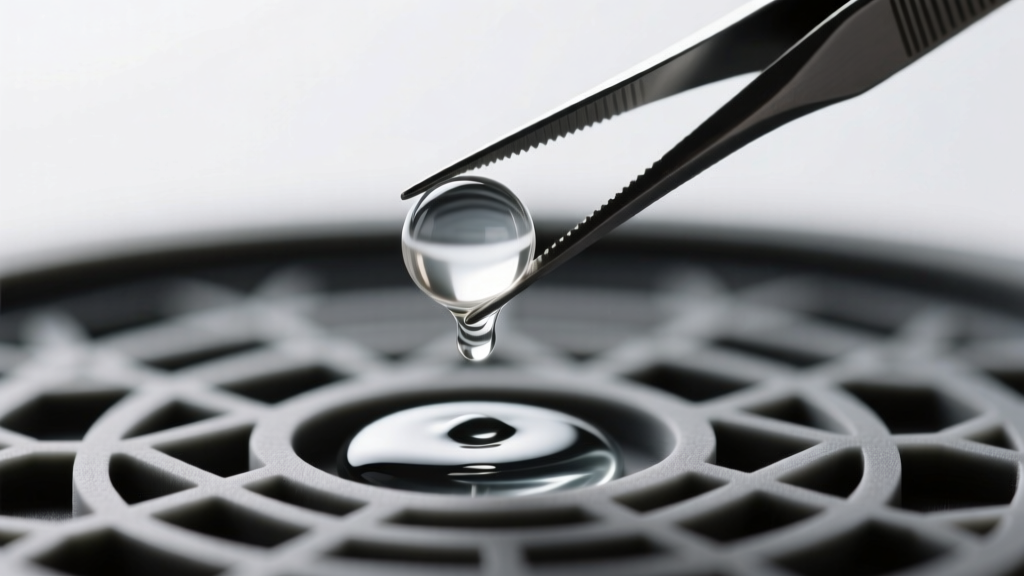
When sourcing findings and hardware to complement your sealed beads, reputable wholesale suppliers like Fire Mountain Gems offer bulk pricing on the necessary bead caps and eye pins that protect the vulnerable paper edges at the core holes.
Hardware and Findings for Paper Beads
Paper beads require specific hardware to prevent the wire or stringing material from cutting through the paper core. Never string a paper bead directly onto a bare wire without protection. When buying findings, look for:
- Deep Bead Caps: Source caps with a depth of at least 3mm to 5mm. These cup the ends of the paper bead, protecting the delicate paper edges from fraying and hiding any uneven rolling at the core.
- Wire Guardians (French Wire): If stringing your beads on flexible beading wire (like SoftFlex), use wire guardians at the clasp loop to prevent the metal wire from sawing through the paper core over time.
- Large-Hole Spacers: Because paper beads often have larger, slightly irregular core holes (especially if rolled on bamboo), keep a stock of 3mm to 4mm inner-diameter spacer rings to ensure the beads sit flush against one another without wobbling.
Final Sourcing Checklist for 2026
Before finalizing your supply order, ensure your cart includes these non-negotiable items for crafting premium paper beads jewelry:
- 100-120 GSM matte or single-sided metallic paper stock.
- 316L Stainless steel tapered mandrels (assorted 2mm-4mm gauges).
- Neutral pH, acid-free PVA bookbinding adhesive.
- Non-yellowing water-based polyurethane or 2-part clear epoxy resin.
- Deep-profile metal bead caps (3mm-5mm depth).
- Silicone-tipped glue brushes and a rotating bead drying rack.
By investing in the correct material grades and chemical formulations from the start, you elevate your paper beads jewelry from a fleeting craft project to a durable, high-end accessory line capable of withstanding the rigors of daily wear.
Related stories
Jewelry Care
Tarnish and Budget Compared: How Material Choice, Maintenance, and Real-World Costs Shape Long-Term Value in Home Hardware and Fixtures

Jewelry Care
Best For Him: Essential Tools, Upgrades, and Systems Every Property Owner Needs

Jewelry Care