DIY Micro-Welding: Lessons From Permanent Jewelry of Orlando
Learn DIY micro-welding techniques, chain sourcing, and pulse settings inspired by the thriving permanent jewelry of Orlando market.

The Rise of the Permanent Jewelry of Orlando Market
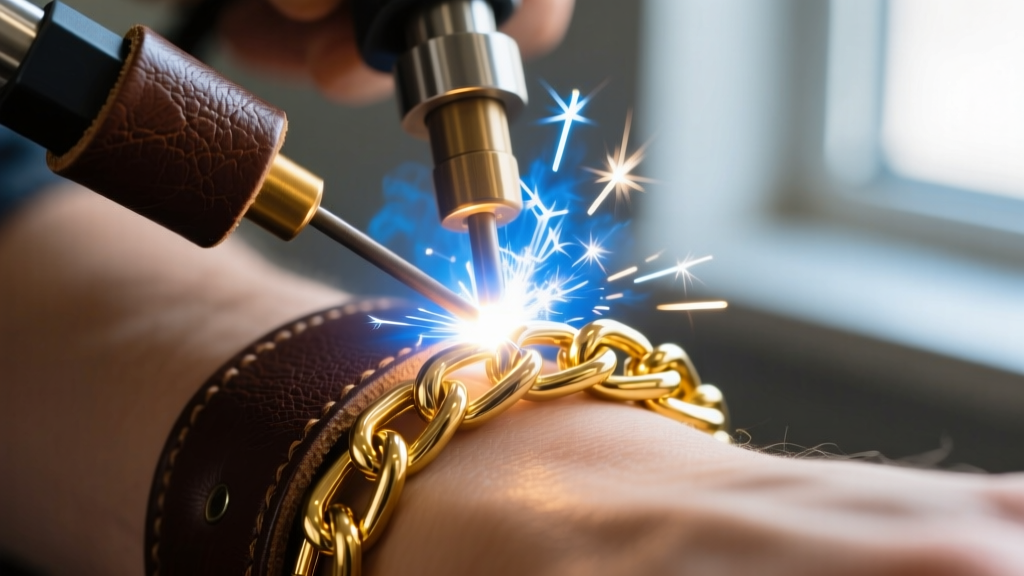
Permanent jewelry—the art of micro-welding clasps off chains to create seamless bracelets, anklets, and necklaces—has exploded from a niche boutique service into a mainstream DIY business model. When analyzing the permanent jewelry of orlando scene, beginners can uncover a masterclass in high-volume welding, material durability, and mobile pop-up logistics. Orlando’s unique environment, characterized by high humidity and a massive tourist demographic, forces local vendors to optimize their craft for speed, safety, and extreme wear-and-tear. For the aspiring DIY jewelry maker, studying these regional adaptations provides a blueprint for building a resilient, professional-grade micro-welding practice.
Unlike traditional jewelry making that relies on soldering with torches and flux, permanent jewelry utilizes pulse arc welding. This technology allows you to fuse metals in milliseconds without transferring dangerous heat to the client's skin. However, mastering the arc, selecting the right chains, and managing your shielding gas requires precise technical knowledge. Below, we break down the exact specifications, tools, and safety protocols you need to launch your own mobile welding business.
Essential Micro-Welder Settings for Beginners
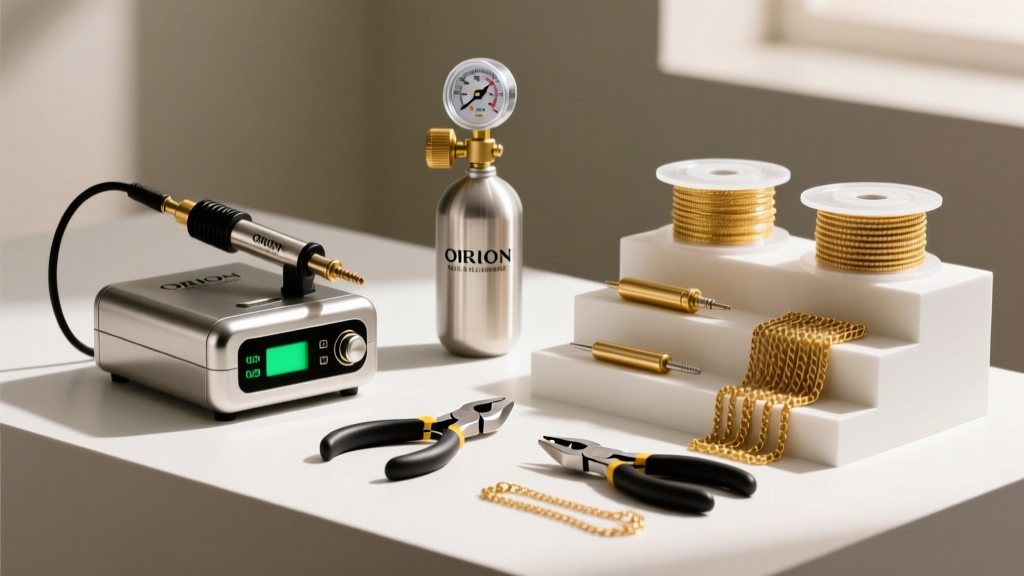
The core of your DIY setup is the pulse arc welder. Leading brands like Sunstone Welders and Orion dominate the market because they offer precise control over pulse duration and energy output, measured in Watt-seconds (Ws) or Joules. A common beginner mistake is using too much energy, which vaporizes the metal and leaves a porous, brittle weld.
When working with gold-filled materials, the challenge multiplies. Gold-filled wire consists of a brass core bonded to a thick outer layer of 14k gold. If your pulse energy is too high, the zinc in the brass core vaporizes, causing micro-explosions that weaken the joint. To counter this, Orlando-based welders often use lower energy settings with a slightly longer pulse duration to melt the gold layer smoothly without disturbing the core.
| Material | Wire Gauge / Thickness | Pulse Energy (Ws) | Electrode Type |
|---|---|---|---|
| 14k Solid Gold | 18g - 20g (1.0mm - 0.8mm) | 25 - 35 Ws | Tungsten (1.0mm) |
| 14k Gold Filled | 18g - 20g (1.0mm - 0.8mm) | 15 - 22 Ws | Tungsten (1.0mm) |
| Sterling Silver | 18g - 20g (1.0mm - 0.8mm) | 20 - 30 Ws | Tungsten (1.0mm) |
Pro Tip: Always sharpen your tungsten electrode longitudinally (parallel to the tip) using a diamond sharpener. Circumferential grinding creates ridges that cause the arc to wander, resulting in inconsistent welds.
Sourcing Chains That Survive the Theme Park Test
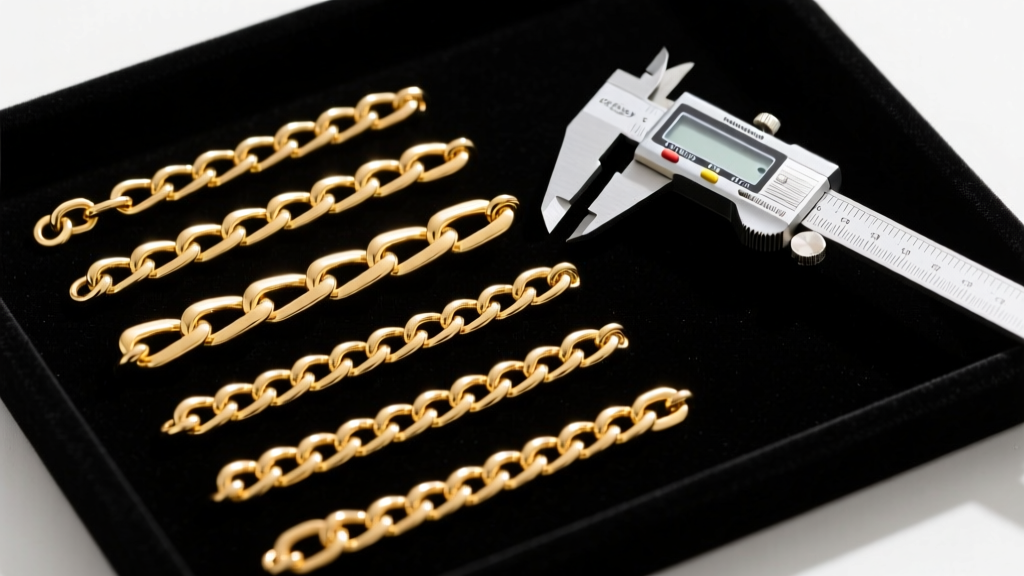
If there is one thing the Florida market demands, it is durability. Tourists wearing permanent bracelets will subject them to water parks, sunscreen, rollercoasters, and high humidity. Sourcing from reputable suppliers like Rio Grande or Stuller ensures you are getting accurately stamped metals rather than mystery alloys that will turn skin green.
The Best Chain Styles for High-Activity Wear
- Flattened Curb Chains (1.5mm - 2.5mm): The links lay flat against the skin, reducing the chance of snagging on clothing or towels. They offer excellent tensile strength.
- Oval Cable Chains (1.2mm - 2.0mm): A classic, lightweight option. Ensure the wire gauge of the chain links is at least 18g to prevent stretching under tension.
- Figaro Chains (2.0mm+): The alternating link pattern provides visual interest while maintaining a robust structural integrity that resists kinking.
Chains to Avoid: Herringbone, snake chains, and intricate box chains. These styles are prone to kinking, trap moisture and lotion between tight links, and are nearly impossible to weld cleanly due to their flush surfaces.
Jump Ring Sizing and Wire Gauges
The weld point is the most critical failure point of any permanent bracelet. While some advanced welders flash-weld the end links of the chain directly together, the beginner-friendly approach is using a jump ring. For chains ranging from 1.5mm to 2.5mm in width, use a 4mm Outer Diameter (OD) jump ring made from 18-gauge solid 14k gold wire. Using solid gold for the jump ring, even if the chain is gold-filled, ensures a cleaner, stronger weld because you eliminate the zinc vaporization issue at the exact point of the arc.
Argon Gas and Safety Protocols
Pulse arc welding requires a shielding gas to prevent oxygen from reacting with the molten metal, which would cause oxidation and a weak, crusty weld. You must use 99.999% pure Argon gas. Do not use MIG welding gas (which contains CO2) or TIG mix gases; they will ruin precious metals.
Set your argon flow rate to roughly 5 to 7 Cubic Feet per Hour (CFH). Many modern jewelry welders have an automatic pre-flow and post-flow setting. The pre-flow clears oxygen from the welding area before the spark, and the post-flow shields the metal as it cools. If your machine lacks auto-flow, you must manually trigger the gas pedal a second before firing the arc.
Safety Warning: Never clamp a grounding wire to a client. Pulse arc welders complete their circuit through the workpiece. When welding on a person, use insulated ceramic tweezers to hold the jump ring, and attach the ground clip directly to the metal tweezers or a specialized grounding block resting on the client's skin. This prevents any electrical current from passing through the customer.
Pop-Up Logistics: What Beginners Must Pack
The Orlando market is heavily reliant on mobile pop-ups at breweries, bridal showers, and corporate events. To replicate this success, your DIY mobile kit must be self-sufficient and meticulously organized. High humidity also dictates how you store your inventory; always keep chain spools in sealed anti-tarnish Intercept bags with silica gel desiccant packets to prevent premature oxidation of silver and copper-rich gold alloys.
The Essential Mobile Kit Checklist
- Power Supply: If your venue lacks reliable outlets, invest in a pure sine wave portable power station (like a Jackery or EcoFlow) capable of outputting at least 500W continuously. Modified sine wave inverters can fry the sensitive capacitors in your welder.
- Lighting: A bright, adjustable LED desk lamp with a polarized filter. The arc flash is incredibly bright, and proper ambient lighting helps you align the electrode without relying solely on your auto-darkening welding glasses.
- Flush Cutters & Chain Nose Pliers: Use high-precision flush cutters (like Tronex or Lindstrom) to snip chains cleanly without pinching the end links, which makes welding impossible.
- Leather Welding Guard: A thick, fire-retardant leather patch with a slit to slide under the client's wrist. This protects their skin from UV radiation and stray sparks.
Final Thoughts for the DIY Welder
Breaking into the permanent jewelry space requires more than just buying a welder; it requires an understanding of metallurgy, ergonomics, and customer safety. By adopting the rigorous standards seen in high-traffic tourist markets, you ensure that every bracelet you weld is not only beautiful but built to last a lifetime. Start with solid gold jump rings, master your pulse settings on scrap chain, and always prioritize your argon shielding. Your DIY jewelry business will be ready for any environment, from a quiet home studio to the busiest pop-up events in the country.


