DIY Dells Permanent Jewelry: 2026 Trend & Welding Guide
Discover how to recreate the viral Dells permanent jewelry aesthetic at home. We break down chain gauges, micro-welding tools, and 2026 styling trends.

The Anatomy of the Dells Permanent Jewelry Aesthetic
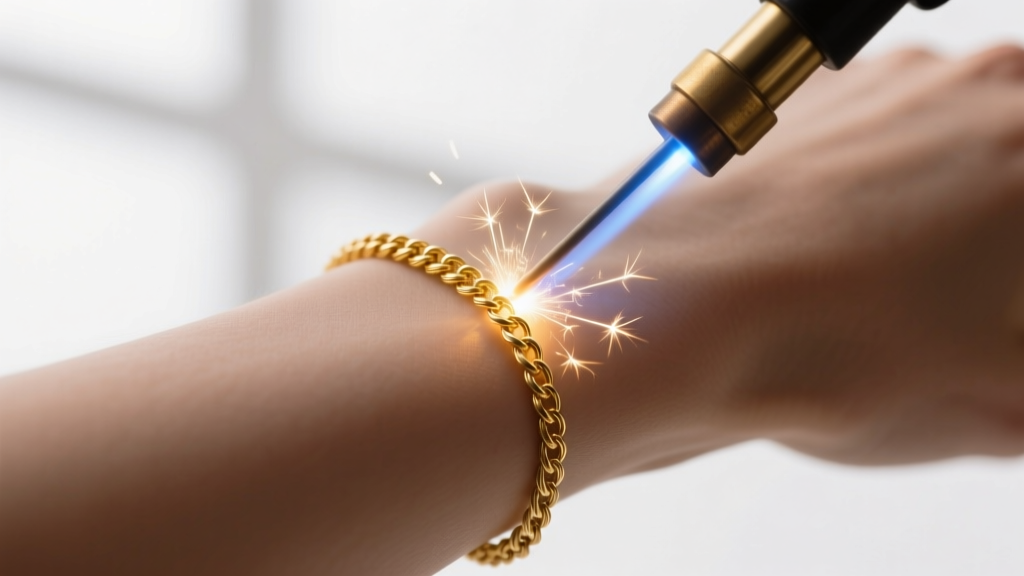
The "Dells permanent jewelry" aesthetic has completely dominated the minimalist accessory space heading into 2026. Characterized by ultra-fine, barely-there chains and seamless micro-welds, this style prioritizes subtlety over statement. For DIY jewelry makers, replicating this high-end studio look at home requires moving beyond basic clasps and mastering the pulse arc welding techniques that define the trend. In this comprehensive guide, we deconstruct the exact materials, tool settings, and styling frameworks needed to achieve the flawless Dells permanent jewelry finish in your own home studio.
What separates the Dells aesthetic from standard permanent jewelry is the extreme delicacy of the materials. While traditional pop-up studios often rely on 1.5mm to 2.0mm chains for durability and ease of handling, the Dells trend pushes the boundaries of fine jewelry, utilizing chains that measure between 0.8mm and 1.1mm in width. This creates a "floating" illusion on the skin, catching the light without weighing down the wrist or neckline. Achieving this requires a deep understanding of metallurgy and precision tooling.
Chain Profiles: Why Micro-Cable Rules
The undisputed hero of this trend is the micro-cable chain. Its uniform, tightly wound links provide a continuous surface that reflects light evenly, mimicking the look of a solid thread of gold. Satellite chains, which feature a small link interspersed with a tiny metal bead, are also popular for adding subtle texture without adding bulk. However, rope, Figaro, or box chains are largely avoided in the Dells aesthetic. Their complex link structures disrupt the minimalist, fluid drape that defines the style and are notoriously difficult to weld cleanly at micro-scales.
Sourcing the Right Materials: Solid Gold vs. Gold-Filled
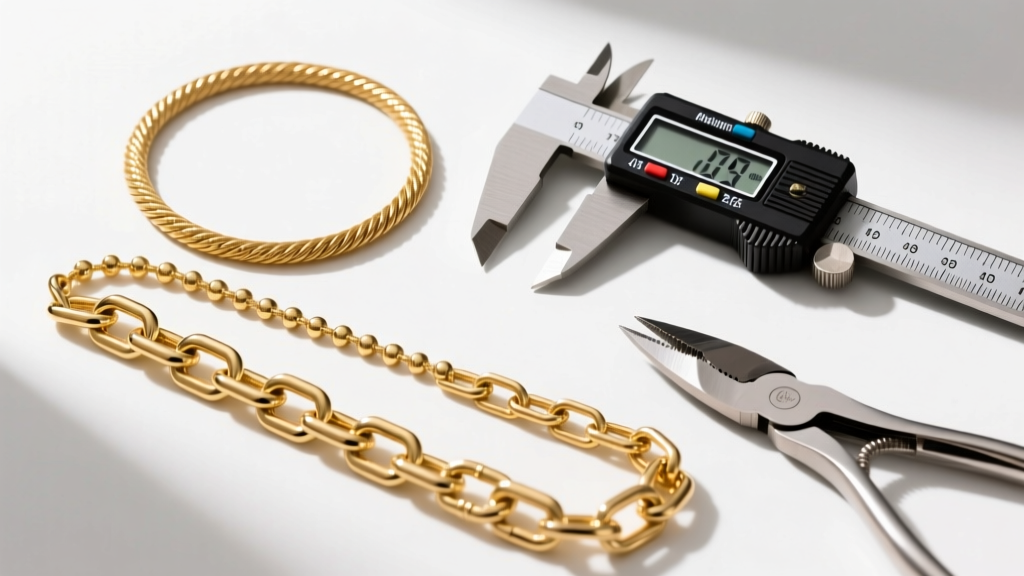
A critical mistake many beginner DIYers make when attempting this trend is trying to micro-weld gold-filled chains to save money. Gold-filled wire consists of a brass core bonded with a thin outer layer of karat gold. When a pulse arc welder hits gold-filled metal, the intense, localized heat instantly vaporizes the outer gold layer, exposing the brass and resulting in an ugly, oxidized black joint that will inevitably snap. To achieve the authentic Dells permanent jewelry look, you must source solid 14k or 18k gold chains and jump rings from reputable suppliers like Rio Grande or Stuller.
| Material Grade | Wholesale Cost (per ft) | Weldability | Longevity & Notes |
|---|---|---|---|
| Solid 14k Gold | $18 - $24 | Excellent | Lifetime durability; ideal for everyday wear and micro-welding. |
| Solid 18k Gold | $28 - $35 | Excellent (Lower Ws) | Rich color but softer; requires reduced energy settings to prevent melting. |
| 14k Gold-Filled | $4 - $7 | Poor / Unusable | Brass core burns and oxidizes; welds will fail and tarnish quickly. |
The DIY Micro-Welding Setup: Tools & Safety
To replicate the seamless welds seen in top-tier studios, you need a pulse arc welder. Budget-friendly options like the Orion 150e or entry-level models from Sunstone Welders are perfect for home studios. These machines use a capacitor discharge to create a pinpoint spark, fusing the metal without generating enough heat to burn the client's skin. However, working with 0.9mm chains requires strict adherence to safety and preparation protocols.
Electrode Sharpening and Argon Gas
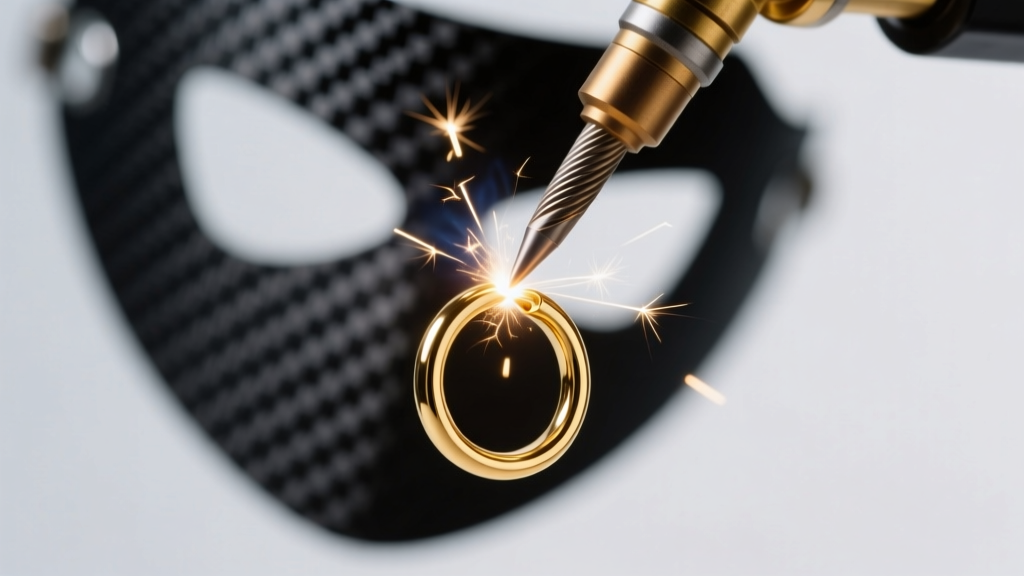
Your tungsten electrode is the tip of your welding tool. For the Dells aesthetic, you must sharpen your electrode to a needle-like point using a diamond file. A blunt electrode causes a wider, more diffuse spark, which will instantly melt delicate micro-links into a ball of scrap gold. Furthermore, you must use argon gas shielding. Set your argon flow rate to 3 to 5 Cubic Feet per Hour (CFH). The argon displaces oxygen around the weld zone, preventing the gold joint from oxidizing and turning black upon cooling.
Pulse Arc Welder Parameters for Fine Chains
Dialing in your energy settings is crucial for success. For a 1.0mm solid 14k yellow gold cable chain and a 20-gauge jump ring, set your welder to approximately 15 to 18 Watt-seconds (Ws). If you are working with 18k gold, which has a lower melting point due to its higher pure gold content, drop the energy to 12 to 14 Ws. Always test your settings on a scrap piece of the exact same chain before welding on a person.
2026 Trend Forecast: Charms, Layers, and Invisible Clasps
As we move through 2026, the Dells aesthetic is evolving from single, plain chains to highly curated, layered compositions. The current trend involves stacking two or three micro-chains of varying lengths (e.g., 6.5 inches and 7.0 inches) and welding them to a single, shared jump ring. This creates a cohesive, multi-dimensional look that moves beautifully with the body.
Additionally, micro-bezel-set gemstone charms are replacing bulky pendants. Stones like 2mm to 3mm lab-grown diamonds, Montana sapphires, or salt-and-pepper diamonds are being welded directly into the chain links. DIYers are achieving this by opening a single link of the micro-cable chain, threading the charm's micro-ring, and welding it shut, ensuring the charm sits flush against the chain rather than dangling from an oversized jump ring.
Safety and Client Preparation
While pulse arc welders are safe when used correctly, the Dells aesthetic's reliance on ultra-fine chains means the weld point is incredibly close to the skin. Always use a thick leather welding patch with a small slit cut into it. Slide the chain through the slit so the leather rests flat against the client's wrist, protecting them from the UV flash and any microscopic metal spatter. Ensure the client's skin is completely dry, as moisture can interfere with the copper grounding paddle and cause a weak weld.
Troubleshooting Common Weld Failures
Even with the right tools, fine chains are notoriously unforgiving. Understanding how to troubleshoot on the fly is what separates amateurs from professionals in the permanent jewelry space.
Burn-Throughs and Weak Links
A "burn-through" occurs when your energy setting is too high, completely vaporizing the fine wire of the chain link instead of fusing it. If you melt through a 0.9mm chain, do not attempt to pile more gold onto the gap. You must use precision flush cutters to remove the damaged section and start with a fresh jump ring. Conversely, a "weak link" happens when the energy is too low, causing the metals to stick together superficially without achieving a molecular bond. The joint will snap under light tension. Always perform a "pull test" on your welded jump ring by gently tugging it with your fingers before finishing the piece.
Dealing with Porosity
If your weld joint looks bubbly or porous, it is usually a sign of contamination. Oils from your fingers, lotion on the client's skin, or dust in the chain links can cause gas pockets during the weld. Always wipe the chain and jump ring with a lint-free cloth soaked in 99% isopropyl alcohol before placing it on the grounding paddle. Clean metal is non-negotiable for the flawless Dells permanent jewelry finish.
Conclusion
Mastering the Dells permanent jewelry aesthetic requires patience, precision, and a commitment to high-quality materials. By investing in solid gold micro-chains, maintaining your tungsten electrode, and fine-tuning your pulse arc welding parameters, you can produce studio-quality, minimalist pieces that align perfectly with 2026's most coveted jewelry trends. Whether you are building a home-based business or simply crafting for friends, the pursuit of the perfect micro-weld is a highly rewarding endeavor.


