Plymouth Permanent Jewelry: Chain Material Comparison
Compare metallurgical properties, welding parameters, and costs of 14k GF, solid gold, and steel for Plymouth permanent jewelry.

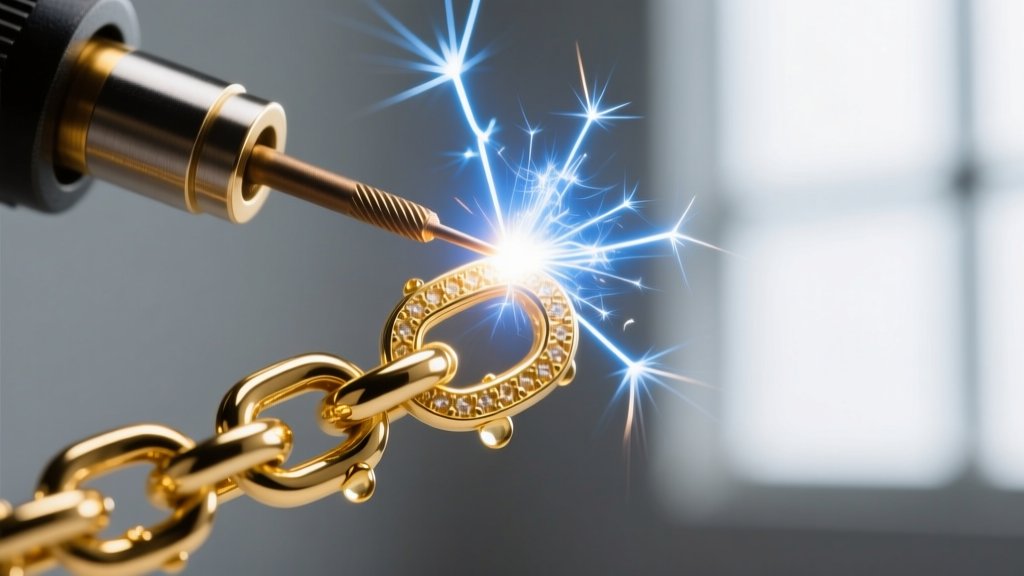
The Metallurgy of Plymouth-Style Links
In the rapidly evolving landscape of permanent jewelry, the 'Plymouth' chain style has emerged as a favorite among both DIY hobbyists and professional welders. Characterized by its flattened, interlocking curb-like geometry, Plymouth links offer a broad, flush surface area that lays comfortably against the skin. More importantly for the maker, this flat link structure provides an ideal, wide surface for micro-TIG or pulse arc welding. However, the unique thermal dissipation properties of these flat links mean that your choice of metal dictates not just the aesthetic and price point, but the exact welding parameters required to achieve a secure, burr-free closure.
When sourcing materials for Plymouth permanent jewelry, makers are generally choosing between three primary metals: 14/20 Gold Filled (GF), Solid 14k Gold, and 316L Stainless Steel. Each material possesses distinct metallurgical profiles, melting points, and thermal conductivities that fundamentally alter how they behave under the intense, localized heat of a pulse arc welder. Understanding these properties is the difference between a seamless, lifelong weld and a blown-out link that exposes base metals to the wearer's skin.
Core Material Breakdown: GF vs. Solid vs. Steel
14/20 Gold Filled (GF): The Industry Workhorse
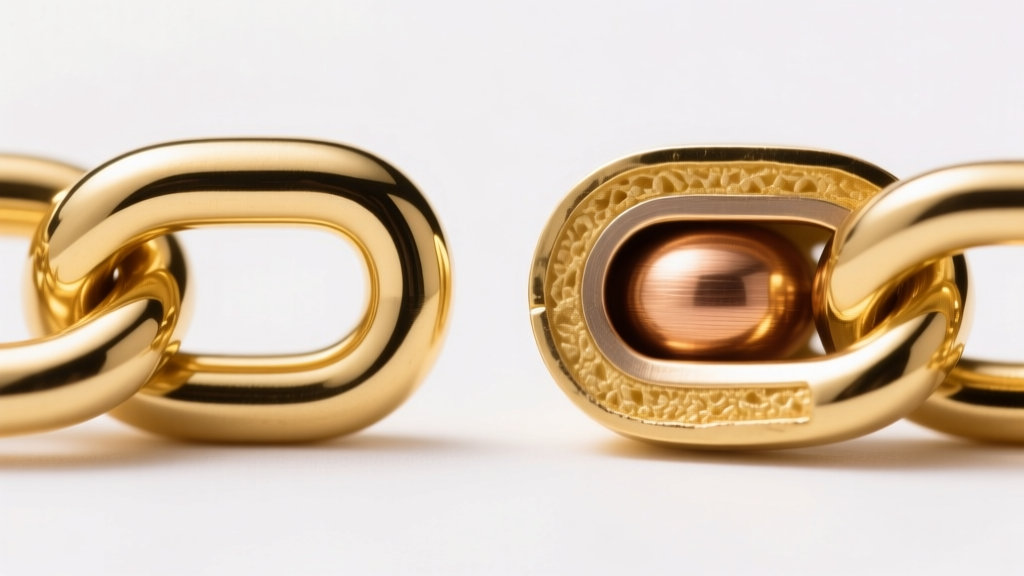
Gold filled wire and chain are created by mechanically bonding a layer of 14k gold to a jeweler's brass core using heat and pressure. By federal trade standards, the gold layer must constitute at least 1/20th (5%) of the total weight of the item. For Plymouth permanent jewelry, 14/20 GF is the undisputed volume leader due to its accessible price point and rich color. However, the brass core (an alloy of copper and zinc) presents a unique welding challenge. Brass has a lower melting point (~900°C) and higher thermal conductivity than many gold alloys. If a welder applies too much energy, the outer gold layer vaporizes, exposing the brass core. This not only creates an unsightly dark spot at the weld seam but guarantees the wearer will experience rapid oxidation and skin greening at the closure point.
Solid 14k Gold: The Premium Standard
Solid 14k gold consists of 58.5% pure gold, alloyed with metals like copper, silver, and zinc to increase tensile strength. According to Rio Grande's metallurgy guides, the specific alloy mix (yellow, rose, or white) shifts the melting range slightly, but it generally sits between 815°C and 870°C. Because solid gold is homogeneous throughout, welders do not have to worry about 'blowing through' an outer layer to reveal a base metal. The weld seam can be polished or re-fused without compromising the integrity or color of the chain. For high-end Plymouth permanent jewelry clients, solid 14k gold offers unparalleled longevity and hypoallergenic security, though the material cost requires a significant upfront investment for the maker.
316L Stainless Steel: The Budget Alternative
316L surgical stainless steel is an iron-based alloy containing 16-18% chromium, 10-14% nickel, and 2-3% molybdenum. The 'L' denotes low carbon, which improves corrosion resistance. While it is incredibly strong and highly resistant to tarnish, it is notoriously difficult to weld with standard micro-TIG setups designed for precious metals. Steel requires significantly higher energy pulses and often results in brittle weld zones if not cooled properly. Furthermore, the 10% nickel content makes it a liability for clients with contact dermatitis, limiting its use in premium permanent jewelry studios.
Thermal Properties & Micro-Welding Parameters
The success of any Plymouth permanent jewelry installation hinges on the welder's ability to match the pulse energy (measured in Watt-seconds or Joules) to the metal's thermal conductivity and mass. Flat Plymouth links absorb and distribute heat differently than round cable chains, requiring precise calibration. Below is a comparative framework for dialing in your pulse arc welder (such as the Orion or PUK systems) when working with standard 1.2mm to 1.5mm Plymouth chains.
| Material | Melting Range (°C) | Thermal Conductivity | Recommended Pulse (Ws) | Avg Cost / Inch (2026) |
|---|---|---|---|---|
| 14/20 Gold Filled | 890 - 920°C | High (Brass Core) | 15 - 22 Ws | $1.50 - $2.80 |
| Solid 14k Yellow Gold | 815 - 870°C | Moderate | 25 - 35 Ws | $18.00 - $26.00 |
| 316L Stainless Steel | 1370 - 1400°C | Low | 40 - 55 Ws | $0.40 - $0.90 |
Expert Troubleshooting: When welding 14/20 GF Plymouth chains, always use a slightly lower energy setting and a longer pulse duration if your machine allows it. A high-energy, short-duration pulse will instantly vaporize the gold layer. Conversely, solid 14k gold requires a sharper, more energetic pulse to penetrate the homogeneous alloy and create a deep, structural fusion rather than a superficial surface tack.
Tarnish, Reactivity, and Long-Term Wear
Because permanent jewelry is designed to be worn continuously through showers, swimming, and sleep, the chemical reactivity of the chosen material is paramount.
Maker's Note on Allergies: Never use standard sterling silver (925) for permanent jewelry closures. The 7.5% copper content oxidizes rapidly when exposed to sweat and chlorine, leading to black, flaky weld seams. If you must offer a silver-toned option, source Argentium 935 silver, which replaces copper with germanium for extreme tarnish resistance, though its high thermal conductivity makes welding Plymouth links exceptionally difficult without a copper heat-sink tweezer.
Solid 14k gold is entirely immune to the chlorine and sulfur compounds found in tap water and hot tubs. 14/20 Gold Filled will perform identically to solid gold as long as the outer layer remains intact; however, mechanical abrasion over 5 to 10 years can eventually wear through the gold layer on high-friction areas like the wrist. 316L Stainless Steel will not tarnish, but the continuous leaching of nickel ions in a wet environment can trigger late-onset contact dermatitis in sensitive individuals.
Sourcing and Cost Analysis for 2026
The wholesale landscape for permanent jewelry supplies has shifted dramatically. When sourcing Plymouth-style chains, makers must balance the cost of goods sold (COGS) with their target demographic's expectations. According to Stuller's metal sourcing data, the spot price of gold continues to pressure the margins of solid 14k inventory, pushing many DIY makers and boutique studios to heavily index on 14/20 GF.
- For Pop-Up Events & Markets: Stock 80% 14/20 Gold Filled Plymouth chain. The $1.50-$2.80 per inch COGS allows you to price finished bracelets between $45 and $75, maintaining a healthy 70%+ profit margin while offering a premium look.
- For Private Studio Appointments: Keep a curated selection of Solid 14k Gold. Clients booking private, high-ticket appointments expect solid gold options. Pricing these installations between $150 and $250+ justifies the $20+ per inch material cost.
- For Men's or Heavy-Duty Lines: Consider Tungsten Carbide or heavy-gauge 316L Steel Plymouth chains, but ensure you have a high-capacity welder (like the Sunstone Welders Orion mPulse) capable of delivering the 50+ Ws required to fuse steel without brittle fracturing.
Final Verdict for DIY Welders
Mastering Plymouth permanent jewelry requires respecting the metallurgy of your materials. The flat, broad links of the Plymouth style are forgiving in terms of alignment, but unforgiving if you misjudge your thermal input. Start your practice sessions on 14/20 Gold Filled scrap, meticulously documenting your pulse settings, electrode gap, and argon gas flow rates. Once you can consistently weld GF without exposing the brass core, you will have the foundational control necessary to scale into solid gold and alternative metals, ensuring every piece you create is built to last a lifetime.