Wire Bead Jewelry Making on a Budget: Cost & Value Guide
Discover the true costs of wire bead jewelry making. We break down tool, wire, and bead budgets to help you maximize value without sacrificing quality.

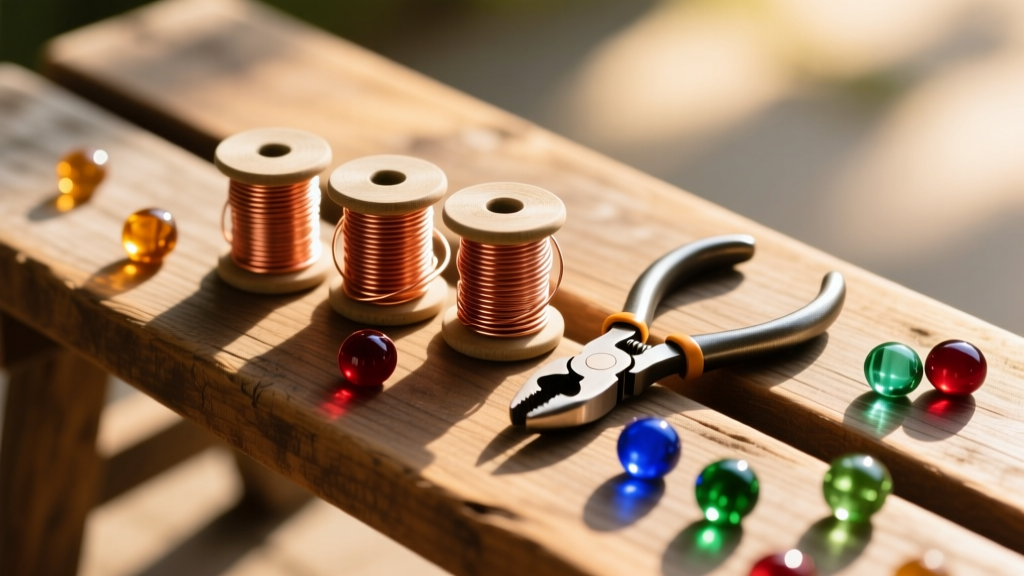
The Hidden Economics of Wire Bead Jewelry Making
Entering the world of wire bead jewelry making is often romanticized as a low-cost hobby, but the financial reality can quickly spiral if you lack a strategic sourcing plan. In 2026, the disparity between budget-tier and professional-grade jewelry supplies is wider than ever. While it is entirely possible to launch a high-quality DIY jewelry practice for under $150, doing so requires a ruthless assessment of cost-per-piece (CPP) and an understanding of where material compromises lead to structural failure. This guide strips away the guesswork, providing a hard-data assessment of tools, wire metallurgy, and bead sourcing to ensure your budget yields maximum aesthetic and structural value.
Tier 1: The Essential Tool Kit Investment
The most common mistake beginners make in wire bead jewelry making is purchasing a $15 multi-tool kit from a big-box craft store. These tools are typically stamped from soft, low-carbon steel that dulls rapidly and misaligns at the jaws. When your chain-nose pliers develop a gap, you will crush soft wire and scratch delicate beads. Investing in mid-tier, ergonomic tools upfront actually saves money by reducing material waste and hand fatigue.
| Tool Type | Budget Tier ($8-$15) | Mid-Tier Value ($20-$35) | Pro Tier ($50-$75) |
|---|---|---|---|
| Flush Cutters | Bevels wire, leaves sharp pigtails | 90% flush cut, good for copper | 100% flat cut, essential for silver |
| Chain-Nose Pliers | Serrated jaws, scratches metal | Smooth jaws, box-joint stability | Hardened steel, zero jaw flex |
| Round-Nose Pliers | Uneven taper, inconsistent loops | Stepped taper for uniform loops | Precision milled, ergonomic grip |
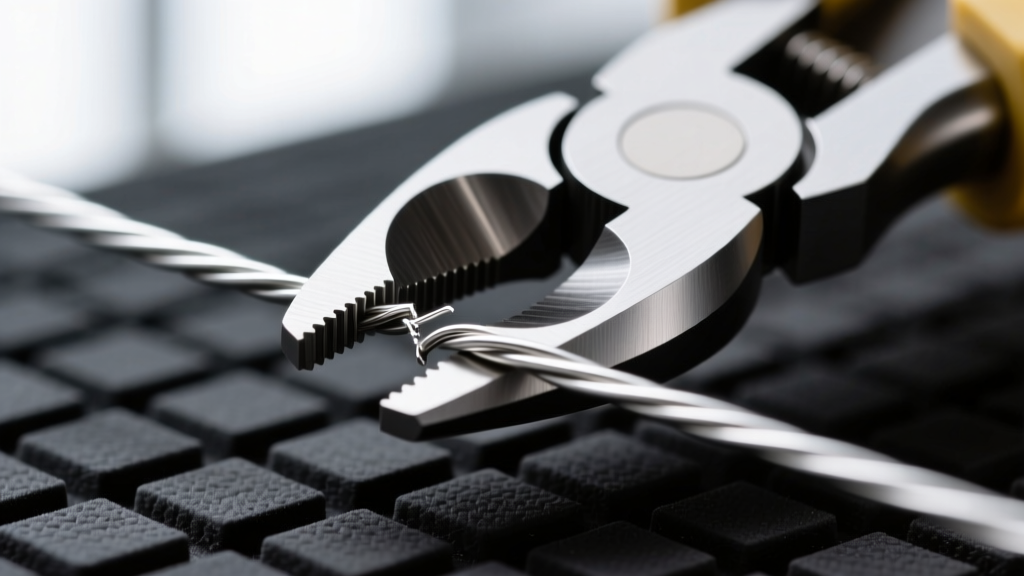
For the ultimate value, look to brands like Wubbers USA. Their mid-tier tools offer 80% of the performance of premium Swedish brands like Lindstrom, but at half the cost. A critical failure mode to avoid: cheap flush cutters leave a sharp 'pigtail' on the cut wire. If you are wrapping soft gemstones like turquoise or opal, that pigtail will easily scratch the bead's surface, ruining a $5 stone to save $10 on a tool.
Tier 2: Sourcing Wire by Gauge and Material Grade
Wire is the structural backbone of your designs. The cost variance between base metals and precious metals is exponential, but so is the difference in work-hardening properties. In wire bead jewelry making, 20-gauge is your workhorse for ear wires and structural frames, while 24-gauge and 26-gauge are used for binding and weaving.
Expert Metallurgy Note: Always check the temper. 'Dead Soft' wire is annealed and bends easily, making it ideal for weaving, but it lacks the structural integrity to hold a clasp. 'Half-Hard' wire has been drawn through dies, giving it a springy memory that is mandatory for ear wires and jump rings.
Budget vs. Premium Wire Breakdown
When sourcing from reputable suppliers like Rio Grande, you will notice distinct pricing tiers. Bare copper wire costs roughly $0.12 per foot, making it the undisputed king of practice and prototyping. However, bare copper oxidizes rapidly when exposed to the pH of human skin, turning green within weeks. To counter this, budget makers often use enamel-coated copper (like Artistic Wire's Tarnish Resistant line), which costs about $0.25 per foot. The trade-off? You cannot use liver of sulfur to apply an antique patina to enameled wire, limiting your design finishes.
If you want to transition to premium materials without buying solid gold, 14k Gold-Filled (GF) wire is the highest-value investment. At approximately $3.50 to $5.00 per foot (depending on market gold prices), it contains a thick, mechanically bonded layer of 14k gold over a brass core. Unlike gold-plated wire, which rubs off in months, 14k GF wire will last decades and can be aggressively polished and work-hardened without exposing the base metal.
Tier 3: Bead Sourcing Strategies for Maximum Yield
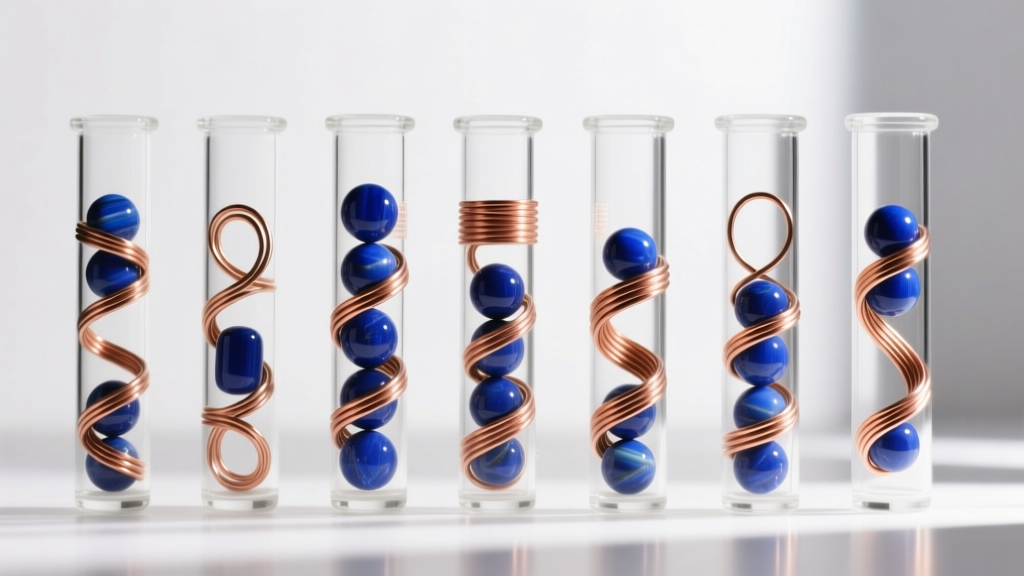
The bead market is flooded with misrepresented materials. To maintain a healthy profit margin or simply keep your hobby budget intact, you must understand the difference between 'strand pricing' and 'yield pricing'. A 15-inch strand of 8mm Chinese machine-cut crystal might cost $3.00, but up to 15% of the beads may have off-center drill holes or chipped edges. Conversely, a $6.00 strand of Czech fire-polished glass from Fire Mountain Gems offers near-perfect consistency, meaning your actual cost-per-usable-bead is often lower with the premium option.
When working with natural gemstones, avoid heavily dyed stones like 'candy jade' (dyed serpentine) or 'cherry quartz' (synthetic glass). These materials degrade under UV light and sweat. Instead, invest in untreated, semi-precious stones like natural amethyst, carnelian, or lapis lazuli. Buying 'B-grade' natural stones—which feature more natural inclusions and matrix—can cost 40% less than 'A-grade' stones while offering a more organic, earthy aesthetic that is highly trending in 2026 wire-wrapped designs.
Calculating Your Cost-Per-Piece (CPP) Framework
To truly master the budget aspect of wire bead jewelry making, you must track your CPP. This is not just the cost of materials; it is a comprehensive formula that ensures your time and tool depreciation are accounted for. Use this framework for every new design:
- Direct Materials: Cost of wire used (measured in inches) + cost of usable beads + cost of findings (ear wires, clasps).
- Waste Factor: Add 10% to your wire cost to account for off-cuts and practice wraps that end up in the scrap bin.
- Tool Amortization: Take the cost of your pliers and cutters, divide by 500 (the estimated number of pieces they will last before needing replacement or sharpening), and add that micro-cost (usually $0.05 to $0.10) per piece.
- Labor Rate: Assign yourself an hourly wage. If you want to make $25/hour and a wire-wrapped pendant takes 45 minutes, your labor CPP is $18.75.
By strictly adhering to this CPP framework, you eliminate the emotional pricing that plagues many DIY jewelry makers, ensuring that your budget assessments translate into sustainable, profitable, or at least financially neutral creative output.
Final Verdict: Where to Splurge and Where to Save
Successful wire bead jewelry making on a budget is an exercise in strategic allocation. Splurge on mid-tier, smooth-jaw pliers and high-quality 14k gold-filled or sterling silver wire for your final pieces. Save money by prototyping exclusively in 20-gauge dead soft copper and buying B-grade natural gemstones in bulk from wholesale distributors. By respecting the metallurgy of your wire and the true yield of your beads, you can produce heirloom-quality jewelry without the heirloom-level price tag.


