Permanent Jewelry Baltimore: 2026 Material & DIY Guide
Discover the best materials for permanent jewelry in Baltimore. Compare solid gold, argentium silver, and gold-filled for DIY pulse arc welding.

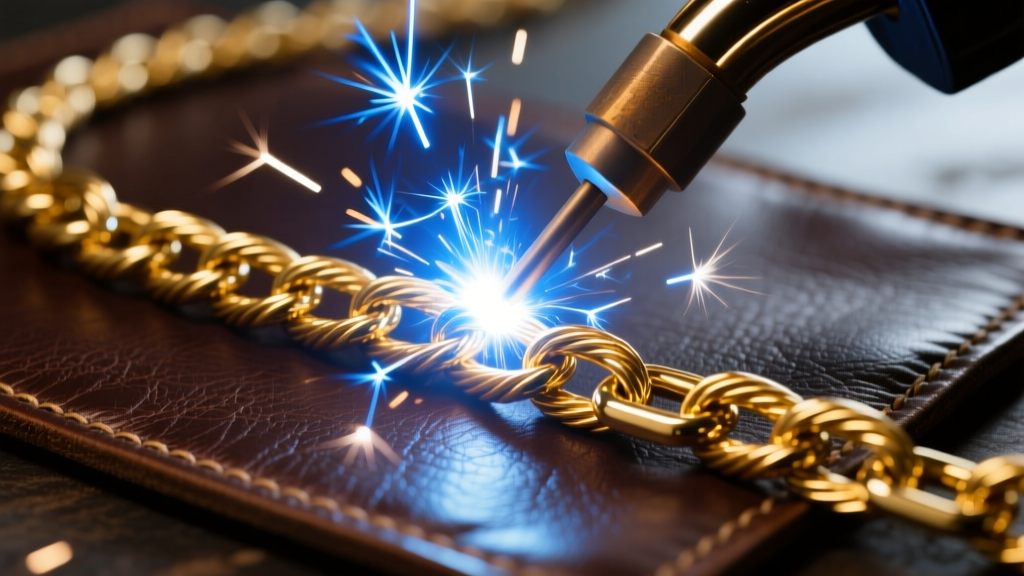
The Rise of Permanent Jewelry in Baltimore's DIY Scene
The DIY jewelry making community in Maryland has seen a massive shift toward welded, claspless accessories over the last few years. If you are exploring the world of permanent jewelry Baltimore pop-ups and maker spaces, you already know that the Mid-Atlantic climate and local market demand a higher standard of craftsmanship. Unlike traditional beading or wire wrapping, permanent jewelry relies on pulse arc welding to fuse metal links seamlessly. This process introduces intense, localized heat, meaning the metallurgical properties of your chosen materials will dictate the success or failure of your final piece.
For DIY enthusiasts setting up their first Orion pulse arc welder in a home studio or renting bench space in neighborhoods like Fells Point or Hampden, understanding material behavior is non-negotiable. The high summer humidity near the Inner Harbor accelerates oxidation, and the wrong metal choice will result in brittle welds, severe fire scale, or rapid tarnishing that damages your reputation. This guide breaks down the exact material properties, gauge requirements, and welding parameters you need to succeed in 2026.
Material Comparison: What Actually Welds Cleanly?
Not all precious metals respond equally to the electrical arc of a pulse welder. When the electrode strikes the metal, it creates a micro-plasma pool that melts the links together. Impurities, alloy compositions, and layered metals react differently to this thermal shock. Below is a comparative breakdown of the most common materials used by DIY permanent jewelers.
| Material | Melt Point | Weldability | Tarnish Resistance | Est. Cost/Ft |
|---|---|---|---|---|
| Solid 14k Gold | ~1550°F | Excellent | High | $18 - $28 |
| Argentium Silver | ~1650°F | Excellent | High | $5 - $8 |
| Standard Sterling | ~1640°F | Poor (Fire Scale) | Low | $3 - $5 |
| 14k Gold-Filled | ~1600°F | Difficult | Medium | $6 - $10 |
Solid 14k Gold: The Premium Standard
Solid 14k gold is the undisputed champion of permanent jewelry. Its alloy mix (typically 58.5% gold mixed with silver, copper, and zinc) provides a relatively low melting point and exceptional flow characteristics when hit with an electrical arc. When welding 14k yellow gold, the weld pool forms instantly and cools into a strong, malleable joint that rarely requires filing. For Baltimore makers catering to high-end clientele, offering solid 14k gold in 1.2mm to 1.5mm cable chains guarantees a lifetime piece that withstands the salty air of the Chesapeake Bay without degrading.
Argentium Silver: The Sterling Upgrade
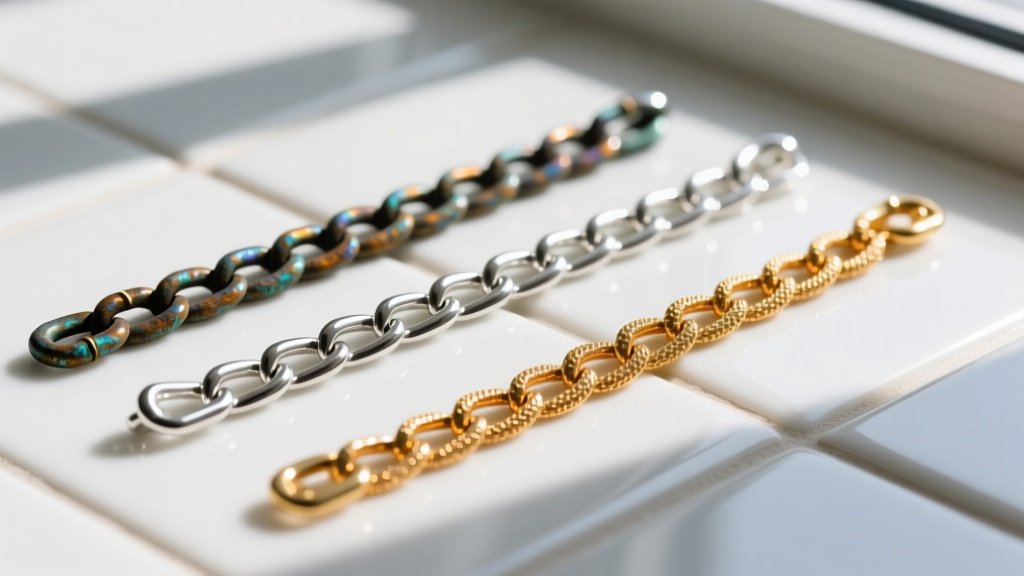
Standard sterling silver (92.5% silver, 7.5% copper) is notorious for developing fire scale—a dark, stubborn oxidation that blooms when the copper is exposed to heat and oxygen. In permanent jewelry welding, this results in ugly, brittle black marks at the weld site that require harsh chemical pickling to remove. Rio Grande and other major suppliers heavily recommend Argentium silver for welders. Argentium replaces some of the copper with germanium, which forms a transparent, self-healing oxide layer. This completely eliminates fire scale, allowing you to weld a bright, clean joint that requires zero post-weld cleanup.
14k Gold-Filled: The DIY Budget Trap
Gold-filled wire consists of a brass core mechanically bonded to a thick outer layer of 14k gold. While it looks like solid gold and is popular in traditional wire wrapping, it is notoriously difficult to weld. The brass core and the gold layer have vastly different thermal conductivity and melting points. If your pulse arc welder is set too high, you will burn through the gold layer, exposing the brass and creating a weak, discolored joint. If set too low, the joint won't fuse. If you must use gold-filled, keep your welder settings between 15 and 20 watts and use a micro-jig to hold the links perfectly flush.
Sourcing Supplies: Baltimore Makers vs. National Shippers
While Baltimore has a rich history of jewelry manufacturing, sourcing specialized permanent jewelry chains and welding supplies locally can be challenging for independent DIYers. Most successful local makers rely on national wholesale suppliers that offer rapid shipping to Maryland. Stuller remains an industry favorite for bulk solid 14k gold chains by the foot, offering consistent link thickness that is crucial for dialing in welder settings. For Argentium silver and specialized welding jigs, suppliers like Halstead Bead provide excellent inventory. When ordering, always request chains that are machine-cut rather than hand-soldered, as pre-existing solder joints can melt unpredictably when hit with your pulse arc.
Gauge Sizes and Chain Styles for Mid-Atlantic Wearers
Choosing the right chain profile is just as important as the metal itself. The physical geometry of the chain dictates how the electrical arc travels between the links.
- Cable Chain (1.2mm - 1.5mm): The absolute best choice for beginners. The uniform, oval links sit flat against each other, providing maximum surface area for the weld pool. Ideal for delicate bracelets.
- Curb Chain (1.8mm - 2.2mm): Excellent for anklets. The flattened, interlocking links require slightly higher wattage (around 30-35 watts on an Orion 100c) but result in an incredibly durable joint that survives the friction of wearing shoes.
- Figaro Chain: Requires advanced technique. The alternating long and short links mean you must adjust your welder's power output on the fly, or risk blowing a hole through the smaller links while under-welding the larger ones.
- Rope Chain: Avoid as a beginner. The twisted strands scatter the electrical arc, often resulting in superficial surface melts rather than deep structural fusions.
Troubleshooting Weld Failures in Humid Climates
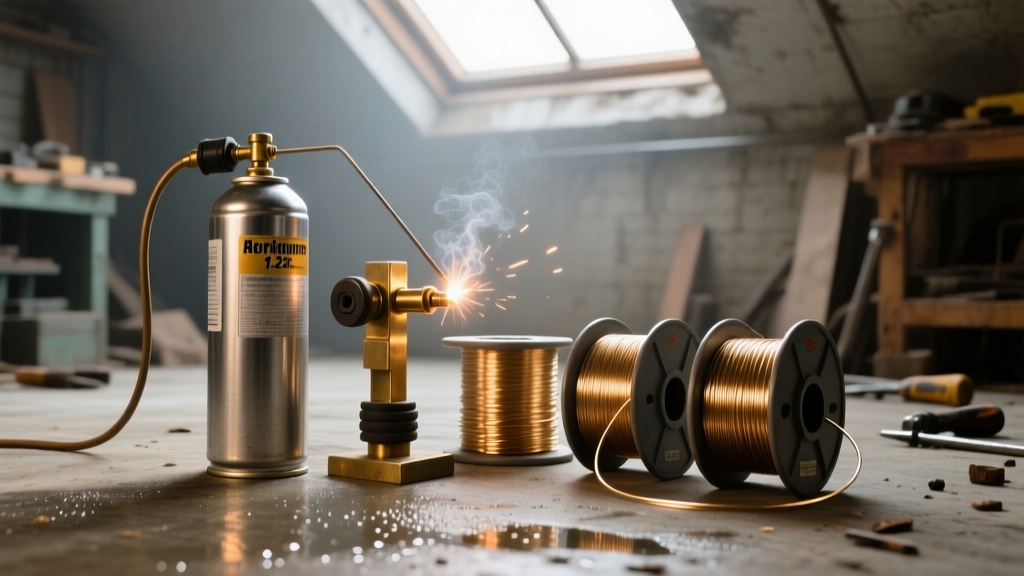
Baltimore's summer months bring oppressive humidity, which introduces microscopic moisture into your studio environment. When a pulse arc welder strikes, any ambient moisture trapped between the metal links instantly vaporizes, causing micro-explosions that pit the surface of the weld and weaken the joint. To combat this, professional and serious DIY permanent jewelers use argon shielding gas.
By attaching a small canister of pure argon to your welder's torch and setting the flow rate to 2-3 Cubic Feet per Hour (CFH), you create an inert gas bubble around the weld site. The argon displaces the oxygen and moisture, ensuring a perfectly clean, bright weld every single time. If you are experiencing porous, brittle welds on your silver chains despite using correct wattage, ambient humidity is almost always the culprit. Investing in an argon setup is the single biggest upgrade a DIY maker can make to ensure their permanent jewelry survives the Maryland elements.
Final Thoughts for Baltimore DIY Welders
Mastering permanent jewelry requires a deep respect for material science. By prioritizing solid 14k gold and Argentium silver, avoiding the pitfalls of gold-filled wire, and utilizing argon gas to combat local humidity, you can produce professional-grade, claspless jewelry that stands the test of time. Whether you are hosting a pop-up in Canton or welding from your home studio, letting the properties of the metal guide your technique will ensure your DIY jewelry business thrives in 2026 and beyond.

