A Buyer's Guide to Sourcing Handmade Polynesian Jewelry Materials
Discover how to source authentic pounamu, paua shell, and bone for handmade Polynesian jewelry. Learn grading, pricing, and ethical buying tips.

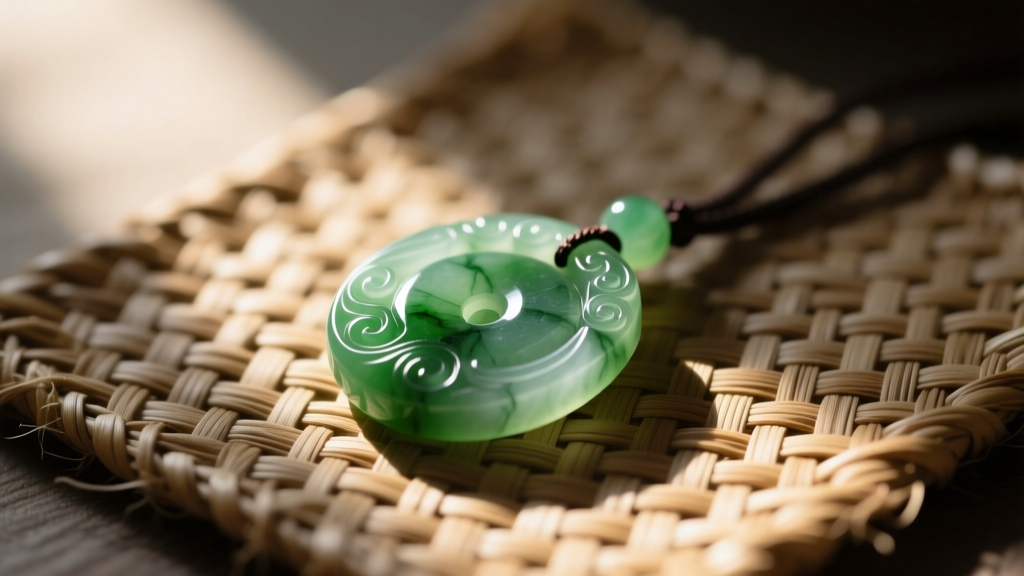
Understanding Authentic Pacific Islander Materials
Creating authentic handmade Polynesian jewelry requires more than just mastering carving techniques; it demands a deep respect for the materials and their cultural origins. Across the Pacific, from the Maori artisans of Aotearoa (New Zealand) to the bone carvers of Samoa and Tonga, jewelry is not merely decorative. It is a repository of genealogy, status, and spiritual protection. As of 2026, the global demand for indigenous-inspired designs has led to a flood of mass-produced, synthetic imitations. For the serious DIY maker, distinguishing between ethical, authentic raw materials and factory-made tourist trinkets is the first and most critical step in the sourcing process.
This buying guide focuses strictly on traditional materials—nephrite jade, marine shell, and ethically sourced bone—providing you with the lapidary specifications, grading systems, and pricing matrices needed to build a legitimate supply chain for your workbench.
Pounamu (Nephrite Jade): Grading and Sourcing
Pounamu, or New Zealand greenstone, is the cornerstone of Maori carving. Geologically, it is a form of nephrite jade, prized for its extreme toughness due to its interlocking fibrous crystal structure. Sourcing pounamu requires navigating strict legal and cultural frameworks. The Ngai Tahu iwi (tribe) holds legal guardianship over all pounamu in its natural state. Therefore, collecting raw stone from riverbeds is illegal. Makers must purchase pre-cut blanks from authorized lapidary suppliers who hold Ngai Tahu certification.
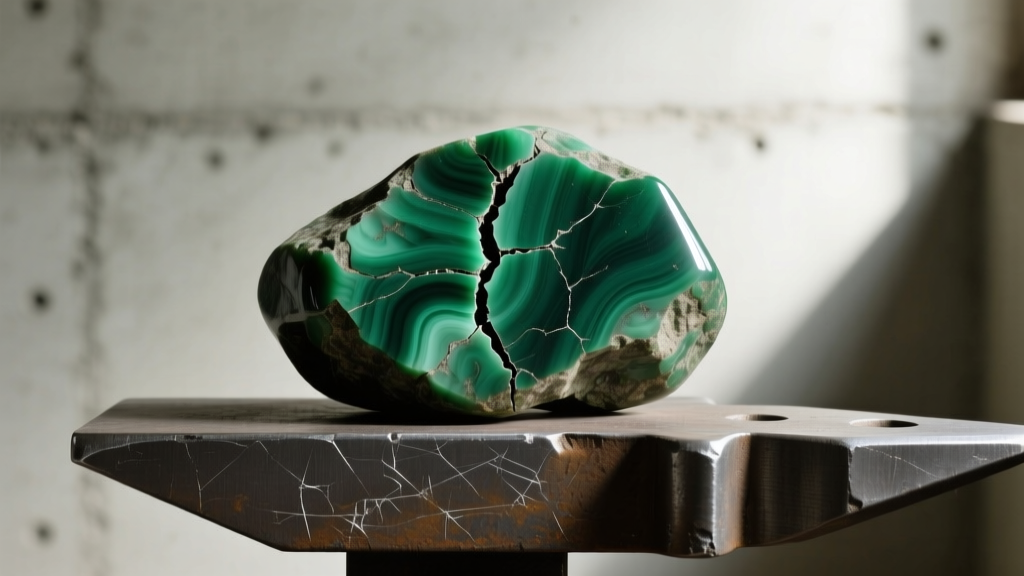
Traditional Pounamu Classifications
When buying blanks (typically sold in 5mm to 12mm thick slabs), you will encounter four primary traditional grades. Understanding these will dictate both your carving approach and your final retail pricing:
- Kawakawa: The most common and versatile carving stone. It ranges from deep forest green to near-black, often containing small black chromite inclusions. It is ideal for bold, high-relief carvings like the Hei Matau (fish hook) because it holds sharp edges without chipping.
- Kahurangi: Highly translucent, clear, and vibrant apple-green. It is the rarest and most expensive grade. Because of its high value, it is usually cut into thinner 3mm-5mm blanks and reserved for delicate, low-relief pendants.
- Inanga: Opaque and pale grey-green, resembling the color of whitebait (inanga). It has a softer, more matte appearance when polished and is highly prized for traditional Toki (adze) designs.
- Totara: A variegated stone with a brittle, oxidized outer crust. It is generally less expensive and used for larger, thicker pieces where the carver can cut away the degraded exterior to reach the sound stone inside.
For authoritative context on the cultural and geological significance of these classifications, the Te Ara Encyclopedia of New Zealand provides an exhaustive historical overview of pounamu sourcing and trade routes.
Ethical Bone and Shell Carving Blanks
Bone carving is ubiquitous across the Pacific Islands. Historically, whale bone and seal bone were utilized, but modern conservation laws and ethical standards dictate the use of alternative materials. Today, the gold standard for DIY makers is ethically sourced bovine bone, specifically the dense cortical bone of the cow femur.
Selecting and Preparing Bovine Bone
When purchasing bone blanks online or from butcher suppliers, you must look for degreased and sun-bleached femur slabs, cut to a minimum thickness of 4mm to 6mm. Avoid bones that have been treated with household chlorine bleach. Chlorine degrades the calcium phosphate matrix, leaving the bone chalky, brittle, and prone to micro-fractures during high-speed rotary carving. Properly prepared bone is whitened using prolonged hydrogen peroxide baths and natural UV exposure, resulting in a dense, ivory-like canvas that takes a glass-smooth polish up to 12,000 grit.
Paua Shell Sourcing
Paua (Haliotis iris) is endemic to New Zealand and is famous for its electrifying blues, greens, and purples. For jewelry making, raw, curved shell is nearly impossible to work with due to its brittleness and natural contour. You must source flattened paua. Suppliers achieve this by carefully heating the shell and pressing it under heavy weights, allowing it to cool flat without cracking the nacreous layers. Look for flattened pieces that are at least 2.5mm thick to allow for wet-sanding and polishing without burning through the delicate color layers.
Cordage: Waxed Cords and Traditional Braiding
A hand-carved pendant is only as good as the cord that holds it. Traditional Polynesian and Maori jewelry rarely utilizes metal clasps or chain. Instead, pieces are suspended on adjustable braided cords, symbolizing the unbroken connection between the wearer and their ancestors.
The traditional Maori material is muka (prepared flax fiber), which is incredibly strong but difficult to source outside of Aotearoa. For the modern maker, the accepted substitute is 1.5mm to 2.0mm waxed linen cord or high-quality micro-macrame polyester. Waxed linen provides the organic, matte texture that mimics natural plant fibers, while the wax coating prevents fraying and allows for tight, friction-based sliding knots (such as the square knot slider or the Josephine knot). Avoid cheap nylon cords, which melt easily when tied with friction knots and possess an artificial shine that detracts from organic stone and bone.
Material Comparison and Pricing Matrix
Below is a 2026 market snapshot of raw material costs and physical properties to help you plan your production budget and tooling requirements.
| Material | Mohs Hardness | Optimal Blank Thickness | Avg. Price (USD) | Best Tooling |
|---|---|---|---|---|
| Kawakawa Pounamu | 6.0 - 6.5 | 6mm - 10mm | $40 - $80 / 100g slab | Sintered diamond burrs, diamond saw |
| Bovine Bone (Femur) | 2.5 - 3.0 | 4mm - 6mm | $5 - $12 / blank | Carbide burrs, steel needle files |
| Flattened Paua Shell | 2.5 - 3.5 | 2.5mm - 4mm | $15 - $30 / 100g | Diamond files, wet sandpaper |
| Waxed Linen Cord | N/A | 1.5mm diameter | $8 / 50m spool | Scissors, lighter (for sealing ends) |
Identifying Synthetic Imitations
The market is saturated with fake 'tribal' jewelry materials. As a maker, buying counterfeit materials will ruin your reputation. Here is how to verify your supplies:
- The Thermal Test: Nephrite jade and bone are excellent heat sinks. When pressed against the cheek or lower lip, authentic pounamu and bone will feel distinctly cold and take several seconds to warm to body temperature. Resin or plastic imitations will feel room-temperature immediately.
- The Scratch Test: According to the Gemological Institute of America (GIA), nephrite has a Mohs hardness of 6.0 to 6.5. A standard steel carving tool (Mohs 5.5) should not easily scratch authentic pounamu. If a steel file bites deeply into your 'greenstone,' you have likely purchased dyed serpentine ('New Jade') or Aventurine quartz.
- Shell Veneers: Inspect the edges of paua shell blanks. Authentic flattened shell will show a solid cross-section of nacre. Imitations are often 'sandwiches' consisting of a microscopic layer of dyed shell veneer glued over a block of black resin or plastic.
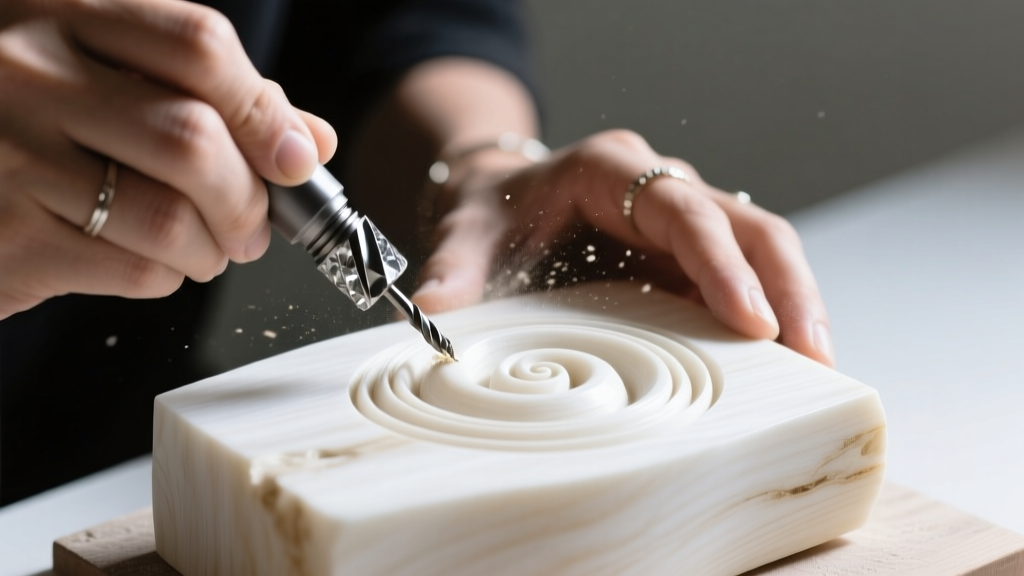
Lapidary and Carving Tool Requirements
Working with Pacific Islander materials requires specific tooling to prevent thermal shock and material degradation. Pounamu is incredibly tough but sensitive to rapid temperature changes. You must use a continuous water drip or work in a wet-bath when using a diamond saw or high-speed rotary tool to cut and shape the stone. Dry-cutting nephrite will cause micro-fractures and glaze your diamond bits instantly.
For bone and shell, heat is the enemy. High-speed friction will scorch bone, turning it an unappealing burnt yellow and releasing a foul odor. Use low-RPM flex shafts (under 10,000 RPM) with aggressive carbide or ruby-cut burs to remove material quickly without generating excess heat. Finishing requires a progressive wet-sanding regimen: 400, 800, 1200, and 3000 grit silicon carbide paper, followed by a final polish using cerium oxide or diamond paste on a felt bob.
Final Sourcing Checklist for Makers
Before finalizing your next supply order, run through this quick E-E-A-T verification checklist:
- Provenance: Does the pounamu supplier explicitly state their Ngai Tahu authorization or provide a certificate of authenticity?
- Preparation: Are the bone blanks guaranteed peroxide-bleached and ammonia-degreased, rather than chlorine-treated?
- Dimensions: Are the shell and stone blanks thick enough (minimum 4mm for bone/stone, 2.5mm for shell) to withstand the carving and sanding process?
- Hardware: Have you eliminated metal clasps from your design in favor of traditional friction-based sliding knots using waxed natural fibers?
By adhering to these strict sourcing parameters, you ensure that your handmade Polynesian jewelry not only captures the visual essence of Pacific artistry but also honors the physical and cultural integrity of the materials themselves.


