Troubleshooting Permalinx Permanent Jewelry Link Failures
Fix common Permalinx permanent jewelry issues. Learn to troubleshoot link failures, chain tarnishing, and skin reactions with expert DIY repair tips.

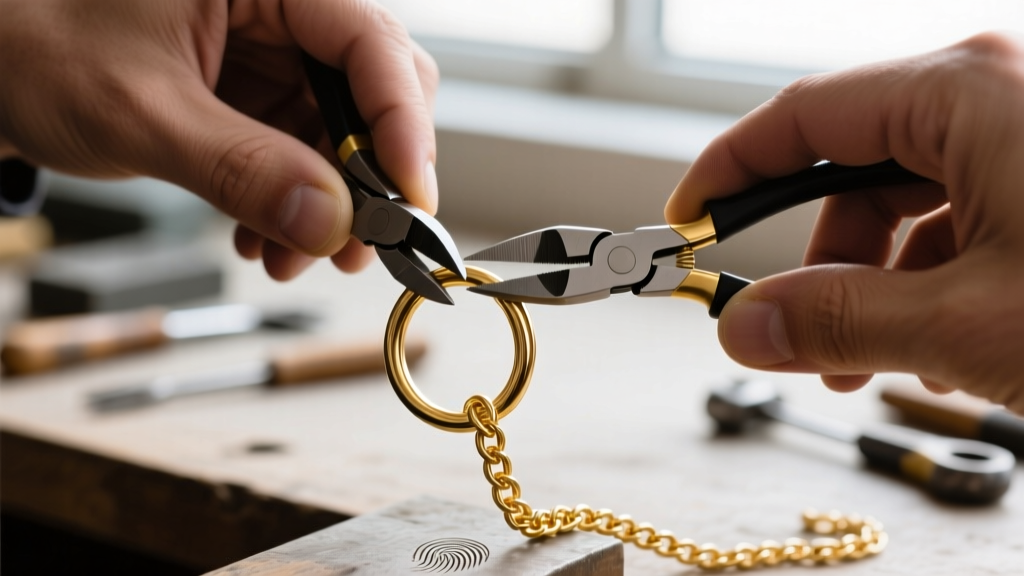
The Architecture of Permalinx Systems and Common Failures
Permalinx permanent jewelry has established a reputation for precision-machined chains and high-quality alloy compositions. However, even premium chains are susceptible to mechanical stress, environmental degradation, and improper linking techniques. Whether you are micro-welding or using mechanical jump rings, troubleshooting requires a deep understanding of metallurgy and chain geometry. The most frequent issues reported by DIY jewelers and studio owners include jump ring separation, micro-knot tangling, and localized oxidation at the weld site. In this guide, we will dissect these failure modes and provide actionable, technically precise solutions to restore the integrity of your Permalinx pieces.
Diagnosing Jump Ring and Link Separation
When a Permalinx chain detaches, the failure almost always occurs at the connecting jump ring rather than the factory-soldered chain links. Understanding why this happens requires examining the kerf (the cut line) and the temper (hardness) of the jump ring wire.
The Gauge and Hardness Mismatch
A common mistake in permanent jewelry assembly is selecting the wrong wire temper for the linking method. If you are mechanically closing jump rings with pliers, you must use half-hard wire. Dead-soft wire will easily pull apart under the tensile stress of daily wear. Conversely, if you are using a pulse-arc micro welder, dead-soft wire is preferred because its relaxed crystalline structure melts more evenly, creating a stronger, less porous weld pool.
Furthermore, the cut of the jump ring dictates the strength of the weld. Standard bevel-cut wire leaves a V-shaped gap when the ring is closed. This gap requires excessive heat to bridge, often resulting in a brittle weld that snaps under pressure. Always use precision flush cutters, such as the Tronex 50105 Standard Oval Head Flush Cutter, to create a perfectly flat kerf. When the two flat ends meet, the electrical current from the welder arcs cleanly across the seam, fusing the metal without the need for filler.
Tackling Chain Tangling and Micro-Knots
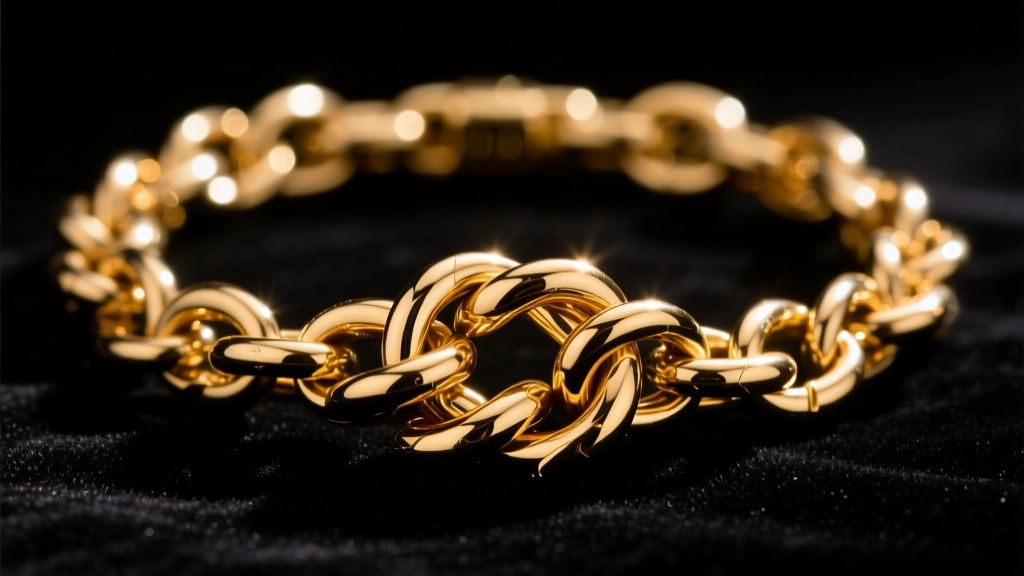
Fine Permalinx chains, particularly the 1.2mm cable and delicate rope weaves, are notorious for developing micro-knots. These tangles often occur when the jewelry is removed for medical procedures or when the wearer sleeps with the piece. Pulling on a micro-knot will work-harden the metal at the stress point, eventually causing the link to snap.
The Powder and Probe Method
To safely untangle a Permalinx chain without compromising the structural integrity of the links, avoid using oils or liquid lubricants, which can trap dirt and degrade the metal's finish over time. Instead, use the dry powder method:
- Apply Talc-Free Powder: Dust the tangled section with a small amount of talc-free baby powder or powdered graphite. This reduces the friction coefficient between the microscopic gaps in the links.
- Use a Tungsten Needle Probe: Do not use standard sewing needles, as they are too thick and can warp the links. Use a 0.15mm tungsten carbide scribe or a specialized jewelry untangling tool to gently tease the center of the knot loose.
- Work from the Outside In: Never pull the ends of the chain. Instead, loosen the outermost loops of the knot, gradually working your way to the tightest center point.
Material Reactions: Oxidation and Skin Sensitivities
One of the most alarming issues for clients is a sudden green or black discoloration on the skin, or localized tarnishing right at the weld site. This is rarely an allergy and almost always a metallurgical reaction related to the chain's core material or the heat-affected zone (HAZ) of the weld.
| Material Grade | Core Composition | Welding Energy (Joules) | Common Failure Mode |
|---|---|---|---|
| 316L Surgical Steel | Solid Iron/Chromium Alloy | 25 - 35J | Chromium oxidation (dark spot) if argon gas is not used. |
| 14k Gold-Filled | Jeweler's Brass Core | 15 - 20J | Brass exposure due to excessive heat, causing green skin reaction. |
| Solid 14k Gold | Gold/Copper/Silver Alloy | 20 - 30J | Porosity in the weld if the alloy contains high zinc or cadmium. |
When working with 14k gold-filled Permalinx chains, the gold layer is mechanically bonded to a brass core. If your micro-welder is set to too high a voltage, the intense heat will vaporize the thin outer gold layer at the weld seam, exposing the brass underneath. When brass reacts with the salts and acids in human sweat, it produces copper chloride, which stains the skin green. Always start with the lowest possible energy setting and test on a scrap piece of the exact same chain batch.
Step-by-Step Repair Protocol for Broken Permalinx Links
When a link fails, your repair methodology must ensure the adjacent factory links are not compromised by heat or mechanical stress. According to techniques outlined by Jewelry Making Daily, isolating the heat-affected zone is critical for permanent jewelry repairs.
- Isolate the Break: Use a pair of chain-nose pliers to gently open the two jump rings immediately adjacent to the broken section. Remove the damaged segment entirely.
- Protect the Chain: If you are micro-welding the new jump ring, slide a piece of thermal shielding tape or a copper heat-sink clip onto the adjacent chain links. This prevents the electrical current from arcing to the factory links and melting them.
- Prepare the New Link: Cut a fresh piece of dead-soft wire matching the exact gauge of the original jump ring (typically 18-gauge or 20-gauge for Permalinx bracelets). Close it flush.
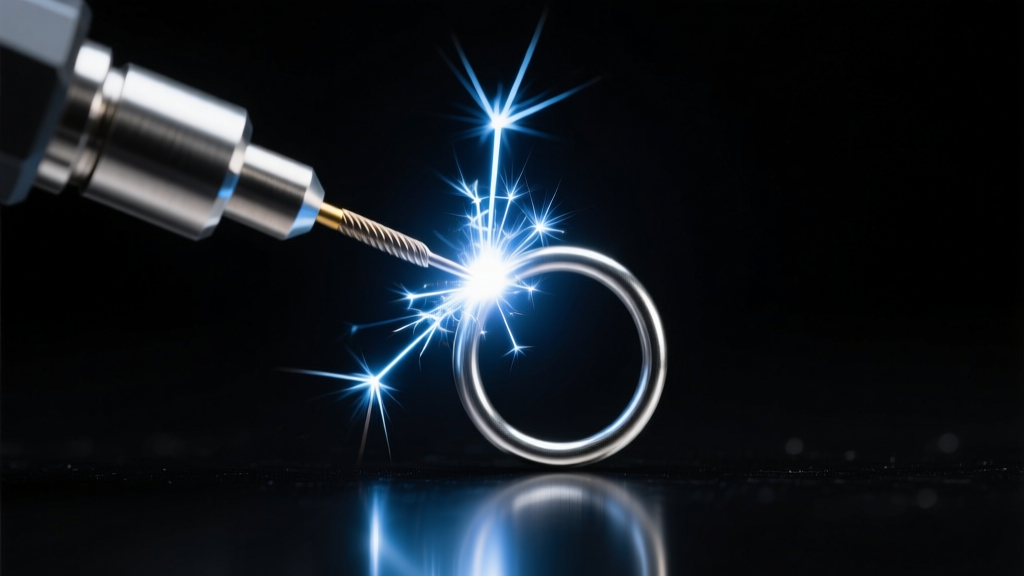
- Execute the Weld: Position the tungsten electrode exactly 1mm above the seam. Pulse the welder. The flash should be bright white; a blue or green flash indicates contamination or incorrect alloy settings.
- Pickle and Polish: Quench the welded area in a warm citric acid pickle solution to remove oxidation, then lightly buff the seam with a micro-mesh pad to restore the mirror finish.
Preventative Maintenance for Longevity
The lifespan of Permalinx permanent jewelry is heavily dependent on client aftercare and environmental exposure. Chlorine in swimming pools and hot tubs is highly corrosive to the copper and zinc alloys found in gold-filled and lower-karat solid gold chains. Advise clients to rinse their jewelry with fresh water and mild soap immediately after exposure to chlorinated or salt water.
Expert Insight: Work-hardening is the silent killer of permanent jewelry. Every time a client bends, twists, or pulls on a chain, the metal's crystalline structure compresses, making it brittle. Educate your clients on the tensile limits of their specific chain weave to prevent catastrophic snap failures.
By mastering the metallurgy of your materials and refining your flush-cutting and micro-welding techniques, you can drastically reduce the failure rate of your Permalinx permanent jewelry installations. Precision in the studio translates directly to durability on the wrist.


