Where to Find Beads for Sale: Wholesale Bulk Jewelry Making Guide
Discover where to source high-quality beads for sale wholesale bulk jewelry making. Learn material grades, hole sizes, and supplier red flags.

The Economics of Sourcing: Retail vs. Wholesale Bulk
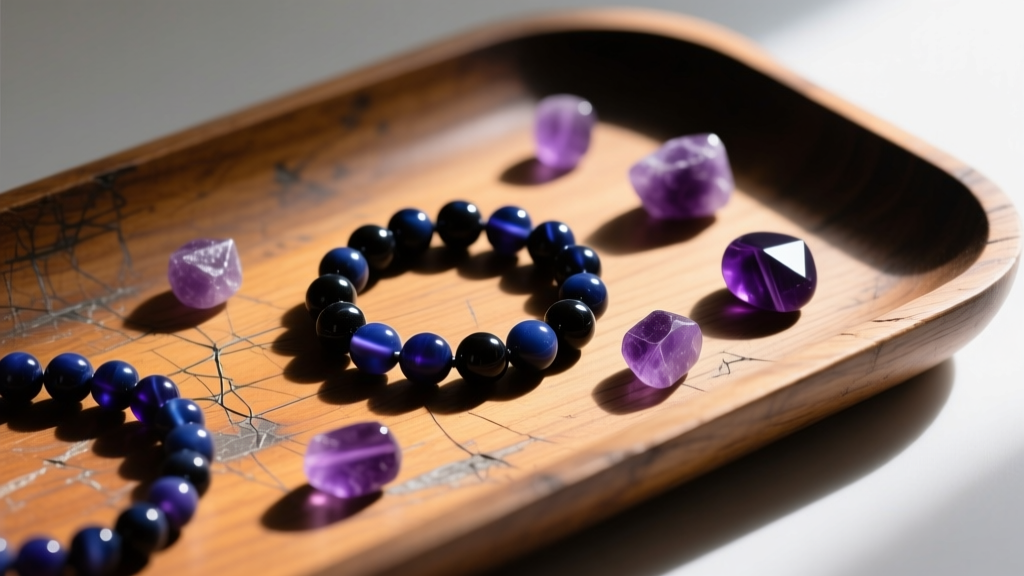
When you are searching for beads for sale wholesale bulk jewelry making supplies, the transition from retail hobbyist to wholesale buyer is the single most important pivot for your profit margins. In 2026, global supply chains for lapidary and glass components have stabilized, but pricing structures have shifted heavily toward weight-based metrics rather than per-strand costs. Retail bead shops typically mark up components by 300% to 500% to cover storefront overhead. By contrast, wholesale bulk suppliers—whether based in Guangzhou, Jaipur, or specialized European glass hubs—operate on volume thresholds, often requiring Minimum Order Quantities (MOQs) measured in grams or kilograms rather than individual strands.
Understanding this economic shift is critical. A standard 8mm strand of natural amethyst might cost $12 at a local bead store. When sourcing wholesale, that same quality drops to $2.50 per strand, provided you are purchasing a minimum of 500 grams. However, the true cost of wholesale sourcing isn't just the unit price; it involves navigating material grading, hole-size tolerances, and international shipping tariffs. This guide breaks down exactly what to look for when vetting bulk suppliers to ensure your DIY jewelry making projects maintain professional, retail-ready quality.
Material Grades: What You Are Actually Buying
The most common pitfall for new wholesale buyers is trusting supplier grading terminology. Unlike diamonds, which are strictly graded by the Gemological Institute of America (GIA) using the 4Cs, the wholesale bead market relies on a largely unregulated, arbitrary letter-grading system. Understanding the reality behind these labels is essential for avoiding low-quality inventory.
The "A-Grade" Gemstone Myth
In the commercial bead market, you will frequently see listings for "Grade A," "AA," or "AAA" gemstones. In reality, these terms are marketing fabrications used by overseas lapidaries to denote visual uniformity, not geological authenticity. A strand labeled "Grade A Lapis Lazuli" in a bulk catalog is almost always dyed howlite or sodalite unless you are buying from a verified, premium-tier lapidary. True natural lapis features distinct pyrite flecks and calcite veining. Similarly, "Grade AAA" emerald or ruby beads are typically dyed beryl or corundum that has been heavily fracture-filled with lead glass to improve clarity. Always request a raw, unpolished sample or a video under natural daylight before committing to a bulk gemstone order.
Crystal and Glass: The Post-Swarovski Landscape
Following Swarovski's strict B2B restrictions implemented in 2021, the wholesale market was flooded with counterfeit "Swarovski" beads. As of 2026, legitimate Swarovski components are virtually impossible to source in bulk for independent jewelry makers. Instead, industry professionals have pivoted to Preciosa Maxima and CristalSensia. These brands offer lead-free, high-refractive-index crystal that rivals legacy Swarovski brilliance. When buying bulk crystal, always verify the supplier's certification for lead-free compliance (meeting EU REACH and California Prop 65 standards), as cheap acrylic or leaded glass alternatives will tarnish your brand's reputation and pose health risks.
The Critical Metric: Hole Sizes and Wire Gauge Compatibility
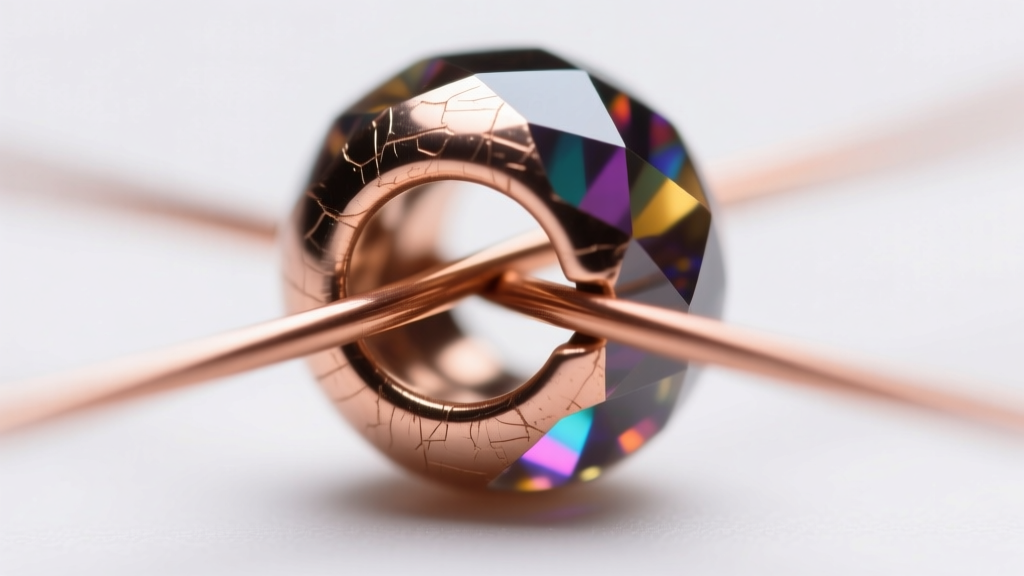
A beautifully faceted gemstone bead is useless if your wire won't pass through it. Wholesale suppliers rarely standardize drill hole sizes, and this is where most DIY jewelry makers experience structural failures. If you force a thick wire through a tight hole, you risk kinking the wire, stripping the bead's polish, or cracking the stone entirely. Below is a practical compatibility chart based on standard wire gauges and bead materials.
| Bead Material | Typical Hole Size (mm) | Max Wire Gauge (AWG) | Best Jewelry Application |
|---|---|---|---|
| Freshwater Pearls (Rice/Potato) | 0.4mm - 0.6mm | 24-gauge (0.51mm) | Delicate stringing, silk knotting |
| Commercial Glass / Seed Beads | 0.5mm - 0.8mm | 22-gauge (0.64mm) | Loom weaving, basic stringing |
| Semi-Precious Gemstones (8mm) | 0.7mm - 1.0mm | 20-gauge (0.81mm) | Wire wrapping, rosary links |
| Lampwork / Large Focal Beads | 1.5mm - 3.0mm | 14-gauge (1.63mm) | Heavy pendants, leather cord |
Pro Tip: When negotiating with wholesale lapidaries, you can often request "custom drilling" for an additional fee. If your signature wire-wrapping technique relies heavily on 20-gauge (0.81mm) dead-soft wire, mandate a minimum 1.0mm hole size in your purchase agreement to allow for smooth loop formation without abrasive friction.
Vetting Wholesale Suppliers: Red Flags and Green Lights
Finding reliable beads for sale wholesale bulk jewelry making requires a stringent vetting process. The Fire Mountain Gems Jewelry Making Encyclopedia emphasizes the importance of material consistency, but how do you verify this before dropping thousands of dollars on a B2B platform?
The Acetone Test for Dye-Lot Consistency
One of the most pervasive issues in bulk gemstone sourcing is surface dyeing. Suppliers will dye low-grade agate, quartz, or howlite to mimic high-value stones like jade, turquoise, or chrysocolla. When your customer wears the jewelry, body oils and friction will strip the dye, leaving them with dull, gray stones. Always order a sample strand first and perform the acetone test: soak a cotton swab in pure acetone (nail polish remover) and rub it vigorously against the bead. If color transfers to the swab, the stone is surface-dyed and unsuitable for premium retail jewelry.
Negotiating MOQs by Weight vs. Strand
"Never accept a per-strand MOQ from a new overseas supplier. Always negotiate a mixed-lot weight threshold to test dye-lots, drill tolerances, and polish quality across multiple stone types before committing to a single-material bulk order."
Many Alibaba or direct-lapidary suppliers list MOQs as "100 strands per color." This is a massive financial risk for a small studio. Instead, negotiate a "Mixed Lapidary Lot" based on weight (e.g., 500 grams minimum order, mixed across 10 different 8mm stone types). This allows you to test the supplier's overall lapidary quality, packaging care, and shipping speed without over-leveraging your capital on a single material.

Hidden Costs: Shipping, Tariffs, and Import Fees in 2026
The sticker price of wholesale beads is only half the equation. International shipping and import tariffs can easily add 30% to 50% to your landed cost if you do not understand Incoterms. When browsing bulk beads for sale, always clarify the shipping terms with your supplier:
- DDP (Delivered Duty Paid): The supplier handles all shipping, customs clearance, and import tariffs. The price you pay is the final price. This is the safest option for beginners, though slightly more expensive upfront.
- DAP (Delivered at Place): The supplier ships the goods to your door, but you are responsible for paying any import duties, VAT, or customs brokerage fees before the package is released. This frequently results in surprise invoices from FedEx or DHL.
- FOB (Free on Board): The supplier only gets the goods to their local port. You must hire a freight forwarder to handle ocean/air freight and customs. Only use this for massive orders (50kg+).
Additionally, be aware of Section 301 tariffs if you are importing specific glass or synthetic materials into the United States, and ensure your supplier provides a detailed commercial invoice with the correct HS (Harmonized System) codes. Gemstones typically fall under HS Code 7103, while glass beads fall under 7018. Misclassification can lead to packages being held in customs for weeks.
Final Sourcing Checklist for Bulk Buyers
Before you finalize your next wholesale bead order, run through this rapid checklist to protect your investment and your brand's integrity:
- Verify Hole Tolerances: Confirm the mm drill size matches your primary wire gauge or stringing material.
- Demand Natural Light Media: Refuse to buy based solely on heavily edited, studio-lit catalog photos. Request raw smartphone video in natural sunlight.
- Test for Treatments: Perform acetone and heat tests on sample strands to uncover hidden dyes or fracture fillings.
- Clarify Incoterms: Ensure you know exactly who pays for customs and tariffs (DDP vs. DAP).
- Check Packaging Standards: Bulk beads shipped in loose plastic bags will arrive chipped and scratched. Require vacuum-sealed, foam-lined, or individual poly-bag packaging for gemstones.
Mastering the wholesale bead market transforms your DIY jewelry making from a costly pastime into a scalable, profitable business. By prioritizing material authenticity, precise drill tolerances, and transparent shipping terms, you ensure that every piece you create is built on a foundation of premium components.


