Sourcing Jewelry Making Components: A Buyer's Guide
Discover how to source high-quality jewelry making components. Learn about metal grades, findings, and supplier red flags in this comprehensive buyer's guide.

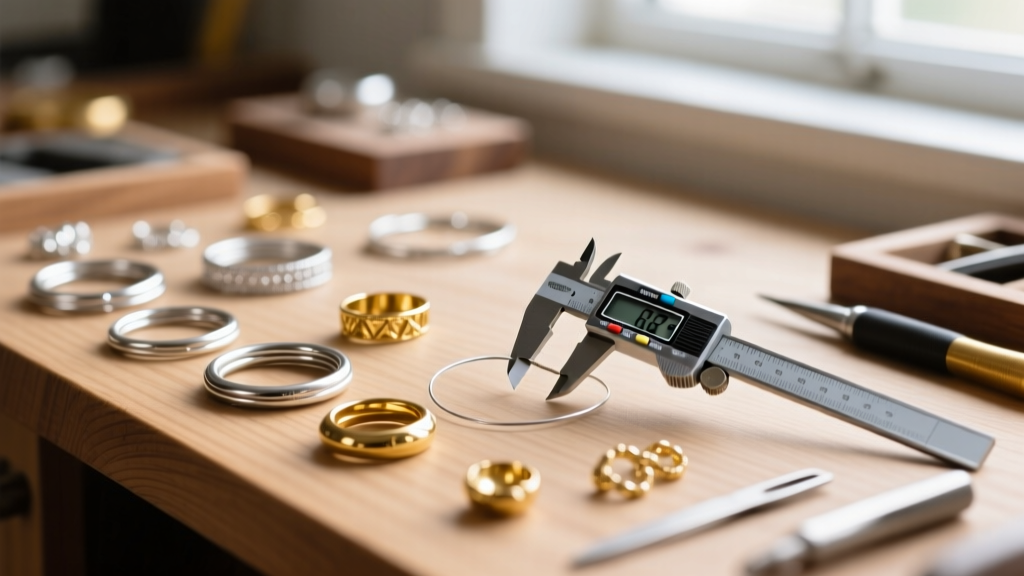
Whether you are wire-wrapping your first gemstone briolette or producing a 50-piece collection for a summer market, the foundation of your work relies entirely on the quality of your materials. Sourcing reliable jewelry making components is not just about finding the lowest price; it is about understanding metallurgy, mechanical tolerances, and supplier transparency. In 2026, with global supply chains shifting and new direct-to-consumer wholesale platforms emerging, knowing exactly what to look for can save your brand from catastrophic failures like tarnishing clasps, snapping ear wires, or allergic reactions.
This comprehensive buyer's guide breaks down the technical specifications, material grades, and sourcing strategies you need to build a professional-grade component inventory.
Decoding Metal Grades and Alloys
The most critical decision you will make when purchasing jewelry making components is selecting the right metal. Misunderstanding metal grades is the fastest way to ruin your brand's reputation. Let's break down the industry standards.
Sterling Silver vs. Fine Silver
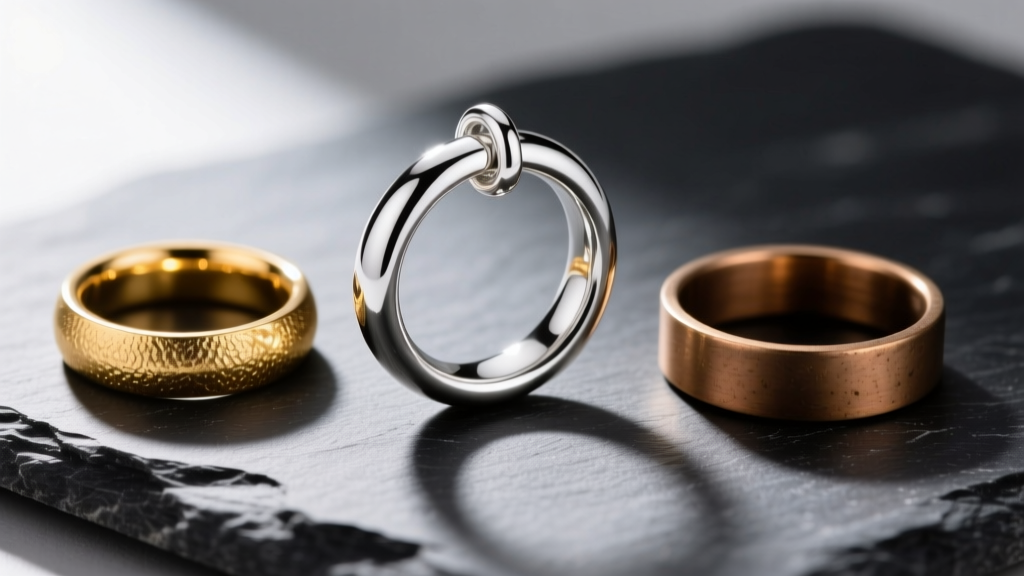
Fine Silver (999) is 99.9% pure silver. It is highly tarnish-resistant and exceptionally soft, making it ideal for bezel wire that needs to be pushed over a cabochon. However, it is too soft for structural components like clasps or ear wires.
Sterling Silver (925) contains 92.5% silver and 7.5% copper. The copper adds the necessary tensile strength for jump rings and chains but introduces tarnish. When buying sterling components, look for suppliers who offer anti-tarnish treated sterling silver or store your inventory with anti-tarnish strips immediately upon arrival.
The Truth About Gold-Filled
Gold-filled (GF) components are a staple for affordable luxury. According to the FTC Jewelry Guides, gold-filled items must have a layer of gold that constitutes at least 1/20th (5%) of the total weight of the metal.
- 14/20 Gold-Filled: The industry standard. It features a 14k gold alloy bonded to a brass core. It will not flake or peel under normal wear and can last decades.
- Gold Plated / Vermeil: Plated components have a microscopic layer of gold (often less than 0.5 microns) electroplated onto a base metal. Avoid these for high-friction areas like rings or bracelet clasps, as they will wear through to the base metal within months.
The Anatomy of Essential Findings
Findings are the mechanical joints of your jewelry. A beautiful pendant is useless if the jump ring holding it snaps. Here is what to look for when evaluating structural components.
Jump Rings: Gauge, ID, and Aspect Ratio
Never buy jump rings without knowing both the wire gauge and the Inner Diameter (ID). The relationship between these two measurements is called the Aspect Ratio (AR), calculated as ID divided by wire diameter.
- 20-Gauge (0.81mm) with 4mm ID: The undisputed workhorse of jewelry making. This yields an AR of roughly 4.9, perfect for standard chainmaille weaves (like European 4-in-1) and attaching heavy pendants.
- 22-Gauge (0.64mm) with 3mm ID: Ideal for delicate chain extensions and attaching lightweight charms where a 20g ring would look bulky.
Pro Tip: Always buy saw-cut jump rings rather than machine-cut. Saw-cut rings have perfectly flush ends that close seamlessly, preventing them from catching on silk thread or scratching the wearer's skin.
Clasp Mechanics: Lobster vs. Spring Ring
While spring rings are cheaper, they are notoriously difficult for customers with limited dexterity to open. Lobster clasps are the professional standard. However, inspect the lever mechanism. Cheap, cast-metal lobster clasps often have stiff levers and weak internal springs. Look for stamped and formed lobster clasps from reputable suppliers like Rio Grande, which offer a smoother action and a much longer mechanical lifespan.
Sourcing Channels: Where to Buy in 2026
Where you buy your jewelry making components dictates your profit margins and quality consistency. Below is a comparison of the primary sourcing tiers available to modern makers.
| Supplier Tier | Examples | Best For | Minimum Order Quantity (MOQ) | Quality Assurance |
|---|---|---|---|---|
| Industry Wholesalers | Rio Grande, Halstead, Stuller | Precious metals, cast findings, professional tools | Low to None (Volume discounts apply) | Exceptional; guaranteed metal purity and REACH compliance. |
| Craft Distributors | Fire Mountain Gems, Beadalon | Base metal findings, beads, stringing materials | None (Assortable price breaks) | Good, but metal alloys can vary between batches. |
| Direct Overseas | AliExpress, Alibaba | Bulk brass/copper stampings, niche beads | High (Often 100+ pieces per lot) | Poor; high risk of lead/cadmium contamination and inconsistent sizing. |
Red Flags and Sourcing Traps
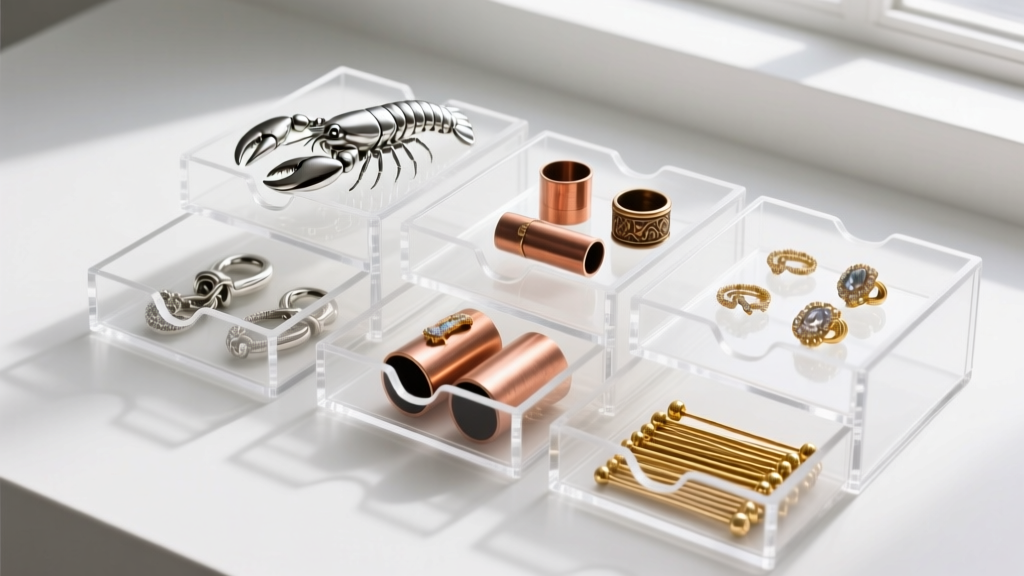
When browsing online marketplaces for jewelry making components, certain buzzwords should immediately trigger your skepticism. Protecting your customers from toxic metals and your business from liability is paramount.
The "Tibetan Silver" and "Zinc Alloy" Trap
Components labeled as "Tibetan Silver," "Antique Silver," or simply "Alloy" are almost always pot metal—a mix of zinc, copper, and sometimes dangerous levels of lead or cadmium. According to the Gemological Institute of America (GIA) and international safety standards, jewelry intended for prolonged skin contact must be strictly regulated for heavy metals. Never use unspecified alloys for ear wires, posts, or rings. If a supplier cannot provide a material breakdown or an MSDS (Material Safety Data Sheet), do not buy from them.
Inconsistent Headpin Lengths
When buying headpins for rosary-linked chains or dangle earrings, inconsistent wire thickness is a major headache. A batch labeled as "24-gauge" from a discount supplier might include pieces that range from 23g to 25g. This makes it impossible to use a uniform wire-wrapping technique or pass the wire through consistently sized gemstone briolettes. Always order a small sample pack of headpins before committing to a bulk gross (144 pieces) order.
Building Your 2026 Inventory Strategy
Smart sourcing is about balancing cash flow with reliability. Start by purchasing your precious metal findings (sterling silver and gold-filled clasps, ear wires, and chains) exclusively from established domestic wholesalers. The slightly higher upfront cost is offset by the guarantee of purity, which protects your brand's integrity.
For base metal components like brass stampings, copper wire, and decorative beads, you can safely explore overseas direct-to-maker platforms, provided you rigorously test the materials with a digital caliper and a magnet test upon arrival. By treating your component sourcing with the same precision as your actual jewelry design, you ensure that every piece leaving your workbench is built to last a lifetime.


